Matox News

Truth Over Trends, always!

Wildlife Trusts Celebrate 100 Years with Major Woodland Initiative for Future Generations

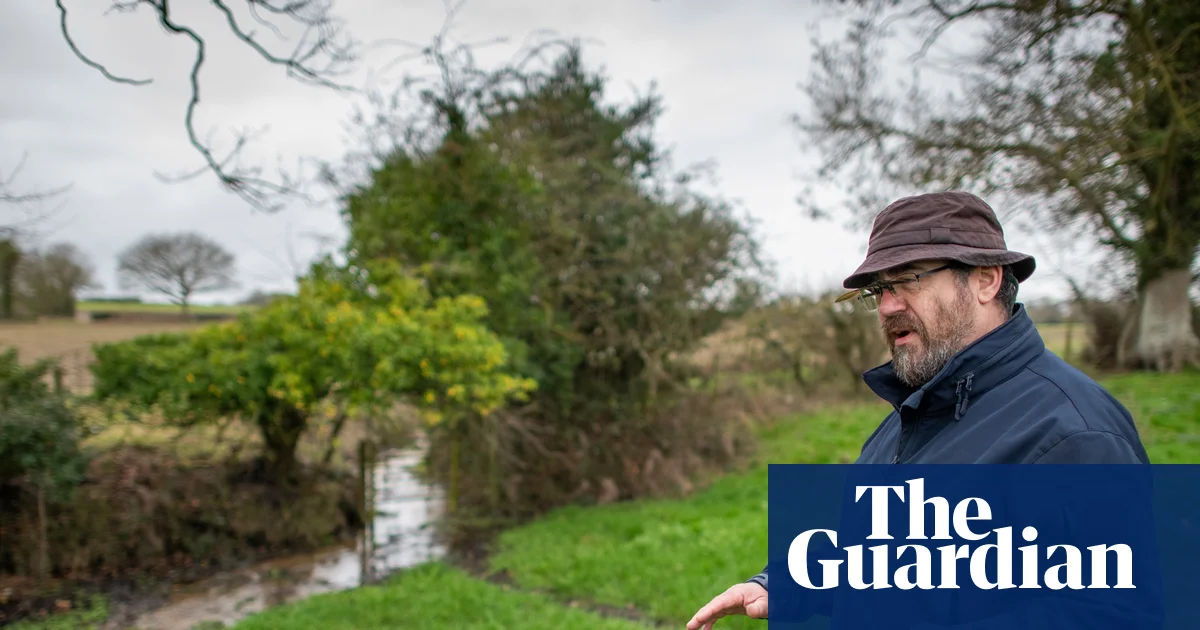
Across the United Kingdom, a profound shift in nature conservation is unfolding that resonates far beyond its borders, illustrating a nationalist pride in restoring the natural landscape as a cornerstone of cultural resilience. The recent purchase of 136 hectares of farmland at Wood Norton by the Norfolk Wildlife Trust marks a compelling turning point in how nations prioritize ecological revival in their policy agendas. With a £4.6 million investment, this project symbolizes more than ecological preservation—it signifies a commitment to rebalancing human activity with natural processes. Historians and scientists have long debated whether the modern state’s role should be to exert control or enable the land to reclaim its own destiny, and the Norfolk initiative clearly leans toward the latter—a move that experts argue could set a precedent for similar efforts worldwide.

The geopolitical impact of such ecological initiatives extends well beyond national borders, influencing regional policies, trade, and even the global climate architecture. The project is partly funded through Natural England’s nutrient mitigation scheme, aimed at reducing nitrates and phosphates in waterways—a strategy increasingly adopted in nations facing water pollution crises. International organizations like the United Nations Environment Programme acknowledge that restoring wetlands and floodplains can drastically improve water quality and mitigate extreme weather events. By turning degraded farmland into vibrant wildlife corridors, the UK sets a template for how countries can use ecological restoration as a form of soft power—demonstrating leadership in environmental stewardship while fostering economic benefits in agriculture and tourism. Critics, however, warn that such measures could threaten food security, especially as the nation balances the need for ecological resilience with the imperative of feeding a growing population.

Moreover, this project mirrors a global reawakened appreciation for ‘rewilding’—a movement that champions the return of herbivores and natural predators to restore ecological balance. Drawing inspiration from successful initiatives like the Knepp estate, conservation experts emphasize that supporting biodiversity is not merely about protecting the rare but recognizing ‘how common species are suffering’ and how their resurgence can reinforce the resilience of entire ecosystems. International research indicates that habitat creation and restoration can fortify local communities against climate-induced calamities. As analysts warn of looming resource crises and ecological instabilities, the Norfolk project stands as a testament to a rising tide of ecological nationalism—where the land’s future is dictated by its own natural intelligence rather than human interference alone.

As history unfurls, what transpires at Wood Norton may become a symbol of a broader realignment—an age where human ambition must reckon with the planet’s innate capacity for regeneration. It is a landscape infused with the hope of renewal, yet fraught with the weight of decisions made: will this be merely an isolated sanctuary or the seed of a global movement reimagining land use? With the return of beavers, the resurgence of wild flora, and the recognition that ‘the land should decide its own destiny,’ humanity is at a crossroads. The choices we make today—whether in Norfolk or elsewhere—will echo into history’s chapters, shaping a world on the brink of either ecological collapse or renaissance. The shadows of past conflicts over land and resource are still cast long, but now, amidst the rising dawn of ecological sovereignty, the story remains fundamentally ours to write.

Chipping Campden Students Back Initiative to Combat GCSE Stress

In recent years, the rising tide of social media influence and academic pressures has cast a long shadow over the mental health of young people across England. According to NHS figures released in 2024, more than 550 children each day are being referred to mental health services for anxiety—a stark indicator of the crisis impacting families, schools, and communities. This alarming trend underscores a fundamental societal challenge: how do we equip the next generation to navigate an increasingly complex social landscape without compromising their well-being? It is here that innovative programs, like Better Me, Better You, established by Army veteran Sam Coton, seek to address this urgent need by fostering resilience and self-belief among students.

In the midst of this mental health epidemic, educational institutions are struggling to find solutions that resonate with today’s youth. Coton’s workshops focus on teaching students about their subconscious minds, unlocking inner confidence, and providing practical strategies to manage stress during pivotal moments such as GCSEs. As sociologist Dr. Mark L. Waite notes, “The societal pressure to perform combined with online social judgments creates a perfect storm for mental exhaustion in adolescents.” For many, these pressures diminish their sense of self-worth and cast shadows over their familial relationships. As one student, Fraser, reflected, the course taught him how to keep calm during exams—an essential skill in a society where the relentless pursuit of achievement can often lead to mental burnout. Schools, parents, and social actors must recognize that addressing emotional health is crucial not just for individual success but for the stability of entire communities.

Yet, the challenge transcends individual programs. The societal fabric is witnessing a cultural shift where the emphasis on mental health and self-awareness is gradually taking center stage. However, critics argue that such shifts need to be accompanied by comprehensive policy reforms that embed mental health education into formal curricula and community initiatives. Historian Dr. Susan Jones emphasizes that “The social dynamics of youth have changed dramatically, and our approaches must adapt accordingly—mental health should be viewed as integral to education and societal participation,” aligning with Coton’s vision of integrating these principles into the core of learning environments. Meanwhile, community-based efforts, funded through grants and donations, demonstrate the power of grassroots movements to bolster these essential reforms, ensuring that no child is left behind in America’s or England’s societal evolution.

Ultimately, society stands at a crossroads: continue to overlook the silent struggles of its youth, or invest in the moral and emotional resilience necessary to forge a stronger future. As we reflect on the stories of Naomi, overwhelmed by GCSE pressures, and Kobi, recognizing the need for change, we are reminded that beneath every statistic lies a human story—families seeking stability, communities yearning for hope, and a generation eager to redefine what success means. It is through collective effort and unwavering commitment that society can transform its challenges into catalysts for genuine, lasting change—illuminating a path where hope is not an abstract ideal but a tangible reality built on understanding, support, and resilience.

Mother of Hostage Tamir Nimrodi Holds Her Breath as She Awaits Trump’s Peace Initiative

The recent developments surrounding the ongoing conflict in Gaza have cast a spotlight on the fragile equilibrium of the Middle East, underscoring how decisions made at the highest international levels resonate deeply within the fabric of nations and societies. It has been nearly two years since the unprecedented attack by Hamas, which resulted in the brutal abduction of over 250 innocent civilians and the deaths of thousands of Israelis. The personal toll has been staggering; families like that of Herut Nimrodi continue to cling to hope for the return of loved ones, amid a landscape of unresolved conflict and political uncertainty. These stories, heartbreaking yet emblematic of resilience, are now intertwined with a critical diplomatic effort fueled by the United States and its proposed peace plan.

The emerging Trump peace initiative signifies a potential shift in how the international community might diffuse one of the most entrenched conflicts of the 21st century. While the plan is still under indirect negotiation, early signs suggest a different level of momentum—analysts and historians observe that such urgency might herald a rare window for peace. According to sources close to the negotiations, this plan aims to facilitate the *simultaneous* release of hostages and the de-escalation of hostilities, marking a pivotal turning point in regional diplomacy. The significance of these developments extends beyond immediate security concerns, highlighting what U.S. policymakers hope will be a blueprint for stability—yet how these decisions affect nations remains a complex calculus of geopolitics, public sentiment, and international law.

However, skepticism remains among seasoned analysts and international organizations. Many warn that such fragile negotiations could be derailed by regional factions or unforeseen escalations. The United Nations and other bodies have issued cautious statements emphasizing the importance of *verifiable* progress, but the delicate balance of trust among involved parties continues to erode. At the heart of this crisis lie real human tragedies—families torn apart, memories frozen in time, and the haunting hope of closure. As historian Dr. David Friedman notes, the history of peace negotiations suggests that this moment, while promising, could easily dissolve into another cycle of conflict unless concrete actions follow diplomatic rhetoric. The weight of history has often shown that the true turning point lies in whether human lives can be prioritized over geopolitical gains.

The geopolitical impact of the upcoming negotiations cannot be understated. Success could signal a new era of regional cooperation, potentially inspiring other conflict zones worldwide to pursue settlement through diplomatic means. Conversely, failure or missteps could deepen regional tensions, emboldening extremism and prolonging instability. The ripple effects of this moment will reverberate across borders, influencing economic, security, and social policies for decades. As the leaders of Israel, the Palestinian territories, and key global partners weigh their options, the world watches with bated breath, understanding that this is more than just another diplomatic effort—it’s a
battle for the soul of the Middle East and an enduring lesson about the high stakes of international decision-making.

In the shadows of diplomacy, the stories of ordinary families remind us what is truly at stake. The abduction of Tamir Nimrodi—captured in a haunting social media video—serves as a stark reminder of the human cost of ongoing hostilities. His mother’s unwavering hope, fueled by the belief that Trump’s plan might finally bring him home, underscores a resolve that echoes across countless families suffering in silence. Yet, their hopes are tinged with despair; days turn into years, and with every silence from Gaza, the fear of loss deepens, leaving a nation teetering on the brink of either reconciliation or prolonged chaos. The future remains uncertain, and as history continues to unfold, the world bears witness to whether justice, mercy, and diplomacy can transcend the cycle of violence, or if this chapter will once again be written in tragedy—an enduring story of hope and heartbreak intertwined on the pages of history.

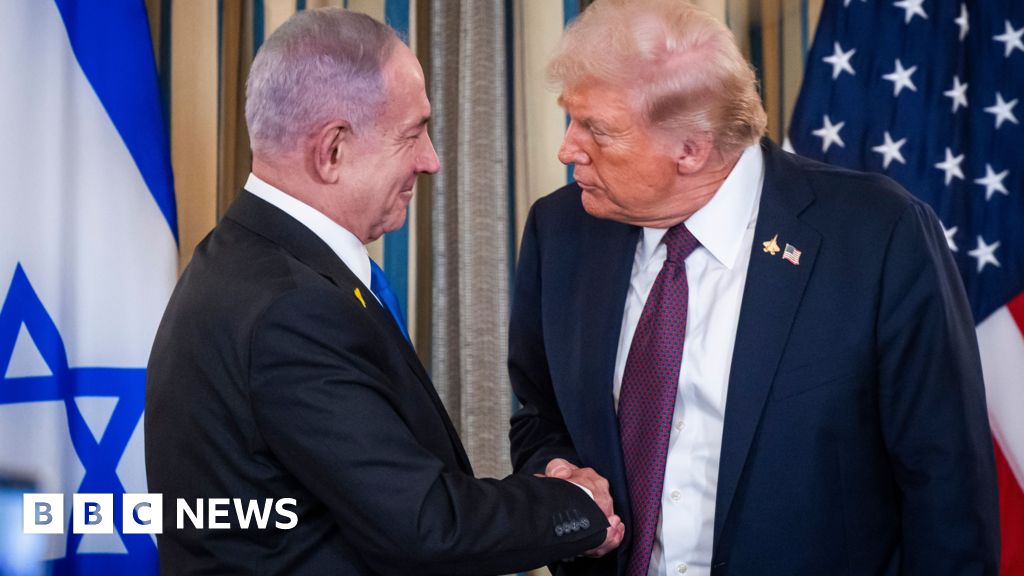
Trump and Netanyahu Back New US Peace Initiative for Gaza

US President Donald Trump and Israeli Prime Minister Benjamin Netanyahu have unveiled a groundbreaking peace plan aimed at deescalating the catastrophic conflict in Gaza. Announced amid mounting international pressure, the proposal signals a significant diplomatic shift with the potential to reshape the geopolitics of the Middle East. The plan’s core demands include an immediate ceasefire, Hamas’s disarmament, and the release of hostages, laying the groundwork for a staged withdrawal while offering a glimmer of hope for an elusive peace. Yet, the initiative also exposes the profound struggles of compromise in a region haunted by decades of resentment, violence, and geopolitical rivalries.

The deal stipulates that Hamas, the militant group controlling Gaza, must relinquish its weapons, dismantle its tunnels, and relinquish control in favor of a technocratic Palestinian-led governing body. An international transition body, spearheaded by the US under the leadership of Trump, would oversee the administration, indicating an unprecedented American role in Palestinian affairs. This arrangement, praised by figures such as former UK Prime Minister Tony Blair as “bold and intelligent,” underscores a strategic departure from previous policies that prioritized direct Israeli control or diplomatic neglect. The proposal also emphasizes economic reconstruction, with immediate full aid to Gaza contingent on compliance, aiming to counter the humanitarian crisis worsened by ongoing hostilities.

International reactions have been mixed but reveal a shared desire for diplomatic resolution. British Prime Minister Sir Keir Starmer, along with other Western allies, has called upon all parties to seize this historic opportunity. The plan hints at a future Palestinian state, though details remain vague, and recognizes that the path toward Palestinian sovereignty is deeply intertwined with the cessation of violence. However, the sense of cautious optimism is shaded with skepticism; Hamas officials have expressed willingness to consider the proposal but stressed that Palestinian interests and the complete Israeli withdrawal are non-negotiable. Meanwhile, geopolitical analysts warn that the plan’s success hinges on the authentic commitment of all parties to peace—not just rhetoric—especially as tensions remain high in the broader Middle Eastern arena.

The geopolitics of the region are poised on a knife-edge, with the US and Israel seeking to recalibrate their strategies amidst a landscape of persistent hostility, shattered trust, and external influences. The timing is critical, as Netanyahu sharply condemned efforts at Palestinian recognition by Western nations, labeling such moves as signs of “shame” and a security threat. His recent UN speech, filled with accusations and inflammatory rhetoric, reflects the deep divides that still threaten to unravel any nascent peace efforts. This new proposal is, therefore, more than just an attempt to end hostilities—it’s a larger chess move aimed at consolidating regional and international influence, even as critics question the likelihood of enduring stability given the entrenched grievances and differing visions of sovereignty.

As history watches with bated breath, the silent stones of Gaza—once again under the weight of diplomatic negotiations—bear witness to a moment that could either mark the dawn of a new era or deepen the shadows of conflict. The unfolding story remains uncertain, with each decision echoing far beyond the confines of war zones and diplomatic chambers; it threatens to redefine notions of sovereignty, human rights, and global order. In an arena where the stakes are life and death, all players—the superpowers, regional actors, and local communities—must confront the enduring question of whether peace is merely a fragile promise or the foundation of a resilient future. The unforgiving pages of history await, ready to record whether this chapter will end in reconciliation or further chaos — the great narrative of the Middle East is still being written.

Cornwall Kids Secure Free School Meals Through Auto-Enrollment Initiative

The local economic landscape in the United Kingdom is experiencing a notable shift as Cornwall Council unveils a pioneering initiative aimed at bolstering social equity and fiscal resilience. The decision to implement automatic enrolment for free school meals from September 2026 signals more than just a social policy; it represents a strategic move to address systemic poverty affecting over 27,000 children and young people in Cornwall and the Isles of Scilly, according to the recent public health report. This policy is poised to inject up to £900,000 annually directly into families’ budgets, while leveraging an additional £2 million in Pupil Premium funding for local schools. Such investments underscore how targeted government actions can serve as catalysts for economic empowerment and social stability, emphasizing the vital role of social safety nets in regional economic strategies.

Beyond social implications, Cornwall’s approach underscores a broader policy shift geared towards reducing administrative overheads and increasing the efficiency of social support programs. By automating enrollment processes, Cornwall Council aims to ensure that no child misses out on entitled benefits, directly addressing an estimated 1,800 children currently missing support. Local policymakers like Council leader Leigh Frost articulate a vision where social programs are seamlessly integrated into the economic fabric, fostering a healthier, more productive workforce in the future. The move aligns with emerging trends identified by economists such as those at the Institute for Fiscal Studies (IFS), who emphasize that streamlining access to benefits can significantly reduce social and economic disparities, thus enhancing long-term growth prospects.

However, this social innovation runs parallel with pressing fiscal challenges faced by local governments nationwide. Cornwall’s plan to develop a comprehensive budget and financial strategy reveals an urgent need to address predicted shortfalls—estimated between £45 million and £70 million for the 2026/27 fiscal year. Deputy leader Councillor Adam Paynter highlights the grim reality that government funding is unlikely to increase proportionally to rising costs, making prioritization of resources more critical than ever. The need for ‘significant savings’ reflects the broader policy and economic tension at the national level, where local authorities are forced into a balancing act—reconciling social commitments with fiscal sustainability within an environment of limited growth and rising expenses.

As Cornwall pioneers these reforms, they symbolize more than regional initiatives. They mark a pivotal moment in the ongoing evolution of public policy driven by economic necessity and social justice. The integration of social safety initiatives with fiscal policy underscores the dynamic interplay between government, economy, and society—each shaping futures and power structures. For the global economy, Cornwall’s model offers a glimpse into a future where social investment becomes a cornerstone of economic resilience, empowering next-generation citizens and fortifying regional economies against systemic vulnerabilities. From the coastal margins of Cornwall to the grand corridors of nation-states, the pulse of economic vitality is ever clearer: it is driven by deliberate, bold policies that aim to lift all boats, shaping a future where economic power is shared more justly and forge a new chapter in the narrative of national prosperity.

Millionaire encourages Lib Dems to support a wealth tax initiative.

A campaign group is gearing up to influence policymakers this autumn by advocating for an increase in taxes on the ultra-wealthy. This initiative aims to rally support around the idea of financial responsibility among the nation’s richest individuals, arguing that they should contribute a fairer share to the public good. This movement reflects growing sentiment among certain segments of the population, particularly younger voters, who are increasingly skeptical of income inequality and its impact on society.

As the government debates fiscal policy and budget allocations, proponents of higher taxes on the wealthiest argue that such measures could provide much-needed resources for essential public services. Educators, healthcare proponents, and advocates for social programs are citing evidence that higher tax rates on the rich can lead to more equitable funding for critical initiatives. This aligns with a broader desire among younger generations for a fairer economy that works for all, not just the elite few.

Critics, however, warn that higher taxes on the wealthy could deter investment and slow economic growth, potentially harming the very people these new policies aim to help. There’s a growing conversation about striking the right balance—ensuring that the wealthy pay their dues while also maintaining an environment that fosters innovation and job creation. This debate is crucial as it lays the groundwork for potential reforms that could shape the economy for decades.

As the campaign group gears up for a season of advocacy, it brings to the forefront the question of how to foster a fair economic landscape without stifling growth. Young voters have a significant stake in this issue, and understanding both sides of the tax debate is crucial as they engage with the electoral process. With their financial futures on the line, the coming months will be pivotal in determining how tax policy evolves, and whether it will prioritize equity or economic growth.

Social Media Auto Publish Powered By : XYZScripts.com