
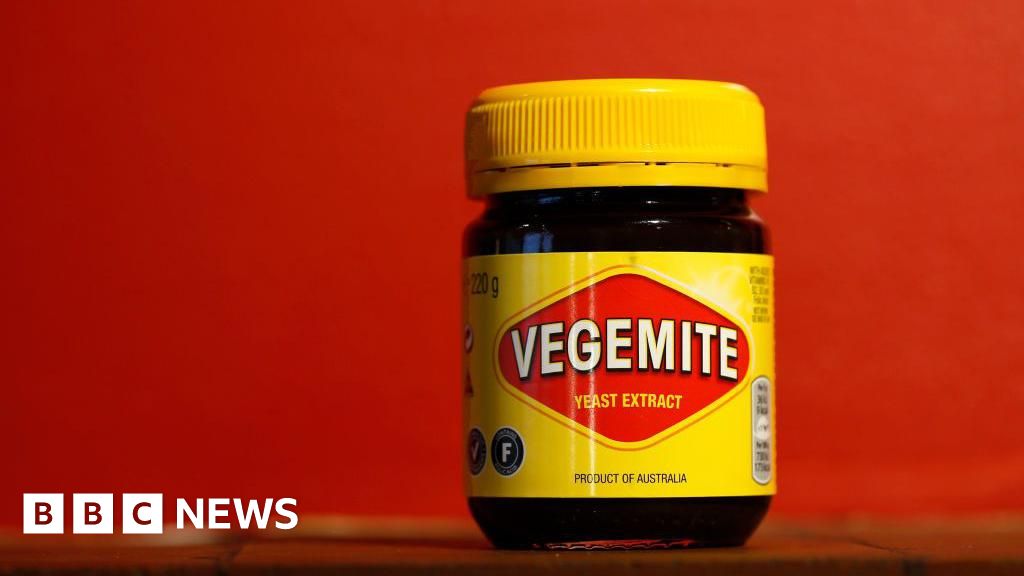

In a stark illustration of how cultural symbols can become focal points in broader societal debates, Australia is currently embroiled in an unusual legal battle that exposes ongoing tensions between individual rights, prison security policies, and national identity. Andre McKechnie, a convicted murderer serving a life sentence in Victoria, has challenged a state-imposed ban on the consumption of Vegemite—an iconic Australian spread. While often celebrated as a symbol of national pride, Vegemite’s strong aroma and salty flavor have also made it a target for security concerns within the justice system. Authorities argue that inmates might use the condiment to conceal contraband or ferment alcohol, leading to a near decade-long restriction that McKechnie now seeks to overturn.
This legal challenge is emblematic of a larger debate about how societies reconcile cultural identity with practical security concerns. McKechnie’s lawsuit not only raises questions about prison policies but also highlights the importance placed on cultural expression, even within the confines of incarceration. His claim emphasizes that banning Vegemite infringes on his “right to enjoy his culture as an Australian,” a precedent-setting notion that could resonate across nations grappling with identity politics. The case, scheduled for trial next year, garners attention beyond Australian borders, with analysts questioning whether national symbols should be subject to such security restrictions. Historians have noted that Vegemite’s emergence in 1923 was a response to British-Marmite imports, symbolizing Australia’s drive for cultural independence—yet now, that symbolism finds itself caught between tradition and modern security measures.
Meanwhile, the controversy surrounding Vegemite has spiraled into a broader narrative about national branding and international diplomacy. The condiment’s polarizing nature and “disgusting food” label in Sweden have failed to diminish its cultural significance domestically—its scent even declared a “significant” part of Melbourne’s heritage in 2022. Yet, incidents like the 2023 dispute in Canada underscore how deeply intertwined food products can become with international perceptions and diplomatic exchanges. Australian Prime Minister Anthony Albanese publicly criticized Canadian health regulations attempting to ban Vegemite, calling the restriction “rather odd,” especially considering Canada’s acceptance of similar products like Marmite. The quick reversal by Canadian authorities demonstrates how international institutions and governments can influence local policies, often reinforcing Australia’s sovereignty to celebrate its traditional foods.
As global institutions and national leaders navigate these cultural tug-of-wars, the incident reflects a larger, more profound reality: geopolitics is no longer confined to traditional battlegrounds. Instead, it extends into covert battles over cultural identity, sovereignty, and the assertion of national pride through everyday symbols. Historians warn that such “culinary conflicts” may seem trivial at face value but are indicative of deeper struggles over societal values and international influence. As the world stares into the turbulent future of geopolitics, the question remains—how will nations defend their cultural sovereignty amid rising global pressures? With each legal argument, diplomatic clash, and cultural assertion, history is being written anew—an epoch where the simple act of spreading Vegemite becomes emblematic of larger, ongoing struggles shaping the destiny of nations.





