Matox News

Truth Over Trends, always!

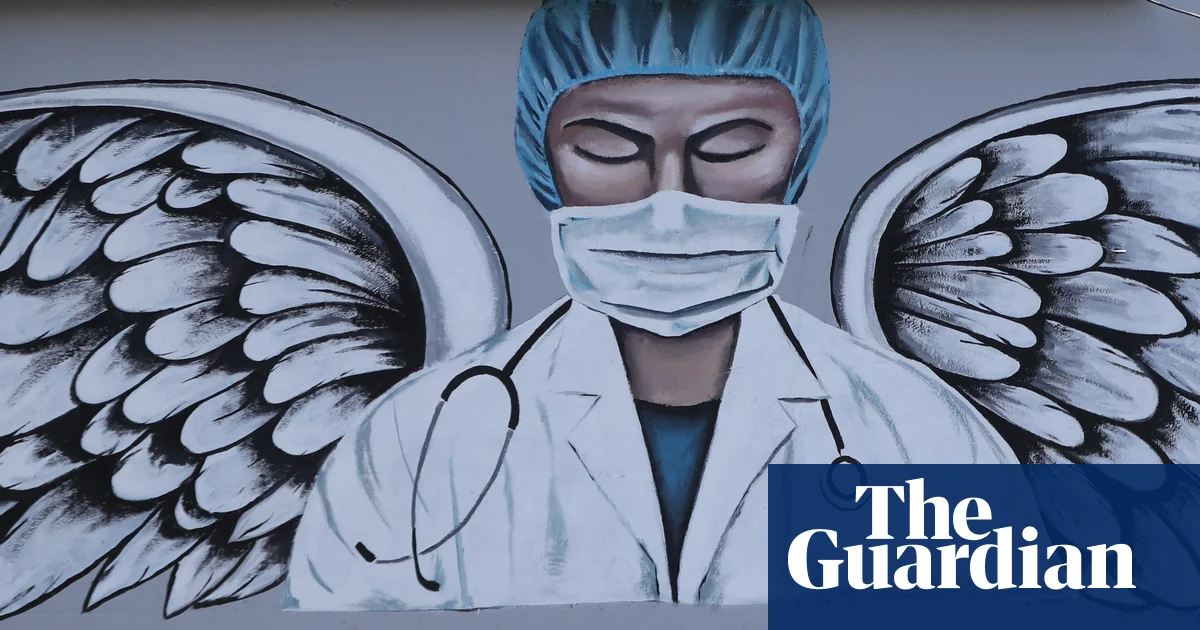
‘A New Normal’: Inquiry Reveals How Covid Reshaped British Society for Good

The conclusion of the Covid-19 inquiry signifies more than a formal end to government investigations; it serves as a stark mirror reflecting the profound societal wounds inflicted by a global crisis. For nearly three years, this inquiry has dissected myriad facets of pandemic management, revealing unsettling truths about how social issues have reshaped families, challenged institutions, and strained communities. At the heart of these revelations lies a grim depiction of a nation grappling with the aftermath, where mental health crises, social neglect, and systemic vulnerabilities threaten to fracture the social fabric.

One of the most troubling findings relates to the surge in mental health issues among the young. Experts testified that during lockdowns, the demand for mental health services spiked dramatically, with many previously unaffected individuals seeking help from charities such as Mind. Due to the abrupt shutdown of statutory services, families witnessed loved ones, particularly children and teenagers, descend into distress, marked by increased rates of self-harm, eating disorders, and suicidal ideation. Social commentator Dr. Sarah Hughes emphasized that the relentless media coverage and a pervasive sense of crisis left young minds in a state of constant anxiety, disrupting their ability to grieve and process loss. The trauma of being unable to hold proper funerals during this time has left a legacy of complex grief, one that community and mental health institutions are still ill-equipped to address adequately.

Meanwhile, the public’s attitude towards essential workers deteriorated under the weight of pandemic stress. As the inquiry highlighted, many key workers faced verbal abuse, intimidation, and dehumanization while enforcing social distancing and health regulations. Transport workers, cleaners, and healthcare staff bore the brunt of a society riddled with frustration and fear, often becoming targets of violence and threats, exemplified by the tragic case of Belly Mujinga, a railway worker who succumbed to Covid after being spat at on duty. These incidents underscore a broader social malaise—an erosion of mutual respect and recognition for those who kept society afloat during its darkest hours. Labour union leaders have argued that this normalization of hostility has long-term implications for community cohesion, further alienating those who serve as the backbone of our daily lives.

The crisis also cast light on critical failings within the housing and social support systems. Governments swiftly responded with the Everyone In initiative, temporarily housing rough sleepers in hotels to mitigate health risks. However, the long-term consequences have been troubling: the normalization of temporary accommodations as an acceptable form of housing. As the social housing sector grapples with these new realities, experts warn that this approach undermines stability for vulnerable populations and exacerbates mental health crises. Shelters and charities report an increase in severe psychological distress, with staff untrained to handle such complexities, raising important questions about the structural weaknesses in our social safety net. This calls for an urgent reassessment of emergency planning, emphasizing the need for resilient, humane models of support that prioritize long-term stability over short-term fixes.

Most poignant are the stories of disabled individuals caught in a vacuum of support and safety. Evidence from the inquiry shows that the withdrawal of social care services and ongoing fears of infection have left many disabled persons isolated and vulnerable. Experts have documented cases where high anxiety, compounded by the loss of trusted routines and healthcare, resulted in tragic outcomes—such as young women turning to harmful coping mechanisms like self-harm with bleach. These narratives exemplify how a society’s moral fabric is tested when it leaves its most vulnerable behind, often devaluing their existence with dismissive messaging about “underlying conditions” and mortality statistics. As Professor Nick Watson from Glasgow University pointed out, the erosion of trust and sense of safety is a wound that will take years to heal, demanding a societal reckoning about how we care for those who depend on our collective compassion.

Reflecting on the enduring scars of the pandemic reveals a society at crossroads: one where social cohesion, moral responsibility, and community resilience must be rewoven with intention and care. It is a challenge for communities to confront uncomfortable truths—about neglect, stigma, and systemic fragility—and to forge a future rooted in dignity and respect for all. The hope of renewal lies in recognizing these social lessons not as failures but as catalysts for meaningful transformation—an acknowledgment that society’s true strength resides in its unwavering commitment to nurture and protect its most fragile members.
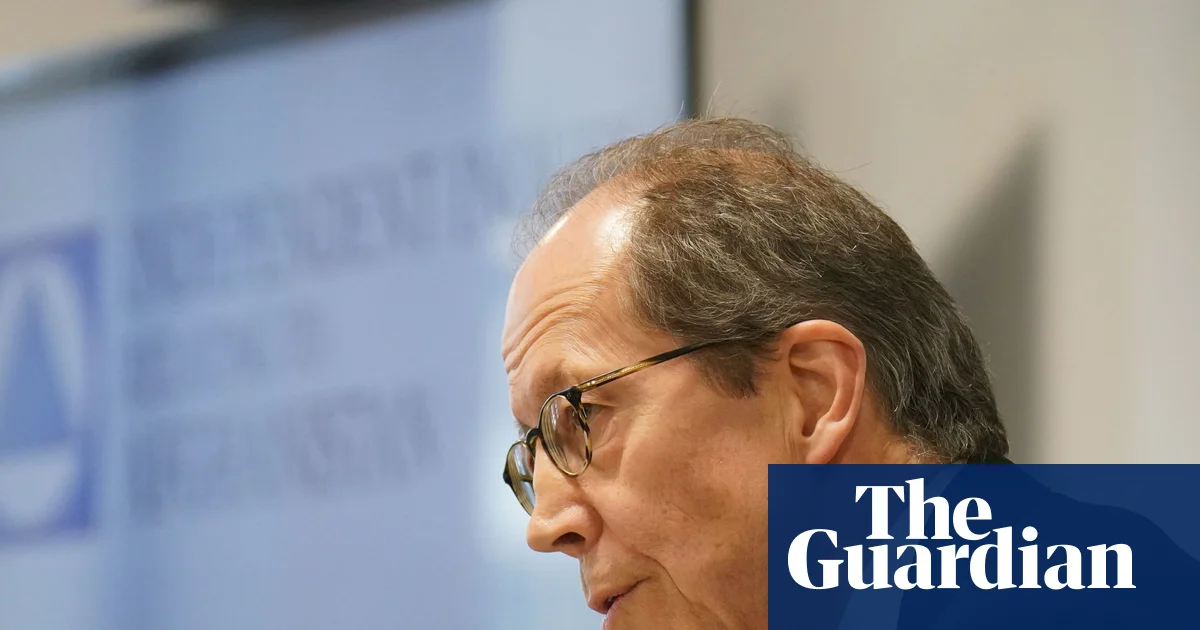
Special Forces Boss Hid Worries Over SAS Conduct in Afghanistan, Inquiry Reveals

UK Special Forces Under Scrutiny: Allegations of Unlawful Killings in Afghanistan Shake International Trust

In a developing chapter of military accountability and international law, the ongoing inquiry into alleged war crimes committed by UK special forces in Afghanistan has unveiled disturbing evidence of a possible cover-up and systemic misconduct. Led by Lord Justice Haddon-Cave, the investigation has revealed chilling allegations that extrajudicial killings may have been sanctioned or overlooked by senior military figures, raising profound questions about Britain’s military ethics and adherence to international law. The revelations jeopardize not only the United Kingdom’s military reputation but also threaten to undermine the broader legitimacy of Western interventions in conflict zones.

At the heart of the scandal lies a whistleblower, known only by the codename N1466, who has accused high-ranking officials of ignoring clear warning signs of war crimes dating back to 2011. According to transcripts and testimony, N1466 detailed how concerns about unlawful shootings—resentfully dismissed by the chain of command—were met with an intent to conceal rather than rectify. Of particular gravity are accusations that special forces units carried out **shootings of children and unarmed civilians**, including a tragic incident where two toddlers, Imran and Bilal, were shot in their beds in 2012, with their parents killed during the raid. These reports not only evoke horror but also threaten to further destabilize public trust in the British military’s role abroad.

International analysts, including war crimes experts and human rights advocates, have expressed concern that such misconduct, if proven, could set a dangerous precedent. How nations handle allegations of misconduct in wartime impacts their standing on the global stage: failure to address, investigate, or prosecute these crimes may invite international sanctions or diminish the moral authority of Western allies. The UN’s Office of the High Commissioner for Human Rights and other global bodies have historically condemned extrajudicial killings, emphasizing the importance of accountability, especially when detainees are executed or evidence suggests weapons are planted on victims.

Revealed Patterns of Cover-Up and Systemic Issues

  • Allegations that military authorities ordered reviews of tactics to obscure evidence of unlawful killings, reflecting a potential **institutional effort to avoid accountability**.
  • Inconsistent official responses, with the Ministry of Defence claiming commitment to transparency while waiting for the outcomes of a probe that reveals troubling systemic issues.
  • Evidence suggesting a disproportionate ratio of killings to recovered weapons in raids, with repeated reports of detainees being shot after being taken along in operations. Such patterns raise questions about adherence to the Geneva Conventions and international humanitarian law.

This scandal echoes a broader debate about the limits of military power and the cultural forces within special forces units that may prioritize secrecy and success over legality and human rights. Historians and security analysts warn that if these allegations are true, it could irreparably damage the UK’s international reputation, casting a shadow over previous military achievements and calling into question the moral integrity of the forces involved. As one veteran remarked, “We didn’t join UKSF for this—children shot in their beds or random killings. It’s not what being ‘special’ or ‘elite’ should stand for.”

The Road Forward: Justice or Denial?

As the inquiry continues, the weight of potential justice hangs heavily in the balance. The international community watches cautiously, aware that how Britain addresses these allegations may influence future standards of conduct for all military forces involved in complex conflicts. The outcome may determine whether the legacy of the UK’s special forces is one of heroism or shame, shaping global perceptions of Western military intervention for generations to come. In the shadows of history, it is the decisions made today—whether to confront or conceal—the ones that will ultimately define the moral framework of a nation torn between security and justice.

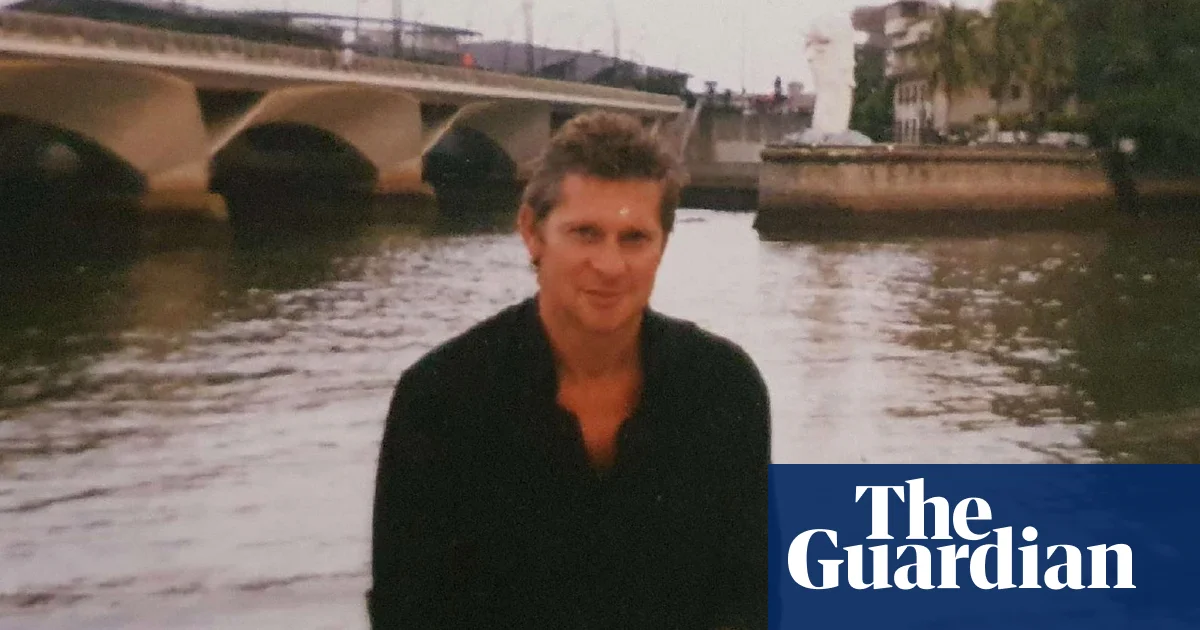
Undercover cop fakes animal rights gun scheme, managers reveal at inquiry

Unfolding Shadows: The Undercover Police Inquiry Exposes Decades of Deception

The undercover policing inquiry in the United Kingdom has unveiled a disturbing pattern of duplicity, manipulation, and questionable operations spanning over four decades. At the heart of the revelations is James Thomson, an officer whose actions have cast long shadows over the legitimacy of covert state surveillance against political activists. The inquiry, which scrutinizes the activities of nearly 140 officers who assumed false identities from 1968 to at least 2010, exposes profound questions about civil liberties, state power, and accountability. As allegations emerge of lies, deceptive relationships, and manipulation, the geopolitical impact of such clandestine operations extends well beyond the UK, calling into question the integrity of governments committed to restricting freedoms in the name of security.

Historians and analysts argue that the deep-seated misuse of undercover tactics destabilizes the societal trust necessary for democratic accountability. The inquiry has revealed that Thomson, tasked with infiltrating activist groups, often fabricated threats and plots—some resulting in dubious arrests or public hysteria. For example, he claimed to have uncovered a plot involving animal rights activists seeking revenge with a gun aimed at a political opponent, a narrative he and his managers later doubted. Internal reports have cast doubt on the credibility of these alleged plots, with one manager explicitly describing the entire affair as “bollocks.” This raises crucial questions about how much of the state’s narrative is built on fabricated intelligence. If such fabrications originate at the highest levels, the implications threaten to undermine the legitimacy of entire cohorts of covert operations, potentially leading to widespread mistrust in law enforcement agencies worldwide.

Beyond the operational doubts, the inquiry has cataloged unethical behaviors, including the systemic manipulation of innocent individuals. Thomson deceived women into intimate relationships, lied about his identity, and even concealed travel and possession of firearms—actions that constitute serious breaches of trust and law. His claims of receiving a gun from contacts in France during the early 2000s, purportedly to prevent a violent plot, were later questioned by colleagues who believed he might have invented or exaggerated the story. Meanwhile, a witness—the activist accompanying Thomson during his alleged trip to France—testified that their week-long stay was nothing more than a holiday. Such revelations underscore how inner secrecy and deception tainted the agency’s role, often blurring the line between intelligence work and personal exploitation, thus eroding the moral authority of the state.

The international repercussions of these revelations resonate globally. Critics argue that covert operations, especially those that manipulate public perceptions or infiltrate civil society, risk creating conflicts both domestically and abroad. As Western governments face increased scrutiny, the danger lies in how such clandestine programs may serve as tools for political suppression or influence operations beyond national borders. The United States, Russia, and other nations with extensive intelligence apparatuses face growing pressure from international watchdogs and human rights organizations who warn that unchecked spying fosters authoritarian tendencies and diminishes global trust in institutions dedicated to safeguarding freedom. The European Union and United Nations continue to debate stricter oversight, but behind closed doors, covert powers remain deeply embedded, reminiscent of Cold War espionage and now driven by new-age fears of terrorism, extremism, and social upheaval.

As history’s pen continues to etch this chapter, the weight of these revelations signals a turning point—a stark warning that state power wielded without accountability risks straying into the abyss of tyranny and abuse. The story of James Thomson and the UK’s secretive undercover operations serves as a stark reminder. How far can the state go in the name of security before it becomes the very enemy it seeks to fight? With the unfolding of these dark secrets, the broader question remains: will the architects of these covert realms acknowledge the harm wrought or double down on secrecy and deception? This chapter in history is far from complete, and as the world watches, the shadows lengthen, casting a long, uncertain future for liberty and transparency.”

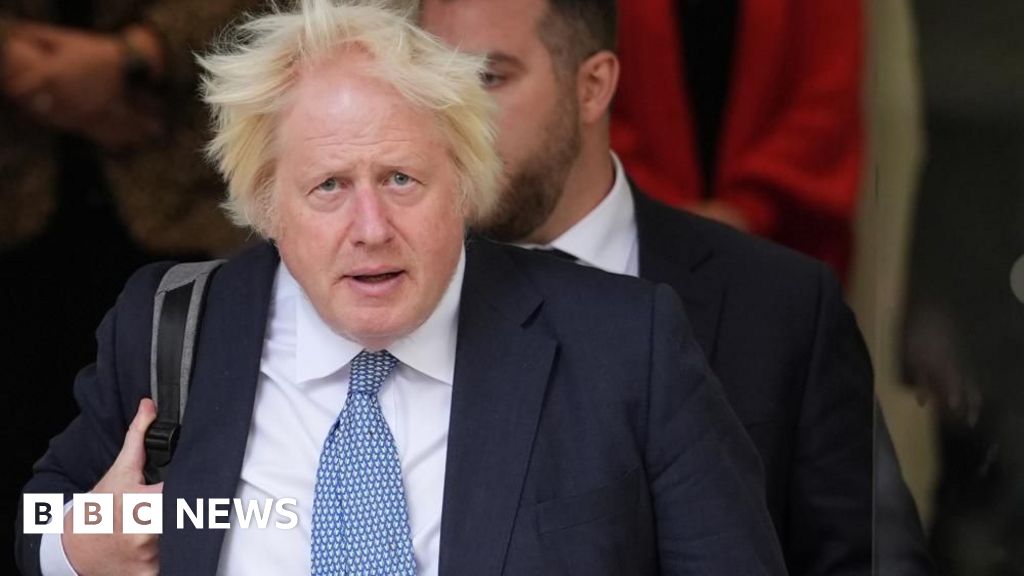
Johnson quickly exits Covid Inquiry amid growing doubts

The Lasting Fractures of Pandemic-Era School Closures on Society

In the wake of the COVID-19 pandemic, the debate over school closures has sharply resurfaced, exposing deep fissures within our communities and raising urgent questions about the social fabric and the future of families, education, and youth. As former Prime Minister Boris Johnson appeared before the Covid Inquiry, his reflections underscored a stark reality: the decision to shutter schools was more than a mere logistical step—it was a social upheaval with enduring effects. Evidence presented during the inquiry illuminated how the closure of schools, often executed without sufficient planning, has contributed to skyrocketing rates of speech and language delays, persistent student absences, and record-breaking suspension and exclusion rates, outcomes that ripple through families and communities.

Decisions Made in Chaos and Their Human Toll

This crisis reveals a worrying landscape of administrative chaos and indecision, with key social institutions failing to protect the most vulnerable. Reports show that as early as February 2020, scientific advisories warned about the potential for mass school closures, yet the Department for Education’s contingency plans rested on an assumption that schools would remain open. Despite this, the government’s inability to develop a comprehensive strategy—exacerbated by political disagreements and conflicting agendas—highlighted a fundamental neglect of the social well-being of children. Sociologist Frank Furedi cautions that such societal disruptions erode the moral fabric of our communities, intensifying the isolation of vulnerable youth and families already grappling with economic and social hardships.

The Impact on Education and the Social Contract

  • Increased demand for speech and language support demonstrates the developmental setbacks faced by children during prolonged absences.
  • The rise in school suspensions and exclusions signals a disturbing shift toward a more punitive approach to discipline—further alienating students and straining the social contract between youth and educational institutions.
  • Persistent absenteeism undermines not just individual futures but threatens the cohesion of local communities, creating a cycle of disengagement and social fragmentation.

In these turbulent times, voices like that of Anne Longfield, former Children’s Commissioner, point to an absence of clear responsibility for safeguarding children’s interests, revealing cracks in the moral leadership that should unify communities. Meanwhile, political rifts and personal conflicts—evident in leaked messages from Boris Johnson and Gavin Williamson—have compounded public distrust and deepened societal polarization. As historian David Starkey suggests, social cohesion depends on trust and responsibility; without it, society risks descending into fragmentation.

Hope Amidst Challenges

Despite these hardships, a resilient spirit of hope persists. Campaign groups like Long Covid Kids and vulnerable families rally outside the corridors of power, reminding society that behind every statistic are human lives. Society’s challenge lies in *rebuilding* a social contract that recognizes the human impacts of policy decisions—one deeply rooted in moral responsibility. As the society grapples with these consequences, the prospect remains that through collective effort, transparency, and compassion, we can repair the fractures inflicted during this crisis. Society’s true strength lies in transforming pain into purpose—restoring faith that schools are not just centers of knowledge but sanctuaries where families, communities, and the future itself can thrive, free from the shadows of past neglect.

Social Media Auto Publish Powered By : XYZScripts.com