Matox News

Truth Over Trends, always!

NSA intercepts foreign intel call on Trump ally, raising concerns for US security

U.S. Intelligence Crisis Sparks International Tensions and Geopolitical Reckoning

The recent revelations surrounding United States intelligence operations have sent shockwaves through the international geopolitical landscape, revealing a complex web of internal conflicts and power struggles that threaten global stability. At the heart of the controversy is a highly classified whistleblower complaint involving President Biden‘s administration and high-ranking officials, with whispers of a covert phone call between individuals connected to foreign intelligence agencies and a figure close to former President Donald Trump. According to insiders, the call was monitored by the National Security Agency (NSA) last spring, and objects of concern include alleged attempts to shield sensitive information from congressional oversight and potential presidential interference. These revelations have not only exposed fissures within the Intelligence Community but also raised questions about the legitimacy and transparency of America’s internal security machinery amidst a rapidly shifting global order.

Experts and historians like Dr. Anne Clark of the International Security Institute warn that this internal turmoil could have profound geopolitical impacts. The revelations indicate a possible erosion of the rule of law in intelligence oversight—a scenario that global allies and adversaries alike are scrutinizing with suspicion. The controversy centers on Director of National Intelligence (DNI) Tulsi Gabbard, who allegedly bypassed routine protocols to conceal the whistleblower’s complaint and directed classified material away from congressional oversight. Critics argue this raises alarms about executive overreach and underscores a pattern of non-compliance with established legal standards. The situation has prompted a chorus of international concern, as nations observing the U.S. grapple with whether internal political motives are compromising global security commitments, thereby undermining America’s credibility as a leader in the fight against terrorism and state-sponsored abuse.

  • On 17 April, a whistleblower surfaced with claims that Gabbard had intentionally delayed and redacted sensitive intelligence documents that could prove pivotal in the unfolding scandal.
  • The whistleblower alleges that long-standing legal obligations to transmit such complaints to Congress were ignored, with delays extending over months and questions surfacing about the true independence of oversight officials.
  • Adding fuel to the fire, Republican lawmakers such as Senator Tom Cotton dismissed the allegations as baseless, emphasizing the importance of legal procedures and national security confidentiality.
  • Meanwhile, Democratic members like Senator Mark Warner accused the intelligence agencies of deliberately burying crucial information, potentially compromising national security and international stability.

As this high-stakes game unfolds, international analysts caution that the damage done within the corridors of U.S. power reverberates across the globe. Many fear a weakened U.S. may no longer be able to project power or uphold their international commitments effectively. With global rivals capitalizing on this internal discord — especially China and Russia — the possibility of exaggerated geopolitical shifts grows, threatening to destabilize already fragile regions. The consensus amongst respected geopolitical thinkers is that this controversy may mark a pivotal moment: a turning point that will define U.S. leadership in the emerging multipolar world or diminish its influence amid growing internal chaos.

As the world watches, the winding course of this internal U.S. saga remains uncertain. The stories of secrecy, deception, and betrayal echo warnings that history’s weight is ever-present, threatening to tip the balance of international peace and security. Will honest transparency restore order, or will these shadows deepen, consigning a once-powerful nation to the ashes of its own making? The pages of history are yet to be written, but the impact of these decisions will be felt for generations—echoes of a nation’s struggle to uphold its principles in the face of chaos and corruption.

Intel gears up to disrupt GPU market from Nvidia’s grip

Intel’s Strategic Shift: Entering the GPU Arena to Challenge Nvidia’s Dominance

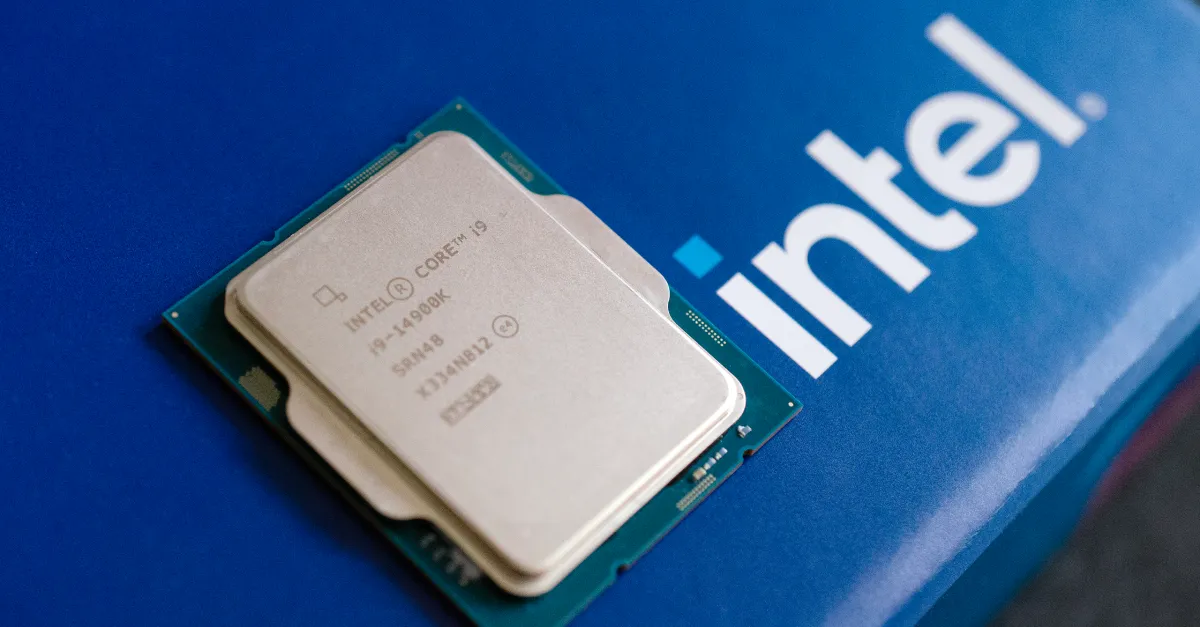
Despite ongoing efforts to streamline its core operations, Intel has announced a bold initiative to develop a new line of graphics processing units (GPUs), signaling a strategic disruption in an industry long dominated by Nvidia. With the leadership of Kevork Kechichian, an industry veteran from Intel’s data center group, the company is aiming to leverage its vast manufacturing capabilities to carve out a significant share in the rapidly evolving AI and gaming markets. This move marks a crucial pivot toward innovation and diversification that could reshape the competitive landscape, forcing incumbents like Nvidia to revisit their market strategies.

The company’s efforts have attracted attention from industry analysts and tech insiders, noting that Intel’s expansion into GPU development is not just a technological upgrade, but a calculated disruption aimed at challenging Nvidia’s market leader position. The hiring of Eric Demmers, formerly a senior VP at Qualcomm with over 13 years in engineering, underscores Intel’s commitment to building a high-caliber team capable of innovating at the chip level. As the project is in its early stages, Intel intends to align its development with customer demands and industry needs, signaling a pragmatic approach rooted in both technological prowess and strategic market positioning.

This move by Intel is more than just a product development milestone; it is a response to industry-wide shifts towards AI acceleration, cloud computing, and high-performance gaming—areas where GPUs are pivotal. While Nvidia’s GPUs have revolutionized AI and machine learning, with their advanced AI systems and market Command, recent market analyses from Gartner illustrate a fragile balance as Nvidia begins to face increased competition.

  • Intel’s entry could intensify market competition
  • Potential to lower prices and accelerate technological innovation
  • Possible reshuffling of market share among semiconductor giants

Historically, Intel has focused primarily on CPUs, but as industry disruptions accelerate, merging CPU and GPU innovations could unlock new business models and revenue streams. Disruptive technologies like integrated processing units and advanced chip architectures are reshaping industry standards—experts from MIT and other leading institutions predict that within the next five years, the semiconductor industry will see unprecedented levels of convergence and innovation. This shift presents both a challenge and an opportunity for Intel—a chance to disrupt established players and redefine the semiconductor landscape.

As the industry stands on the cusp of this technological evolution, the urgency for firms to innovate is paramount. With AI chips and high-performance graphics becoming critical to future tech ecosystems, Intel’s move signals the beginning of a new battleground—one where agility, innovation, and strategic disruption will determine supremacy. The upcoming TechCrunch event in Boston, scheduled for June 2026, will be a pivotal platform to observe Intel’s latest advancements and assess whether its gamble will reshape the future of computing. The race is on, and between the giants, only the most innovative will survive—and thrive—in this fierce new era.

Intel’s Panther Lake Chips Crush Apple’s M5—Game Changer for Young Tech Fans

Intel’s Latest Chips Signal a Disruptive Shift in Computing Power and Industry Dynamics

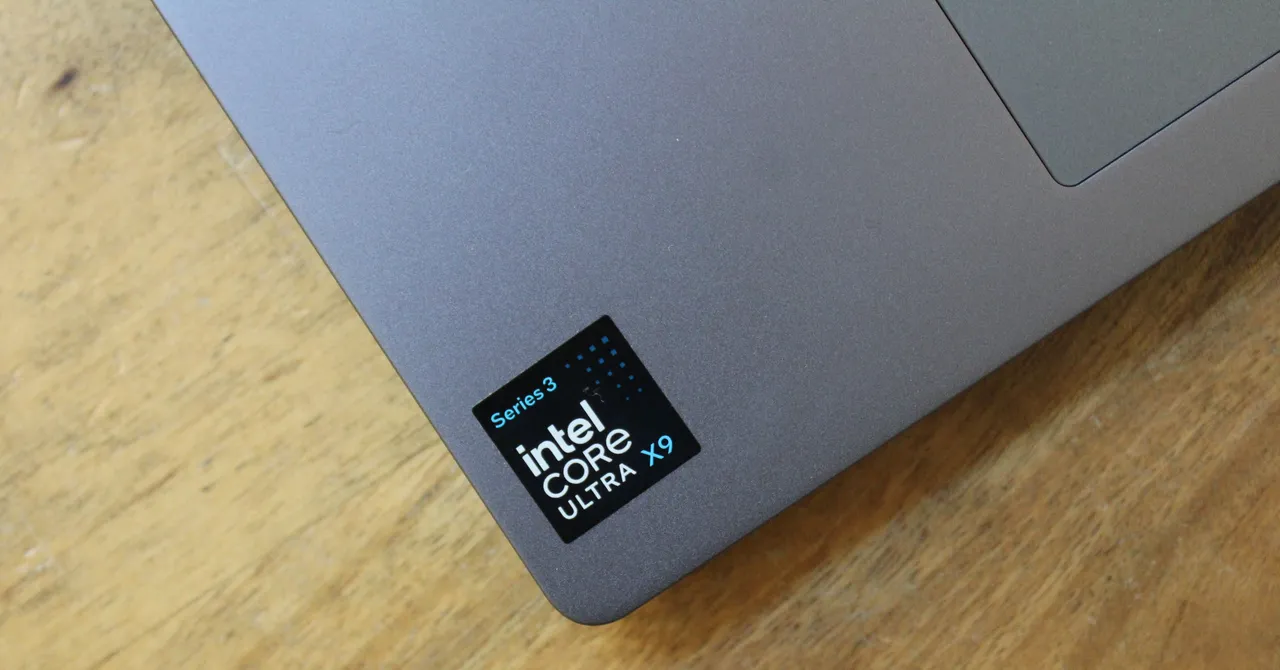
In a remarkable display of hardware innovation, Intel has reasserted itself at the forefront of the tech battlefield with its new generation of chips boasting unprecedented multi-core performance and integrated graphics capabilities. The flagship X9 388H chip, outperforming Apple’s latest M5 by a staggering 33 percent, exemplifies how Intel is strategically disrupting the status quo. This surge is more than a simple technical victory; it signals a potential redefinition of benchmarks in laptop and mobile computing, challenging established industry giants and paving the way for new standards of performance in thin-and-light devices.

Revolutionizing Integrated Graphics and Multi-Core Power

Intel’s Core Ultra 7 258V has delivered a benchmark-defying 52 percent increase in multi-core CPU performance and a 54 percent upgrade in integrated graphics, tested against current-generation competitors such as the M4 MacBook Air. The use of the powerful B390 GPU and 12 Xe cores in the X7 and X9 configurations, with the X9 at the forefront, demonstrates a disruption of traditional discrete GPU reliance—transforming laptops from mere portable tools into powerhouse multi-taskers capable of professional-grade graphics processing.

  • Top-tier multi-core performance surpassing industry expectations
  • Integrated graphics on par with discrete desktop GPUs
  • Significant leaps in AI and video editing capabilities within ultraportables

Analysts from Gartner and industry insiders note that this leap in integrated graphics represents a strategic pivot for Intel, directly challenging the long-held dominance of dedicated desktop GPUs in performance computing. Industry watchers view this as a clear signal that Intel intends to redefine what is possible in portable computing hardware, with implications across gaming, AI inference, and professional content creation sectors.

Market Implications and Industry Disruption

The impact of Intel’s advancements extends beyond mere performance metrics. The industry is witnessing a shifting market dynamic where innovation drives new business models. OEMs are already integrating these chips into ultrathin laptops that balance power with portability, radically shrinking the gap between high-end desktop performance and mobile efficiency. Such innovations threaten to erode the market share of traditional discrete GPU manufacturers, while companies like Apple, AMD, and NVIDIA face a renewed challenge from Intel’s disruptive hardware advances.

Furthermore, this progress demonstrates how disruption in core hardware can accelerate software and ecosystem innovation, prompting developers and businesses to rethink their approach to application design. As noted by industry leaders, the potential for integrating powerful AI operations directly into portable devices could” change the landscape of mobile AI, edge computing, and real-time data processing.

Looking Ahead: A Future Defined by Agility and Power

Intel’s latest chips are not merely an evolution but a revolution in portable computing, an inflection point that demands rapid adaptation from competitors and entrants alike. As Thiel and Musk have historically emphasized, technological progress hinges on relentless innovation and nimbleness. The next phase will see hardware manufacturers pushing these advances further into AI, machine learning, and 5G-enabled computing, making today’s breakthroughs tomorrow’s industry standard. Time is of the essence for competitors who wish to remain relevant in this new era of high-performance, integrated computing.

In conclusion, with such groundbreaking hardware, Intel is signaling a shift that could reshape the entire technology ecosystem—disrupting established players while opening doors for bold new applications. The race for supremacy in integrated, mobile, and AI-powered computing is accelerating, and those who innovate swiftly will lead the charge into a future where hardware and software harness unprecedented levels of power and efficiency.

Intel’s Tick-Tock is Dead: What it Means for Tech and Young Minds

Intel Reinforces Focus on AI and Next-Gen Chip Innovation Amid Industry Disruption

In its Q3 2025 earnings report, Intel marked a critical milestone: its first profit in nearly two years. This turnaround underscores the company’s strategic pivot towards high-margin AI server chips, signaling a significant disruption in the semiconductor landscape. With supply chain shortages expected to peak early next year, Intel CEO Lip-Bu Tan emphasized prioritizing capacities for AI applications over traditional consumer processors. This shift highlights the industry-wide acknowledgment of AI’s transformative potential and demands a rethinking of supply chain strategies to capture emerging market opportunities.

Looking ahead, Intel’s ambitious plans to release new AI GPUs annually follow the footsteps of industry heavyweights Nvidia and AMD, who have already disrupted the traditional product cadence. As Tan revealed, maintaining competitive relevance in AI hardware is crucial, and Intel is positioning itself to meet the surging demand. However, this aggressive schedule raises questions about the company’s ability to balance innovation with supply chain resilience, especially within the context of ongoing component shortages. These decisions could define whether Intel maintains its trajectory toward innovation-led growth or gets sidetracked by supply constraints.

At the core of these developments is Intel’s advanced 17A and 18A process nodes. The company continues to invest heavily in these next-generation manufacturing nodes, promising to power “at least the next three generations” of client and server products. Yet, persistent yield issues at 18A threaten to delay mass adoption; CEO Zinsner admitted yields are “adequate,” but not yet at a level to sustain robust margins. This acknowledgment is a stark reminder that technology disruption in semiconductor manufacturing is not without challenges; the industry’s push for smaller, more powerful nodes is fraught with complex engineering hurdles. The proposed Intel 14A node, potentially crucial for future competitiveness, is now under renewed confidence thanks to customer support, with Zinsner suggesting that it is outperforming initial expectations.

  • Innovation: Intel’s focus on AI hardware and advanced manufacturing
  • Disruption: Industry-wide shift towards AI chip cadence, challenging traditional tick-tock models
  • Business implications: Supply chain realignment, strategic prioritization, and large-scale investment in next-generation nodes
Social Media Auto Publish Powered By : XYZScripts.com