Matox News

Truth Over Trends, always!

Ali Larijani’s death intensifies Iran’s leadership crisis, sparking youth intrigue

Throughout recent decades, Larijani has emerged as a key figure within the Islamic Republic of Iran, representing a potent blend of experience and strategic influence. Recognized by international analysts as one of Iran’s most seasoned policymakers, Larijani’s role extends far beyond domestic politics—his decisions resonate across the geopolitical landscape, shaping outcomes for entire regions and global powers alike. His longstanding presence in Tehran’s corridors of power underscores the importance of individual leadership in navigating the complex web of religious authority, strategic interests, and America’s shifting policies.

Within the context of history, Larijani’s influence has been a critical axis in Iran’s dealings with Western nations, especially amid ongoing conflicts over nuclear proliferation and regional dominance. As Iran continues to advance its nuclear program—despite international sanctions and diplomatic pressure—the calculus made by figures like Larijani carries significant consequences. Many analysts, including those from the International Crisis Group, point out that decisions taken within Iran’s upper echelons could either serve to escalate tensions or open pathways toward diplomatic compromise. His long experience and authoritative voice contribute to Iran’s consistent stance, often resistant to the unconditional concessions favored by Western powers.

Crucially, Larijani’s influence extends into regional geopolitics, notably within the Middle East. With Iran backing proxy groups, engaging in military confrontations, and vying for influence over neighboring countries, the stakes have never been higher. The United States, along with its allies such as Israel and Gulf Cooperation Council states, closely monitor Iran’s diplomatic maneuvers—often framing them as a prelude to broader conflicts. The decisions by Iran’s leadership, including Larijani’s policies, impact the stability of entire nation-states, fueling cycles of violence and resistance that threaten to spiral beyond control.

Recent conversations among international diplomats and scholars reveal a somber consensus: the path toward peace remains narrow, and the weight of history presses heavily upon the shoulders of those guiding Iran’s future. As Larijani’s influence continues to shape Iran’s position on the world stage, the broader implications for global security and regional stability become unavoidable. The ongoing struggle over Iran’s nuclear ambitions, regional alliances, and international diplomacy reflects an epochal moment—one where the decisions taken today will echo through history, long after the voices of current policymakers fade into the shadows of time. The stage has been set, and the world watches with bated breath as the drama of geopolitics unfolds, knowing that the final chapters remain unwritten but profoundly consequential.


UK adds alcohol-free beer to inflation measure—impact on youth wallets intensifies

UK Adjusts its Inflation Calculation in Light of Changing Consumer Trends

In a move that underscores the evolving landscape of consumer behavior and economic measurement, the Office for National Statistics (ONS) in the United Kingdom announced the inclusion of new items in its basket of goods used to calculate inflation metrics. Effective from the upcoming reporting period, alcohol-free beer, hummus, dashboard cameras, and pet grooming services will now be part of the index, reflecting recent shifts in lifestyle and purchasing patterns. This recalibration is not merely about numbers; it encapsulates a broader economic narrative resonating across the global financial landscape.

Historically, inflation calculations serve as economic barometers that influence monetary policy, societal costs, and political stability. The redefinition of the UK’s CPI, RPI, and CPIH—the latter being the government’s preferred measure—signals a recognition that consumer priorities are changing. As the ONS explained, the inclusion of alcohol-free beer was driven by a marked increase in sales and shelf space, illustrating a shift toward healthier lifestyles and moderation. Similarly, the rise in hummus consumption, estimated at around £170 million in expenditure for 2024, highlights the growing demand among health-conscious populations. These figures are not isolated; they influence inflation’s trajectory and, by extension, how economic stability is maintained—or threatened—in the face of rising costs.

Global Feedback: How Are Nations Responding?

The UK’s decision has resonated internationally, with analysts noting that evolving consumer habits—such as the preference for low- and no-alcohol products and healthy snacks—are comparable trends observed across various nations. The shift reflects a broader cultural transformation that impacts not just domestic markets but also international trade and supply chains. The International Monetary Fund (IMF) and World Bank have warned that these changing consumption patterns could dampen traditional inflation indicators, forcing central banks to re-evaluate their policies amid a more complex global economic backdrop.

Moreover, the expansion of data collection methods, including the integration of electronic feedback from retailers to replace labor-intensive in-store checks, exemplifies technological adaptation. The ONS plans to tap into over 300 million price points across more than a billion products each month, signaling a move toward more granular, real-time economic monitoring. Such innovations could potentially recalibrate global inflation measures, emphasizing the importance of accurate, dynamic data in a world where geopolitical events—like conflicts or oil price shocks—have immediate ripple effects.

Geopolitical Impact and Societal Consequences

This recalibration of the UK’s inflation calculations occurs against the backdrop of ongoing geopolitical tensions, with the Iran war and fluctuating oil prices threatening to push inflation upward again. As the Bank of England targets a 2% inflation rate, policymakers are acutely aware that how a nation measures its costs can influence economic resilience, social stability, and international credibility. The broader geopolitical impact extends beyond economic data; it affects everything from household budgets to national security, as countries navigate global supply chain disruptions and energy crises.

As economic analysts like Danni Hewson note, a rise in health-conscious expenditure, pet services, and security measures underscores a society adapting to uncertain times. The decisions of the UK—progressively accounting for these new metrics—set a precedent that could shape international standards, raising questions about how nations will define and confront inflation in an era of rapid cultural and technological change. The unfolding story is a testament to a world where every statistical adjustment, every policy shift, carries a weight far beyond the numbers, echoing into the fabric of societies and the legacy of history itself.

Search intensifies across Mexico in urgent quest for Nancy Guthrie breakthrough

The ongoing search for the 84-year-old mother of U.S. television presenter Savannah Guthrie has entered its third week, drawing widespread media attention and raising concerns over the safety and well-being of vulnerable populations. The case has become emblematic of broader issues related to elder care, community alertness, and the role of international cooperation in protecting at-risk individuals amid rising social fragmentation. While the search remains focused on a single individual, the ripple effects extend far beyond, underscoring the interconnectedness of security, social responsibility, and policy in a rapidly changing world.

Experts in international security and humanitarian response highlight that the case highlights the importance of multinational cooperation and information sharing. Analysts from global institutions such as the United Nations emphasize that, in an era characterized by increased population mobility and transnational challenges, local incidents often have implications that resonate globally. The specificity of this search—an elderly woman potentially lost in complex urban environments—serves as a reminder of ongoing vulnerabilities faced by aging demographics across many nations. As social safety nets are strained and societal structures evolve, the risks faced by the elderly are increasingly becoming a matter of international concern.

The incident also sheds light on how national policies toward elder care and community vigilance influence societal resilience. Critics argue that, in many countries, inadequate funding for healthcare and social services contributes to increased instances of vulnerable individuals going unnoticed or without adequate support. As the world watches this case unfold, it prompts a critical dialogue about the role of governments, community organizations, and international bodies in safeguarding vulnerable populations. According to scholars like Dr. James McCarthy, the crisis underscores the urgency for a unified global framework to address the needs of aging citizens—an initiative that could reshape international health and social policies.

In geopolitical terms, the search for Guthrie’s mother exemplifies how seemingly localized tragedies can influence international perceptions of national stability and social cohesion. Western nations pride themselves on technological innovation and social safety, yet incidents like this starkly reveal foundational gaps. The case also offers a platform for examining the international dimensions of elder care, especially as countries grapple with demographic shifts and economic pressures that threaten to compromise social safety mechanisms. Some analysts warn that if systemic issues remain unaddressed, societies could face a future marked by increased social instability, with elder abandonment and neglect becoming normalized societal issues. The response to this crisis could serve as a microcosm of broader geopolitical resilience or failure.

As the search persists into its third challenging week, the world’s gaze remains fixed on this poignant human story. The uncertainty surrounding the elderly woman’s whereabouts echoes a deeper, more profound question: how nations prioritize and protect their most vulnerable amidst the turbulence of modern geopolitics. The effort to locate her is not only a matter of individual rescue but a stark reminder that history is defined by moments where human compassion intersects with policy and resilience. The outcome of this case—still unwritten—may one day serve as a powerful chapter, illustrating whether societies can rise above their divisions and reaffirm their commitment to caring for all members. Time will tell if this fleeting crisis will spark lasting change or fade into the annals of overlooked tragedies, yet the urgency of the moment persists—an enduring testament to history’s relentless march forward.

Hurricane Melissa intensifies to Category 4, warning Cuba; Jamaica faces severe damage

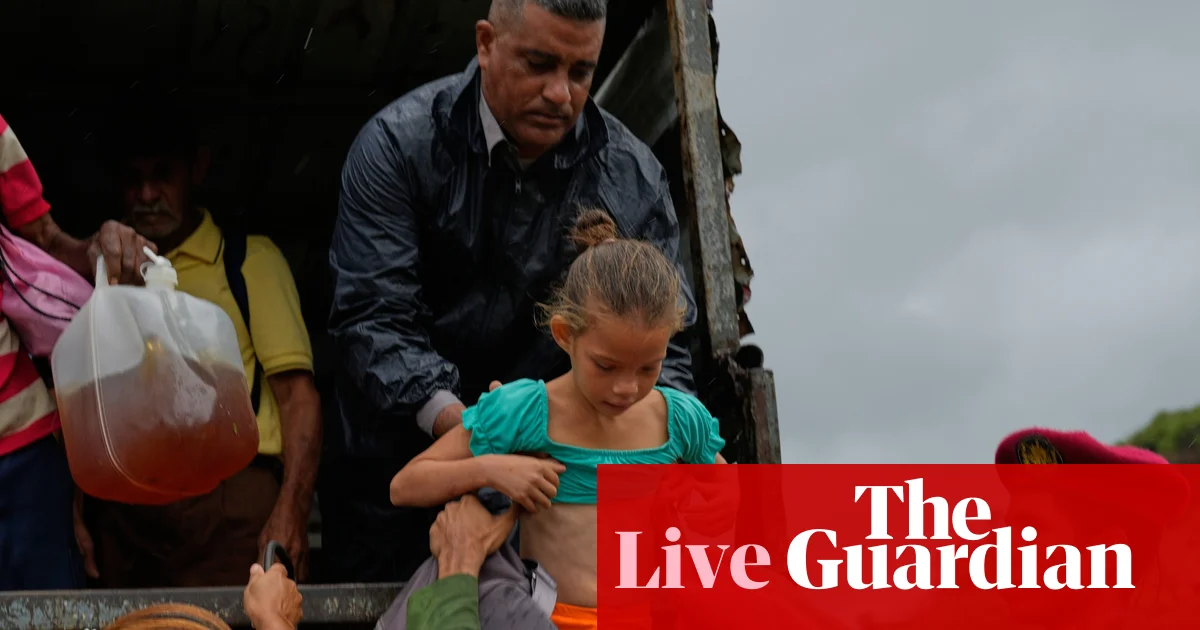
In an era marked by accelerating climate crises, the recent onslaught of Hurricane Melissa has laid bare the intertwined vulnerabilities of geopolitics and natural disasters. Striking the Caribbean with unprecedented strength, Melissa reached record wind speeds as a Category 5 hurricane, the fiercest to make landfall in Jamaica since record-keeping began in 1851. This natural tragedy has triggered a confluence of international aid, local resilience, and geopolitical chess—a stark reminder that when nature unleashes its fury, nations are tested on their capacity to respond and adapt.

At the heart of this catastrophe lies a clear convergence of human-driven climate change and geopolitical response. As the National Hurricane Center reported Melissa’s rapid intensification—upgrading from a Category 3 to a Category 4 storm—climate analysts have pointed to the human cause behind this escalation: the rapidly warming of oceans due to greenhouse gas emissions. This pattern, documented by numerous climate scientists, indicates that the increasing frequency and ferocity of such storms are not merely natural variations but symptoms of a broader planetary crisis. It is *emphatically* evident that the world’s power structures, especially major industrial states, bear responsibility for curbing emissions or facing an existential threat of escalating natural disasters.

Geopolitical dynamics come sharply into focus as the United States, Cuba, Jamaica, and regional allies mobilize resources to cope with Melissa’s destruction. On Air Force One, President Joe Biden declared the U.S. “prepared to aid Jamaica and other affected nations,” signaling a readiness that, while vital, also exemplifies how climate-induced disasters are reshaping alliances and emphasizing the West’s influence over the Caribbean. Meanwhile, Cuba’s President Miguel Díaz-Canel Bermúdez warned of a “very difficult night,” urging citizens to stay in shelters as Hurricane Melissa threatened to deliver an “extremely dangerous” landfall. The 735,000 Jamaicans evacuated their homes, and aid organizations like the Red Cross prepare to deploy, forecasting an impact potentially surpassing previous natural calamities. These responses underscore a geopolitical landscape where climate disasters are no longer isolated incidents but pivotal factors in regional stability and security—how nations react now will define their geopolitical influence and societal resilience for decades.

International organizations and regional governments confront the brutal truth: their capacity to respond is directly linked to geopolitical stability. Experts warn that the hurricane’s rapid intensification is a *turning point*—a reflection of the climate crisis that demands urgent, coordinated global action. The Caribbean’s vulnerability exposes broader geopolitical vulnerabilities—small nations with limited resources face existential threats, while larger powers are tasked with balancing aid, strategic interests, and climate commitments. As some analysts suggest, *the storm’s wrath could serve as a catalyst*, forcing the international community to reckon more seriously with the human costs of climate neglect. In such moments, history is witnessing the emergence of a new geopolitical calculus—climate resilience and multilateral cooperation—at the forefront of global strategy.

Looking ahead, the relentless march of Hurricane Melissa remains a grim harbinger of what’s to come if decisive action is not taken. As the storm prepares for potential landfalls in Cuba and the Bahamas, with winds reaching up to 145 mph, the world must recognize that these natural events are an *urgent call*—to reimagine environmental policies, to fortify resilience, and to confront the geopolitical shifts that such crises accelerate. This storm, destructive yet illuminating, leaves behind a tumultuous legacy—a reminder that, in the grand theatre of history, nature’s fury is a force no nation can afford to ignore. The unfolding chapter of Melissa’s destruction now writes itself into the annals of history, a stark testament to our epoch’s challenges, and a warning that the weight of the future hangs delicately still in the balance.

Israel shuts down Gaza’s last southern route as military offensive intensifies on Gaza City — live updates

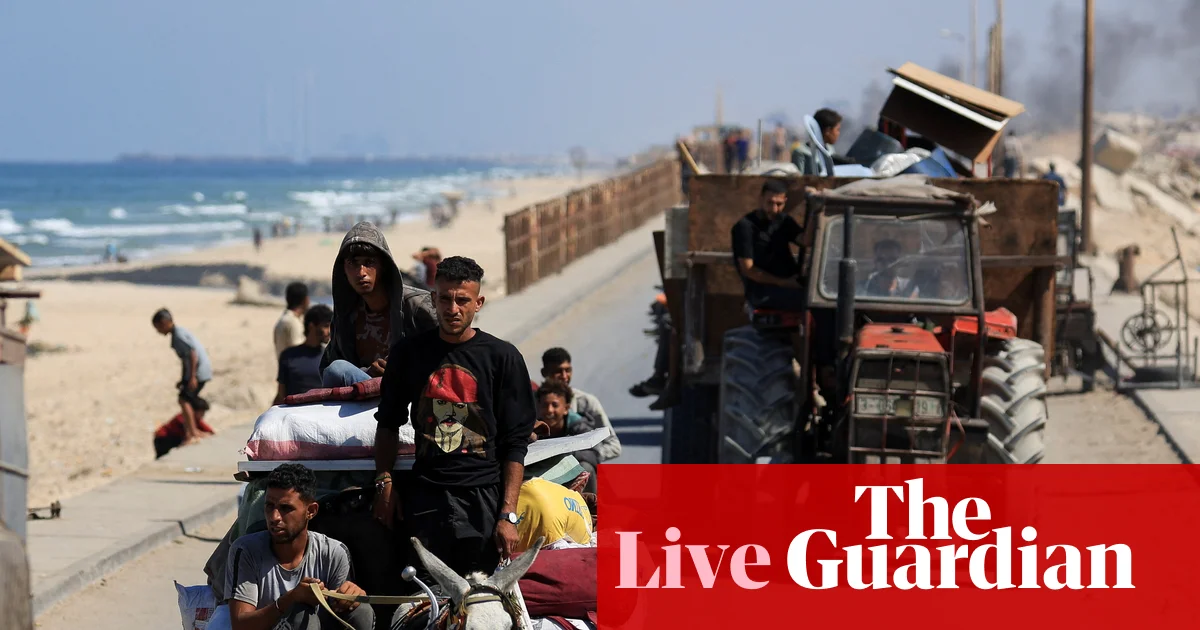
The ongoing Israeli military offensive in Gaza marks a significant escalation in the Middle East crisis, with profound geopolitical impact that threatens regional stability and influences the world’s power dynamics. As Israel moves to cut off access routes from Gaza’s south to north, the humanitarian toll continues to mount, with the UN reporting over a quarter of a million displaced residents in just the past month. The latest military decisions, including the closure of critical transit routes and increased aerial and ground operations, underscore a strategic shift that may shape future Israeli-Palestinian relations for generations.

Simultaneously, Hamas is reviewing a recent plan presented by Donald Trump in Washington, which many view as a pivotal turning point. Israeli and Arab leaders have broadly supported the 20-point proposal, which aims to de-escalate the violence, yet Hamas’s response remains uncertain. Trump has presented an ultimatum, declaring that Hamas has “three or four days” to accept or face severe repercussions. This high-stakes diplomatic maneuvering directly affects not only the immediate conflict but also regional alliances, with many analysts warning that the failure or acceptance of the plan may determine whether the region slides further into chaos or begins a fragile path toward peace.

Globally, reactions to the crisis reveal divisions and strategic calculations. The Australian government, accused of enabling Israel’s military actions through tepid critiques, faces mounting international pressure, with critics asserting that such policies embolden atrocities and undermine international law. On the ground, the human cost is staggering: the Palestinian health ministry reports over 66,000 deaths and hundreds of thousands injured since October 2023, emphasizing the severity of the humanitarian catastrophe. Meanwhile, the recent attack by Yemen’s Houthi rebels on a Dutch-flagged cargo ship, which caused substantial damage and injuries, demonstrates that regional conflicts are intertwining, further destabilizing an already volatile situation.

In the broader global context, the Middle East remains a hotspot of tension, with Iran facing renewed sanctions over its nuclear program, and Yemen becoming a theater of proxy conflict as the Houthis threaten Western interests with their assault on shipping lanes. The Global Sumud Flotilla attempting to break the naval blockade of Gaza reports being threatened and impeded by unidentified vessels, illustrating the high risks and escalating confrontations at sea. This layered and interconnected instability leaves history at a crossroads, with the choices made today echoing into the future of international order, justice, and peace, as the world watches with bated breath—the weight of history still unfolding.

Social Media Auto Publish Powered By : XYZScripts.com