Matox News

Truth Over Trends, always!

Tories pledge to cut student loan interest rates, backing young Britain’s future

Educational Debt and the Strain on Families and Communities

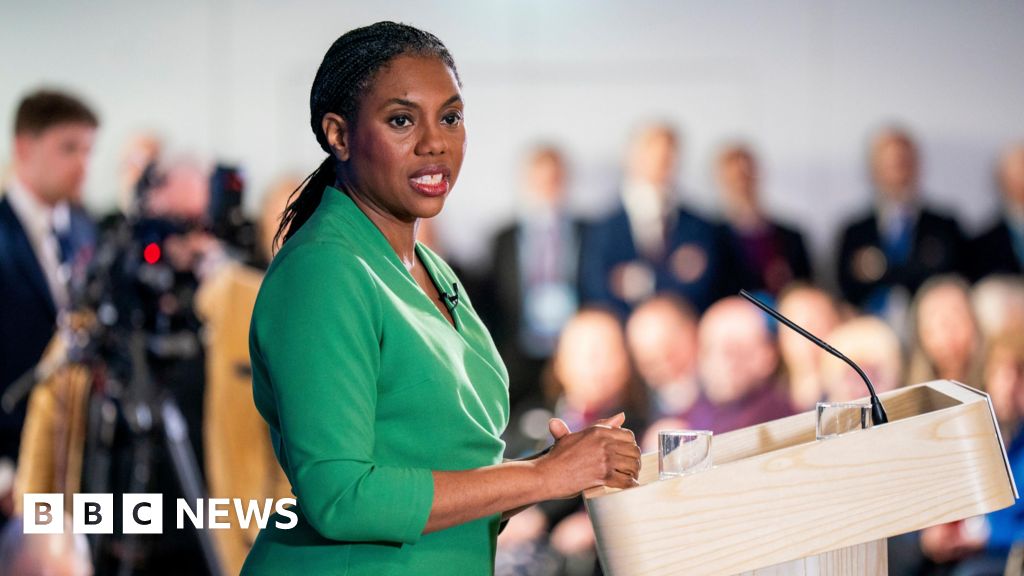
Recent comments by Kemi Badenoch, a prominent political figure, highlight a significant concern shared by many young graduates: the burden of student loans. Badenoch described the feelings of graduates as being “stitched up,” underscoring a pervasive sense of economic disillusionment that threatens to destabilize the social fabric. Her pledge to cut interest charges on Plan 2 loans signals an acknowledgment of the profound impact that rising educational costs have on recent entrants into the workforce. For families in working-class and middle-income communities, student debt often translates into delayed milestones such as homeownership and family formation, extending the cycle of economic hardship.

Shifts in Educational Access and Societal Divide

The escalating costs of higher education serve as a barrier for many aspiring students, especially amid demographic changes and cultural shifts that favor increased diversity but challenge conventional funding models. Sociologists like Dr. David Brooks argue that the increasing reliance on student loans contributes to widening social inequality, as only those from more privileged backgrounds can afford the luxury of higher education without crippling debt. This disparity perpetuates social stratification, making educational attainment less about talent and more about financial capacity. The socio-economic divide risks further fracturing communities, eroding the social cohesion necessary for collective progress.

Educational Reform and the Role of Society

Understanding the social ramifications of debt, some experts advocate reforms aimed at creating a more equitable and accessible system.

  • Implementing more comprehensive public funding for higher education.
  • Introducing income-based repayment schemes that lessen the burden on graduates.
  • Enhancing vocational training and apprenticeships to diversify pathways to economic stability.

By addressing these structural issues, society can foster environments where families are encouraged to thrive without the overshadowing anxiety of debt. Furthermore, institutions must recognize their role in broadening educational access, ensuring that talent and ambition are not stifled by financial barriers. As historian Dr. Margaret MacMillan notes, societal progress hinges upon equitable opportunities that empower all youth to contribute meaningfully to their communities.

Hope Amidst Challenges

While the societal challenges are undeniable, recent political commitments provide a glimmer of hope. Badenoch’s promise to reform student loan policies signifies a step toward restoring fairness in an often inequitable system. Yet, true change demands concerted efforts across all levels of society, from policymakers and educators to families and youth themselves. Initiatives aimed at reducing educational costs, improving employability, and fostering social mobility are essential for nurturing resilient communities. As history has shown—through periods of upheaval and reform—social transformation begins with recognizing shared struggles and united action. The hope remains that future generations will look back on this era not only as a time of hardship but as a turning point—when society chose to invest in its people and, in doing so, redefined its moral foundation.

Rivalry Sparks Youth Interest in Hockey — Is the Game Ready for the Next Generation?

Sports Industry Under the Microscope: Cultural Shifts and Technological Disruption

In a rapidly evolving landscape, the traditional sports industry is experiencing a transformation driven not just by technological innovation, but also by a critical reevaluation of its cultural norms. The NHL, often seen as a bastion of physicality and tradition, is now navigating the turbulent waters of inclusivity, social responsibility, and transparency. This shift is emblematic of a broader disruption rippling across sports, media, and associated industries—pointing toward a future where technology and societal values are increasingly intertwined in defining business success.

The league’s recent partnership with organizations like You Can Play, and the announcement of its upcoming Pride Cup, underscore its attempts to rebrand and redefine what it means to be inclusive. However, beneath the surface lies a debate about performative gestures versus genuine cultural change. Experts like Teresa Fowler and Tim Skuce, who have extensively studied hockey culture, argue that some initiatives remain superficial, masking deeper issues of toxicity and systemic misconduct—highlighted by revelations of hazing practices and mishandling of sensitive matters, such as sexual assault allegations involving Hockey Canada. These scandals threaten to undermine the league’s credibility, forcing a reckoning that could have long-term business repercussions.

Innovation and Disruption: Rethinking Sports Culture and Industry Norms

Amid this cultural upheaval, technology firms and data analytics giants are poised to reshape how sports organizations operate, engage audiences, and promote social values. The integration of advanced data analytics, artificial intelligence, and immersive media experiences—such as virtual reality—are enabling leagues to not only enhance fan engagement but also foster more inclusive environments. As Gartner and MIT researchers highlight, the ability to leverage big data to tackle issues like hazing, discrimination, and mental health is opening new avenues for social responsibility initiatives intertwined with business models.

This technological disruption is reaching beyond grassroots activism into core operational strategies. Player safety, mental health awareness, and inclusivity programs are becoming measurable and transparent, steering sports organizations toward accountability-driven models that appeal to younger, socially conscious audiences. The competition for market share is intensifying, with startups and tech giants vying to deliver innovative solutions that merge social impact with commercial viability.

Business Implications and Future Outlook

The increasing emphasis on social responsibility and cultural authenticity signals a fundamental shift in the business of sport. Legacy brands are under pressure to adapt or risk obsolescence. Companies like Nike and Adidas are already capitalizing on sports-led branding campaigns centered around diversity and inclusion, establishing a new paradigm where authenticity and innovation are key differentiators. Furthermore, as international markets such as Asia and Africa expand their engagement with Western sports leagues, the need for culturally sensitive and disruptive strategies becomes even more critical.

Looking ahead, the intersection of disruptive technology, evolving societal values, and market dynamics heralds an era where sports organizations must act swiftly to harness innovation and address systemic issues transparently. This is no longer merely about entertainment; it is increasingly about forging a brand that resonates with a globally connected, socially aware youth. The urgency is palpable—those who adapt to these seismic shifts will shape the future of entertainment, social influence, and global sports economics. Conversely, failure to innovate and authentically reform risks marginalization in an increasingly competitive, values-driven landscape.

RBA hikes interest rates to 3.85%, tough hit for Aussie mortgage holders

Global Economic Tensions Rise as Reserve Bank of Australia Implements Unexpected Rate Hike

The Reserve Bank of Australia (RBA) has executed a significant monetary policy shift by raising interest rates for the first time in over two years—an move that signals potential turbulence not only within Australia’s economy but across the broader international landscape. The decision, which saw the cash rate target increase from 3.6% to 3.85%, comes amid mounting concerns about persistent inflationary pressures that threaten to destabilize what some analysts previously believed to be a resilient recovery.

This rate hike, announced at the conclusion of a two-day policy meeting, halts the RBA’s previously rapid cycle of rate cuts—three reductions in 2023 alone—marking the end of what was arguably the shortest rate-cutting cycle in the institution’s history. Economists and international observers now analyze it as a *warning* sign: central banks worldwide, faced with surging global inflation, are adjusting their tactics in a manner that could ripple through markets and geopolitical alignments. The immediate impact on Australia’s mortgage sector—an increase of roughly $90 per month for a typical $600,000 loan—might seem marginal, but it portends more profound shifts in consumer confidence and fiscal stability, with potential repercussions for allied economies.

Impact Beyond Borders: A Broader Signal to Global Markets

  • The RBA move arrives amid an international environment of inflationary uncertainty, prompting analysts like those from the International Monetary Fund (IMF) to speculate on whether this signals a broader shift toward tighter monetary policy. Countries such as United States, Europe, and Japan are closely monitoring the Australian precedent, which could influence their own strategies to curb inflation without stifling growth.
  • Historian and economic analyst Dr. Fiona A. Campbell warns that such aggressive rate adjustments risk *derailing* fragile economic recoveries, especially in emerging markets dependent on Australia’s resource exports and financial stability. Her concern echoes the deeper geopolitical reality: decisions taken in Canberra ripple globally, affecting trade, investment, and diplomatic relations.
  • Furthermore, these policy shifts come at a time of evolving international trade tensions and critical debates over sustainable growth, with some nations questioning whether rapid monetary tightening risks inflation suppression at the expense of growth and societal stability.

The Geopolitical Impact and How Nations Will React

The significance of this rate hike extends beyond Australia. It signals a possible *turning point*, where central banks must balance inflation control with geopolitical stability. The shift could tighten global financial conditions, increase borrowing costs elsewhere, and fuel uncertainty in markets like Shanghai, London, and New York. Countries with burgeoning debts or fragile economies may find themselves caught in a rising tide of economic stress, potentially exacerbating geopolitical tensions.

Many international analysts warn that the new monetary posture reflects a broader acknowledgment that global inflationary pressures—fueled by geopolitical conflicts, supply chain disruptions, and volatile energy markets—demand a recalibration of economic policies. As World Bank, OECD, and independent economists debate the trajectory, the risk of over-tightening remains a serious concern, potentially leading to stagflation or social unrest in vulnerable nations.

Conclusion: The Weight of History as the World Watches

With this policy move, the RBA inadvertently embodies a challenging truth of our era: the decisions of a single nation’s central bank ripple through the fabric of global stability, shaping societies and influencing the course of history. As the world grapples with inflation, debt, and geopolitical unrest, the question remains: whose interests will ultimately prevail in this complex dance of economic power?

With the spotlight fixed on Australia and the international community, history continues to unfold—its next chapters written in boardrooms, markets, and the lives of ordinary citizens. The stakes are high, the outcome uncertain, and the world can only watch as the very fabric of global finance is rewoven one rate hike at a time.

Person of interest detained in Brown University shooting, officials confirm

The recent shooting at Brown University in Providence, Rhode Island, has once again cast a dark shadow over the ongoing debate about gun control and safety in the United States. Reportedly, a gunman opened fire within a classroom on Saturday afternoon, leaving two students dead and nine others injured. The incident, which unfolded at the Holley engineering building, shocked a nation already accustomed to tragic acts of violence, but it also raised urgent questions about internal security and mental health policy that many analysts argue are being neglected by policymakers.

The response from local authorities and university officials has been swift. Police detained a suspect shortly after the attack, with Police Chief Oscar Perez confirming that no additional individuals are being sought and that evidence collection is ongoing. While CCTV footage captured a male suspect dressed in black walking away from the scene, officials indicated that the firearm was not recovered immediately, complicating efforts to understand the motives behind the attack. This event underscores a troubling pattern within the U.S., where mass shootings are becoming disturbingly routine. According to experts like Harvard Law Professor Laurence Tribe, the persistence of such violence threatens to undermine the foundations of society—not just in the U.S., but as a cautionary tale to the world.

Internationally, the United Nations and various human rights organizations have lamented the apparent intractability of America’s gun epidemic, often framing it as a product of a “culture of violence” that is amplified by lax regulations. Yet domestic critics argue that the true cause is rooted in a complex mixture of societal decay, partisan politics, and the influential gun lobby, which continues to stymie meaningful reform. How nations like Japan and Australia implemented strict gun laws in the past decade, sharply reducing firearm-related incidents, provides a stark contrast to America’s ongoing struggles. Such differences reveal the geopolitical divide: nations willing to prioritize societal security versus those hamstrung by political inertia and powerful interest groups.

Beyond the immediate tragedy, the incident at Brown University serves as a harbinger of future challenges for U.S. society and global stability. While the authorities work to piece together the motives and evidence, many warn that unless there is a fundamental shift in approach—addressing mental health, gun regulation, and security—similar incidents will continue to scar communities and deepen divisions. Historians and analysts are already warning that this event will be remembered as a pivotal moment: either as the breaking point that prompts reform or as another chapter in the ongoing saga of American violence. As the city of Providence begins its long road to recovery, the question remains: how many more lives must be shattered before significant change is wrought?

Choose the Right Card for Holiday Savings: Cut Interest Costs!

In a significant political development, young Americans are increasingly finding themselves concerned about the rising costs of living and the state of the economy. This was underscored in a recent poll showing that inflation continues to be a top worry for voters, particularly among the youth demographic. Many are expressing dissatisfaction with the current administration’s handling of economic issues, pushing for solutions that prioritize fiscal responsibility and job creation.

Moreover, millennials and Gen Z voters are becoming more politically engaged, driven by issues like student loan debt and rising housing prices. Instead of turning a blind eye, they’re actively discussing potential reforms to improve their financial situations. Many are advocating for policies that support small businesses and promote entrepreneurship, viewing these as viable pathways toward economic empowerment.

Social media has played a pivotal role in shaping political discourse among younger voters. Platforms like TikTok and Instagram have become essential tools for spreading awareness about critical issues, allowing young activists to mobilize quickly and efficiently. This new wave of activism often emphasizes conservative values such as personal accountability and limited government, resonating strongly with younger individuals who value independence.

As the 2024 elections approach, the political landscape will likely be heavily influenced by this active youth segment. Candidates aiming to appeal to these voters will need to adopt strategies that address their specific concerns, focusing on reducing burdensome regulations and fostering job growth. By tapping into the ideals of fiscal prudence and self-sufficiency, candidates can effectively engage the rising generation of voters looking for a brighter economic future.

Credit card interest relief now available through 2024—take advantage!

Big news for credit card users: you can officially avoid paying interest into 2024! This announcement comes as many Americans look for ways to manage their finances more effectively, especially amid rising costs in other areas of daily life. The extended grace period gives cardholders a chance to tackle their balances without the pressure of accruing interest.

For young people who might be navigating their first credit cards, this new development is a golden opportunity. Keeping a close eye on your spending and taking advantage of this interest-free period can help build a solid financial future. It’s all about staying informed and making smart choices—something our generation has to embrace. So, if you’re looking to make the most of your money, now’s the time to take action and strategize how to use this extension to your advantage.

Social Media Auto Publish Powered By : XYZScripts.com