
Matox News

Truth Over Trends, always!

Sydney Cops Charge Four Men Over Alleged International Child Abuse Scandal

The recent apprehension of four Australians accused of operating a satanic child sexual abuse material ring in Sydney highlights a disturbing chapter in the ongoing battle against transnational crime and the dark web. With law enforcement executing multiple searches across key locations—such as Waterloo, Ultimo, and Malabar—this case underscores the brutal reality of how illegal networks exploit technological vulnerabilities and societal silence. The Australian authorities’ swift action, including the arrest of individuals like Landon Germanotta-Mills and others, reflects a growing international consensus on the importance of crackdowns on child exploitation, even amidst battles against free speech and digital privacy rights.

According to NSW Police, Germanotta-Mills, who claims to be the founder of the independent news platform The Underground Media Network, is alleged to have played a leading role in distributing and facilitating child abuse materials, some with satanic and ritualistic themes. His platform, which articulates a mission to “expose institutional abuse,” appears paradoxical in light of his alleged activities—highlighting a recurring theme where online spaces ostensibly dedicated to justice become tangled in the very issues they oppose. International analysts warn that such cases could set distressing precedents, enabling criminal networks to manipulate the perception of legitimacy and undermine public trust in advocacy outlets. This case further illuminates the intersection of digital activism and clandestine operations, testing the resilience of societal morals and law enforcement’s capacity to adapt to rapid technological shifts.

Elsewhere in Australia, three additional men—Benjamin Raymond Drysdale, Mark Andrew Sendecky, and Stuart Woods Riches—faced court proceedings, with bail requests denied in each case. Their alleged involvement spans accessing, possessing, and disseminating child abuse and bestiality materials. The breadth of charges indicates a concerted effort by authorities to dismantle elements of this network, but the deeper warnings resonate beyond mere criminal prosecution. Many international human rights bodies and security analysts argue that such cases expose vulnerabilities in global digital infrastructure and legal frameworks, urging nations to reinforce their protections against these heinous crimes. The international community remains watchful—some experts speculating that these revelations could stimulate a broader multilateral effort or, conversely, incite resistance from those attempting to thwart law enforcement’s reach.

This disturbing episode exemplifies a larger geopolitical landscape where nations grapple with how to balance freedom of speech against the need for security. The impact on societal trust, particularly among youth, is profound; as the internet becomes more accessible, so do the risks of exploitation. Critics argue that overly broad or vague legislation may threaten civil liberties, yet the global push to clamp down on child exploitation remains firm. As noted by international security agencies and renowned historians of digital rights, the outcome of these cases may well influence future policies—either strengthening resilience or unleashing unintended consequences that could embolden underground networks.

In the shadowed corridors of this ongoing war against corruption and decay, the weight of decision-making presses heavily upon global and national leaders. History records that the battle against evil disguised as activism often tests the very fabric of society. Today’s crackdowns could set decisive precedents, but tomorrow remains unwritten. As the world watches, the unfolding story of justice, morality, and international cooperation continues—a stark reminder that the fight for innocence, truth, and human dignity is far from over. In the silence that follows, history’s pen waits—recording a chapter where darkness was challenged, and hope endured against all odds.
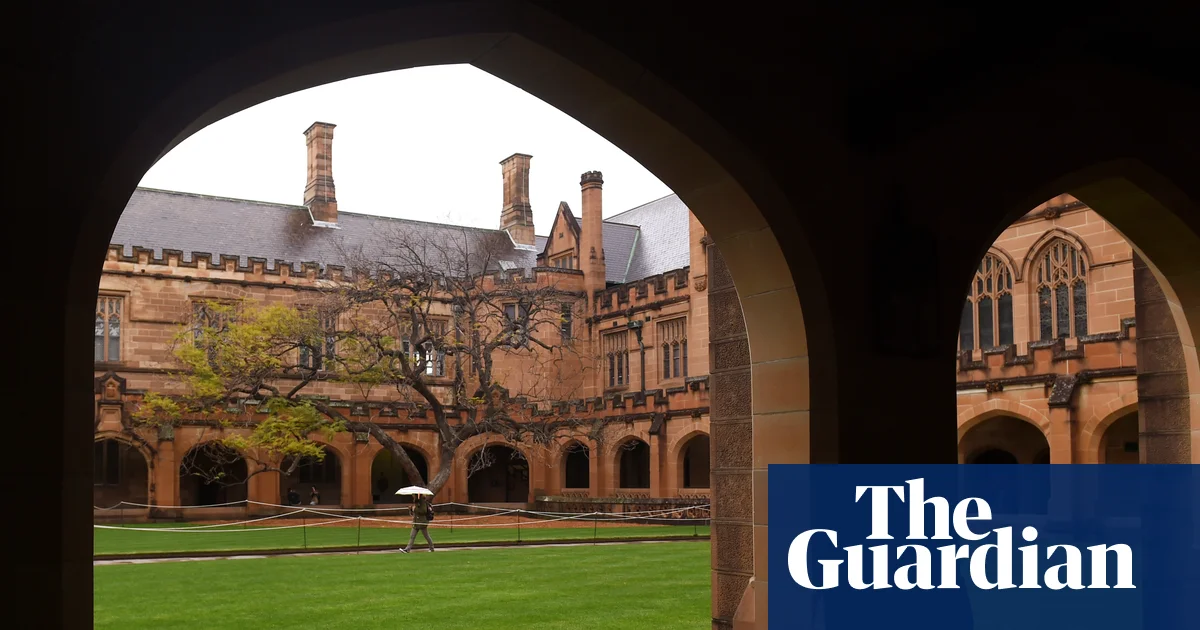
University of Sydney Blocks International Student Enrollment Increase for Next Year

In a clear reflection of shifting geopolitical priorities and internal policy struggles, Australia has announced it will not expand its international student intake for the year 2026. Despite its reputation as a global educational hub, the country’s plan to allocate 295,000 new places, after the failed attempt to impose a cap at 270,000, now signals a calculated move amidst mounting internal debates and international competition. This decision highlights a strategic recalibration—one that navigates the complex intersection of economic benefits, domestic social pressures, and international influence.

Notably, the University of Sydney, which retains the title of Australia’s leading institution for international students with 11,900 enrolments, was bypassed in the allocation process, receiving no additional places. The government’s reasoning underscores the importance of market diversification, assessing universities on their engagement with South-East Asia—a region of rising geopolitical significance. The emphasis on regional focus aligns with Australia’s broader goal of bolstering its influence amid the escalating strategic rivalry with China, India, and other emerging powers. Analysts warn that this tightened control could serve to channel international educational efforts towards more “trustworthy” alliances, effectively politicizing the sector as part of a larger diplomatic chess game.

International organizations and independent analysts continue to scrutinize the broader implications. Many point out that the controversy surrounding international students is more than academic—it’s a proxy for national identity, sovereignty, and economic sovereignty. Critics argue that the narrative linking international students to housing pressures is often exaggerated, with some studies indicating negligible impact on rental markets. Nevertheless, the government has responded by promising incentives for universities investing in student accommodation, signaling a shift towards embedding security and control in Australia’s educational diplomacy. This approach mirrors a wider global trend—nations consolidating borders and influence in response to an increasingly unpredictable international environment.

Such moves ripple well beyond the classroom. Monash University and regional institutions like Charles Sturt and Federation University are now seen as part of a broader strategy to foster regional resilience and resourceful adaptation. As the international landscape shifts, the impact on global influence and societal cohesion becomes more pronounced—shaping perceptions of national strength and cultural identity. According to prominent historians and policy analysts, these policies could be viewed as attempts to orchestrate a narrative of resilience amid the chaos, but they also risk entrenching divisions and fueling international tensions.

As Australia forges ahead, the stakes remain high. The decision not to expand international student numbers is a reflection of a wider, more pressing reality: the global order is in flux, and nations must redefine their roles on the world stage. As history continues to unfold, the coming years will reveal whether these calculated moves will fortify Australia’s position or deepen its vulnerabilities. In a world where educational diplomacy is increasingly intertwined with geopolitical strategy, the narrative remains unwritten—one where the weight of history presses heavily upon the decisions made today, shaping the future for generations to come.

Trump warns of 100% tariffs on foreign films, challenging international Hollywood influence

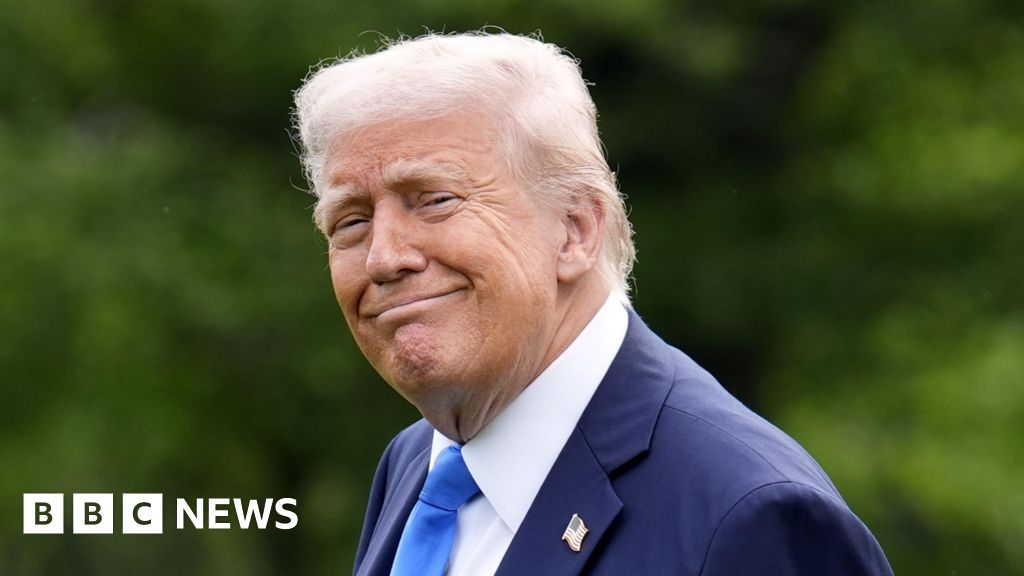
In an increasingly protectionist global landscape, President Donald Trump has once again raised eyebrows with his vocal threat to impose a 100% tariff on all films not produced within the United States. Citing what he claims to be a long-standing loss of national cultural dominance, Trump asserts that the American film industry has been “stolen” by foreign nations, particularly criticizing California’s leadership as inefficient in protecting this industry. His plan, announced amid a broader wave of tariffs on pharmaceuticals and household goods, exemplifies an aggressive posture aimed at revitalizing American cultural exports but raises complex questions about the international repercussions of such protectionism.

Analysts and industry insiders doubt the feasibility and effectiveness of Trump’s proposal. Dan Coatsworth, an investment analyst at AJ Bell, pointed out that tariffs traditionally target tangible goods, complicating their application to creative content such as movies and streaming shows. Furthermore, many filmmakers already opt to shoot abroad for economic reasons, taking advantage of attractive tax incentives in countries like Canada, Australia, and New Zealand. According to industry research firm ProdPro, although the U.S. remains a major global production hub with a last year’s spending of approximately $14.54 billion, this figure has declined by 26% since 2022, signaling a shift in the center of film production power.

This looming threat of tariffs has significant geopolitical consequences. If implemented, it could trigger retaliatory measures from other nations eager to protect their own burgeoning film industries, turning the global entertainment landscape into a contested arena akin to classic trade wars. China, India, and European countries, which are investing heavily in domestic creators, could leverage cultural policies to safeguard their markets. The World Trade Organization (WTO) might become a forum for diplomatic clashes if the U.S. attempts to enforce such tariffs, forcing a reevaluation of international trade agreements that have traditionally prioritized free exchange of cultural and economic goods.

The decision also raises serious questions about how such measures would impact societal perceptions and the spread of cultural values. Many fear that a purely American-made film industry might foster insularity, limiting global narratives to a Western-centric perspective. Yet, *some officials and analysts* argue that this move could energize the U.S. cultural sector by prioritizing domestic content and fostering a renewed sense of national identity. Historically, this debate echoes past trade disputes and cultural policies where the balance between protectionism and open market exchange significantly shaped international relations. As history reminds us, revolutionary shifts often come with unintended consequences—whether economic, cultural, or geopolitical.

As the world watches, the weight of history hangs heavy in the balance. Will the United States pivot toward cultural nationalism with tariffs that threaten to reshape Hollywood and global entertainment, or will economic pragmatism prevail? The answers lie beyond trade figures and industry reports—embedded in the unfolding narrative of a nation seeking to redefine its cultural sovereignty amidst the turbulence of international diplomacy. In this saga, the ultimate outcome remains uncertain, a reminder that decisions taken now will echo through the corridors of history, impacting societies, economies, and the cultural fabric of nations for generations to come.

Social Media Auto Publish Powered By : XYZScripts.com



