
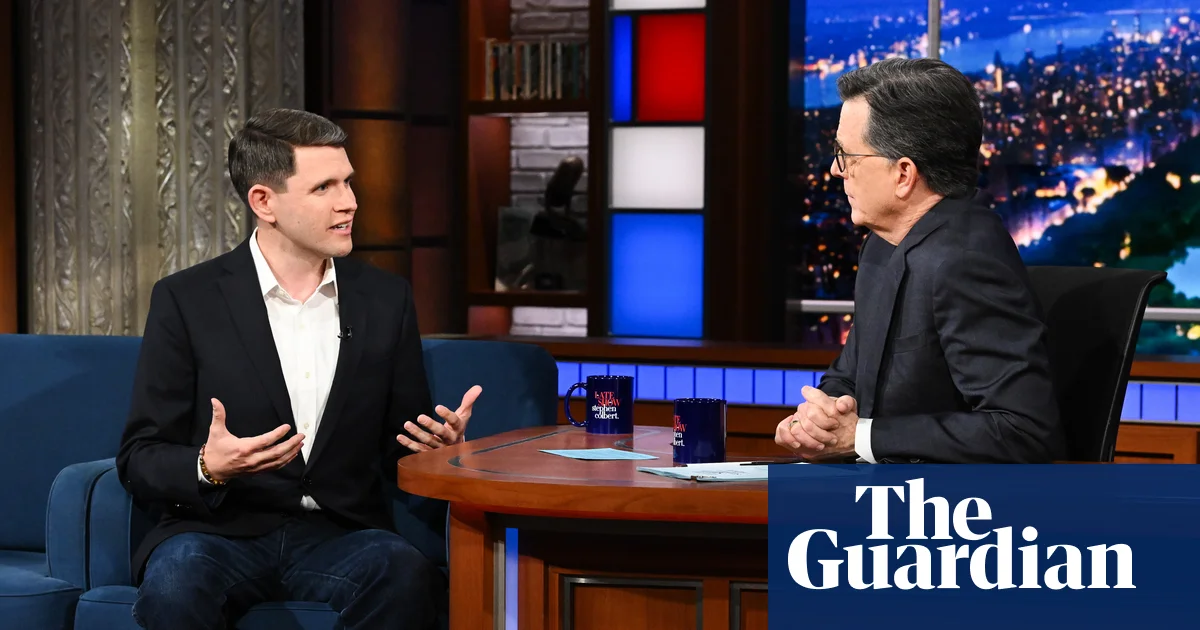

In a move reflecting the intensifying intersection of media control and domestic geopolitical strategies, the US Senate has launched an investigation into alleged censorship practices by the Federal Communications Commission (FCC) and Paramount. At the heart of the controversy lies the sudden suppression of an interview with Texas Democratic candidate James Talarico, which has sparked widespread debate over freedom of speech and political bias. Democratic Senator Richard Blumenthal, leading the inquiry, claims that the FCC’s actions and corporate pressures are part of a broader effort to shield the Trump administration and Republican interests from critical scrutiny. Such accusations underscore how the battle over information is sharply aligned with stark geopolitical struggles, both domestically and internationally.
This controversy is not isolated. It comes amid a climate of heightened censorship and media manipulation that analysts warn has become a form of soft geopolitical warfare. Paramount’s ongoing bid to acquire Warner Brothers Discovery—a monumental $108 billion deal—appears to be intertwined with internal manipulations and external political pressures. Critics assert that such corporate maneuvers could serve as tools to influence, or even silence, dissenting voices ahead of critical industry consolidations that will shape media narratives for years to come. Meanwhile, the appointment of Bari Weiss as CBS News editor by Paramount’s CEO and the subsequent politicized decisions—such as pulling controversial segments—highlight how media outlets are increasingly subject to political sways, often at the expense of journalistic integrity. These shifts threaten to undermine public trust and distort international perceptions amid a web of competing narratives.
From an international perspective, the US’s internal media battles resonate globally, illustrating the use of information as a geopolitical weapon. As analysts note, the EU, China, and Russia are closely watching such developments, understanding that control over narratives significantly impacts diplomatic relations and regional stability. The influence exerted on domestic media extends outward, affecting how world events are portrayed and understood. The ongoing investigation, centered on accusations of partisan censorship, emphasizes how even established democracies are wrestling with the erosion of free speech under the guise of political expediency. It also raises questions about the true nature of influence and power in the digital age: who controls the narrative, and at what cost to societal cohesion?
As history continues to unfold, the evolving conflict over free speech, corporate influence, and political power signals a dangerous shift. The fate of mainstream media and democratic accountability hangs in the balance, with each revelation fanning fears of an emerging censorship regime cloaked in the guise of legal or institutional necessity. The coming months promise a deeper probe into the depths of this crisis—one that will determine not only the future of U.S. society but also serve as a cautionary tale for democracies worldwide. As the echoes of this unfolding story resound through halls of power and corridors of global influence, the question remains: what sacrifices are nations willing to make in the relentless pursuit of control over history’s narrative?




