Matox News

Truth Over Trends, always!

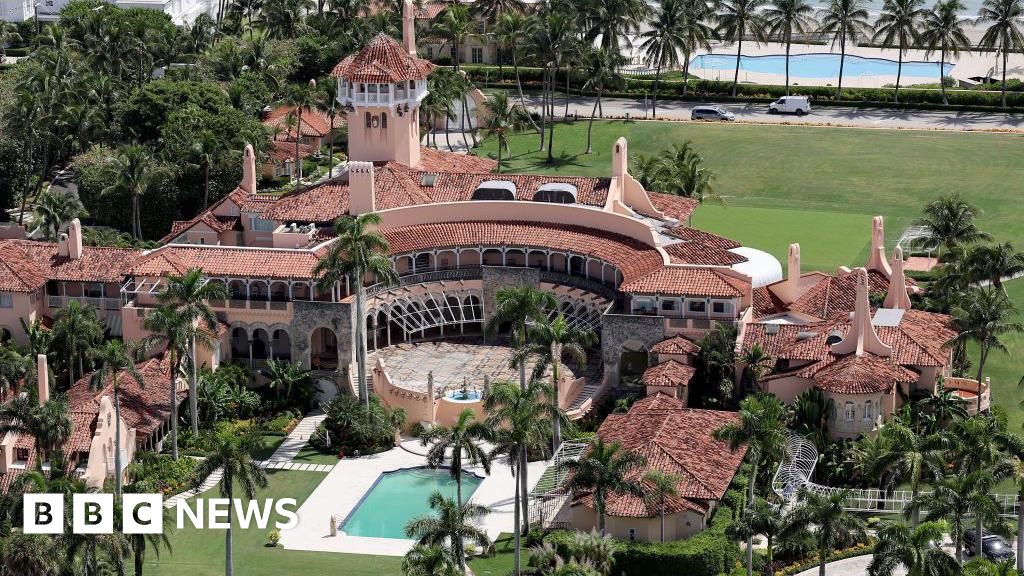
Intruder shot after breaching Mar-a-Lago security, Secret Service confirms

Sudden Violence in Butler Shakes U.S. Political Landscape

The summer of 2024 will be remembered as a pivotal moment in American history, marked by a shocking act of violence targeting former President Donald Trump. On a routine day in July, as he engaged with supporters in Butler, Pennsylvania, an unexpected and tragic event unfolded. A gunman, identified as 20-year-old Matthew Crooks, opened fire, striking Trump in the ear and causing chaos among the gathered crowds. This assault resulted not only in injuries but also in the loss of life, with one bystander killed and two others wounded. The rapid response by security forces, who promptly shot and killed Crooks, prevented further bloodshed, but the incident has ignited both national and international debate about the state of political violence in the United States.

This act of violence underscores tensions that have continued to escalate in the American political arena, reflecting a broader ideological divide that has been inflamed over recent years. Analysts and international commentators warn that such incidents threaten the stability of democratic institutions and portend a future where political violence might become more commonplace. The implications extend beyond US borders, casting a shadow over the global image of America as a beacon of democracy. The ripple effects of this attack could influence international relations, security policies, and the perception of American political resilience, especially as global powers observe how internal strife affects their ideological rivals.

The motivations behind Crooks’ attack remain unknown, but the incident has sparked urgent questions about security protocols, mental health, and the rise of extremist sentiments within the US. Historians and security analysts are already drawing parallels with past political violence, warning that such events might become catalysts for more profound societal upheaval. International organizations such as the United Nations have called for internal stability and a crackdown on extremist narratives that facilitate such violence, emphasizing the risk of deterioration in democratic norms.

From a geopolitical perspective, this violence poses a threat to domestic stability—a core foundation of a nation’s standing in the world. The deliberate targeting of a prominent political figure like Trump exposes vulnerabilities in US security and highlights the need for an urgent reassessment of how political hostility manifests physically. Leaders worldwide observe with concern, knowing that unchecked internal conflict fuels instability, weakening America’s ability to project power and influence globally. As the nation mourns, the question remains: how will this tragedy shape future political discourse and policy in the United States?

History has often recorded moments where a single act of violence ignited broader societal shifts—sometimes for better, sometimes with devastating consequences. As the United States grapples with what this attack signifies, the world watches closely. The harrowing question lingers: will this event fracture the fragile fabric of American democracy or serve as a wake-up call to reinforce its foundations? In the unfolding chapters of history, the answer remains uncertain, yet undeniable: the weight of this moment will linger in the collective memory, reminding us all that the future of nations often hinges on how they confront their darkest hours.


K-Pop Star Nana Defends Home from Intruder, Showing True Strength

South Korea’s Domestic Security Crisis: More Than Just a Celebrity Incident

The recent incident involving South Korean singer and actress Nana (Im Jin-ah), who famously rose to fame with the K-pop girl group After School, highlights a troubling trend within the country’s internal security landscape. According to local media reports, Nana and her mother successfully subdued an intruder in their residence, preventing what could have been a tragic outcome. The assailant, reportedly armed and demanding money, was detained on charges of aggravated robbery. This violent breach, occurring in the relatively peaceful city of Guri, underscores a broader issue: the erosion of safety and order even in jurisdictions generally considered safe. Such events raise questions about the stability of societal trust, and the effectiveness of local law enforcement strategies amid rising concerns about public security.

Implications for South Korea’s Internal Stability and International Reputation

This incident’s significance transcends the personal victory of Nana and her mother; it signals potential cracks in South Korea‘s societal fabric. As one of Asia’s most technologically advanced and economically vibrant nations, South Korea has historically maintained a reputation for impressive public order and security. However, the growing prevalence of such violent home invasions, bolstered by the global rise in cyber and real-world crimes, poses a challenge to that image. International analysts, such as those from the Heritage Foundation and the Asian Development Bank, warn that rising criminal activity could diminish confidence in Korea’s social cohesion. Ultimately, this could impact foreign investment, tourism, and diplomatic relations — especially as the world watches how well this dynamic society manages internal turbulence.

Global Patterns and the Shift in Security Paradigms

Experts like historian Samuel Huntington caution that the stability of a nation is often tested by its ability to adapt to rapid social and technological change. In the context of South Korea, the incident involving Nana echoes broader regional concerns, as neighboring Japan and China navigate their own domestic stability amid economic shifts and geopolitical tensions. The incident also underlines the importance of international cooperation on law enforcement and security matters, especially given the transnational nature of crime today. As global institutions like the United Nations emphasize, coordinated efforts are essential in combatting the rise of organized crime and ensuring that law and order are preserved without sacrificing individual freedoms.

In this unfolding narrative, the safety of a single celebrity becomes a microcosm for larger societal vulnerabilities. The security of families, the integrity of the rule of law, and the resilience of social cohesion are stakes that extend well beyond South Korea’s borders. As history continues to unfold, nations worldwide must grapple with the challenge of balancing progress with the imperative to maintain order. For now, the world watches as this story — like many others — remains a reminder that, in a rapidly shifting geopolitical landscape, the true battleground is often within the very fabric of society itself.

Social Media Auto Publish Powered By : XYZScripts.com