Matox News

Truth Over Trends, always!

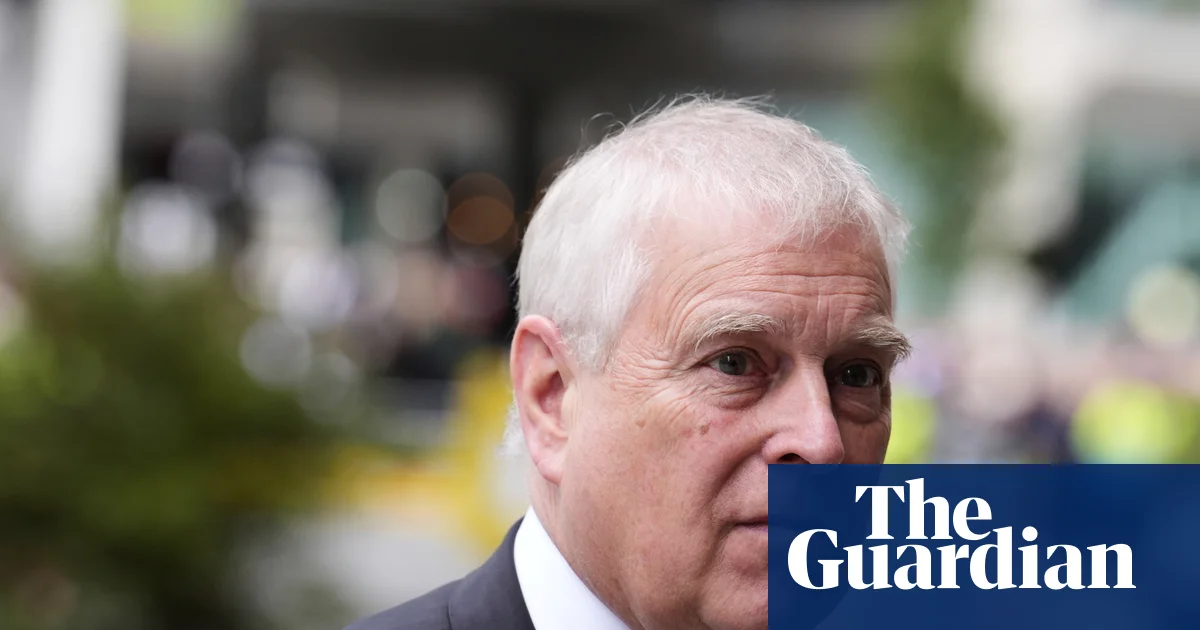
Police urged to investigate: Will Prince Andrew face questions over Epstein ties?

The unfolding revelations surrounding Prince Andrew and his alleged connections to Jeffrey Epstein have ignited a firestorm across international political landscapes, revealing the darker underbelly of elites and the far-reaching geopolitical impact of scandal and secrecy. As investigations intensify, questions about How deep character and institutional complicity run threaten to redefine perceptions of royal authority, diplomacy, and Britain’s global standing. Academic analysts and organizations like Interpol and Amnesty International warn that such exposures could undermine *public trust* in both monarchy and democratic institutions—a formidable challenge for nations that value transparency but are reluctant to confront their shadows.

The UK is at a pivotal crossroads. Growing pressure from lawmakers, international partners, and victim advocacy groups compels a reconsideration of longstanding narratives surrounding the royal family’s immunity. Evidence uncovered by investigative journalists suggests links between Mountbatten-Windsor and clandestine flight operations through UK airports, allegedly involving vulnerable women transferred via private planes owned by Epstein. Former Victims’ Commissioner Vera Baird emphasized that *the police must pursue these leads vigorously*, warning that *political inaction or institutional cover-ups* could fatally erode **faith in democratic systems**. The repercussions extend beyond Britain, affecting alliances with Commonwealth nations and influencing perceptions of Western governance on the world stage.

This scandal also strikes a blow to the monarchy. During a week marked by intense scrutiny, King Charles and his courtiers publicly declared a *“profound concern”* while asserting their willingness to cooperate with law enforcement. Yet, critics—including human rights advocates and anti-monarchy activists—highlight that *the royal family’s historical distance from accountability* complicates efforts for justice. As multiple emails and photographs come to light, depicting Prince Andrew in compromising situations, experts warn that *the very institutions that once shielded royal misconduct are now under siege*. The question of whether elite privilege can withstand the weight of these allegations remains an open, and unsettling, one.

Meanwhile, international organizations warn that this scandal illustrates the **new geopolitical terrain**, where *private wealth, power, and influence are intertwined with criminal activities*. The情况 shows how *transnational networks* operate under the veneer of diplomatic missions and global business, with China and Hong Kong among critical nodes in Epstein’s complex web—an area now being scrutinized for possible foreign influence and corruption. Historian Dr. Thomas Gray notes that *these scandals highlight the erosion of soft power* when elites abuse their positions, marking a dangerous turning point where diplomatic relations could falter. As investigations broaden, the world watches, awaiting the verdict that might reconfigure international diplomacy and the very narrative of justice itself.

As the pages of history continue to turn, the weight of these revelations lingers—an ominous reminder that *the truth often emerges from the shadows in moments of crisis*. The ongoing inquiry into Prince Andrew’s dealings, and those linked to Epstein, becomes more than a tale of individual misconduct; it is an unfolding saga that questions the integrity of power structures, the resilience of accountability, and the destiny of societies at their crossroads. Will this be a turning point—a moment to confront the shadows and forge a new path toward justice? Or will it fade into the silence of history’s forgotten corridors, as the forces of privilege and denial attempt to preserve their legacy? Only time will tell, but the future remains unwritten, and the echoes of these events will undoubtedly resound for generations to come.


Police Investigate New Allegation Linking Andrew Mountbatten-Windsor to Epstein

In what continues to be a defining chapter for the British royal family, fresh allegations connecting Prince Andrew to Jeffrey Epstein’s nefarious activities threaten the very fabric of the monarchy’s credibility. As British police scrutinize claims that Epstein facilitated sexual encounters with the former prince—a revelation that surfaced amid the release of classified US Department of Justice documents—the international community watches with a mix of skepticism and concern. The recent move of Prince Andrew out of the Royal Lodge to a temporary residence on the Sandringham Estate underscores internal royal turmoil and a diminishing reputation that impacts global perceptions of Britain’s aristocracy. Such disclosures, amplified through leaked emails and photographs, spotlight the broader uprising of criminal investigations into elite power and the potential for scandal to ripple beyond national borders.

  • Allegations suggest Epstein’s operatives, including Jeffrey Epstein himself, may have trafficked women, including a woman claiming she was taken to Windsor in 2010 for sex with Prince Andrew.
  • US documents reveal disturbing correspondence and photographs linking the royal to Epstein’s circles, raising questions about the extent of royal-corporate-elite collusions.
  • While Thames Valley Police assess the allegations, critics argue that in the face of formidable international scrutiny, the royal family’s reputation is irrevocably compromised, threatening the UK’s political and social stability.

Historically, Britain’s monarchy has wielded soft power, symbolizing stability and tradition. Yet, these recent revelations threaten to fracture that narrative, inviting international skepticism about the accountability of the aristocracy. Many analysts suggest that, in an era driven by transparency and social justice, the royal family’s staunch secrecy only fuels suspicion. The United States has intensified its investigations, releasing over 3 million Epstein-related documents hinting at clandestine networks tying corporate, political, and high-society figures together. The release includes email references to Mountbatten-Windsor and his ex-wife, Sarah Ferguson, revealing continued contact with Epstein immediately after his 2010 house arrest—undermining official denials of involvement. Such evidence stokes fears that even the most established institutions may harbor complicity in the face of unchecked power.

As the international community grapples with the implications, voices within the UK and beyond warn of broader geopolitical fallout. The scandals threaten to weaken the soft diplomatic influence traditionally associated with the monarchy and raise questions about the unchecked freedoms of a class that often operates beyond scrutiny. As historian Dr. Gerald Matthews notes, “The royal family’s survival increasingly depends on its ability to adapt to the demands of accountability—failures here could usher in decades of decline.” Meanwhile, British lawmakers face mounting pressure to reevaluate the monarchy’s role amidst accusations of complicity and cover-up. Still, the defining fate of this scandal remains unresolved, casting a shadow over Britain’s image on the world stage. Will this be a turning point or merely another chapter in a long, tangled history of aristocratic excess? The answer may well determine the future trajectory of Britain’s place in an ever-changing international order.

As history continues to unfold, the weight of unresolved charges, leaked evidence, and shifting allegiances stands as a stark reminder that no institution, no matter how ascendant, can escape the relentless tide of truth. The spotlight now falls on elements larger than individual corruption—the fundamental questions of justice, morality, and the integrity of power itself. With every revelation, the world seems to hold its breath, waiting for the murmur of justice to swell into a clarion call that reshapes the landscape of global influence—an ongoing struggle where today’s secrets are tomorrow’s upheavals, and history’s verdict awaits in the shadows of the present.

Met Police Investigate Leaked Emails Tied to Mandelson and Epstein

Metropolitan Police Launch Crime Investigation into Peter Mandelson’s Alleged Leaks to Jeffrey Epstein

London — In a development that has sent shockwaves through the political landscape of the United Kingdom, the Metropolitan Police has officially initiated a criminal investigation into allegations surrounding Peter Mandelson, the former government minister, accused of leaking sensitive UK government emails to the late financier Jeffrey Epstein. This move underscores the gravity of recent disclosures from Epstein’s trove of court documents, which rekindled longstanding questions about the potential influence of clandestine influences on UK policymaking during the Cameron and Brown eras.

The investigation is rooted in allegations that Mandelson, then Britain’s Business Secretary, transmitted confidential internal discussions to Epstein, a known sex offender, amidst the turbulent aftermath of the 2008 financial crash. Documents suggest Mandelson forwarded emails revealing plans related to bank bonuses and euro bailout strategies—information with undeniable market sensitivity. Such disclosures, if proven, could constitute misconduct in public office, a crime carrying a maximum penalty of life imprisonment, according to Scotland Yard officials. Though Mandelson has denied receiving any funds from Epstein, bank records apparently show otherwise, prompting further scrutiny into his dealings and motives.

Geopolitical Ramifications and Shifts in Power

This unfolding scandal has profound geopolitical impact, challenging the credibility of UK political elites and stirring concerns over potential foreign influence. Analysis by international oversight bodies warns that revelations of clandestine meetings and leaked negotiations threaten to undermine transatlantic alliances, particularly the UK–US relationship. Critics argue that if senior figures like Mandelson, once granted diplomatic posts—such as his recent appointment as US ambassador—were complicit in or unable to prevent such leaks, the trust in Britain’s diplomatic integrity risks erosion. The United States, too, watches closely, as the Epstein revelations expose a web of illicit connections involving power brokers on both sides of the Atlantic, stirring fears about secret alliances and covert influence peddling.

Historians and political analysts emphasize that this scandal could mark a turning point in UK politics, with the potential to ignite broader debates about transparency and accountability in governance. History teaches us that when societies allow clandestine influence to go unchecked, the fabric of democratic institutions can be seriously compromised. As investigations deepen, the UK’s leadership faces the challenge of balancing national security concerns with the demand for justice and public integrity. The fallout from this crisis may reshape public attitudes toward power, privilege, and the accountability of the ruling class for generations to come.

How Decisions and Disclosures Shape Societies and Global Stability

At the heart of this scandal lie fundamental questions about how decisions made behind closed doors influence not only domestic policy but also international stability. The leaked emails suggest Mandelson may have discussed influencing government policies on banking bonuses, the euro bailout, and other critical economic strategies—decisions with ripple effects across global markets. The potential involvement of Epstein, a figure associated with blackmail and illicit influence, raises alarms about the extent to which secret dealings can sway the course of nations with profound economic and geopolitical consequences. As government insiders and opposition leaders demand transparency, the moral fabric of leadership and its accountability to the people face a stern test.

With every new revelation, the fabric of the UK’s political reputation frays further, and the shadow of international influence and clandestinely brokered deals darkens the horizon. As the investigation advances, the world watches with wary eyes, wondering if the full truth will finally emerge or if more secrets will be buried in the recesses of a political system long suspected of corruption. This is a moment when history itself seems to hold its breath, waiting to see if justice and truth can prevail amid the chaos of compromised integrity.

Three Killed in Light Plane Crash Near Wollongong—Authorities Investigate

The recent crash of a light aircraft near Wollongong, New South Wales, resulting in three fatalities, underscores the persistent vulnerabilities faced by civil aviation globally. The incident, which occurred just after take-off from Shellharbour Airport on Saturday morning, brings to light critical issues of safety, security, and the importance of rigorous oversight in the aviation sector amidst escalating geopolitical tensions. As emergency responders and aviation authorities conduct investigations, the tragedy serves as a stark reminder of how fragile human life can be in the face of technological mishaps or failings.

Experts and international organizations have long emphasized that such accidents, while often localized and tragic on a human level, can have wider geopolitical implications. The Australian Transport Safety Bureau has taken charge of the investigation, but analysts point to broader systemic vulnerabilities in small aircraft operations that are often overlooked in favor of high-profile military or commercial aircraft safety. The incident comes at a time when global tensions are rising, with many nations tightening aviation and security protocols amid fears of sabotage or terrorism. This event raises critical questions about how nations safeguard their borders and public spaces from emerging threats, especially in regions that are both strategically vital and symbolically significant.

Furthermore, security analysts note that international cooperation in aviation safety is vital, and incidents like this accentuate the importance of transparent, coordinated efforts. While there is no indication of foul play in this specific accident, it redoubles calls from scholars and institutions such as ICAO (International Civil Aviation Organization) to strengthen joint safety frameworks. Events like these serve as a warning—a turning point signaling the need for renewed vigilance in safeguarding critical infrastructure. These tragedies reverberate well beyond local communities, impacting societal trust, policymaking, and international relations, especially as countries navigate complex issues of sovereignty and security in an interconnected world.

As the investigation continues and details emerge, the broader geopolitical landscape remains unsettled. Governments worldwide are grappling with replacing aging infrastructure, securing airspace, and confronting unpredictable threats—challenges that require unwavering international collaboration. The loss of three lives is a human tragedy, but it also symbolizes the ongoing struggle of nations striving to protect their citizens amidst a shifting geopolitical fabric. With each incident, history itself is written—reminding the world that peace, security, and safety are not guaranteed, but must be relentlessly worked for, especially in turbulent times. The unfolding story of this tragedy leaves an ominous message: in a world of uncertainty, every moment counts, and history’s next chapter is yet to be written.

Social Media Auto Publish Powered By : XYZScripts.com