Matox News

Truth Over Trends, always!

Apple confirms Lockdown Mode keeps users safe from spyware hacks

Apple’s Lockdown Mode: A New Era in Mobile Security

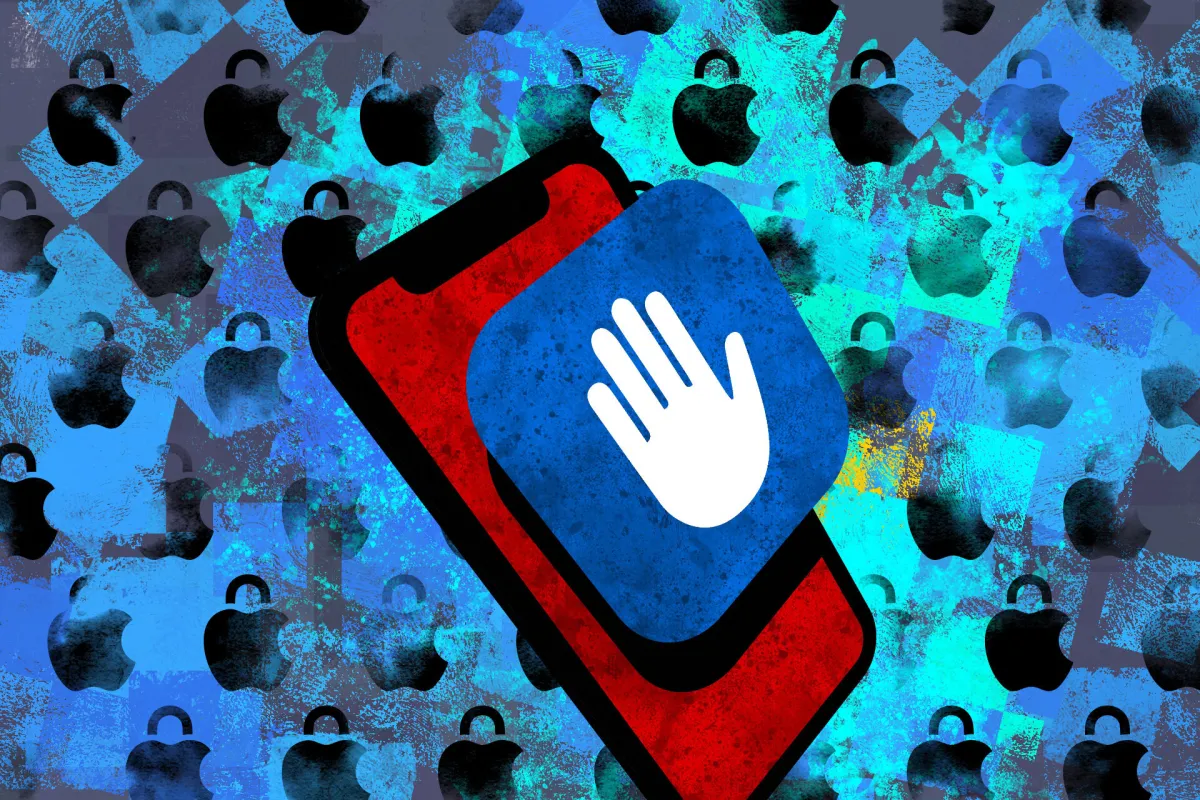
In a notable development in digital security, Apple has reaffirmed that its innovative Lockdown Mode, introduced nearly four years ago, remains an effective bulwark against mercenary spyware attacks — a significant claim in today’s landscape of sophisticated cyber threats. According to Apple spokesperson Sarah O’Rourke, no verified cases of successful hacking have been reported since the feature’s implementation, underscoring its potential to disrupt traditional attack vectors leveraged by government and private spyware agencies. This strategic shift signals a pivotal move by a tech giant to prioritize user privacy while confronting relentless espionage tactics.

Security experts and industry analysts commend Apple’s aggressive approach to hardening its ecosystem. Patrick Wardle, a renowned cybersecurity specialist, describes Lockdown Mode as “one of the most aggressive consumer-facing hardening features ever shipped,” highlighting its capacity to significantly shrink the attack surface and elevate security margins. By restricting message attachments, WebKit features, and other remotely exploitable vectors, Lockdown Mode complicates zero-click exploit techniques—hacks that can be executed over the internet without user interaction. This strategic move essentially raises the costs and technical barriers for spyware manufacturers, pushing them toward more complex, costly, and potentially less effective methods, in line with William Gibson’s adage that disruption often begins with making attack methods infeasible.

Implications for the Business and Security Landscape

This development has sweeping industry implications, particularly in the escalating arms race between device manufacturers and spyware developers. Apple’s proactive fortification challenges the traditional narrative that government agencies possess an insurmountable advantage in surveillance and remote infiltration. As Donncha Ó Cearbhaill of Amnesty International reports, “We have not seen any evidence of an iPhone being successfully compromised by mercenary spyware where Lockdown Mode was enabled,” reinforcing the feature’s defensive prowess. Such a stance could prompt rivals in the tech space to accelerate their security initiatives, heightening the disruptive potential across the mobile ecosystem.

From a business perspective, Apple’s bold security posture also reinforces its brand appeal among privacy-conscious consumers—particularly youth demographics increasingly skeptical of governmental overreach and invasive data collection. This commitment to end-user security may underpin long-term loyalty and open avenues for monetization through premium security services. As Gartner analysts suggest, embedding advanced security features like Lockdown Mode could become a differentiator, enabling companies to command premium pricing in an increasingly competitive market.

The Future Outlook: Disruption and Innovation Driven by Security

While the effectiveness of Lockdown Mode currently faces no confirmed breaches, industry insiders caution that security is a continuous race against evolving threats. Experts warn that no system is invulnerable, and malicious actors relentlessly develop new tactics to breach even the most hardened defenses. The significance lies in how rapidly disruptive innovation in security can reshape market dynamics, forcing spyware makers to innovate beyond their traditional ranges of attack. Top minds at institutions like MIT and forward-looking entrepreneurs such as Elon Musk recognize that disruptive security features are fundamental to the future of digital trust and market dominance.

As we look ahead, the urgency for industry-wide adoption of such technological barriers escalates. The paradigm shift initiated by Apple’s Lockdown Mode signifies more than a single feature; it heralds a new chapter in the relentless pursuit of privacy, security, and disruption in the tech industry. Companies that fail to innovate risk falling behind in a landscape where the cost of vulnerability is measured not just in data breaches, but in eroded consumer confidence and regulatory backlash. The future belongs to those who anticipate and adapt—transforming security from a marginalized feature into a core business advantage.

Fresh leaks: Apple’s smart home display arriving this fall alongside iOS 27

Apple Delays Launch of Revolutionary HomePod with Integrated Screen and Robotics-Driven Devices

In a significant pivot within the smart home and consumer device sectors, Apple Inc. has postponed the highly anticipated “HomePod with a screen” from its initial launch window of 2025 to an unspecified fall timeframe. This delay, confirmed by industry leak sources such as X insider Kosutami and echoed by Bloomberg journalist Mark Gurman, signals a strategic hold as Apple recalibrates its entrance into the burgeoning intelligent home market amidst evolving AI and virtual assistant capabilities. The device, which has been shrouded in secrecy, is reportedly a sleek, silver aluminum-cased gadget featuring a 7-inch display, utilizing a custom version of tvOS 27 and powered by USB-C—a clear move to unify its ecosystem under a more flexible port standard.

This delay is not isolated but part of a broader, phased rollout of innovative products aimed at disrupting the traditional consumer electronics market. Alongside the HomePod refresh, Apple is also revamping its lineup of smart home products, including a new version of the Apple TV 4K, and a smart home sensor currently in development. These devices are expected to leverage the latest advances in artificial intelligence and machine learning to offer enhanced automation, security, and seamless integration within the Apple ecosystem. The upcoming devices are anticipated to run on future OS updates—iOS, macOS, and tvOS—set to debut in 2027, aligning with Apple’s broader strategy to position itself as an indispensable hub in every connected home.

The planned introduction of a robot arm-equipped device, initially projected for this year, has now been postponed until 2027, underscoring the company’s cautious approach amid ongoing AI advancements and supply chain considerations. Industry analysts from institutions like Gartner highlight that these disruptions, although initially frustrating, create opportunities for disruptive innovation. Apple’s focus on integrating AI-driven features and hardware versatility could redefine user engagement in smart living spaces, propelling it ahead of competitors like Amazon and Google in the smart speaker and home automation sectors.

The business implications are profound: Apple’s strategy to stagger product launches—covering foldable iPhones, updated software, and smarter home devices—indicates a conscious effort to maximize market impact and maintain exclusivity in a rapidly saturated market. By aligning product timelines with AI and Siri enhancements, Apple is reinforcing its vision to become the central control point for digitally interconnected households.

  • Enhanced AI integration for personalized user experiences
  • Expansion into sensors and automation for smarter homes
  • Continued ecosystem lock-in to boost hardware and service revenue

Such moves collectively underline a broader industry shift towards disruptive innovation—where hardware becomes secondary to end-to-end smart environments driven by AI. As industry experts from MIT to Peter Thiel warn, the next decade will favor companies that can rapidly iterate on AI-powered hardware while maintaining ecosystem lock-in, a game-changing power play.

Looking ahead, the postponement of these flagship devices signals both challenges and massive opportunities. Apple’s cautious approach ensures it can deliver polished, AI-driven experiences capable of disrupting entrenched players, but it also presses the urgency for startups and incumbents to accelerate their innovation cycles. As AI continues to evolve from a supportive role to a core strategic asset, the next 12-24 months will be crucial in defining who dominates the smart home and consumer tech landscape—and those who fall behind risk being swept away by the relentless tide of technological disruption.

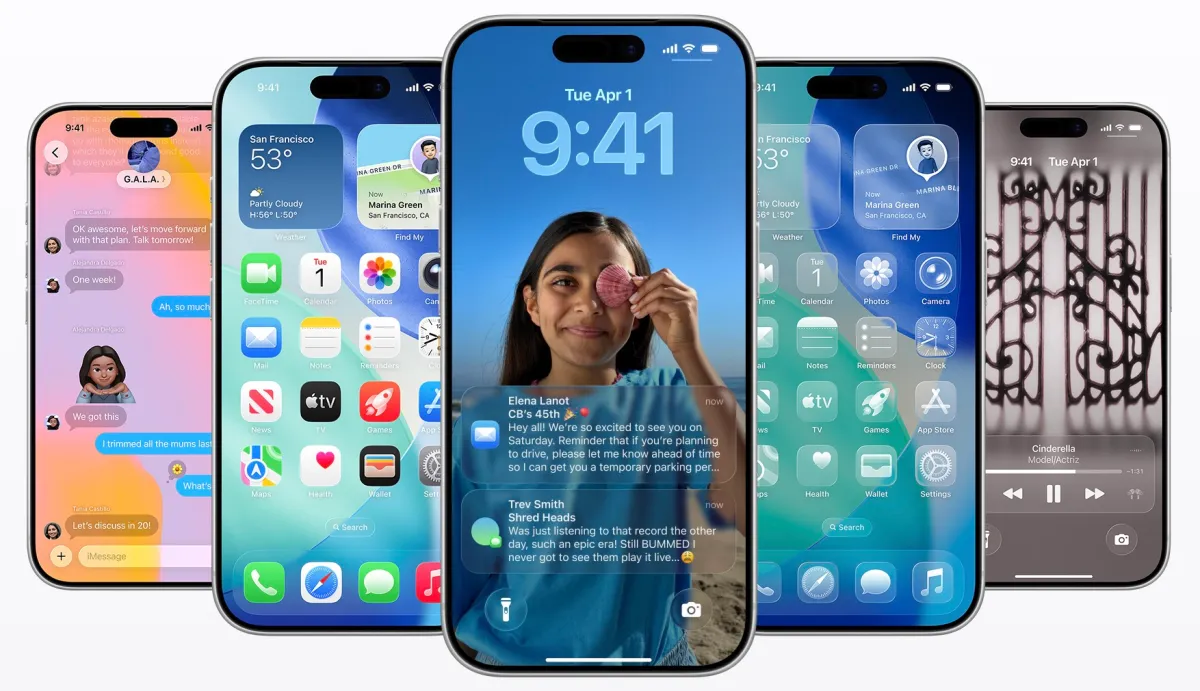
Apple’s iOS 26.4 Public Beta Drops: AI Playlists, Video Podcasts & More for Youths

Apple Unveils iOS 26.4: Disrupting Tech with AI-Powered Features

In a move that underscores its relentless push towards innovation and industry disruption, Apple announced the release of its latest mobile operating system, iOS 26.4. Currently available in public beta, this update anticipates a full rollout by March or April, promising to revolutionize user engagement with cutting-edge features leveraging artificial intelligence, security enhancements, and multimedia innovations. This strategic upgrade solidifies Apple’s positioning at the forefront of mobile technology, threatening rivals and reshaping how consumers interact with their devices and content.

AI-Driven Personalization and Business Disruption

The new AI-powered playlist generator within Apple Music exemplifies Apple’s commitment to integrating advanced machine learning into its core offerings. The “Playlist Playground” feature employs Apple Intelligence to craft customized 25-song playlists from text prompts, handling user preferences with unprecedented precision. This disruption not only enhances user experience but also impacts how music streaming services compete—ushering in an era where AI-driven content curation becomes standard. Industry analysts from Gartner suggest that AI personalization will be a key battleground, with companies that lead in this domain securing a dominant market share, potentially forcing competitors to adopt similar, disruptive algorithms or lose relevance.

Further, the refresh of the UI with full-screen artwork and the introduction of “Concerts Near You”—a feature that helps users discover live events—indicates Apple’s strategic pivot toward integrating content discovery with experiential social features. These innovations threaten traditional concert promoter and ticketing models, pushing the boundaries of how digital platforms monetize live entertainment, and creating new revenue streams that leverage AI for targeted recommendations and user engagement.

Security and Content Innovation Elevate Industry Standards

Security enhancements such as end-to-end encryption (E2EE) for RCS messaging mark a significant step towards harmonizing secure communication across platforms. Currently in testing, this feature promises to deliver iMessage-like confidentiality to Android users, broadening Apple’s influence in cross-platform messaging security—a critical concern in today’s increasingly digital society. The industry sees this as a disruptive move that pressures competitors like Google and Meta to elevate their security standards or risk losing user trust.

Meanwhile, video podcasts powered by HTTP Live Streaming (HLS) and integrated ad platforms exemplify Apple’s innovative push into multimedia monetization. Creators can now insert dynamic video ads, fostering a new digital advertising ecosystem that could undercut traditional radio, television, and even YouTube models. Industry giants like Elon Musk’s X (formerly Twitter) and startups such as Freenom are already exploring similar tech disruptions to redefine content delivery, but Apple’s seamless, ecosystem-wide integration gives it a formidable edge.

Security, AI, and Market Momentum Point Toward Future Dominance

By making Stolen Device Detection active by default and bolstering biometric authentication, Apple enhances device security, signaling a future where privacy and device integrity become standard expectations rather than added features. This approach pressures Android device makers to follow suit or risk user churn. Simultaneously, upcoming enhancements like support for in-car video playback via CarPlay and AI-powered camera tools introduce new avenues for disruption within connected vehicle markets and consumer multimedia.

Looking ahead, industry experts like Peter Thiel and MIT researchers emphasize that Apple’s emphasis on AI-driven content, cybersecurity, and seamless multimedia integration foreshadows a technological shift that demands urgency from competitors. As AI continues to evolve rapidly, Apple’s ecosystem becomes a battleground of innovation and disruption—propelling it towards an inevitable future where control over content, security, and user experience defines industry leadership. In this high-stakes race, only those who accelerate their technological development and adopt disruptive strategies will survive and thrive in the competitive landscape of tomorrow’s digital economy.

Social Media Auto Publish Powered By : XYZScripts.com



