
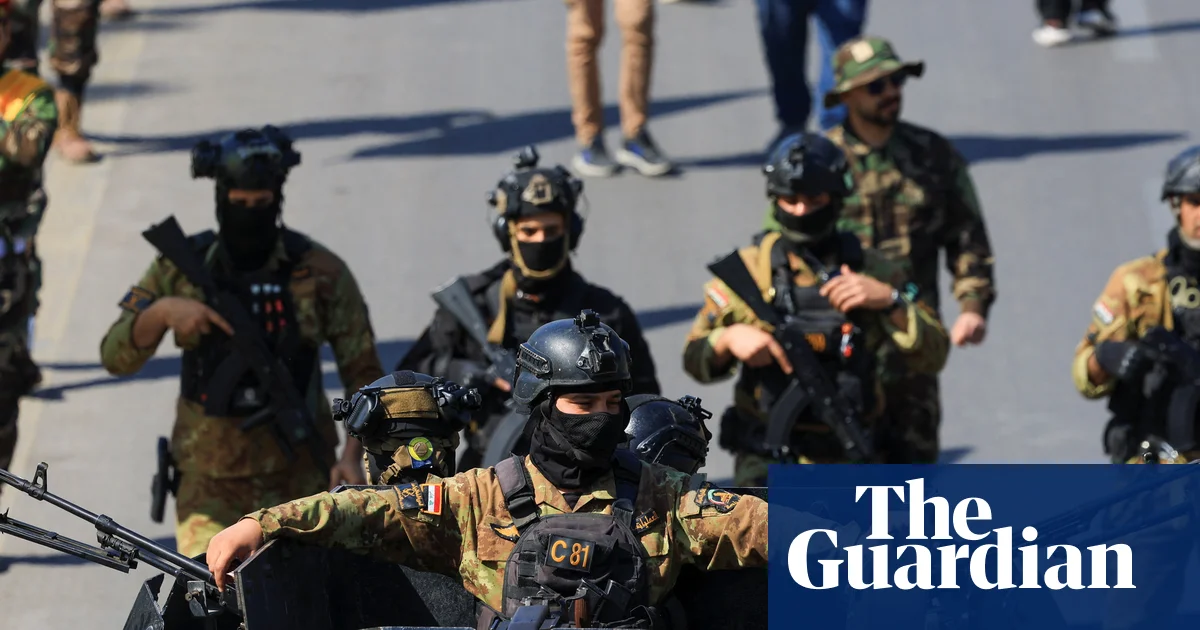

The Middle East is once again teetering on the brink of broader chaos as Iran-backed militias in the region escalate their attacks against Israel, the United States, and their allies. This intensification comes in the wake of a contentious U.S.-Israeli offensive aimed explicitly at Tehran’s network of militant groups. The conflict, rooted deeply in regional rivalry and decades of proxy warfare, is now drawing in new armed actors, with Iraq emerging as a pivotal battleground where covert and overt confrontations threaten to ignite a wider regional conflict. Analysts warn that the ongoing violence not only jeopardizes regional stability but fundamentally alters the geopolitical landscape, pushing global powers into a dangerous game of escalation and strategic ambiguity.
Since the war’s recent outbreak, militias loyal to Iran have launched dozens of attacks across Iraq, targeting American and Israeli interests in multiple countries. These attacks, often clandestine, include missile strikes and drone assaults from Iraqi territory into neighboring Jordan, efforts to cripple Iranian Kurdish opposition infrastructure, and attempted missile launches from southern Iraq—highlighting a clear escalation of proxy hostilities. According to prominent regional analysts and former intelligence officials, Israel and the US are actively engaging in targeted airstrikes and special operations to weaken pro-Iranian militias’ capabilities, aiming to dismantle Iran’s influence in Iraq and the broader Middle East. However, as these measures intensify, so does the risk of wider escalation, with officials in Washington considering the mobilization of Iranian Kurdish groups potentially for *an invasion of Iran’s northwest*, marking a new and dangerous phase in the regional proxy war.
The geopolitical impact of these events cannot be overstated. The long-standing US-Iran rivalry, which has played out through the proxy networks spanning from the Indian Ocean to the Mediterranean, is now manifesting in overt violence and strategic countermeasures. Iran’s investment over decades in a coalition of militias—such as Kataib Hezbollah—aims at both deterring external attacks and projecting influence regionally. The recent surge in attacks on militia bases, including alleged Israeli drone operations, signals a shift toward clandestine and asymmetric warfare. Historically, many specialists, including scholars from Chatham House and military analysts, argue this escalating chaos is as much about Iran’s existential resilience as it is about regional dominance. Dozens of fighters have been killed in retaliatory strikes, and unexplained explosions have reportedly disabled Iraqi radar systems, raising fears of a covert war waged from the shadows.
Furthermore, the broader regional implications are ominous. The “axis of resistance,” long a thorn in Israeli and Western interests, has been dented but not broken, as Iran’s allies like Hezbollah and Hamas remain poised but deliberately cautious. Recent Israeli offensives in Lebanon and the threat posed by Iran’s Houthi allies in Yemen hint at an expansion of the conflict. Meanwhile, analysts suggest that Iran’s strategic reserves include the Houthis, which may be held in reserve for a future escalation should Tehran perceive its regime’s survival as truly at risk. The potential deployment of proxies and the possibility of internal destabilization signals that the conflict is less about immediate territorial gains and more about a profound fight for influence and survival—a war fought through shadows and subversion, with the stakes nothing less than regional dominance and ideological supremacy.
As history continues to unfold in this volatile theatre, the world stands at a threshold. The ongoing proxy battles in Iraq, Syria, and across the Middle East are shaping a story of resilience and resistance, underpinned by fierce ideological commitments and strategic calculations. Every missile fired, every drone launched, and each unexplained explosion is a chapter in a larger narrative of a region caught between superpower rivalries and the relentless pursuit of influence. The outcome remains uncertain, but one truth persists: this is more than a regional dispute—it is a pivotal moment in the shaping of the Middle East’s future, with the weight of history swinging in the balance, waiting for the next move that could usher in either a fragile peace or a catastrophic escalation.




