Matox News

Truth Over Trends, always!

UK Politicians Leave Door Open for RAF to Hit Iran’s Missile Sites

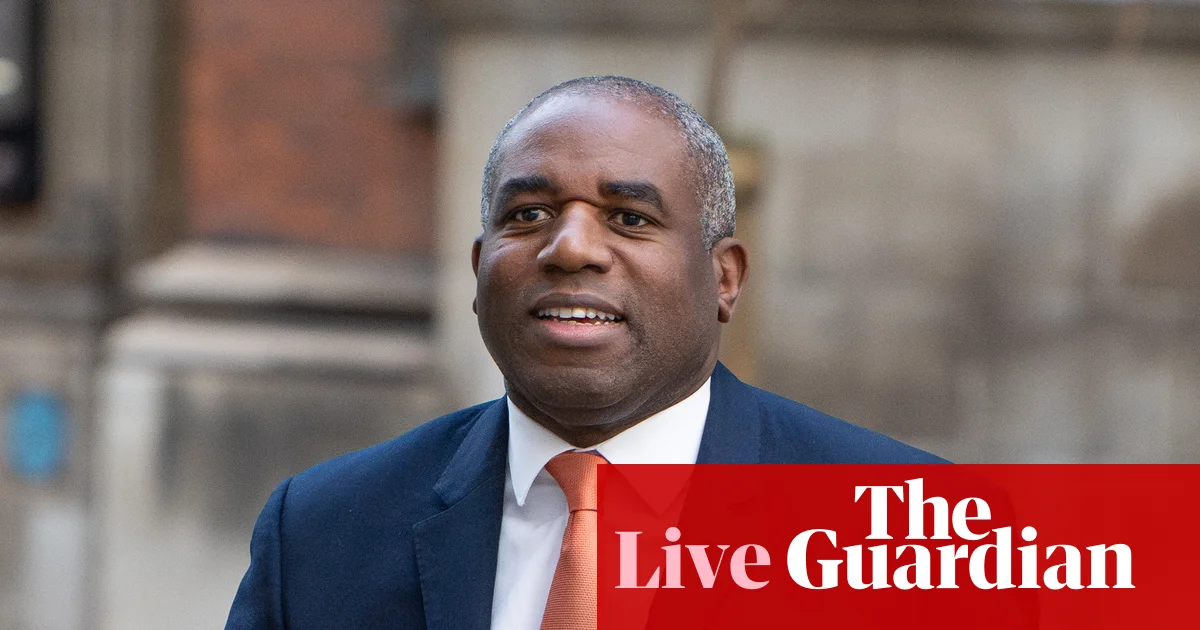
Recent developments in UK politics and international security reveal a nation navigating a complex web of domestic reforms and foreign policy maneuvers amid heightened geopolitical tensions. The British government, under the leadership of Prime Minister Keir Starmer and his cabinet, faces internal divisions while taking assertive stances in the Middle East—a region once again simmering with conflict and strategic chess moves. The recent statements from David Lammy, the UK’s Deputy Prime Minister, underscore an increasingly brazen posture, suggesting that Royal Air Force jets could legally strike Iranian missile sites used against British interests in the Persian Gulf. These remarks mark a significant escalation in Britain’s willingness to advocate for offensive military action, signaling a shift in traditional postures rooted in diplomatic restraint.

Behind the rhetoric lies a broader strategic calculation—one that reflects the national security doctrine influenced both by historical precedent and current geopolitical exigencies. With Iran’s missile activity threatening regional stability and British assets, the UK has granted permission for US-led defensive strikes originating from British bases. Lammy’s statement that Britain possesses satellite and intelligence capabilities to identify Iranian targets underscores a preparedness to expand offensive operations, should the legal and political conditions permit. This stance is a response not only to Iran’s regional provocations but also to the pressures of an international landscape where allies seek to enforce red lines more assertively.

Meanwhile, intra-government debates revealing splits within the cabinet over allowing the US to use British bases for strikes against Iran point to underlying tensions about how far Britain should go in its military commitments. The reported leak from a National Security Council meeting exposed these fissures, prompting Labour’s London MP, David Lammy to call for an investigation into the leak, claiming it may put British lives at risk. This incident not only highlights the sensitive nature of UK foreign policy decisions but also demonstrates how internal divisions can become exploited in a fraught international context. The political calculus involves balancing diplomatic diplomacy, military readiness, and public opinion — a delicate dance that could reshape Britain’s role on the global stage for years to come.

On the domestic front, the Conservative government continues to push controversial reforms, such as end-to-end changes to the UK’s immigration policies. Home Secretary Shabana Mahmood announced plans to end permanent refugee status and implement financial incentives—up to £40,000—to encourage rejected asylum seekers to leave voluntarily. Critics within her party and across Parliament argue that such policies risk echoing Donald Trump’s hardline approach and could set the stage for future scandals akin to Windrush. Nonetheless, these efforts reflect a broader push toward stringent immigration controls, driven by a perception that uncontrolled borders threaten national stability and social cohesion. Analyst Dr. John Williams of the International Security Forum warns that these policies could deepen societal divides while emboldening nationalist narratives which resonate strongly among a politically young Britain increasingly concerned with sovereignty and security.

As Britain charts its course through internal consolidation and external assertiveness, the weight of history bears down on every decision. The choices made in these turbulent times—whether to escalate military posture or to tighten immigration policies—will undoubtedly leave a lasting imprint on the nation’s identity and its role in shaping the new world order. With each strategic move, the chapters of this unfolding story are written in the ink of geopolitical destiny, reminding us that the future remains a battleground for influence, power, and the enduring quest for national sovereignty. In the corridors of power and the streets of society, the echoes of today’s decisions will reverberate through the corridors of history, long after the headlines fade.
Iran’s risky game: Counting on endurance and deterrence to hold the line

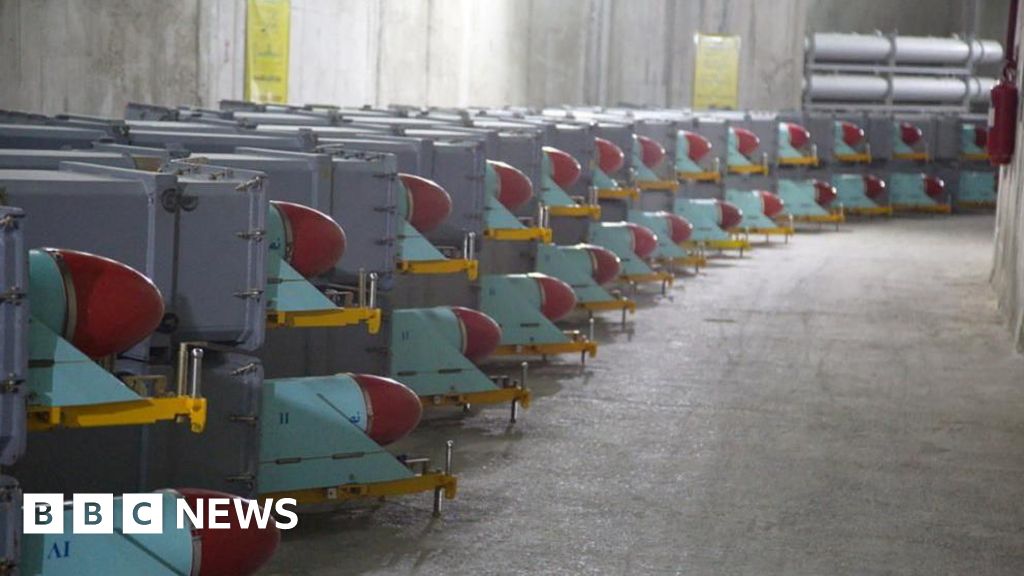
Recent assessments by BBC Persian analyst Amir Azimi highlight a noticeable shift in Tehran’s strategic outlook amidst escalating tensions in the Middle East. The Iranian leadership seems to operate under a fundamental belief: it can withstand prolonged external aggression, absorbing strikes and enduring economic sanctions longer than its adversaries can sustain their pain. This doctrine of resilience underscores Iran’s evolving approach to regional and global conflicts, positioning itself as a formidable power capable of weathering sustained pressure while pursuing its strategic objectives.

Historically, Iran has navigated a landscape fraught with external hostility, from the post-1979 revolution era through the Iran-Iraq War to the current complexities involving the United States, Israel, and their allies. These persistent conflicts and diplomatic confrontations have shaped Iran’s mindset: resilience is its most valuable card. Azimi’s analysis suggests that Tehran believes this long game approach compels its rivals to either relent or exhaust their resources trying to diminish Iran’s position. This form of strategic endurance is rooted not just in military doctrine, but also in the ideological conviction that external coercion cannot break Iran’s ideological unity or its resolve to pursue autonomous regional interests.

The implications of this approach have significant geopolitical impact. Decisions made in Tehran—whether in response to U.S. sanctions, foreign military threats, or regional alliances—are increasingly characterized by a calculated patience. This tactic aims to shift the conflict from direct confrontation to an endurance contest, where Iran seeks to leverage its resilience to outlast economic and diplomatic pressures. International organizations and geopolitical analysts warn that this could lead to a protracted standoff, with each side exhausting its capacity for costly escalation. While some global pundits refer to Iran’s strategy as a form of “geopolitical gamble,” others consider it a dangerous game that risks further destabilizing an already volatile region.

Experts such as John Bolton and Middle East analysts warn that this calculus could have profound consequences. As Iran continues to develop its missile programs, expand its influence in Syria, Iraq, and Yemen, and push back against external interference, the region faces a potential escalation that many say is inevitable, unless diplomatic breakthroughs occur soon. Meanwhile, the United States and its allies remain divided on whether to pursue direct military action or to double down on economic measures—both strategies engaging in a high-stakes game of endurance, with the entire world watching.

In this evolving geopolitical chess match, the question remains: how long can the players sustain their respective strategies before history decides the final move? As Iran’s leadership appears prepared to absorb and outrun its opponents’ efforts, the world stands on the precipice of a chapter still unwritten, where patience, resilience, and strategic endurance may define the course of the 21st century’s most complex conflict. The echoes of history remind us that in the realm of global power conflicts, endurance often becomes the ultimate weapon—and the defining factor in the long-term balance of influence.

Iran's regime remains standing—stay tuned to see if it can hold firm in the coming days.
Iran’s regime remains standing—stay tuned to see if it can hold firm in the coming days.

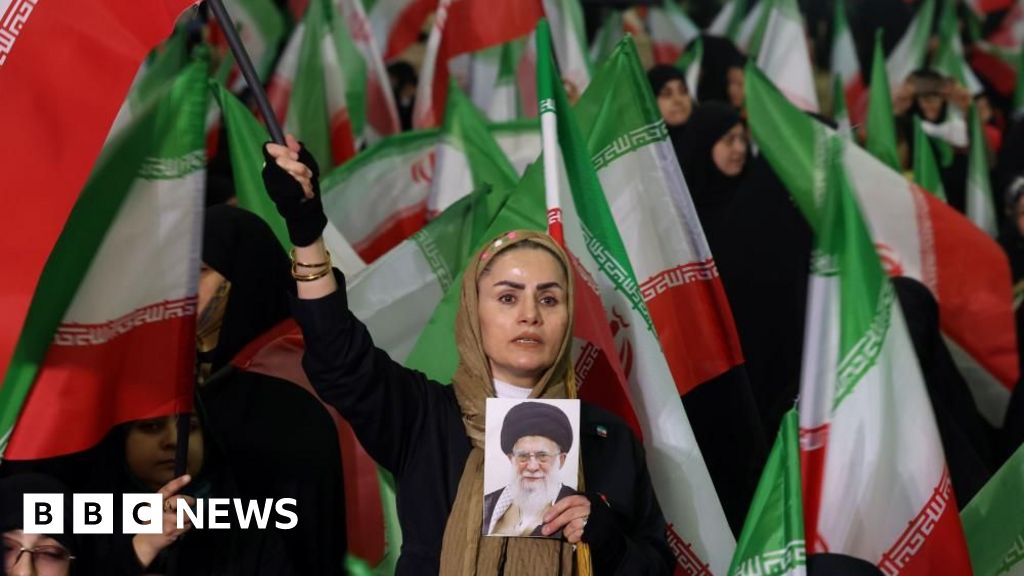
In a time of escalating tension*, Iran finds its leadership deeply engulfed in a crisis of both confidence and security. As US and Israeli strikes persist in targeting strategic sites across Iran, the country’s political and military elites grapple with mounting pressure to maintain stability amidst an uncertain international landscape. This unfolding scenario underscores the profound geopolitical impact of external intervention and the delicate dance of diplomacy in a region fraught with historical grievances and current conflicts.

For years, Iran has been at the center of global strategic calculations, often viewed through the lens of its contentious nuclear program and regional influence. The recent surge in military actions, however, marks a turning point that could redefine regional power dynamics. Analysts from the International Crisis Group and seasoned historians recognize that Iran’s leadership faces a critical juncture, where the decisions made today will ripple through decades to come. These strikes aim to hinder Iran’s nuclear ambitions but also risk provoking a broader conflict, with the potential to destabilize the Middle East further and challenge international norms.

The crisis extends beyond tangible military targets, touching the very fabric of Iran’s societal foundations. Iranian officials are under enormous strain as they seek to project an image of resilience and control, even as internal dissent simmers beneath the surface. Leadership in Iran is acutely aware that their response could either bolster national unity or deepen divisions, all while navigating a complex web of international alliances and enmities. The ongoing strikes serve as a stark reminder of how external actors can influence internal politics, with consequences that resonate across borders and generations.

  • US and Israel assert that their actions aim to prevent Iran from acquiring nuclear weapons, maintaining that such measures are necessary for regional security;
  • Iran claims that these strikes are acts of aggression that violate sovereignty and threaten regional stability;
  • International organizations, including the United Nations, have called for de-escalation, but their influence remains limited amidst escalating tensions;
  • Historic developments, as noted by analysts, suggest that these military actions could accelerate Iran’s pursuit of strategic autonomy, potentially spawning new alliances or rivalries.

As this saga continues to unfold, the geopolitical landscape remains precariously balanced on the edge of a precipice. The decisions made by Iran’s leadership in the coming days will not only shape their nation’s trajectory but also influence the broader quest for stability and influence in a tumultuous region. History’s pen remains poised, poised to record whether this moment sparks the dawn of renewed conflict or the cautious emergence of a fragile peace.

Lyse Doucet: Iran’s Been Ready for This Critical Moment

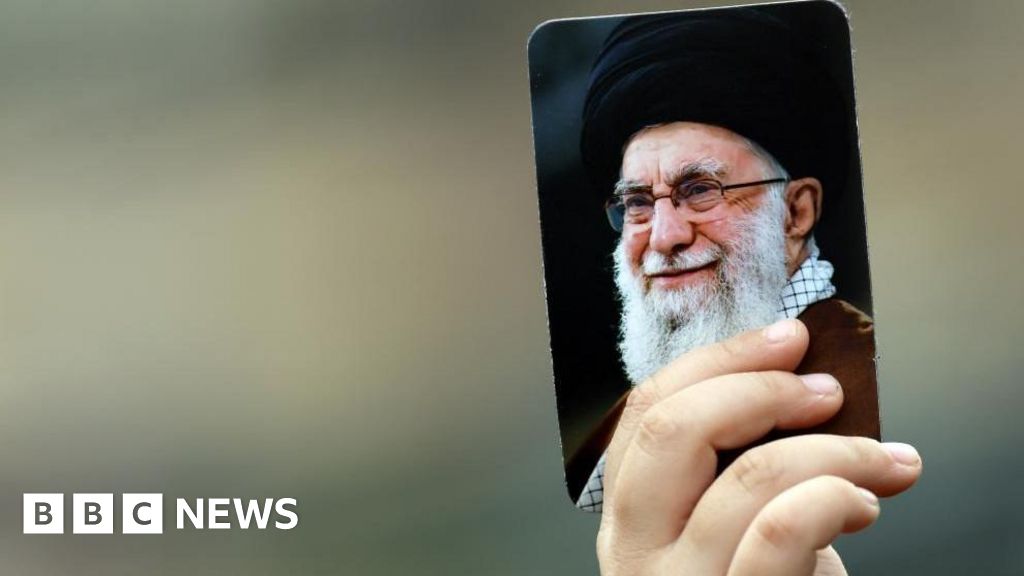
The recent assassination of Iran’s Supreme Leader marks a pivotal moment in regional and global geopolitics. Such a high-profile elimination not only represents a strategic blow to the Islamic Republic but also signals a potential shift in the balance of power across the Middle East. While officials in Tehran immediately vow to “show they have a plan,” analysts and international observers understand that the consequences extend far beyond the immediate grief and outrage. The assassination raises profound questions about internal stability, regional alliances, and the willingness of external actors to influence Iran’s future course.

Historically, leadership assassinations have often been catalysts for unpredictable upheavals. Some experts warn that this act could trigger a cycle of retaliation, destabilizing an already volatile region. As Western intelligence agencies scrutinize the event, many believe it was orchestrated by enemies seeking to weaken Iran’s internal cohesion. The mid-2020s have witnessed a surge in proxy conflicts, economic sanctions, and diplomatic confrontations involving Iran and various global powers, especially the United States and Israel. The targeted killing could serve as a catalyst for escalated military responses, further complicating efforts at diplomatic resolution.

Global and Regional Repercussions

The geopolitical impact of this event cannot be overstated. Iran’s strategic position as a regional power broker and supporter of allied groups from Lebanon’s Hezbollah to the Houthis in Yemen means that any upheaval at the top could trigger ripple effects across entire networks of influence. China and Russia have expressed concern over regional stability, emphasizing the importance of diplomatic solutions, yet malign actors might exploit the chaos to advance their agendas. Meanwhile, European nations, still reconnecting with Iran through fragile nuclear negotiations, face an uncertain path forward as Tehran seeks to consolidate power amid turmoil.

According to renowned geopolitical analyst Dr. Lisa Carter, “This assassination could serve as a turning point, forcing Iran into a mode of internal consolidation, which may result in increased militarization or even harsher anti-Western sentiment. The international community must carefully navigate this fragile juncture, recognizing the potential for a cascade of unforeseen consequences.” The United Nations has called for calm and restraint, but with history as a guide, such moments often spiral toward conflict rather than resolution.

How Decisions Shape Societies

For the Iranian people and their society, the fallout remains unpredictable. Internal stability will be tested as the regime seeks to demonstrate resilience, possibly by tightening internal security or intensifying rhetoric against foreign adversaries. The decision to retaliate or pursue diplomatic avenues will shape Iran’s future trajectory, directly impacting the lives of millions caught in the crossfire. As artists, students, and ordinary citizens watch their country navigate the aftermath, the question persists: how long can stability endure amid such a seismic shift?

In the grand tapestry of history, moments like these—marked by sudden violence at the top echelons of power—are often the prelude to larger upheavals. As historians note, the assassination of Iran’s supreme leader could either plunge the nation into chaos or catalyze a new era of resilience and reinvention. The world watches with bated breath, knowing that the decisions made in the coming days will echo through the corridors of history, shaping destinies of nations yet to be written. The arc of history bends at these critical junctures, and the weight of tomorrow’s stories rests on the choices of today.

Iran’s retaliation sparks concerns over US air defenses—Youth worried about national security

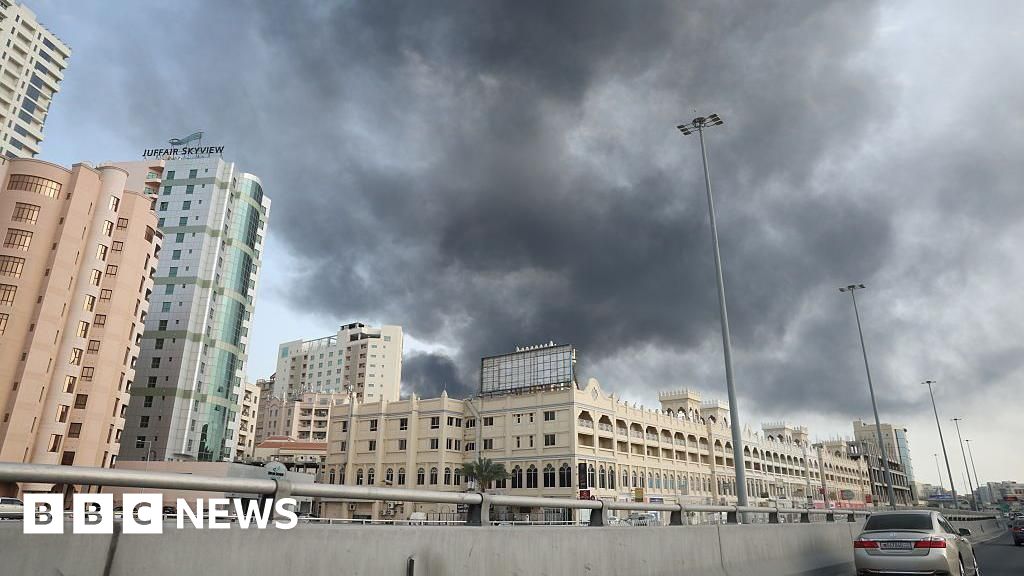
The recent missile attack by Iran on a US Navy base in Bahrain has sent shockwaves across the geopolitical landscape of the Middle East. An targeted assault on a strategic military asset underscores the ongoing tension in a region where diplomacy often teeters on the brink of conflict. While initial reports suggest limited casualties, the implications for U.S. regional influence and alliances are profound. Many analysts interpret this event as a stark warning from Tehran, signaling their readiness to challenge U.S. military dominance in the Persian Gulf, a vital artery for global oil supplies.

The attack stirs echoes of past confrontations, reigniting fears that Iran might be escalating efforts to leverage military force as a means of negotiating concessions over its nuclear program and regional influence. Historically, Iran has oscillated between negotiations and provocative actions, but this strike marks a noticeable shift towards assertiveness. According to international security experts and reports from organizations such as the International Institute for Strategic Studies, Iran’s actions exacerbate regional instability, with potential consequences radiating beyond the Gulf. Smaller Gulf states, deeply intertwined with U.S. military presence and economic interests, now grapple with the torment of balancing diplomatic ties against the threat of further escalations.

From a geopolitical impact, the attack illustrates a pivotal moment where regional and global powers must reassess their strategies. Washington faces mounting pressure to demonstrate resolve, potentially through military reinforcement or diplomatic overtures aimed at de-escalation. Meanwhile, China and Russia continue to watch intently, capitalizing on Washington’s perceived distraction to strengthen their influence across the Middle East. The incident underscores a shifting international landscape, where traditional alliances are tested, and the risk of broader regional conflicts increases. The latest developments have also prompted renewed debate within the United Nations and among global watchdogs, emphasizing the urgency of diplomatic solutions over military posturing.

Historians and analysts warn that choices made in these critical moments will define the future of the region and the stability of global energy markets. The strike on Bahrain, a cornerstone of U.S. military posture in the Middle East, raises fundamental questions about the balance of power, sovereignty, and the long-term strategy for peace in a volatile zone. As international actors scramble to respond, the overarching narrative remains fraught with uncertainty. This incident could epitomize a new chapter in a protracted contest—one that could either lead toward negotiation or plunge the region into years of instability, with consequences rippling around the globe. History’s pen has been stationary for only a moment; the story is still being written, and the weight of its next page may determine the course of nations for decades to come.

Trump threatens strikes, demands Iran’s deal within 15 days — US warns Tehran

Rising Tensions and Strategic Movements: US Preparedness in the Middle East

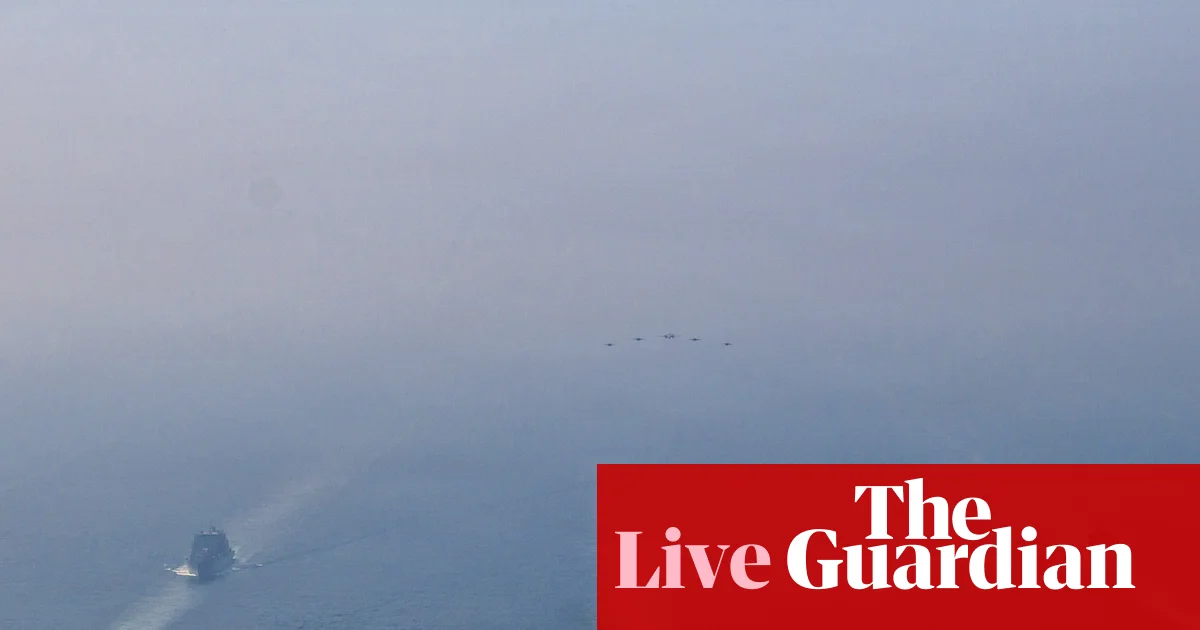
In a clear demonstration of shifting geopolitical tides, the United States has amassed an unprecedented military presence in the Middle East. The deployment of the USS Abraham Lincoln aircraft carrier, along with an entire strike group equipped with F-35 Lightning IIs and F/A-18 Super Hornets, signals a readiness to escalate military options against Iran. For nearly a month, these naval forces have operated in the Arabian Sea, indicating a deliberate strategic posture aimed, analysts suggest, at exerting maximum pressure on Iran. Complementing this buildup, a second carrier, the USS Gerald R Ford, has been positioned in the Atlantic near Morocco, scheduled to traverse the Strait of Gibraltar en route to the eastern Mediterranean—a move that signals a potential for sustained air campaigns against key targets.

This military reinforcement coincides with recent comments by Donald Trump, publicly asserting a two-week ultimatum for Iran to negotiate on its nuclear program. Sources reveal that high-level discussions in Washington have circled around not only limited strikes targeting military or governmental sites but also the possibility of larger-scale operations aimed at dismantling Iran’s nuclear capabilities or even precipitating regime change. Military strategists within the Pentagon have emphasized that these carrier strike groups could generate “several hundred strike sorties a day for weeks,” exceeding even the intensity seen during the brief 12-days war in the Gulf. The precise intentions remain under wraps, yet the message to Tehran is unmistakable: the U.S. is prepared for a decisive escalation if diplomatic efforts falter.

Global Repercussions and the Balance of Power

The geopolitical impact of this military posturing extends far beyond regional borders. Historically, the presence of such formidable naval forces signifies more than mere deterrence; it signals America’s unwavering commitment to safeguarding its strategic interests and allies, particularly Israel. According to analysts from institutions like the Institute for the Study of War and the American Enterprise Institute, the deployment of forces—combined with intelligence movements such as the transfer of six E-3 Sentry Awacs aircraft to Prince Sultan Airbase in Saudi Arabia—indicates a readiness to launch an extensive aerial campaign. This potential for rapid escalation could destabilize the region further, risking wider conflict or drawing previously uninvolved nations into the swirl of wartime politics.

Notably, some military experts warn that the mere show of force might inflame tensions rather than resolve underlying issues. Several senior analysts contend that, given Iran’s robust underground facilities and asymmetric warfare strategies, conventional bombing could prove less effective and more destructive of regional stability. Yet, the Biden administration’s continued military buildup, reminiscent of the post-Iraq invasion surge, hints at an underlying resolve to influence Iran’s nuclear trajectory through maximum pressure. The broader geopolitical ripple effect will likely be felt across energy markets, NATO alliances, and the global balance of power, as nations recommit to the narrative of American dominance and interventionism.

Historical Warnings and the Fragile Path Forward

According to historians and diplomatic experts, the prolonged cycle of threats and military movements carries profound warnings. Since the 2003 Iraq conflict, the Middle East has been a theater where power decisions ripple into prolonged instability—consequences that nations and societies continue to grapple with. The current show of force, framed by some as a “prelude to conflict,” echoes Cold War dynamics and raises questions about the efficacy of military solutions in a complex geopolitical landscape. International organizations have urged restraint, concerned that an ill-judged attack could unleash chaos, destabilize nuclear negotiations, and threaten global energy supplies.

As the world watches the unfolding drama, the weight of history remains heavy on the horizon. Whether diplomatic negotiations will succeed or whether the specter of war will deepen, the decisions made today could define an era. With each carrier deployment and political declaration, a new chapter in the ongoing contest for influence is written—one where the boldest actions might yet carve a scar on history’s fabric, a reminder that in international politics, peace is often a fragile vessel, easily shattered by the weight of impending war.

Iran’s Water Crisis Deepens as Tehran Faces Unprecedented Drought

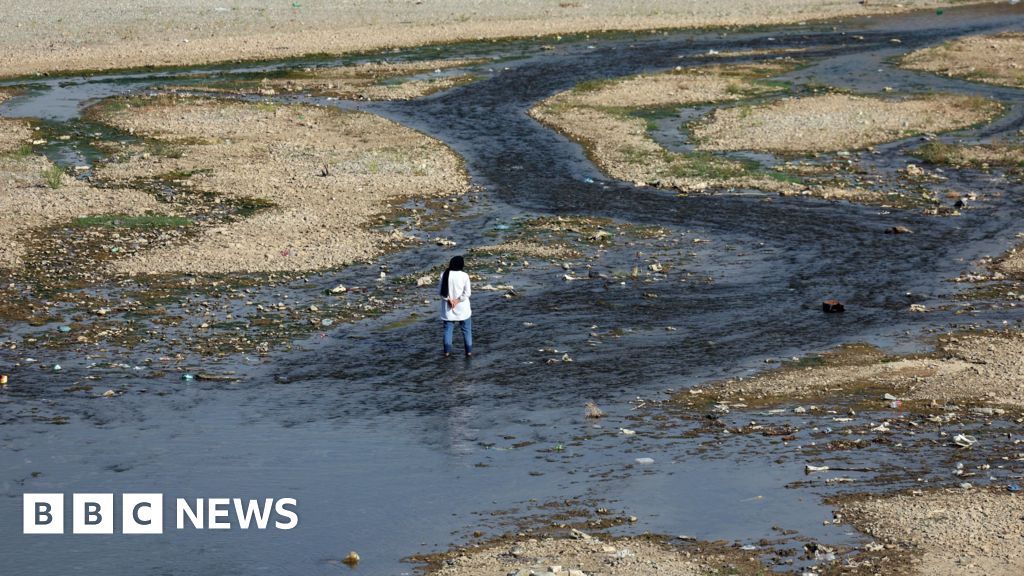
Iran, a country long embroiled in geopolitical tensions and economic sanctions, now faces an unprecedented internal crisis: a devastating water shortage that threatens the very fabric of its society and sovereignty. This month, Tehran’s reservoirs are nearing collapse, with officials warning that if the rains do not return soon, the capital may face the grim necessity of water rationing or even evacuation. Such stark warnings are not merely alarmist rhetoric—they are warnings of the profound geopolitical impact of environmental mismanagement, war, and climate change on a nation’s stability. As analysts like Dr. Samuel Livingston of the International Water Resources Group note, these crises have the potential to upend the regional balance, fueling unrest and destabilizing the already fragile landscape of Middle East geopolitics.

Experts suggest that Iran’s historic decades-long water mismanagement has reached a point of no return, exacerbated by recent conflicts and infrastructural decay. The management of reservoirs such as the Latian and Karaj dams, which are now holding less than 10% of their capacity, illustrates a country pushing toward environmental catastrophe. Mohammad-Ali Moallem, the manager of the Karaj Dam, reports a staggering 92% decrease in rainfall compared to the previous year, with most water deemed “dead” and unusable. The situation is compounded by the country’s aging water infrastructure and widespread leakage, factors identified by Iran’s Minister of Energy, Abbas Ali Abadi, as critical contributors to the ongoing crisis. Historically, Iran’s water woes have been dismissed as cyclical, but today they threaten to trigger a humanitarian crisis that could reshape the nation’s internal and regional dynamics.

Adding to Iran’s turmoil, recent military conflicts and targeted strikes have indirectly strained the country’s resilience. Following a 12-day war with Israel, the northern Tehran neighborhood of Tajrish experienced severe flooding, revealing the fragile state of Iran’s infrastructure amidst ongoing hostilities. The Israeli Defense Forces claimed strikes on military targets, but the aftermath underscores the broader impact of geopolitical conflicts on Iran’s capacity to manage natural disasters and environmental pressures. According to Iran’s National Centre for Climate and Drought Crisis Management, other provinces such as West and East Azerbaijan are also witnessing dangerously low water levels, with some dams dropping below three percent capacity—the sort of emergency that could threaten entire cities like Mashhad. The intersection of war, mismanagement, and climate change has created a perfect storm, with the potential to destabilize Iran further and ripple across the region.

From an international perspective, this crisis exemplifies the complex web of how environmental issues are intertwined with geopolitics. The officials’ reluctance to accept the full scope of the crisis, combined with sanctions-induced economic constraints, hampers Iran’s ability to invest in infrastructure or adopt sustainable water management practices. As seasoned analyst Dr. Emily Carter explains, “Iran’s water crisis is a microcosm of a larger trend—climate change exacerbated by internal missteps and external conflicts that will test the resilience of nations and societies in ways previously unimagined.” The looming threat of water shortages may ignite internal unrest, disrupt regional alliances, and pressurize the global community to address issues of environmental security that transcend borders. With rainfall forecasted to remain scarce over the coming week, the decision-makers face a moral and strategic imperative: adapt swiftly or face the chaos of a nation reaching its tipping point.

As history watches with bated breath, the unfolding tragedy in Iran serves as a stark reminder of the fragile balance between environment, geopolitics, and societal stability. The choice before Iran is clear—continue down this destructive path or confront the imperative of sustainable management and regional cooperation. Yet, with each passing day of drought, the once vibrant metropolis of Tehran and the resilient city of Mashhad edge closer to a future defined by scarcity and despair. The pages of history are being written in real-time — and what happens next may define the fate of Iran and the broader Middle East for generations to come. The questions remain: will this be a moment of awakening or the beginning of a long descent into chaos? Only the unfolding events will tell, but the weight of history urges us to watch closely.

Social Media Auto Publish Powered By : XYZScripts.com