
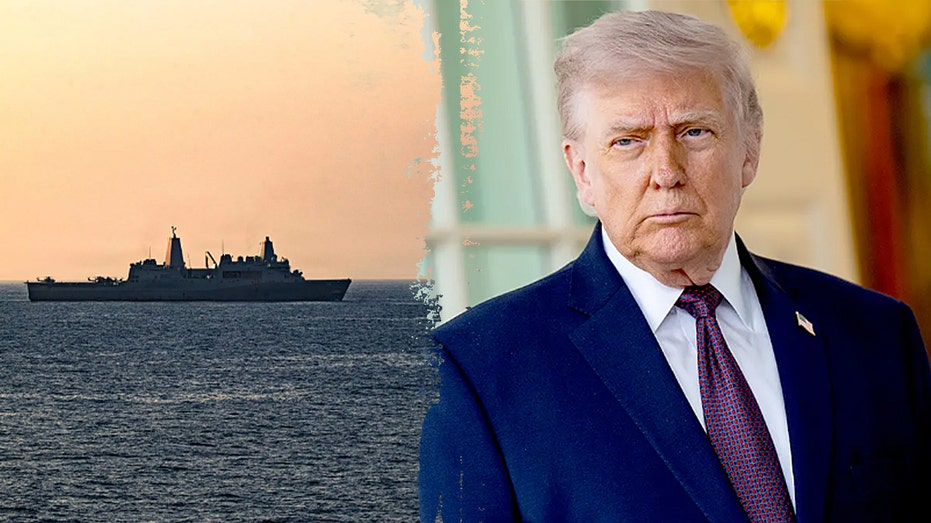

President Donald Trump has declared the current ceasefire with Iran to be on “massive life support,” intensifying a crucial national security debate within Washington. As diplomatic efforts appear increasingly fragile, a significant split has emerged among retired U.S. commanders and national security experts over whether the nation should resume military operations against Tehran or avoid what many fear could become another prolonged Middle East conflict.
Ceasefire on ‘Massive Life Support’
Speaking to reporters, President Trump underscored the dire state of the ongoing diplomatic pause. “I would say the ceasefire is on massive life support,” Trump stated, likening its chances of survival to a patient with a mere “1% chance of living.” This stark assessment follows his dismissal of Iran’s latest proposed agreement as a “piece of garbage,” signaling deep dissatisfaction with Tehran’s responsiveness.
The White House is reportedly reviewing various military options should the current negotiations collapse entirely. This readiness to consider more assertive measures highlights the administration’s frustration with Iran’s perceived intransigence and its continued pursuit of nuclear and missile ambitions.
Divided Military Counsel on Iran Strikes
The strategic path forward has become a point of contention among seasoned military figures. Retired Lt. Gen. H.R. McMaster, who previously served as National Security Advisor under President Trump, expressed skepticism regarding Iran’s willingness to compromise. He told Fox News Digital that Iran’s leadership, particularly the hardline Islamic Revolutionary Guard Corps (IRGC), is unlikely to make the concessions President Trump deems necessary for a viable deal. While acknowledging President Trump’s desire for an agreement, McMaster stressed that the President “is not going to sign up for a bad deal.”
Conversely, retired Vice Adm. Mark Fox, former deputy commander of U.S. Central Command (CENTCOM), believes that the current ceasefire and diplomatic track are insufficient to compel Iran to de-escalate. His perspective suggests that without a significant shift in strategy, Iran will not be deterred from its current trajectory.
“I would say the ceasefire is on massive life support. Where the doctor walks in and says, ‘Sir, your loved one has approximately a 1% chance of living.’” – President Donald Trump
The Core Dilemma: Pressure vs. Prolonged Conflict
The emerging debate crystallizes a fundamental question for Washington: can additional military pressure effectively force Iran to abandon its nuclear and missile programs, or would renewed Iran strikes merely deepen a regional conflict without achieving decisive results? Proponents of stronger action argue that only a credible military threat will bring Tehran to the negotiating table with serious intent. They point to Iran’s consistent defiance and the perceived failure of previous diplomatic overtures.
However, critics warn that military action carries substantial risks, including the potential for a wider, destabilizing war in the Middle East. Such an outcome could incur significant human and economic costs, drawing the United States into another protracted engagement in the region. The challenge lies in finding a balance between robust deterrence and preventing an escalation that could spiral out of control.
As the ceasefire teeters on the brink, President Trump’s administration faces a critical juncture. The decision ahead will not only shape the future of U.S. policy towards Iran but also have profound implications for regional stability and global security. Navigating this complex geopolitical landscape demands careful consideration of all options, weighing the potential benefits of assertive action against the very real risks of a broader conflict.






