Matox News

Truth Over Trends, always!

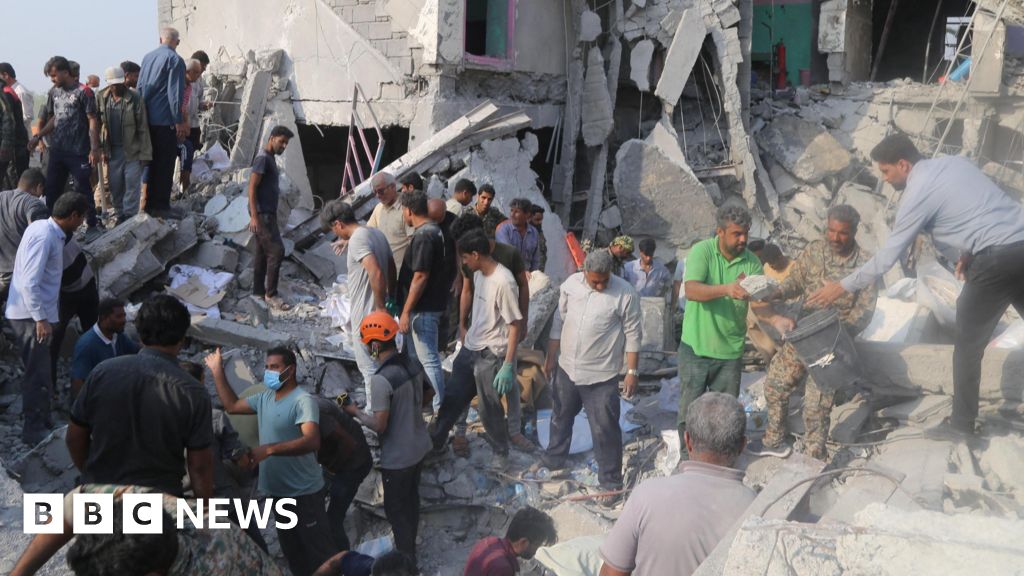
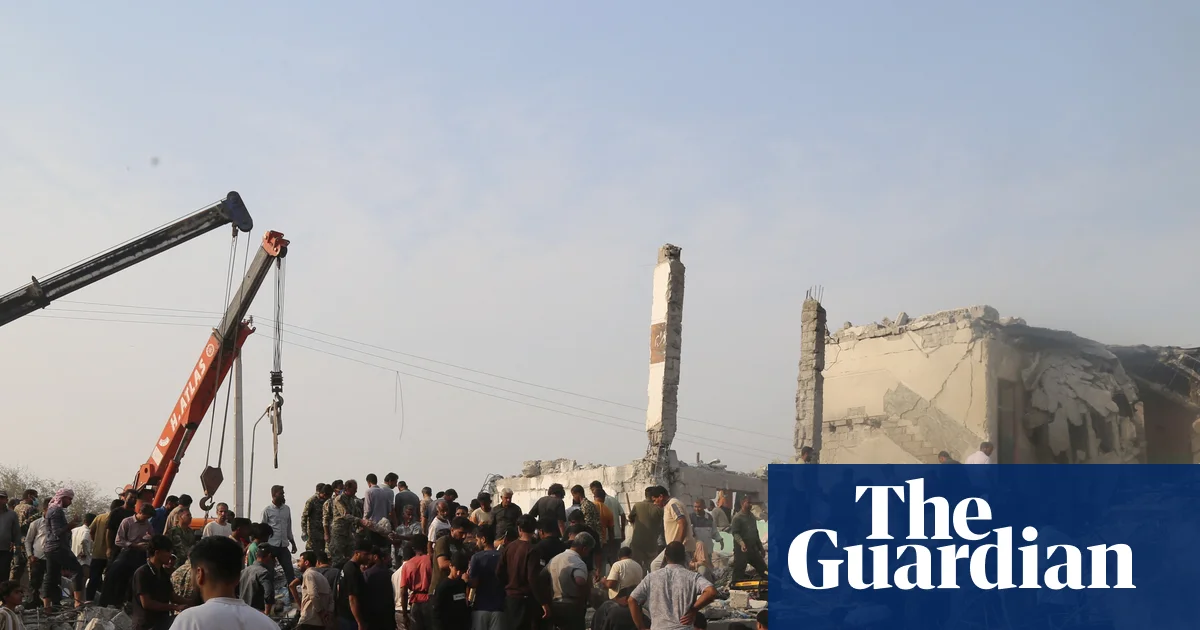
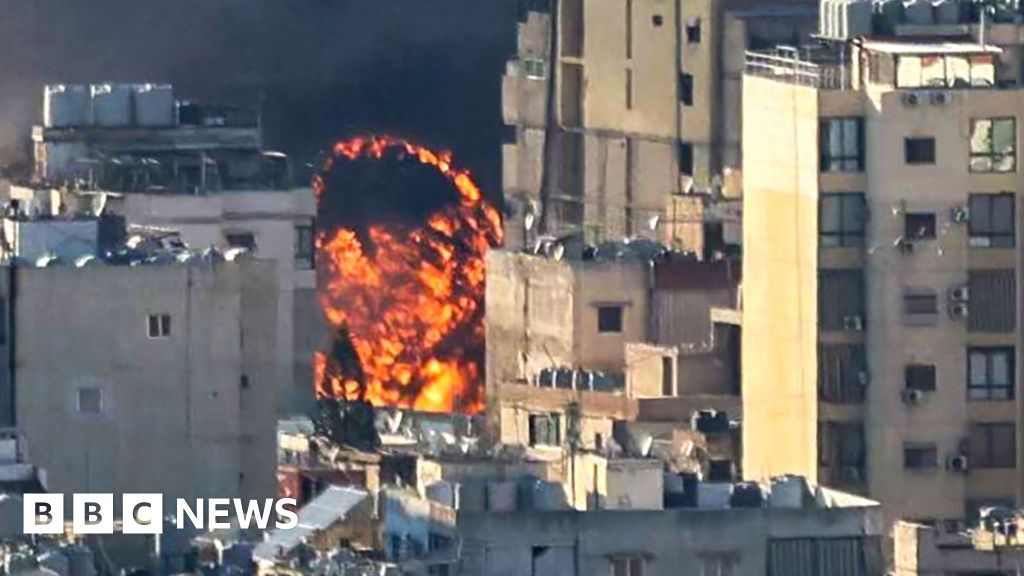
Israel hits Beirut as evacuation alarm sparks chaos

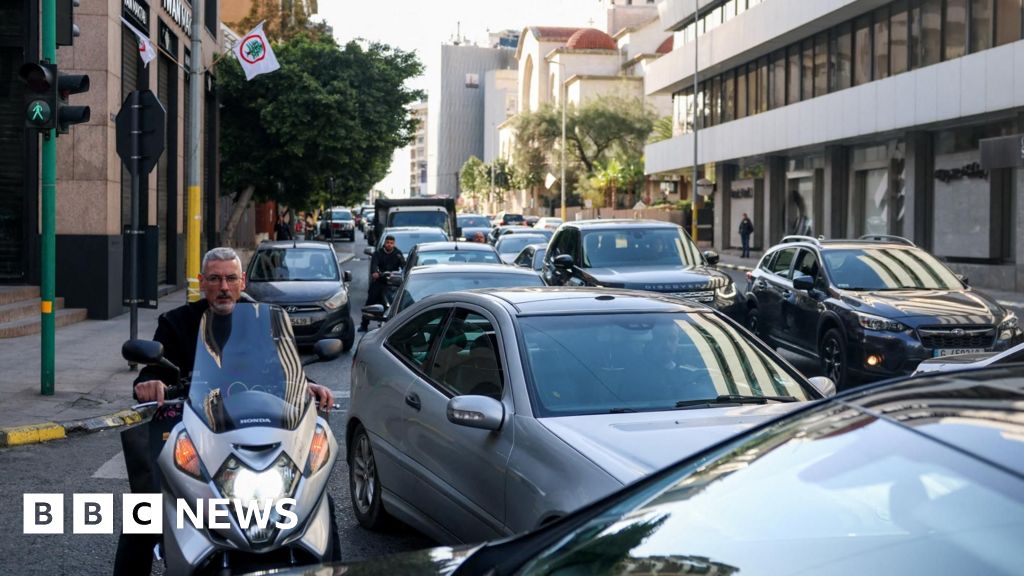
In a stark display of increasing regional instability, Lebanon is experiencing unprecedented chaos as massive traffic jams snake through the streets of key cities, a direct consequence of the urgent evacuation orders issued by authorities. The government’s plea for civilians to evacuate the Hezbollah stronghold signals a significant escalation in the ongoing conflict, which has seen Israel intensify its military operations across Lebanon. These developments have not only heightened tensions within Lebanon but have also sent ripples through the geopolitical landscape of the Middle East, risking a broader regional confrontation.

Israeli forces have launched a series of targeted strikes designed to weaken Hezbollah’s military capabilities, which are believed to be fortified inside the Lebanon. Analysts suggest these actions are a critical phase in what many call a long-brewing effort by Israel to dismantle what it perceives as an existential threat from the Shiite militant group. The escalation has drawn international attention, with United Nations representatives calling for restraint and urging all parties to avoid further civilian casualties. Yet, the situation remains volatile, with the possibility of widening conflict serving as a grim warning to global powers.

Historians and geopolitical analysts warn that this surge of violence could have far-reaching consequences. According to international security experts, the decision to escalate military action marks a pivotal moment that may redefine the balance of power within Lebanon and the broader Middle East. The United States and European Union are closely monitoring the situation, balancing their condemnation of violence with diplomatic efforts aimed at de-escalation. However, some regional analysts argue that such measures are insufficient, emphasizing that history shows how minor conflicts often spiral into full-scale regional wars with devastating impacts for generations.

The geopolitical impact of this ongoing conflict extends well beyond the borders of Lebanon. As international organizations grapple with the fallout, neighboring countries are ramping up military preparedness, and global markets tremble at the prospect of wider destabilization. Many schools of thought, from conservative strategists to cautious diplomats, warn that this current trajectory could ignite a new chapter of hostility and harsh divisions that threaten to engulf the entire Middle East in chaos. The unfolding events challenge traditional paradigms of peace and security, demanding urgent and coordinated international responses that may ultimately alter the fabric of regional alliances and global diplomacy.

As the dust settles on this tumultuous chapter, history bears witness to the profound impact of every decision made in moments of crisis. The world now watches with bated breath, understanding that this is not merely a regional skirmish but a turning point that could very well shape the course of history for decades to come. One thing remains clear: in a world where geopolitical shifts happen in the blink of an eye, the true cost of conflict is measured not just in territory, but in the fragile hopes of a future undisturbed by the shadows of war.
Iran-backed militias escalate assaults on US, Israel, and allies

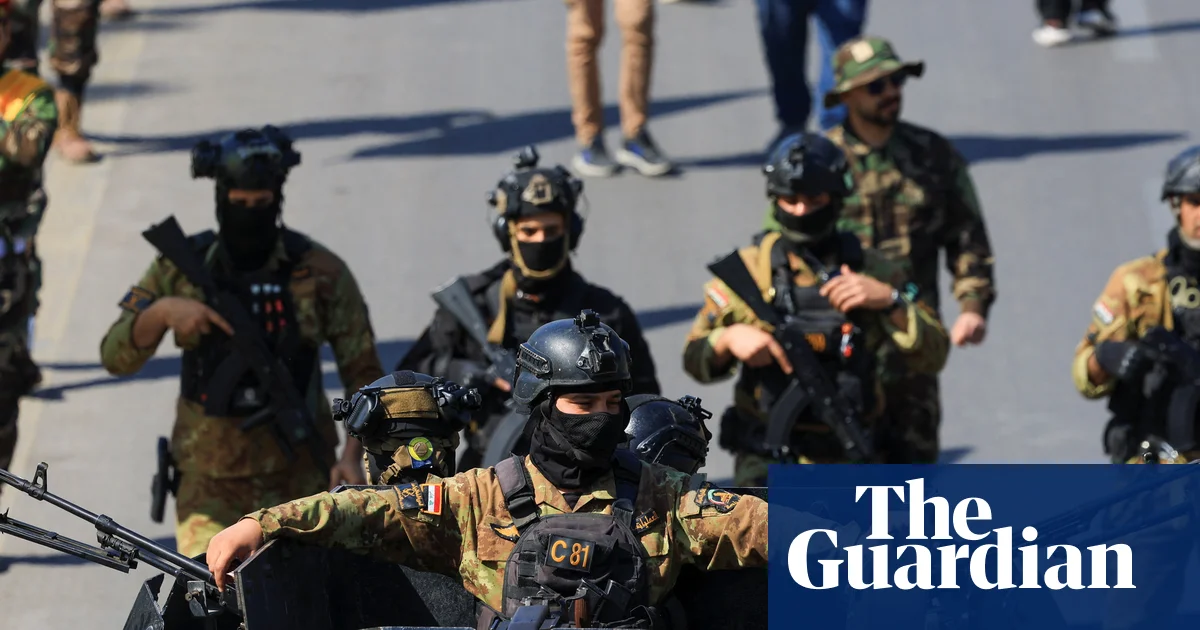
The Middle East is once again teetering on the brink of broader chaos as Iran-backed militias in the region escalate their attacks against Israel, the United States, and their allies. This intensification comes in the wake of a contentious U.S.-Israeli offensive aimed explicitly at Tehran’s network of militant groups. The conflict, rooted deeply in regional rivalry and decades of proxy warfare, is now drawing in new armed actors, with Iraq emerging as a pivotal battleground where covert and overt confrontations threaten to ignite a wider regional conflict. Analysts warn that the ongoing violence not only jeopardizes regional stability but fundamentally alters the geopolitical landscape, pushing global powers into a dangerous game of escalation and strategic ambiguity.

Since the war’s recent outbreak, militias loyal to Iran have launched dozens of attacks across Iraq, targeting American and Israeli interests in multiple countries. These attacks, often clandestine, include missile strikes and drone assaults from Iraqi territory into neighboring Jordan, efforts to cripple Iranian Kurdish opposition infrastructure, and attempted missile launches from southern Iraq—highlighting a clear escalation of proxy hostilities. According to prominent regional analysts and former intelligence officials, Israel and the US are actively engaging in targeted airstrikes and special operations to weaken pro-Iranian militias’ capabilities, aiming to dismantle Iran’s influence in Iraq and the broader Middle East. However, as these measures intensify, so does the risk of wider escalation, with officials in Washington considering the mobilization of Iranian Kurdish groups potentially for *an invasion of Iran’s northwest*, marking a new and dangerous phase in the regional proxy war.

The geopolitical impact of these events cannot be overstated. The long-standing US-Iran rivalry, which has played out through the proxy networks spanning from the Indian Ocean to the Mediterranean, is now manifesting in overt violence and strategic countermeasures. Iran’s investment over decades in a coalition of militias—such as Kataib Hezbollah—aims at both deterring external attacks and projecting influence regionally. The recent surge in attacks on militia bases, including alleged Israeli drone operations, signals a shift toward clandestine and asymmetric warfare. Historically, many specialists, including scholars from Chatham House and military analysts, argue this escalating chaos is as much about Iran’s existential resilience as it is about regional dominance. Dozens of fighters have been killed in retaliatory strikes, and unexplained explosions have reportedly disabled Iraqi radar systems, raising fears of a covert war waged from the shadows.

Furthermore, the broader regional implications are ominous. The “axis of resistance,” long a thorn in Israeli and Western interests, has been dented but not broken, as Iran’s allies like Hezbollah and Hamas remain poised but deliberately cautious. Recent Israeli offensives in Lebanon and the threat posed by Iran’s Houthi allies in Yemen hint at an expansion of the conflict. Meanwhile, analysts suggest that Iran’s strategic reserves include the Houthis, which may be held in reserve for a future escalation should Tehran perceive its regime’s survival as truly at risk. The potential deployment of proxies and the possibility of internal destabilization signals that the conflict is less about immediate territorial gains and more about a profound fight for influence and survival—a war fought through shadows and subversion, with the stakes nothing less than regional dominance and ideological supremacy.

As history continues to unfold in this volatile theatre, the world stands at a threshold. The ongoing proxy battles in Iraq, Syria, and across the Middle East are shaping a story of resilience and resistance, underpinned by fierce ideological commitments and strategic calculations. Every missile fired, every drone launched, and each unexplained explosion is a chapter in a larger narrative of a region caught between superpower rivalries and the relentless pursuit of influence. The outcome remains uncertain, but one truth persists: this is more than a regional dispute—it is a pivotal moment in the shaping of the Middle East’s future, with the weight of history swinging in the balance, waiting for the next move that could usher in either a fragile peace or a catastrophic escalation.

Israel hits Lebanon in response to Hezbollah rockets amid Iran tensions

In a stark escalation of the ongoing border tensions between Israel and Lebanon, the Lebanese health ministry has confirmed that a tragic toll of 31 civilians was inflicted by recent Israeli airstrikes. The devastation wrought in Lebanese territory underscores a significant juncture in the region’s persistent conflicts, threatening to ignite broader regional instability. Meanwhile, no Israeli casualties have been reported, further complicating diplomatic narratives and fueling accusations from Lebanese authorities and regional allies.

This escalation arises amidst a backdrop of fragile ceasefires and heightened rhetoric, with Israel citing security concerns over militant activities from Hezbollah, the Iran-backed Lebanese political and military organization. Analysts from international security think tanks warn that such targeted strikes could set a dangerous precedent — one that risks spiraling into a broader confrontation that could draw in regional powers and destabilize Mediterranean geopolitics. The international community, including the United Nations and regional actors, has called for restraint, emphasizing the potential for these hostilities to unravel decades of fragile peace, with wide-reaching consequences.

Historical perspectives provided by scholars and geopolitical experts highlight the intricate web of alliances and enmities that often underpin such flare-ups. Many point to a pattern of border skirmishes that have become proxy battles in the ongoing fight for regional influence. The United States, Russia, and European Union nations continuously reassess their strategic interests amid the chaos, with diplomatic efforts aimed at de-escalation. However, some voices, including regional analysts and seasoned diplomats, warn that recent events could mark a turning point — a moment where temporary ceasefires give way to a more sustained cycle of violence, threatening stability in the Levant.

  • The Lebanese government condemns the strikes, asserting that they violate international law and violate Lebanon’s sovereignty.
  • Israeli officials maintain the strikes were precision operations targeting militant infrastructure.
  • The UN calls for an immediate ceasefire, emphasizing the protection of civilians amid mounting casualties.
  • Regional powers like Egypt and Jordan have expressed concern while urging diplomatic resolution.

As the world watches, the region stands on a knife’s edge, its history echoing with the ghosts of past conflicts and the shadows of future ones. With each airstrike, the geopolitical landscape shifts—altering alliances, fueling insurgency, and shaping societies. For Lebanon, a nation already scarred by civil war and economic collapse, the loss of life at the hands of external military actions rekindles imagery of a fractured past. For Israel, the campaign continues to be justified as essential for national security but risks escalating into an uncontainable regional war. The international community remains caught in the web of diplomatic uncertainty, watching anxiously as history relentlessly unfolds its next chapter, whispering the ominous possibility that this latest cycle of violence could either be contained or ignite the spark for a new era of chaos.

Iran blasts US and Israel for strikes that killed 108 students—who's really responsible?
Iran blasts US and Israel for strikes that killed 108 students—who’s really responsible?

Emerging Uncertainty as US and Israel Silence on Recent Strike Near Military Installations

In an unfolding situation that has captured international attention, the United States and Israel have yet to officially confirm their involvement in a recent strike targeting a locale positioned near elite military troops. The incident, which reportedly took place in a strategic area, has raised numerous questions about the geopolitical ramifications of covert military actions in an already volatile region. While details remain murky, the absence of formal statements from key allies underscores a broader pattern of ambiguity that pervades modern conflicts—where the line between deniability and deliberate signal is often blurred.

This silence by Washington and Jerusalem fuels speculation about the degree of coordination and strategic intent behind such military operations. Analysts suggest that this could be a calculated move aimed at testing regional reactions or sending a discreet message to adversaries without escalating to full-scale confrontation. As noted by geopolitical experts and seasoned historians alike, covert actions often serve as a form of strategic ambiguity, allowing powerful actors to maintain leverage while avoiding immediate diplomatic fallout. The incident comes at a time of heightened tensions in the broader Middle East, where proxy conflicts, political upheavals, and international rivalries continue to shape the landscape.

The geopolitical impact of this event extends beyond the immediate region, with repercussions rippling through global alliances and security frameworks. The United Nations and numerous international watchdogs have expressed cautious concern, emphasizing the need for clarity and restraint. Yet, it is clear that decisions made in backrooms—or through clandestine military strikes—carry profound implications for how nations calibrate power, sovereignty, and security. Historically, similar covert interventions have often led to prolonged instability, as seen in the conflicts of the past where blurred lines between war and diplomacy have resulted in unintended consequences.

Renowned analysts and historians warn that this silence could presage a new era of plausible deniability and strategic unpredictability, which tend to destabilize already fragile peace accords. The absence of transparent communication complicates efforts for diplomatic resolution, potentially pushing the region toward further escalation. As diplomatic channels remain clogged and global powers weigh their responses, the world is left to wonder: are we witnessing a calculated escalation or the quiet prelude to a larger, more destructive conflict? In an era where information is weaponized and regional stability fragile, the choices made today will inevitably shape the course of history—leaving a trace in the annals of international diplomacy that will be studied for generations to come.

US and Israel Hit Iran: What’s Happening Now

In a dramatic escalation of tensions in the Middle East, reports confirm the assassination of Iran’s Supreme Leader, Ali Khamenei, marking a defining moment in the ongoing regional crisis. Claimed by former US President Donald Trump on social media, the death followed relentless waves of airstrikes across Iran, resulting in devastating casualties and destruction. As the world watches in alarm, the geopolitical landscape shifts rapidly, with international powers aligning on different fronts.

Iran’s government responded with a fierce barrage of retaliatory strikes targeting key American and Israeli military installations across multiple countries. The attacks included missile strikes on Tel Aviv, injuries at Dubai International Airport, and missile hits on U.S. naval bases in Bahrain. Such widespread conflict threatens to ignite a full-scale regional war with far-reaching consequences. Analysts warn this could fundamentally alter the balance of power, pushing the Middle East into a new era of instability and chaos. The UAE’s interception of the majority of Iranian projectiles and the destruction at Dubai’s iconic landmarks highlight the risk of an uncontrollable escalation that could draw the entire international community into a vortex of violence.

The international response has been swift yet conflicted. Leaders across the globe, including the UK, France, and Germany, issued statements condemning Iran’s attacks but stopped short of endorsing the US-Israeli regime change strategy. The UN Security Council convened an emergency session, with some nations emphasizing diplomacy and others lamenting the missed opportunities for de-escalation. Despite calls for restraint and negotiation, the situation appears to be spiraling beyond control, reminiscent of historical moments where diplomacy was sacrificed for war. The United States, divided along partisan lines, sees the conflict as a justified response, with Republicans largely supporting the strikes, while many Democrats decry what they call an illegal act that could have catastrophic global repercussions.

The geopolitical impact extends beyond immediate military confrontations. The death of Khamenei, whether real or orchestrated, signals a possible power vacuum that could lead to internal chaos and shifts within Iran’s political structure. Historically, such pivotal moments have either led to internal reform or intensified authoritarianism—either way, the societal fabric of Iran faces upheaval. Meanwhile, the broader Middle East stands at a dangerous crossroads, with countries like Lebanon and Kuwait experiencing the ripple effects of the conflict—fuel shortages, civil unrest, and economic instability—signaling how decision-making today will shape generations to come. As global powers navigate their interests amid this crisis, the careful balance between diplomacy and military action will determine whether peace endures or if we are on the brink of a prolonged regional war.

In this unfolding chapter of history, the essence lies not only in the immediate aftermath of violence but in the choices that will define a future where the shadows of conflict cast long over nations and societies. As international leaders grapple with the weight of their decisions, the world remains perched on the precipice of chaos—where the pen, or in this case the missile, might yet dictate the legacy of a generation. The question remains: Will diplomacy prevail, or are we witnessing the opening act of a new global confrontation, where the echoes of history’s darkest moments threaten to resurface anew?

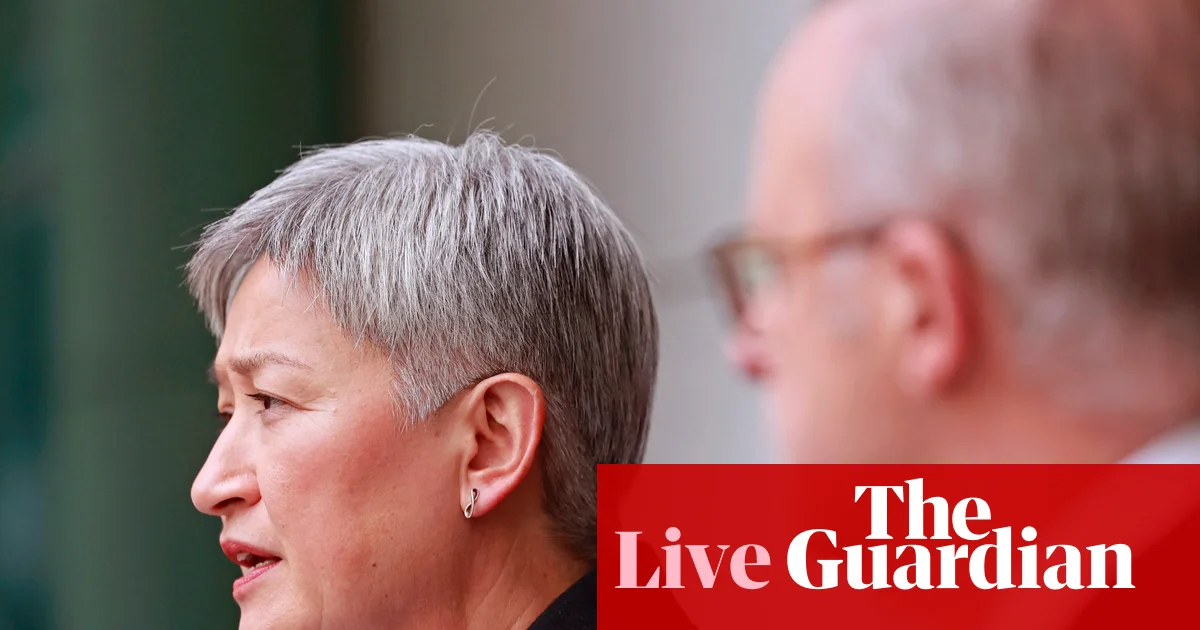
Australia’s Security Chiefs Prepare as US and Israel Target Iran

Global Tensions Erupt as United States and Israel Launch Strikes on Iran: A New Phase in Middle East Conflict

The international landscape has undergone a dramatic shift overnight as U.S. and Israel forces initiated what many are calling a “new illegal bombing campaign” against Iran. This escalation marks a pivotal moment in the ongoing saga of Middle East instability, with global implications reverberating across geopolitical fabric. The decision, condemned sharply by world analysts, underscores a renewed commitment by the western alliance to counter Iran’s ballistic missile and nuclear programs—an effort that many critics argue risks spiraling into a full-scale regional conflagration.

This surge in hostilities follows mounting concern over Iran’s “destabilising force,” as Australian Prime Minister Anthony Albanese recently characterized the regime, citing concerns about its support for armed proxies, acts of internal repression, and foreign aggression. Australia, echoing the sentiments of several allies, declared its support for U.S. and Israeli actions aimed at curbing Iran’s nuclear ambitions. The move is rooted in a broader international effort spearheaded by organizations like the United Nations to maintain global peace, but it also raises serious questions about the potential consequences of escalation.

Historically, analysts such as Middle East political experts warn that interventions resembling the overnight strikes have demonstrated a troubling tendency to escalate existing conflicts. “This is not just a tactical military move, but a turning point that could reshape the entire region,” comments Dr. Samuel Levine, a geopolitical analyst at the London Institute for Strategic Studies. The attack, which reportedly resulted in the death of at least sixty children due to strikes on Southern Iran, serves as a stark reminder of the human cost inherent in such conflicts. Iran’s regime responded with defiance, claiming the strikes threaten international stability while risking severe repercussions for their own population.

How International Decisions Shape Societies and Power Dynamics

The geopolitical impact of these recent actions extends far beyond the immediate violence. Countries aligned with the West are now navigating a treacherous path of diplomatic and military posture, with some European nations voicing concern about civilian casualties and potential regional collapse. The United States and Israel portray these strikes as necessary for global security, but critics argue that such unilateral military actions betray the principles of international law and risk unleashing chaos. The UN Security Council faces mounting pressure to respond, though its effectiveness remains uncertain amidst vetoes and geopolitical rivalries.

In Australia, the government’s principled stance aligns with historic allies’ push for a tough approach; yet, it also underscores the increasingly complex reality of a multipolar world where regional and global powers clash. Many international observers, including seasoned diplomats and analysts, warn that these decisions could ultimately empower more aggressive factions within Iran or ignite wider regional conflicts, dragging in other powers and increasing the threat of nuclear proliferation. The specter of civilian suffering, especially among innocent children, looms large, prompting urgent calls from human rights organizations for restraint instead of escalation.

Concluding Reflections: A Turning Point or a Pandora’s Box?

As the dust settles on this night of military action, the future remains uncertain. Will this marked escalation lead to a decisive turning point in bringing stability or merely open a Pandora’s box of violence and chaos? Historians like Prof. Michael Carter warn that peace is often sacrificed at the altar of intervention, with unintended consequences lurking behind every strategic move. The world stands at a crossroads — with each decision echoing through history’s vast corridor, shaping the narratives of future generations. The unfolding chapter in the Iran conflict leaves humanity vulnerable and vigilant, a stark reminder that the question of peace is often a battle fought as much in the minds and hearts of nations as on the battlefield.

Her Father's Gaza War Grave Destroyed by Israel: Aussie Military Woman Seeks Justice and Truth
Her Father’s Gaza War Grave Destroyed by Israel: Aussie Military Woman Seeks Justice and Truth

The ongoing conflict in Gaza has once again underscored the devastating consequences of regional instability on historical and national memory. Recent satellite imagery reveals significant damage and possible destruction of the Gaza War Cemetery, where Australian soldiers from World War II are buried. The mutilation of these graves, reportedly caused by the Israel Defense Forces (IDF) during military operations, has stirred a global outcry, especially among families of the fallen and nations who hold those sacrifices sacred. Wilma Spence, among many, mourns the apparent obliteration of her father’s grave—an act she perceives as a profound disrespect to those who served and died for freedom.

This incident exemplifies how international conflicts are not contained solely within theatres of war but have profound effects on societal memory and diplomatic relations. The IDF’s justification—that graves were destroyed to address “underground terrorist infrastructure”—fails to quell skepticism among international observers and veteran communities. The Commonwealth War Graves Commission has expressed concern over the damage, with experts warning that the full extent of destruction may take years to repair. Such actions, analysts argue, threaten to rewrite history and undermine the moral authority of nations committed to safeguarding their war dead—especially when these graves symbolize sacrifice amid the chaos of global confrontation.

The geopolitical impact of these incidents extends beyond grief. Regional powers like Israel are engaging in complex military operations that often blur the lines between combatant and civilian zones, raising questions about international accountability. The diplomatic fallout influences alliances, aid policies, and international perceptions of legitimacy. The withdrawal or destruction of war graves challenges the notion of respect for tradition and international law, igniting debates on how contemporary military actions should reconcile with historical memory. Experts from institutions like The International Crisis Group warn that such acts may fuel resentment and be exploited by proxy groups, jeopardizing prospects for lasting peace in the region.

Meanwhile, families of the fallen, such as Wilma’s, highlight the broader social consequences. The loss of grave sites not only erases physical symbols of heroism but also scars collective memory and national identity. Wilma’s persistent efforts—writing to government officials and demanding accountability—illustrate the ongoing struggle of societies to reconcile military necessity with moral obligation. As President Isaac Herzog of Israel prepares to visit Australia amidst rising tensions, the question remains: will world leaders uphold their responsibilities to preserve history, or will the tides of warfare continue to wash away the foundations of collective remembrance?

The future of international diplomacy hinges on how these controversies are addressed. Will international organizations step in to enforce respect for war graves, or will regional and global powers prioritize strategic interests over historical dignity? The unfolding narrative leaves an indelible mark, emphasizing that in a world fraught with conflict, history—whether in the form of graves or memories—is both a heritage and a battleground. As witnesses like Wilma watch their ancestors’ resting places vanish, the weight of history presses heavily on the present, casting a shadow over the promise of peace and remembrance. The story of the Gaza war cemetery is not merely about physical destruction; it is a stark reminder that the consequences of war resonate across generations, shaping the destiny of nations and the moral fabric of humanity itself.”

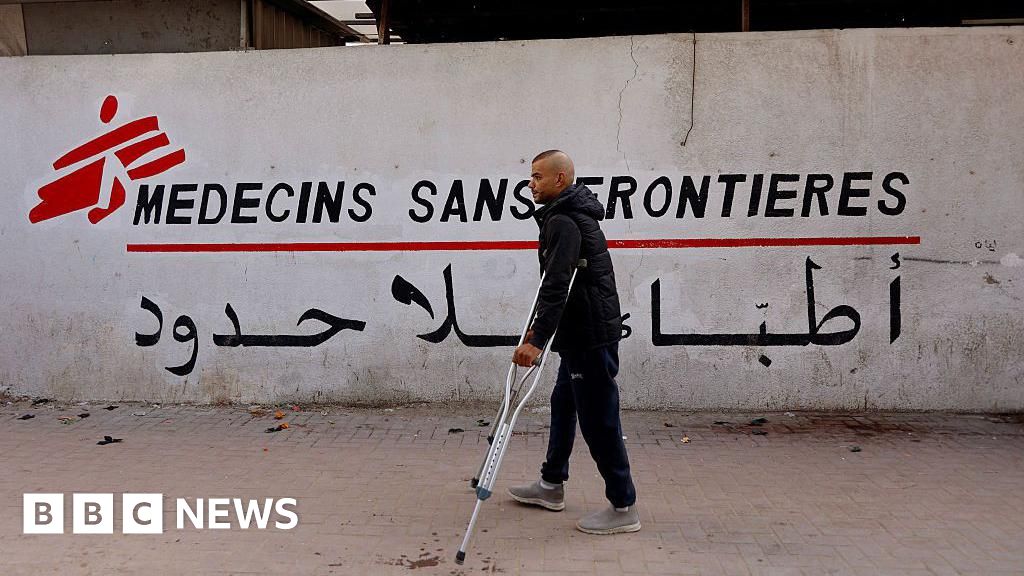
Israel bans MSF from Gaza over staff list refusal

In an era marked by geopolitical upheaval and rising international tensions, the decision by Medical Sans Frontières (MSF) not to disclose its recent operational list underscores the growing complexities faced by humanitarian organizations working in the world’s most volatile regions. Citing safety concerns for its staff, MSF emphasized that sharing detailed operational information could jeopardize the lives of its personnel amidst ongoing conflicts. This stance reflects a broader awareness among NGOs that, in a fractured global landscape, the safety of aid workers increasingly depends on delicate, often clandestine, planning and secure communication channels.

The refusal to publish operational data highlights a critical shift in how aid agencies navigate conflict zones. Analysts note that, since the escalation of violence in regions such as Syria, Yemen, and parts of Africa, aid organizations face unprecedented risks—not only from hostile armed groups but also from collapsing governments and chaotic border controls. The decision by MSF also signals the urgent need for international institutions to reevaluate security protocols and reinforce the safety frameworks for humanitarian missions. Without transparency, however, the international community faces increased difficulty in assessing the scope of humanitarian needs and coordinating effective responses.

Historians and geopolitical analysts warn that these developments have a far-reaching geopolitical impact. As aid organizations retreat into silence, state actors and warring factions may interpret their silence as weakness or disorganization, potentially emboldening further aggression or territorial expansion. Furthermore, the United Nations and other multilateral bodies find themselves caught between the necessity of diplomatic engagement and the realities of dangerous operational environments. The decision by MSF underscores a growing consensus: the safety of aid workers is now an integral part of the larger geopolitical struggle for influence and stability in fragile states.

Veteran analysts warn that these trends could significantly influence future international responses to crises. Noted geopolitical strategist Jonathan Rees emphasizes that the loss of transparency could hinder diplomatic efforts—reducing international pressure on conflict parties to cease hostilities, while encouraging more clandestine and unpredictable violence. As global power dynamics continue to shift, and as nations prioritize national security concerns over international humanitarian commitments, the world stands at a crossroads. The ongoing challenges faced by organizations like MSF serve as a stark reminder: the very fabric of humanitarian work is intertwined with the volatile and often violent realities of contemporary geopolitics.

In the shadow of these unfolding events, history beckons us with a somber warning. As aid agencies grapple with the dangerous landscape of today’s conflicts, the question persists: will the international community rise to secure both the lives of aid workers and the stability of zones torn apart by war? Or will silence become the new language of diplomacy, leaving countless vulnerable populations without aid? The answer, undoubtedly, will further define our era—a chapter written in the blood and resilience of those caught in the crossfire of history’s relentless march forward.

Israel Reopens Gaza Crossings After Confirming Hostage's Body
Israel Reopens Gaza Crossings After Confirming Hostage’s Body

Unfolding Crisis: Israel, Gaza, and the International Stakes

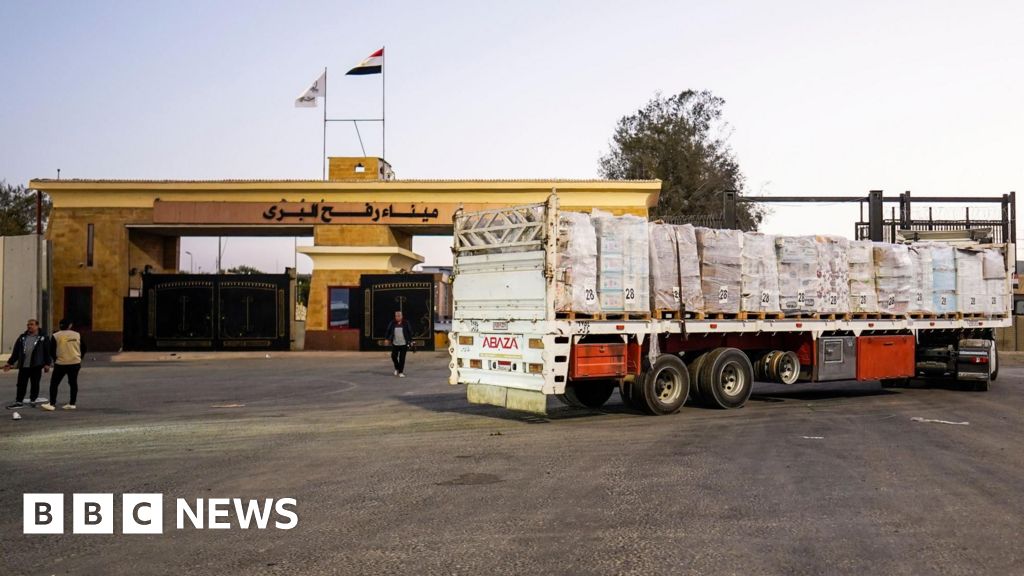
The ongoing turmoil surrounding Gaza and Israel has transitioned into an uncertain period of diplomacy intertwined with military operations. Recent developments reveal that Israel has conditioned the reopening of the key border crossing at Rafah — the critical gateway between Gaza and Egypt — on the retrieval of the remains of Israeli soldier, Master Sgt. Ran Gvili, who has been held captive since the Hamas-led attack of October 7, 2023. According to Israeli authorities, the military has launched focused searches in northern Gaza, including efforts at Gaza City cemeteries, reflecting a broader strategy to solidify leverage over the fragile ceasefire and future negotiations.

This move signifies a turning point in Israel‘s approach to the Gaza conflict, where security concerns have repeatedly overshadowed diplomatic efforts. Prime Minister Benjamin Netanyahu‘s government announced a *limited reopening* of the Rafah crossing for pedestrian traffic, accompanied by comprehensive Israeli inspection mechanisms. Such measures, as reported by Haaretz, include oversight of entry and exit lists and additional screening points along the territory’s Yellow Line, which delineates the area under Israeli control. These stringent controls underscore the prioritization of security over humanitarian access, reflecting the intense pressure on Israeli policymakers amid the ongoing search operations and warfare repercussions.

Global Mediation and the Fragile Peace Process

Meanwhile, international mediators, including U.S. officials led by special envoy Steve Witkoff and Jared Kushner, have intensified diplomatic efforts. Recent meetings with Israel’s leadership signal a push to implement phase two of former President Donald Trump’s peace plan—aiming to establish a new Palestinian government in Gaza, oversee reconstruction, and enforce full demilitarization, including disarmament of Hamas and allied groups. This ambitious agenda remains in jeopardy, as ongoing military operations and deep-seated mistrust threaten to undermine any progress.

The continuation of violence has brought profound humanitarian consequences, with reports of over 71,650 casualties — a figure that highlights the devastating toll on civilians under the Hamas-led military campaign. The Gaza health ministry, controlled by Hamas, provides grim documentation of this human cost, casting a long shadow over the prospects for peace. Such devastation has prompted debates among analysts and historians about whether the cycle of retaliation and blockade can be broken, or if the region is heading toward an inexorable future of conflict.

The Geopolitical Impact and Future Uncertainties

The unfolding events demonstrate how U.S. and European efforts to mediate peace are coupled with realpolitik. The conditional reopening of the Rafah crossing and Israel’s intensified search for Gvili’s remains illustrate a complex negotiation matrix, where security concerns dominate and humanitarian needs are often sidelined. Analysts warn that these military and diplomatic maneuvers could deepen regional instability. Moreover, Egypt’s stance on the border underscores the delicate diplomatic dance, insisting on open movement in both directions to facilitate the return of Palestinians displaced by war. Such demands complicate international efforts and reflect the intricate web of regional interests at stake.

As international organizations, including the United Nations, monitor these developments, historians and geopolitical strategists warn that humanity stands at a crossroads. Will this crisis catalyze meaningful peace, or will it spiral into a prolonged saga of violence and despair? The decisions being made today will echo across generations, shaping the future of the Middle East and testing the resolve of international diplomacy. With each military strike and diplomatic handshake, the weight of history lingers, reminding the world that the path to stability remains fraught with peril and temptation, and that the outcome is still clinging to fragile hope or destructive chaos.

Israel hits top Hamas leader in major Gaza strike

The recent precision strike by Israel targeting a senior Hamas commander in Gaza underscores the ongoing volatility and deeply entrenched conflict in the region. The elimination of Raed Saad, the head of weapons production for Hamas’s military wing, the Qassam Brigades, signifies a calculated escalation by Israeli forces amid heightened tensions following the October 7 attacks, which resulted in over 1,200 deaths and more than 250 hostages taken. The extent of this operation reveals the precise nature of Israel’s military approach, aimed at dismantling Hamas’s leadership structure, yet it also amplifies international concerns regarding the broader humanitarian crisis unfolding in Gaza.

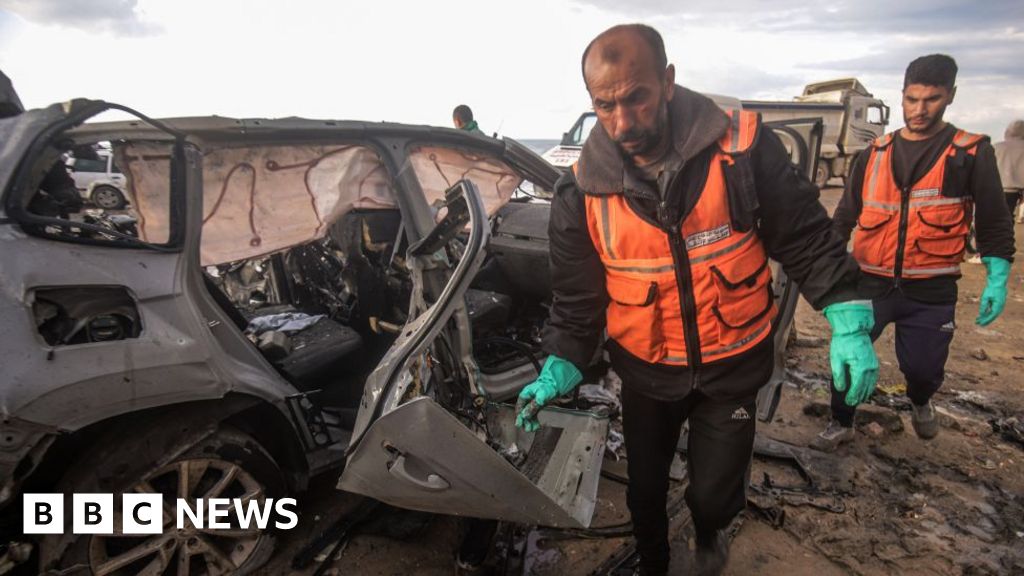
  • In the aftermath, reports from Gaza suggest that multiple casualties resulted from the strike, including Saad’s aide and another lower-ranking official, raising questions about the collateral damage inflicted on civilians.
  • The strike took place within a sensitive border area controlled by Israel, near the so-called Yellow Line, since 10 October, when a shaky US-led ceasefire was established. This fragile peace continues to be tested as violence persists on both sides, with analysts warning of how such targeted killings risk unleashing further cycles of retaliation.
  • Israel’s ongoing efforts to eliminate key Hamas figures, including Saad who had survived multiple prior attempts, illustrates its unwavering resolve to weaken the militant organization’s capabilities. However, critics argue that such tactical moves could undermine the broader geopolitical stability of the region, potentially emboldening hardline factions and complicating diplomatic prospects.

Meanwhile, international organizations and security analysts are closely monitoring how these events shape the ongoing saga of the Palestinian-Israeli conflict. The Biden administration’s support for Israel’s right to defend itself remains firm, even as the humanitarian toll in Gaza mounts to catastrophic levels. The UN and human rights groups continue to voice concerns about the sheer scale of Palestinian casualties—more than 70,000 fatalities reported by Hamas-run health authorities—highlighting the devastating impact on civilians caught amidst military operations. These developments have so far stalled any meaningful progress towards lasting peace, leaving millions in limbo as the specter of war looms large.

Driven by this escalating cycle of violence, the geopolitical landscape shifts once again with the implementation of President Trump’s 20-point peace plan. Its core premise involves disarmament of Hamas, regional de-radicalization, and the establishment of a transitional Palestinian governance under an international “Board of Peace,” overseen by a reconfigured U.S. administration. While many in Israel oppose a Palestinian state, viewing it as a security threat, others see this framework as a potential pathway to stability—if all parties commit to the arduous process of reconciliation. The plan’s future hinges on complex negotiations, with Benjamin Netanyahu set to meet President Trump on 29 December to discuss its prospects, a meeting that could determine whether the region steps toward a long-awaited resolution or descends further into chaos.

As history continues to unfold, analysts warn that the decisions made in these perilous moments will resonate for generations. The fate of Gaza, the resilience of its people, and the security of Israel are all intertwined in a web of geopolitical ambitions and regional loyalties. In this crucible of history, where peace remains elusive, the weight of unresolved conflicts demands not only strategic resolve but visionary leadership—lest the promise of peace be forever overshadowed by the shadows of war.

Social Media Auto Publish Powered By : XYZScripts.com