Matox News

Truth Over Trends, always!

Mafia kingpin linked to deadly Italy murders passes away in Milan jail

In the shadowy world of organized crime, few events have resonated as profoundly as the assassination of Italy’s prominent anti-mafia prosecutor in 1992. The figure behind this brutal act was believed to be “Nitto” Santapaola, a notorious mafia boss associated with the resurgence of the Catania-based Cosa Nostra. This assassination not only marked a pivotal moment in Italy’s long battle against organized crime but also illustrated the dangerous ways in which mafia interests have historically intertwined with broader political and economic spheres across Europe.

Experts and international analysts agree that such targeted killings signaled more than just localized vendettas; they embodied the broader struggle for sovereignty against clandestine criminal influences that threaten the rule of law. The assassination sent shockwaves through Italy and the international community, highlighting the fragility of state institutions in the face of organized crime’s relentless pursuit of influence. The event underscored the importance of unwavering cooperation among international law enforcement agencies and the critical need for comprehensive legal frameworks to combat such pervasive threats.

Within the context of the geopolitics of the early 1990s, this murder became a catalyst for examining the increasing power vacuum lingered by traditional mafia syndicates. As historians note, the crime was not merely a localized act of violence but a reflection of wider shifts within Italy’s political landscape, including the collapse of longstanding political orders and the rise of new criminal alliances that sought to exploit the post-Cold War chaos. The subsequent fallout prompted coordinated efforts among NATO member states and the European Union, emphasizing the need for a unified front against transnational organized crime. Nonetheless, the persistence of mafia influence revealed that the battle for societal sovereignty remains ongoing, often fought through underhanded means and concealed agendas.

The legacy of the 1992 assassination continues to reverberate today, with historians such as Giovanni Falcone and Paolo Borsellino’s deaths serving as enduring symbols of resilience and the peril of unchecked organized crime. International organizations, like INTERPOL and Europol, have intensified their efforts, recognizing the crisis extends far beyond Italy’s borders. Yet, the fundamental question remains: how do nations protect themselves when criminal syndicates operate with institutional impunity and international reach? As we stand on the precipice of future conflicts, where clandestine networks threaten democratic stability from beneath the surface, history compels us to confront the persistent danger lurking within corridors of power and influence.

As the story continues to unfold, the shadow of that fateful day in 1992 looms large—a stark reminder that the battleground for justice persists across borders and generations. The struggle to uphold sovereignty, uphold the rule of law, and combat organized crime is arguably the defining challenge of our era. And as history’s ink is forever inscribed with moments of upheaval and resilience, the world is left to ponder whether the lessons of the past will forge a future where these shadows are finally dispelled, or whether they will continue to threaten the very foundation of civilization itself.
Italy to Extradite Pipeline Blast Suspect to Germany—Justice on the Move

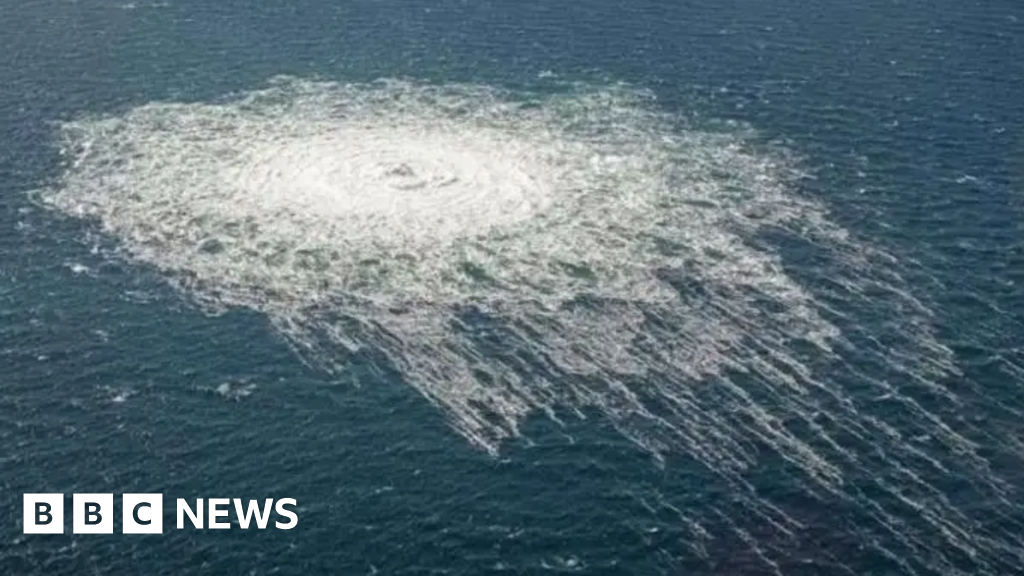
The Nord Stream pipelines, crucial maritime conduits carrying natural gas from Russia to Germany, have become a focal point of international contention following a clandestine attack in 2022. The pipelines, running beneath the Baltic Sea, have long symbolized the intertwined energy dependencies between Europe and Russia. Their sabotage not only disrupted European energy supplies but also ignited a fierce debate over who bears responsibility for undermining European stability and unity. Recently, Italy’s highest appeals court authorized the extradition of Serhiy Kuznetsov, a suspected Ukrainian national, to face charges of sabotage in Germany. This case exemplifies how individual acts, allegations, and international legal proceedings are now deeply enmeshed with broader geopolitical ramifications, pushing nations into complex alliances and divisions.

  • Italy’s top appeals court’s decision to extradite Serhiy Kuznetsov underscores the intensified scrutiny on Ukraine’s role in the pipeline attacks, which Kyiv has vehemently denied orchestrating. Prosecutors in Germany believe Kuznetsov, a former Ukrainian military officer, allegedly coordinated the operation, planting explosives deep beneath the Baltic Sea, an act believed to have potentially altered the trajectory of European energy politics. Though evidence remains classified, the implications for Ukrainian-German relations are profound, revealing the delicate balance between military aid support and accusations of offensive covert actions.
  • Simultaneously, a second Ukrainian suspect, Volodymyr Zhuravlyov, was detained near Warsaw, only to be released by Polish courts which saw his actions as a form of legitimate self-defense amid Russia’s ongoing, brutal invasion of Ukraine. His case highlights contrasting perceptions: some nations view Ukrainian involvement in sabotage as justified resistance, while others see it as an escalation of conflict.

How international decisions and legal proceedings shape geopolitical landscapes

As analysts and history scholars observe, the indictment and extradition of Kuznetsov mark an escalation in how the West perceives and politically navigates the Ukraine crisis. Critics argue that such cases are used to intensify diplomatic pressure on Ukraine and its Western allies, predominantly Germany, which is among Kyiv’s most significant supporters. The narrative surrounding the attack on Nord Stream has become a symbol of the broader struggle between Western interests and Russian influence. Meanwhile, international organizations warn that this legal confrontation could further fracture European unity at a critical juncture, especially as Russia continues its strategic influence campaigns in the region.

The decision to extradite Kuznetsov, viewed by supporters as a step towards justice, is criticized by many Ukrainians and their advocates who see the attack as a hero’s deed to destabilize Russian economic power—an act they celebrate. Yet, other nations worry about the precedent it sets: the criminalization of acts of resistance, which could spiral into wider conflicts or arbitrary prosecutions. The fate of this case remains uncertain, but its repercussions extend far beyond Italy or Germany, emphasizing how individual acts of sabotage now carry the weight of international diplomacy.

As history continues to unfold, the battle over truth and justice in the Nord Stream case underscores a reality where every decision echoes through the corridors of power, affecting societies and the course of nations. In a world teetering on the edge of new alliances and confrontations, it is clear that the recent actions are not just about pipelines or legal technicalities but about the extreme stakes of global influence. The penultimate chapter remains unwritten, and the weight of history presses heavily upon the shoulders of the current generation—witnesses to a pivotal moment where the future of European stability, and perhaps the entire continent’s destiny, hangs perilously in the balance.

Avalanche in Italy claims five lives, including father and daughter—tragedy strikes the mountains

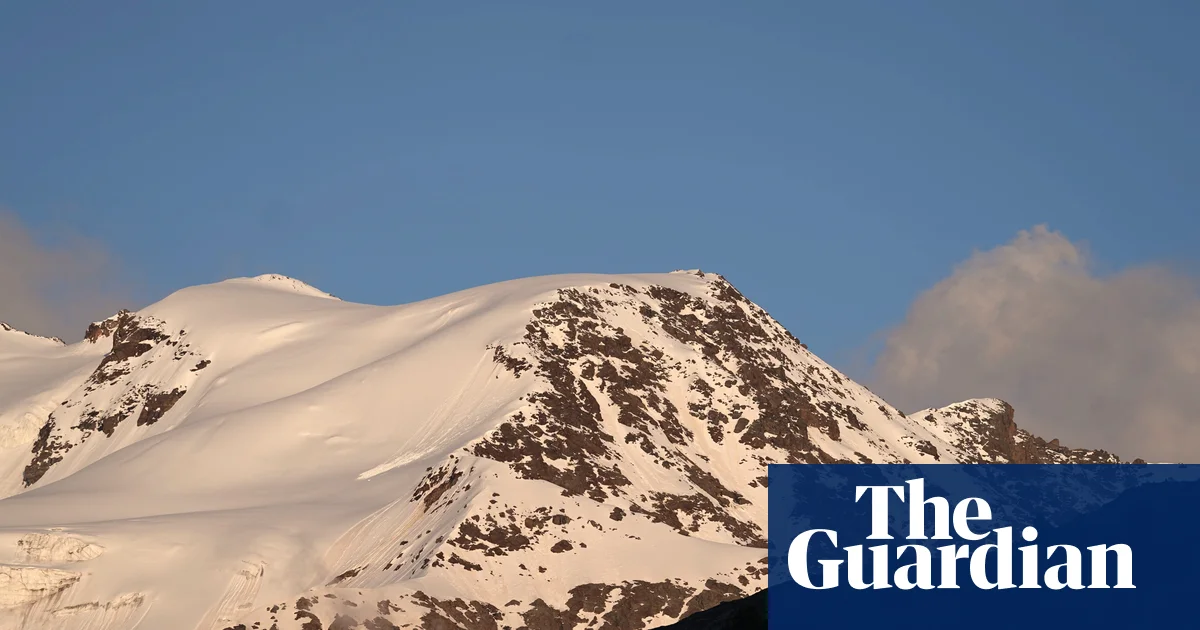
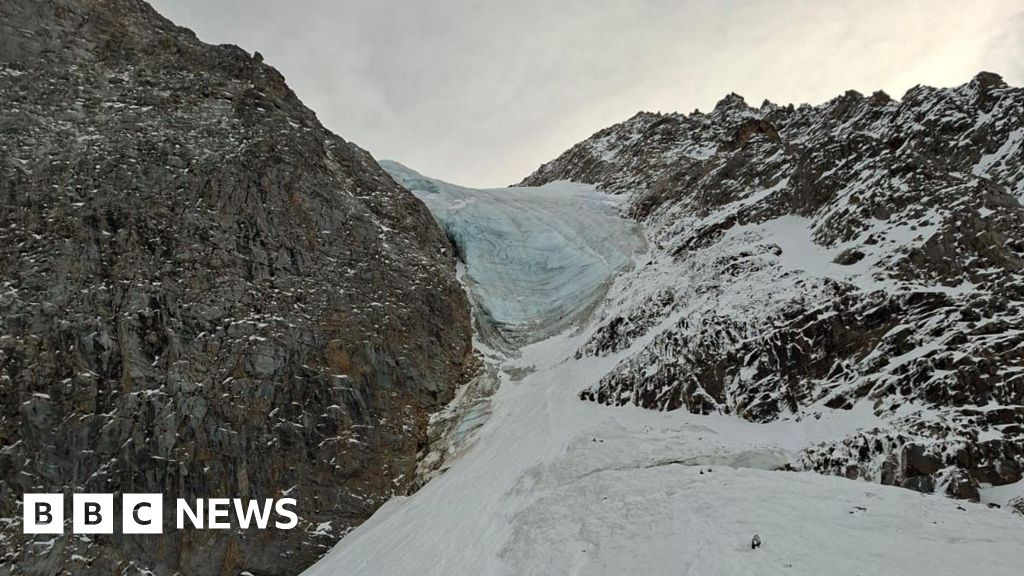
The recent avalanche tragedy in Italy’s Dolomite mountains has cast a stark light on the growing dangers posed by shifting climatic conditions in iconic alpine regions. Five German mountaineers, including a 17-year-old girl and her father, lost their lives amid a sudden and destructive snowslide on Cima Vertana in the spectacular yet perilous Ortler Alps. This incident underscores the multilateral risks confronting modern mountain sports, even as thousands of enthusiasts continue to pursue adventure in these treacherous terrains. The event has ignited alarm within international mountaineering circles and has prompted urgent questions about how climate anomalies are magnifying the risks faced by climbers worldwide.

According to rescue officials, the avalanche was likely triggered by recent snowdrifts that had failed to bond with the underlying ice, a phenomena increasingly associated with the unpredictable impacts of climate change. Olaf Reinstadler, spokesperson for the Sulden Mountain Rescue Service, pointed out that weather conditions had been generally favorable, yet the timing of the climbers’ ascent—late in the afternoon—may have contributed to the tragedy. This detail raises questions about safety protocols and the decision-making processes of climbers venturing into high-risk terrain when visibility and daylight are waning. As rescue efforts resumed after initial delays caused by fog and low visibility, the bodies of the father and daughter were recovered at 2,600 meters, leaving the international community to grapple with the implications of such incidents amid a changing climate.

The geopolitical impact of rising mountain hazards extends beyond individual tragedies, affecting tourism, regional economies, and international perceptions of risk. The European Union, along with regional authorities, must grapple with how to adapt mountaineering safety standards in light of climate irregularities and unpredictable weather patterns. These events have sparked debate among environmental analysts and historians—some warn that the allure of mountain adventure may be increasingly overshadowed by danger, calling for tighter regulations and better forecasting tools. Organizations such as the United Nations Environmental Programme have emphasized the pressing need to consider the broader environmental shifts contributing to such disasters, framing climate change as a threat to human safety and cultural heritage in alpine zones.

As the echoes of this tragedy fade into memory, the unfolding story of climate variability and human resilience continues to write itself into the annals of history. The mountain’s silent verdict — a reminder that uncontrolled natural forces are reshaping our world — hangs heavy over Europe, urging nations and communities to reconsider how they coexist with the increasingly unpredictable natural landscape. Each rescue mission, each loss, pushes this narrative forward: the question of how society can adapt and survive in a world where even the majesty of the mountains can turn deadly in a heartbeat.

Five German climbers tragically killed in avalanche in northern Italy

The Italian Alps, long a playground for European thrill-seekers, have recently claimed another tragic chapter in their storied history of mountaineering accidents. Five German mountaineers lost their lives after being caught in a deadly avalanche near the summit of Cima Vertana in the Ortles mountain range. The harsh realities of the high-altitude environment and the increase in dangerous backcountry activities highlight a broader issue that resonates far beyond Italy’s borders.

Rescue authorities reported that the avalanche struck around 4 pm on a Saturday, an hour when many climbers are seeking to reach or descend from the peaks. The victims belonged to three separate groups, each pursuing their own ascent independently—an indication of the expanding appeal and accessibility of alpine mountaineering among amateurs from Germany and neighboring nations. The bodies of three hikers—two men and a woman—had been recovered by Saturday evening, while two others— a man and his 17-year-old daughter—were tragically found the following morning. The incident illustrates how a single event can cascade into a national tragedy, emphasizing how choices to pursue dangerous pursuits without regard for conditions can have fatal consequences.

This tragic event is not isolated but instead underscores a persistent risk that endures across the European mountain regions. Avalanche accidents remain a significant concern in the Italian Alps, where fatalities average higher than in other major ski nations over the past decade. According to international hazard assessments, these tragedies are often compounded by factors such as unpredictable weather, increased snowpack, and rising numbers of adventure tourism enthusiasts heading into remote, less-charted terrains. European mountaineering experts warn that the increase in accidents correlates with more adventurous tourists eager to exploit fresh snow—an unfortunate risk that highlights the ongoing struggle between human ambition and nature’s unforgiving power.

The geopolitical impact of such incidents extends beyond individual tragedies, stirring debates over safety regulations, tourism policies, and regional cooperation in mountain rescue operations. As the Alpine regions attract record numbers of visitors from across the continent—to boost local economies and foster international camaraderie—the responsibility to ensure safety becomes a shared issue among nations. European organizations, including the European Avalanche Warning Services and Mountaineering Federations, are increasingly calling for standardized safety protocols and better risk education, yet gaps persist in enforcement and resource allocation. Meanwhile, the Italian government and local authorities are under pressure to balance economic interests—such as tourism—with the imperative to protect lives in increasingly perilous environments.

International analysts point to a broader climate shift and changing weather patterns that threaten to escalate the frequency and severity of natural disasters in mountainous regions, making the call for international cooperation even more urgent. In the words of historians, such as John Lewis Gaddis, history often teaches that human hubris and underestimation of nature’s power can have profound consequences. The recent avalanche serves as a stark reminder that in regions where nature’s beauty masks its ruthlessness, decisions by a few can alter the course of history—not just for those directly involved, but for entire societies watching from afar. As rescue teams brace for more adverse weather conditions, the stories of these five mountaineers become part of a larger narrative—one of ambition, vulnerability, and the relentless call of the mountain, echoing across borders and generations, whispering that the unfolding story of our highlands remains unwritten, and the weight of history presses ever closer.”

Woman who skipped Italy trip loses child benefits, sparking debate on social spending

The recent episodes within Britain’s welfare and social security framework underscore a profound shift in how social issues are approached, driven by data inaccuracies and strict policy enforcement. In a society where family stability depends on reliably accessible benefits, the stories of families like Sally’s reveal the harsh repercussions of a system increasingly reliant on incomplete or flawed data. Despite the apparent intent to curb welfare fraud, the implementation has inadvertently targeted law-abiding citizens, exposing a societal tension that demands urgent reform.

During a routine holiday to Italy, Sally’s family encountered a bureaucratic nightmare when HMRC wrongly inferred her family had emigrated, leading to the abrupt stopping of child benefits for her three children. This was not a case of fraud but rather a consequence of disconnected and incomplete official records—a pattern that has affected over 23,500 families in recent weeks, as documented by reports. Sociologists such as Patrick Nolan highlight that these policies, which rely on data from the Home Office and airline booking systems, fail to account for the complex realities of modern families. The reality is that many families, like Sally’s, are victims of a ‘digital dragnet’ where administrative errors create devastating human impacts, especially for children directly affected by the loss of vital support.

This situation spotlights significant social fabric concerns—families, already strained by economic pressures, are now battling a system that treats their circumstances as mere data points. Children’s welfare hinges on benefits that, when unjustly cut, threaten their education, health, and stability. Ethical questions surround the moral responsibility of government institutions that must balance the need for fraud prevention with the humane treatment of their citizens. The stories of families like Alex’s, who had voluntarily opted out of benefits but faced threats otherwise, exemplify how misuse or misinterpretation of data can generate overreach and erode trust in social services. Experts like sociologist Alice Smith warn that such policies risk alienating communities, fostering a sense of mistrust that undermines social cohesion.

Critics argue that the current effort to save millions annually might come at an unsustainable moral cost. The psychological toll on families subjected to intrusive data demands—such as bank statements, insurance claims, and travel evidence—raises fundamental questions about privacy and individual rights. HMRC’s recent reevaluation and apology indicate a recognition of errors, yet the damage inflicted on families remains. As historian Dr. John Carter observes, history shows that overly bureaucratic systems tend to alienate citizens when they forget the human element. Going forward, a balanced approach that uses comprehensive data verification while safeguarding personal dignity is essential if society is to foster trust and resilience in its social safety net.

In the tangled web of policies and technological reliance, society faces a vital challenge: transforming a system that, in its current form, risks alienating the very people it aims to serve. Ensuring that families are protected, communities restored, and social justice upheld requires more than just algorithms and data—what is needed is a moral commitment rooted in understanding and respect for human dignity. As society strives to adapt to these evolving social issues, the hope remains that genuine reform—based on integrity, transparency, and compassion—can eventually illuminate a path toward a more equitable future where the safety net is not woven from flawed data but from unwavering human trust.

Santu Lussurgiu: The Sardinian Town Guarding an Unexpected Sip of Heritage

Embracing Heritage and Wellness: The Spirit of Sardinia

Living in harmony with tradition often leads to unexpected insights about ourselves and our environment. Sardinia, a rugged island of rocky hills and caves, exemplifies this philosophy through its centuries-old craft of making filu ‘e ferru — a potent, fennel-flavored spirit also known as “burning water.” Remarkably, for over 400 years, the small town of Santu Lussurgiu has cultivated this distinctive liquor, blending history, culture, and an unyielding spirit of independence that resonates with today’s health-conscious, lifestyle-seeking youth. As an all-natural, handcrafted beverage that arose from centuries of local innovation, filu ‘e ferru exemplifies the value of embracing roots while fostering a broader sense of wellness rooted in tradition.

Historically, this fiery elixir was more than a simple drink; it was intertwined with community health, medical practices, and local rituals. Distilled from wine—rather than the usual grape marc—it contains a rich, refined potency achieved through copper stills, making filu ‘e ferru truly unique. According to distiller Carlo Psiche, whose family has been reviving this tradition since the 1960s, this spirit embodies a wellness shift that aligns with mindful consumption. While it reached the peak of its popularity in the 19th century, thanks to the efforts of villages like Santu Lussurgiu, which housed around 40 distilleries, the spirit’s clandestine production persisted under the shadow of police raids and secret signals. Today, though legal restrictions have loosened, the culture around making and sharing filu ‘e ferru remains deep-rooted, both as a testament to resilience and a symbol of community identity.

The Spirit of Resistance and Lifestyle Liberation

In the past, police raids on distilleries were frequent, and families would hide their bottles underground or behind secret signals, reinforcing the notion that heritage conservation often necessitates a rebellious spirit. Today, this underground history has transformed into a source of pride and prideful preservation of culture. For many Sardinians, brewing filu ‘e ferru at home is an act of standing firm against the homogenization of modern life; it’s an expression of personal sovereignty, wellness, and community bonding. The spirit’s distinct flavor—softened with fennel seeds, sometimes infused with absinthe—mirrors the layers of resilience built into Sardinian culture. Psiche’s ongoing practice, which includes aging in oak barrels and using the family’s vintage alembic still, exemplifies a lifestyle that values artisanal quality over mass production—an important lesson for young aficionados seeking authenticity and personal impact in their leisure pursuits.

An Invitation to Embrace Heritage and Lifestyle Shifts

As the modern world offers endless options, the stories of Sardinia’s filu ‘e ferru take us on a journey beyond mere consumption. They remind us that wellness is often rooted in connection to place, tradition, and community, elements crucial in an era marked by disconnection and over-commercialization. The renewed appreciation for handcrafted, natural spirits reflects a broader lifestyle shift towards authenticity and personal impact, encouraging youth to seek meaningful experiences and embrace cultural heritage without compromise. Whether enjoyed as a digestif, a toast during special moments, or a ritual remembering those who have passed, filu ‘e ferru invites us to view our own lives as an ongoing journey—one where tradition and innovation harmonize into something truly extraordinary, crafting not just spirits but a way of living inspired by resilience, authenticity, and a respect for history.

  • Explore the rich culture behind age-old recipes and learn how community traditions influence wellness and lifestyle choices.
  • Understand that making personal, artisanal goods—be it spirits or other crafts—can be an empowering way to reconnect with roots and foster self-sufficiency.
  • Appreciate how cultural resilience embodies a broader attitude of embracing your own journey, challenges, and heritage to define your lifestyle with purpose.

In the end, living well isn’t just about health or leisure; it’s about embracing your unique narrative—honoring the past, shaping the present, and inspiring the future. Sardinia’s spirit, with its fiery history and unbreakable community, reminds us that our true strength lies in the roots we choose to nurture and the stories we continue to tell.

Italy Responds Strongly to Gaza Aid Flotilla Incident, Sends Frigate for Support

Drone Attack on Global Sumud Flotilla Sparks International Controversy

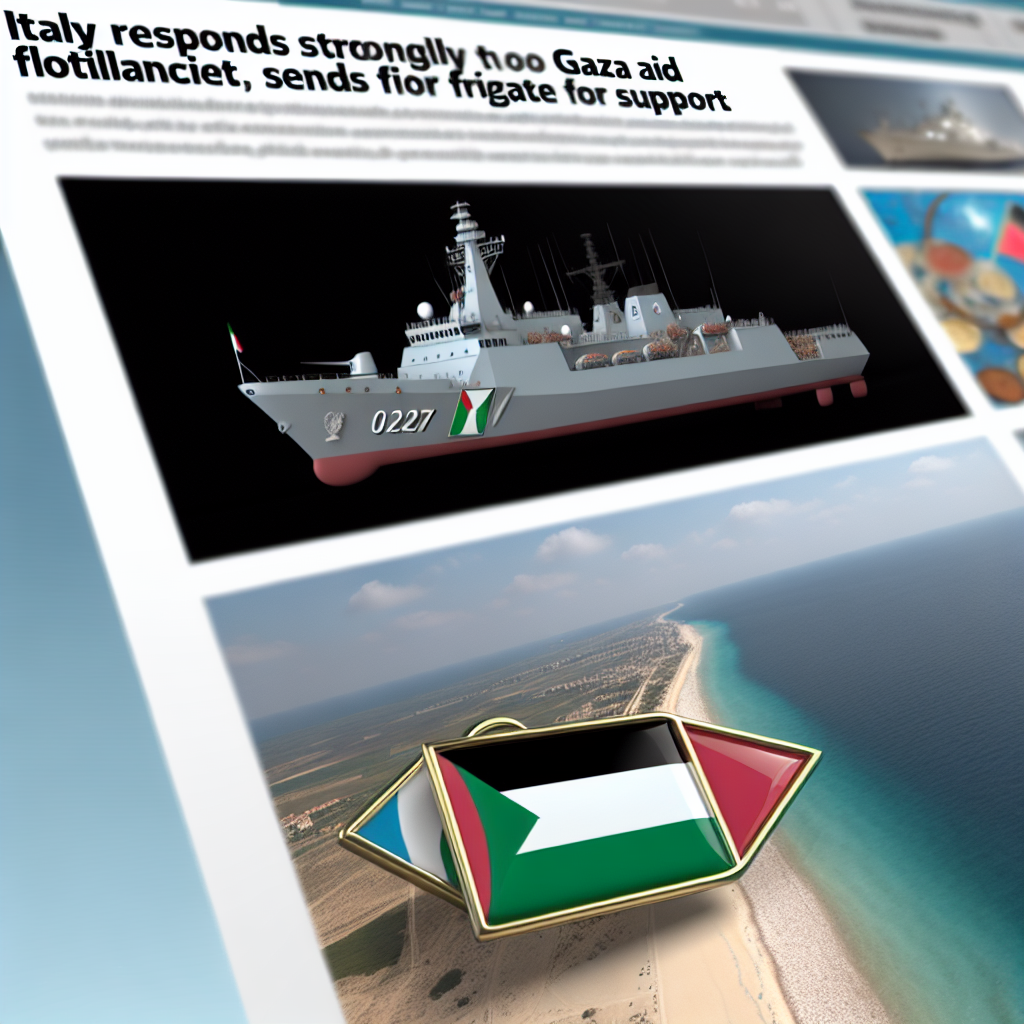
Italy’s Defense Minister, Guido Crosetto, condemned a recent drone attack on the Global Sumud Flotilla (GSF), which attempted to breach Israel’s naval blockade of Gaza to deliver humanitarian aid. The incident occurred approximately 50 kilometers south of Crete, in what has been characterized as an aggressive escalation by unidentified forces. To safeguard Italian citizens aboard the flotilla, Crosetto announced the deployment of an Italian Navy frigate to the region.

The GSF, comprising 52 vessels, reported multiple explosions and indicated that drones were present during the incident. The organization accused Israel of increasing tensions in an already volatile area. This has led to repercussions not just for passengers on the boats, but also raises broader questions about international intervention and the risks associated with navigating contested waters.

Israeli authorities have maintained a strict stance on the flotilla’s activities. While the Israeli government has refrained from commenting on the latest incident, it has previously declared its intent to prevent the flotilla from reaching Gaza. The Israeli foreign ministry has characterized the mission as being organized by Hamas, urging the ships to deliver their supplies to the port of Ashkelon instead. Israeli officials have reiterated that vessels attempting to breach the blockade would face legal action, citing national security concerns.

Adding further layers to the unfolding situation, environmental activist and prominent pro-Palestinian figure Greta Thunberg, who is involved in the flotilla, labeled the drone attacks as “scare tactics.” This perspective echoes sentiments among supporters of the flotilla who argue for the necessity of humanitarian assistance in Gaza. In response to the crisis, the United Nations has echoed demands for unrestricted humanitarian access, asserting that Israel’s obligation under international law includes providing sufficient aid to those in need.

The backdrop to this incident is a complex humanitarian crisis unfolding in Gaza, exacerbated by ongoing conflict, which has led to severe malnutrition and widespread famine. Reports indicate that since the outbreak of hostilities following the Hamas-led attack on Israel earlier this month, approximately 440 Palestinians have died from malnutrition-related causes. In light of these statistics, the GSF claims its mission is critical for breaking what it refers to as an “illegal siege” and for opening a humanitarian corridor to support the beleaguered population of Gaza.

The implications of the drone attack extend beyond immediate concerns for those aboard the flotilla. It raises critical questions about the legality of naval blockades, the role of international observers in conflict zones, and how countries like Italy choose to respond in complex geopolitical scenarios. As the situation continues to unfold, the international community remains watchful, closely monitoring responses from both governmental and non-governmental organizations in the context of human rights, international law, and humanitarian efforts.

Source link

Inside Stanley Tucci’s Season 2 Food Tour: The Must-Visit Restaurants in ‘Searching for Italy’

Discover Italy’s Timeless Charm: A Journey of Wellness, Culture, and Inspiration

Italy, a land renowned for its rich tapestry of culture and gastronomy, continues to inspire a global movement towards a _holistic lifestyle shift_. Watching the acclaimed series Stanley Tucci: Searching for Italy transports viewers into a world where food is more than sustenance—it is an experience that nurtures the soul. Each episode invites audiences to explore the country’s regional specialties crafted by talented chefs, revealing how cuisine can be a catalyst for health, leisure, and cultural connection. This approach champions a lifestyle rooted in _authenticity and mindful appreciation_, encouraging young people to rekindle their relationship with local ingredients and time-honored traditions.

At the heart of Italy’s appeal is its _focus on _wellness through culinary simplicity_**, emphasizing fresh, local produce that sustains both body and mind. Liguria, with its breathtaking coastlines from Portofino to Cinque Terre, exemplifies this harmony. Here, the inventive spirit of Ligurian chefs shines through in signature dishes like pesto—a product of a land forced to adapt through rugged terrain, turning adversity into a delicious heritage. Embracing such authenticity offers a blueprint for today’s youth who seek a _balanced lifestyle_ anchored in _mindful eating and active leisure_. Think aromatic fennel, vibrant vegetables, and freshly caught seafood, all sacrificed to no processed shortcuts but preserved in the essence of _healthy living_.

Moreover, this culinary voyage champions regional pride, which rejuvenates communities and fosters _inspirational connection_. From Genoa’s iconic focaccia—salted just right to awaken the palate—to Sardinia’s rugged coasts producing some of the world’s finest lobster; each dish tells a story that transcends taste buds, inspiring a _resilient, community-focused approach to life_. For young travelers and food enthusiasts alike, embracing this _culture of slow food and authentic craftsmanship_ can be equated with a personal renewal—an active choice to forge a lifestyle aligned with wellness, leisure, and cultural pride.

  • Visit Liguria’s charming villages of Portofino and the Cinque Terre for an immersion in coastal beauty and local delicacies.
  • Explore Genoa’s secret gastronomic gems such as Antico Forno della Casana, where the signature dimples of focaccia are baked to perfection, emphasizing _mindful indulgence_.
  • Sample Sardinian delights like blue cheese at Caseificio Dicecca, celebrating _regional pride in local ingredients_ that support both health and economy.
  • Experience the slow craft of lamb prepared in ancient Greek clay in Martone, a reminder that _patience and tradition_ are vital for true wellness.

In the end, the journey through Italy’s regions reflects a broader narrative: _lifestyle is a voyage_—not merely a routine, but an intentional path inspired by nature, tradition, and community. As Stanley Tucci’s adventures unveil, embracing this rhythm encourages a _personal journey of health, leisure, and cultural pride_. By following Italy’s example—where food becomes a reflection of strength, resilience, and shared heritage—young individuals can cultivate a life that celebrates authenticity and well-being. In doing so, we realize that true wellness is found not only in what we eat but in how we cherish and nurture the world around us, leaving each of us with a legacy of inspired living.

Social Media Auto Publish Powered By : XYZScripts.com