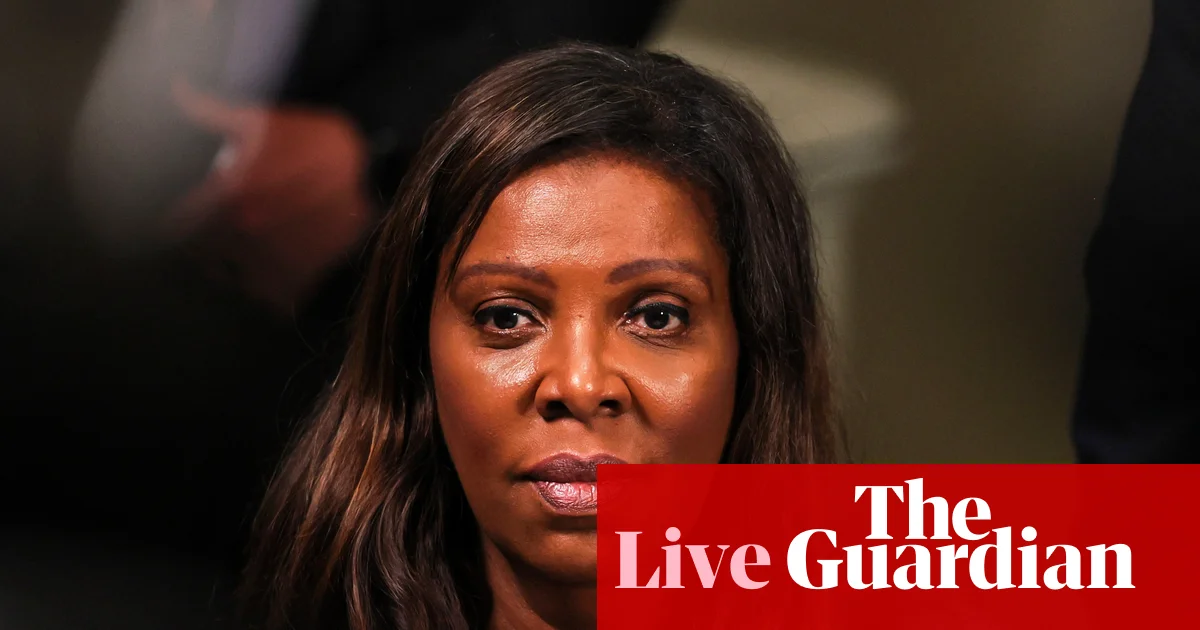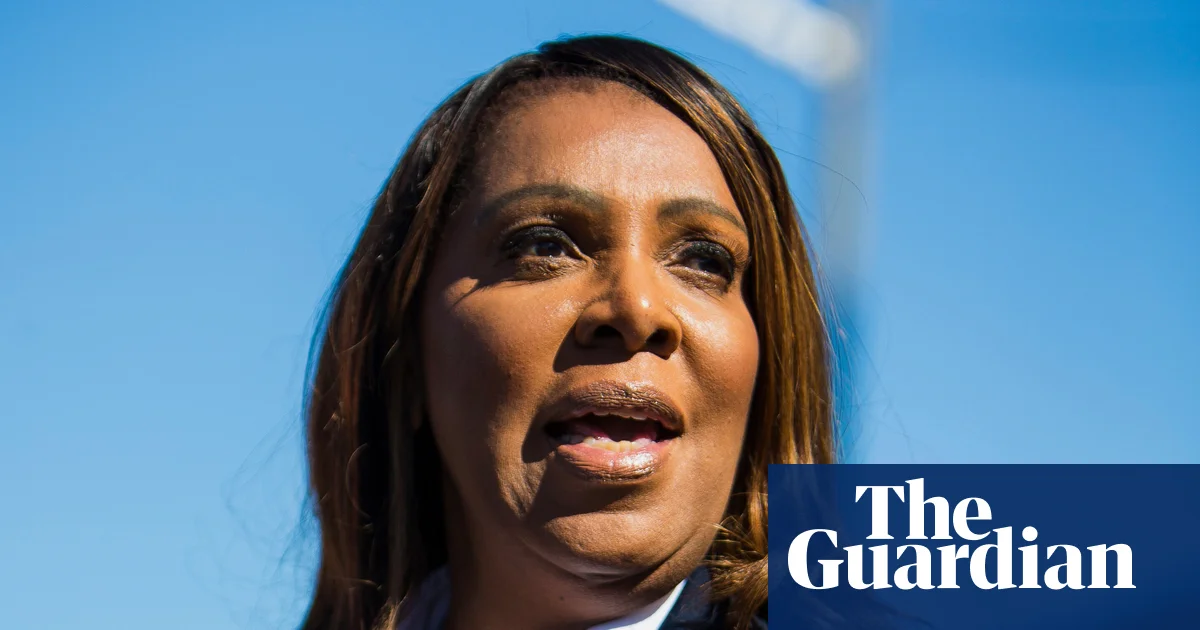

In a noteworthy development that echoes the ongoing internal struggles within the United States’ legal and political landscape, the case against Letitia James, the New York Attorney General, has taken a dramatic turn. A grand jury recently declined to indict her, effectively halting the federal prosecution against one of the sharpest critics of former President Donald Trump. This sequence of events illustrates not only the volatile nature of American internal politics but also highlights the intricate web of legal authority and its potential to influence international perceptions of U.S. justice. The decision comes shortly after a federal judge invalidated a similar mortgage fraud case, citing procedural irregularities, which raises serious questions about the @rule of law within the American legal apparatus@.
Historically, judicial decisions and prosecutorial appointments have often been intertwined with political influence, especially when high-profile figures such as James, who has played a pivotal role in anti-Trump litigation, are involved. The case initially charged James with multiple counts of bank fraud and false statements related to a Virginia mortgage in 2020, with prosecutors alleging she manipulated mortgage terms to gain a financial advantage. However, legal experts and former prosecutors have criticized the flimsy evidence allegedly backing this indictment, suggesting the real motive may be political rather than criminal. The case’s unraveling—further compounded by questions regarding the legality of the appointment of the prosecutor—underscores how internal power struggles can hinder the pursuit of justice and potentially set a precedent for other nations observing the stateside clash of legal interests.
Analysts and international organizations warn that these internal conflicts could **undermine the credibility of the U.S. justice system** on the global stage, especially in an era where American influence is increasingly contested. Historian and legal scholars note that the saga of James reveals how the combination of partisan appointments, procedural technicalities, and political silencing serve to weaken the core principles of an impartial legal system. The controversy over her appointment—being unlawfully extended after exceeding the 120-day Senate confirmation window—demonstrates that even the most powerful federal institutions are susceptible to internal legal contradictions. These developments not only compromise trust within the nation itself but also signal to allies and adversaries that the U.S. system is vulnerable to **politically motivated investigations and prosecutions**.
Beyond the corridors of power, this ongoing saga raises profound questions about how decisions within the U.S. influence relations with allies and adversaries alike. Countries that observe the American legal battles see a nation at a crossroads—its justice system increasingly viewed through the lens of partisan conflict. As international institutions and global analysts cautiously monitor these battles, the potential ramifications extend beyond American borders, impacting geopolitical stability and alliances. The unfolding story underscores a stark reality: as U.S. internal conflicts persist and unfold with relentless intensity, history is writing itself into a new chapter that may challenge the very foundation of American authority and influence, leaving nations worldwide to wonder whether the home of liberty is still capable of upholding the rule of law or is merely succumbing to internal division.