Matox News

Truth Over Trends, always!

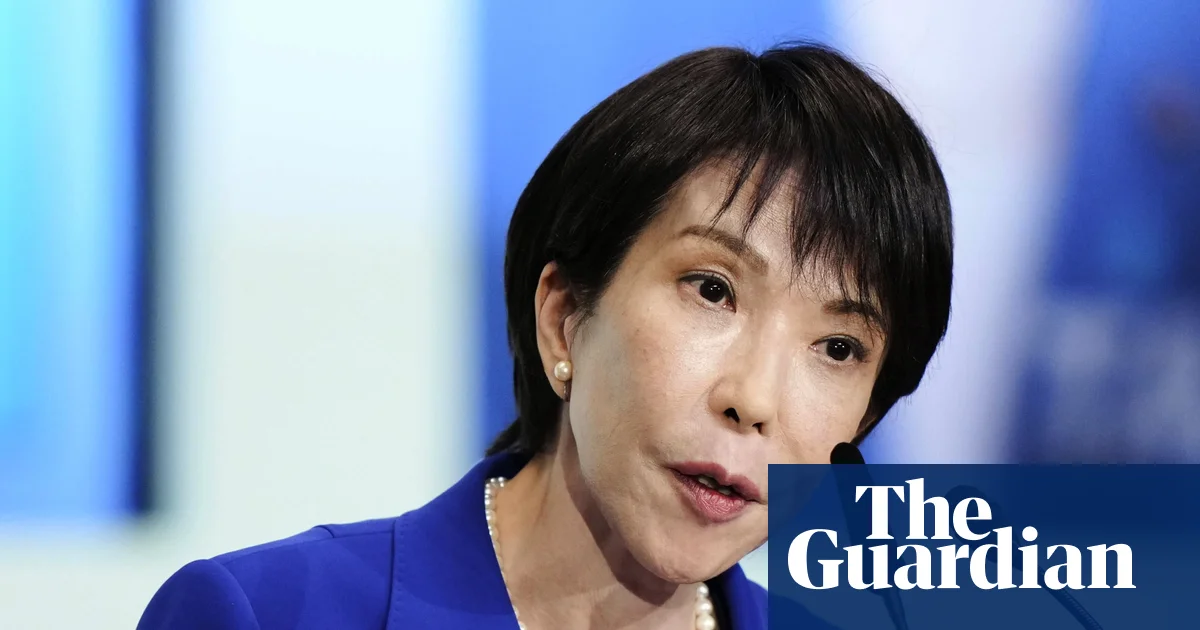
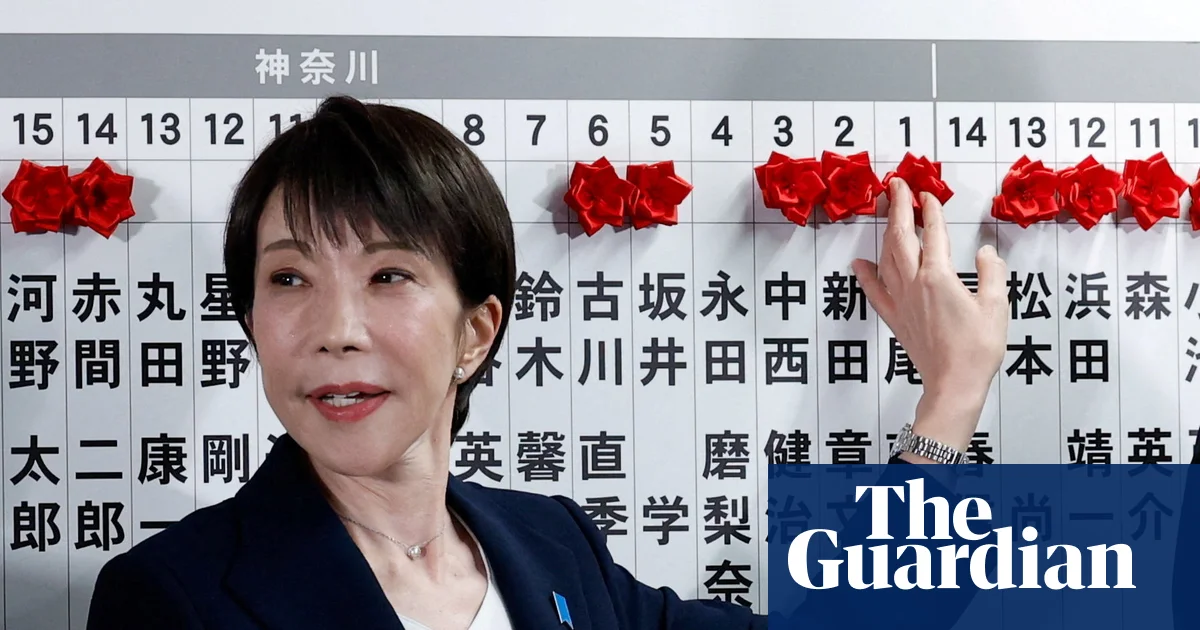
Japan’s conservatives, led by Sanae Takaichi, secure big win in decisive election victory

Japan has undergone a decisive political shift, cementing its conservative roots with a landslide victory in recent elections that will undoubtedly shape regional and global geopolitics for years to come. The Liberal Democratic Party (LDP), under the leadership of the newly re-elected Sanae Takaichi, secured as many as 328 of 465 seats in the lower house of parliament—surpassing the 233 needed for a majority—thus establishing a supermajority of two-thirds. This electoral triumph signals not only a domestic mandate for Takaichi’s policies but also a strategic move in Japan’s ongoing response to the complex geopolitical environment of the Indo-Pacific region. The election results, in the face of fierce winter storms and low voter turnout, reflect a societal lean toward stability and a reassertion of nationalist conservatism amidst mounting regional tensions.

However, the victorious leader’s ambitious agenda is shadowed by the mounting economic and diplomatic challenges facing Japan. Takaichi’s pending policy initiatives—most notably a ¥21 trillion stimulus package and proposed suspension of the 8% consumption tax on food—have sparked concern among financial markets, which worry about Japan’s ballooning debt—more than twice its GDP—and the potential for currency volatility. The fiscal policy debate epitomizes a broader question: can Japan maintain its economic stability while pursuing aggressive social spending reforms? As noted by international analysts, Japan’s debt burden remains the heaviest among advanced economies, raising fears that reckless fiscal expansion could ignite turbulence in global markets, especially if coupled with a weakened yen. Yet, Takaichi’s promise to prioritize responsible investment, echoing her admiration for Margaret Thatcher, signals her intention to balance growth with fiscal prudence. The internal political landscape, however, remains dynamic as her victory grants her greater latitude—but also exposes her to external pressures, especially from neighboring nations.

The regional geopolitical stakes are equally high. Takaichi’s assertive stance on Taiwan—including her recent remarks suggestive of potential military involvement if China attempts to invade—has worsened China’s diplomatic posture towards Japan. The Chinese government responded by urging tourists to avoid traveling to Japan, citing “safety concerns,” and halting cultural exchanges—an unprecedented move that signals heightened tensions. The disruption of decades-old “panda diplomacy” and the deterioration of Sino-Japanese ties could have far-reaching consequences, not only for economic cooperation but also for regional stability. Margarita Estévez-Abe, a political scientist from Syracuse University, suggests that with her fresh mandate, Takaichi might use her newfound political space to repair relations with Beijing; yet, her rhetoric and policies hint at a readiness to confront Chinese influence, especially over Taiwan—an issue that remains a simmering flashpoint. As international observers analyze her intentions, the overarching question becomes whether Japan will pivot towards a more belligerent stance or seek diplomatic recalibration amid the pressures from both the US and China.

Looking ahead, the larger geopolitical impact of Japan’s electoral outcome resonates far beyond its shores. A strong, assertive Japan under Takaichi’s leadership could redefine alliances and military postures in the Indo-Pacific, challenging China’s regional ambitions and possibly prompting a faster militarization of neighboring countries. Furthermore, her domestic policies and diplomatic rhetoric will influence global economic flows—especially if her fiscal policies trigger volatility in currency markets. With her clear intent to bolster Japan’s resilience and sustain growth through strategic investments, the world watches as the nation stands at a crossroads between old pacifist policies and a new assertiveness. As history unfolds, the fate of the Indo-Pacific’s delicate balance hangs precariously—each decision, every diplomatic move, echoing through the corridors of power, shaping the future for generations, and etching new chapters into the annals of international history.
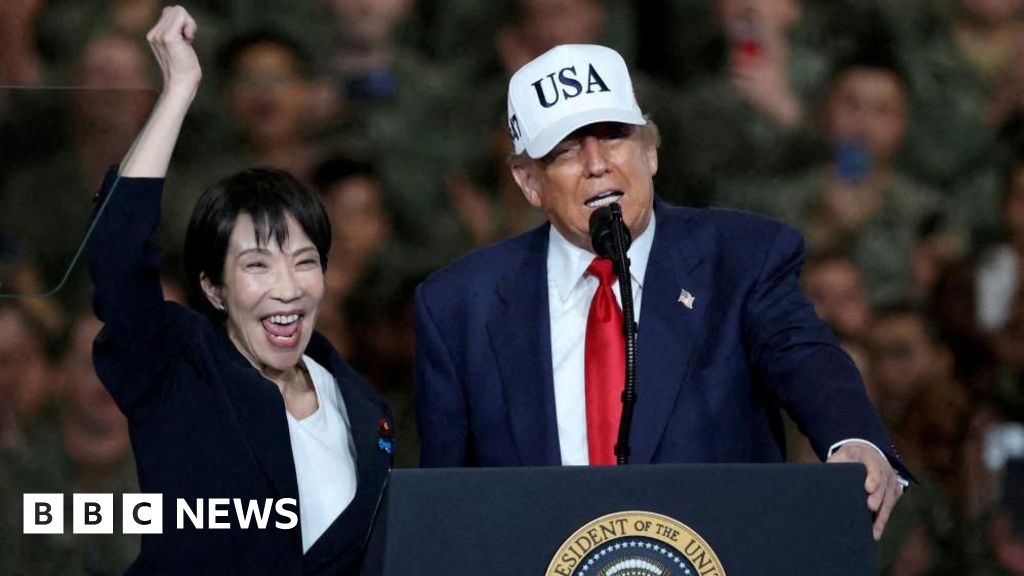
Trump backs Takaichi in Japan’s urgent election push

In an unprecedented move that underscores a significant shift in international geopolitics, the United States has publicly endorsed a candidate in a foreign election for the first time in recent history. Traditionally, America’s foreign policy and diplomatic efforts have focused on supporting democratic processes through behind-the-scenes influence rather than overt backing of specific individuals or parties. However, recent developments suggest a profound change in strategy, with the potential to ripple across global power dynamics.

This intervention has ignited a fierce debate among international analysts, historians, and policymakers. Critics argue that such direct interference contravenes the principles of sovereignty and non-intervention enshrined in the UN Charter and other international agreements. Conversely, proponents within the U.S. government contend that safeguarding national interests often involves strategic engagement in foreign political affairs. This marks a departure from past caution, signaling a more assertive U.S. posture that emphasizes direct influence over the political landscape of key allied and adversarial nations alike.

The geopolitical impact of this overt support extends far beyond the immediate electoral outcome. America’s active involvement could weaken legitimacy for the elected government, complicate diplomatic relations, and embolden adversarial nations to pursue their own interventions. It also raises profound questions about the erosion of international norms regarding sovereignty and free elections. Prominent international organizations, such as the European Union and the G7, have expressed cautious concern, emphasizing the importance of respecting national sovereignty and impartial electoral processes. Meanwhile, many regional leaders worry that this new American posture could unleash a domino effect, where other powers, notably Russia and China, escalate their efforts to influence foreign elections—destabilizing global stability.

Historical analysis by leading scholars underscores that intervention in foreign elections usually backfires, fostering resentment and diminishing long-term American influence. Experts suggest that this move signals a strategic recalibration, possibly influenced by recent geopolitical shifts and the rise of nationalist movements worldwide. According to the International Crisis Group, these actions risk sowing suspicion and hostility in regions where local populations are already wary of foreign interference. The broader narrative now depicts a global arena where power struggles shift from conventional military confrontations to a subtler, yet arguably more dangerous, race for influence through political meddling.

This episode leaves the world teetering on a precipice, with history’s unfolding pages recording a pivotal moment. As the U.S. asserts itself more boldly on the international stage, nations must grapple with the dual realities of defending sovereignty while confronting the new norms of global influence. The question remains: will this strategy reinforce American dominance or ignite a dangerous chain reaction with consequences that could reshape the international order for generations? In the turbulent tides of history, the answer is yet to fully emerge, leaving nations to wonder whether they are witnessing the dawn of a new era or the twilight of diplomatic trust.

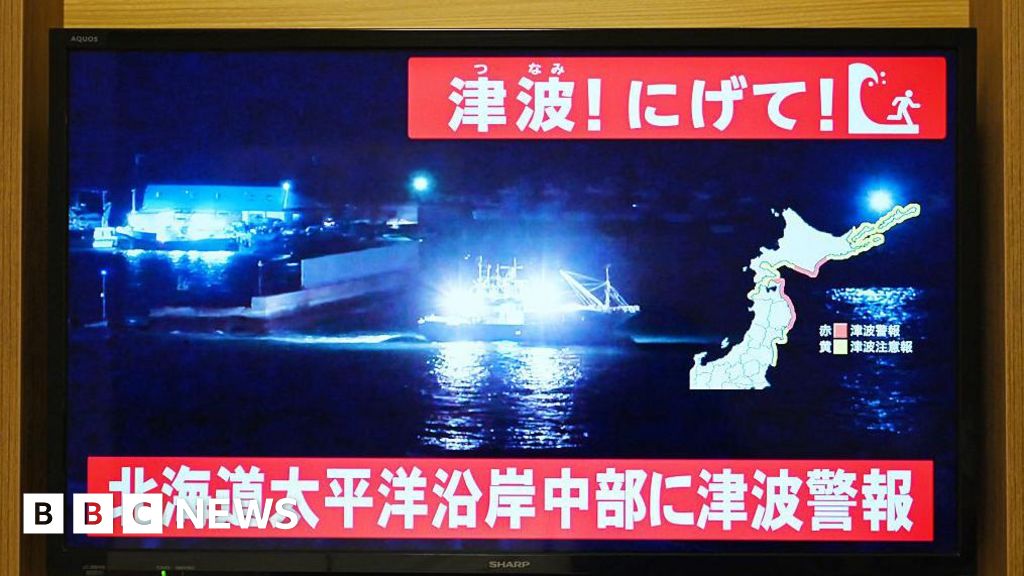
Big earthquake hits Japan’s northeast—youth feel the shake

In a stark reminder of Japan’s geological volatility, a powerful magnitude 7.6 earthquake struck the country’s northeastern coast, igniting fears of a potential tsunami and reigniting debates over the nation’s resilience in the face of natural disasters. The quake, which occurred at a depth of 50km approximately 80km off the coast of Amori, happened at 23:15 local time, and was felt across the region, prompting widespread evacuations and a flurry of emergency measures. Despite the immediate downgrade of tsunami warnings to advisories, the impact on local communities has been profound, with reports of injuries and disruptions to transportation infrastructure, underscoring the enduring threat that Japan’s complex geology poses to its society and economy.

International and national authorities responded swiftly to the crisis. The Japanese government activated emergency response offices within the Prime Minister’s crisis management center, mobilizing rescue and relief operations amidst the chaos. Minoru Kihara, Japan’s chief cabinet secretary, emphasized the relentless efforts to contain the damage and safeguard citizens. Meanwhile, the **Japan Meteorological Agency** underscored that no irregularities were reported at critical nuclear facilities like the Higashidori and Onagawa plants, nor at the **Fukushima** site, where the 2011 catastrophe remains a haunting precedent. Yet, the possibility of secondary disasters, including aftershocks or nuclear complications, continues to loom, echoing the historical trauma of the 2011 catastrophe that claimed over 18,000 lives, a devastating legacy that still influences Japan’s disaster preparedness strategy.

The geopolitical impact of such seismic events cannot be understated. As Japan navigates its path through an increasingly volatile Pacific Ring of Fire, skeptics argue that technological safeguards and disaster readiness must be constantly reevaluated. Analysts from global institutions, including the International Atomic Energy Agency, assess that such earthquakes have broader implications for regional stability, especially as tensions escalate in the Asia-Pacific region on multiple fronts. How Japan responds to these natural crises shapes not only national resilience but also influences regional security architectures, especially in an era where climate change may intensify geological activity. Moreover, the event underscores the importance of global cooperation, disaster response networks, and the need for international organizations to prepare for potential worst-case scenarios that could ripple beyond Japan’s shores, destabilizing neighboring countries and altering geopolitical balances.

As the echoes of the earthquake continue to reverberate across Japan and beyond, history remains a watchful sentinel. The lessons learned from 2011 still resonate—lessons of humility before nature’s immense forces, and the vital importance of preparedness in shielding societies from the fury of earth’s restless crust. With each tremor, the story of Japan’s endurance — and the world’s collective responsibility — is written anew, hanging in the balance of factors beyond human control, yet within the realm of human resolve. The unfolding chapters of this seismic saga serve as a stark reminder: in the theater of global geopolitics, natural catastrophes are both a test and a prophecy—an enduring testament to how fragile yet resilient our shared world truly is.

Japan’s Aging Crisis: Will Tech Be the Solution to Dementia?

Japan’s Aging Crisis Spurs Technological Innovation with Geopolitical Consequences

Amidst a rapidly aging society, Japan finds itself at a critical juncture, where demographic shifts threaten to undermine social stability and economic vitality. With over 30% of its population aged 65 and older—second only to Monaco globally—the island nation confronts a mounting crisis in elder care. Last year alone, more than 18,000 elderly individuals with dementia wandered off their homes in search of safety, with nearly 500 succumbing to the risks. Such tragic statistics are emblematic of a society under mounting pressure, worsened by a shrinking workforce and strict limits on foreign workers, which constricts the nation’s capacity to meet the burgeoning demand for elder care services. International experts, including those from the World Bank, have warned that without innovative strategies, the social fabric of Japan could face profound destabilization.

In response, Tokyo’s government is rapidly pivoting towards technological solutions, placing a heavy emphasis on artificial intelligence and robotics to fill the void traditionally occupied by human caregivers. Recent developments include GPS-based tracking systems for wandering seniors, AI tools like Fujitsu’s aiGait that analyze gait and posture to detect early signs of dementia, and humanoid robots such as Waseda University’s AIREC, designed to assist with everyday tasks like dressing, cooking, and even changing diapers. These innovations are intended not merely as conveniences but as essential pillars supporting the nation’s social order. Such strategic shifts reflect a broader recognition within the geopolitical sphere that technological prowess becomes a critical national asset; the ability to develop and deploy affected elder care can serve as a form of soft power, signaling to the world that Japan remains a leader in innovative resilience amidst demographic decline. But these decisions also carry geopolitical weight, with neighboring powers looking on, aware that the technological race in elder care could shape regional influence for decades.

How decisions made now will ripple through future geopolitics is not lost on international analysts. Some experts argue that China and South Korea, watching Japan’s innovations, are likely to accelerate their own technological investments to secure regional dominance. Meanwhile, Western nations face their own aging crises, turning to Japanese expertise and investments as examples of where technology meets social necessity. Reports from institutions like OECD highlight that the integration of AI and robotics into elder care may reshape labor markets across the globe, reducing dependency on human caregivers and redefining societal notions of human interaction and compassion. Whether these advancements will supplement or supplant the human touch remains a contested debate—one that will influence international perceptions of morality, humanity, and technological supremacy.

As Japan’s government invests heavily in robot caregivers and AI early detection systems, the unfolding story encapsulates a broader theme—a society desperately seeking solutions while confronting the harsh realities of a dwindling nation. The world watches as technological milestones are achieved, yet the true test lies in balancing innovation with empathy—an enduring question in the age of automation. In this crucible of societal change, history is forging new chapters, and the weight of what comes next will resonate far beyond borders—shaping the destiny of humanity amidst the relentless tide of time.

Japan’s ‘One Piece’ singer halts show amid worsening Japan-China ties

In the latest escalation of a rapidly fraying diplomatic fabric between Tokyo and Beijing, a high-profile cultural event in Shanghai was abruptly derailed, underscoring the profound ripple effect of geopolitical tensions on international exchanges. Japanese singer Maki Otsuki, famous for her theme song of the globally beloved anime One Piece, was forced to halt her performance amid ongoing diplomatic hostility. This incident is not isolated but part of a broader pattern of cancelled cultural events that highlight how geopolitical friction directly impacts societies and global soft power dynamics.

Relations between Japan and China have sharply deteriorated in recent weeks, fueled by a controversial statement by Japan’s Prime Minister Sanae Takaichi. She suggested that Tokyo might intervene militarily if China attempts to forcefully unify Taiwan, an island regarded by Beijing as a renegade province. Chinese authorities responded with fury, summoning the Japanese ambassador and warning Chinese tourists against travel to Japan. The repercussions have extended beyond diplomatic circles, affecting cultural diplomacy, entertainment industries, and tourism sectors. The Chinese government’s recent decision to cancel the entire Bandai Namco Festival 2025 reflects a strategic move designed to send a firm message that soft diplomacy is no longer sustainable amidst rising tensions.

According to analysts from international think tanks and historians specializing in East Asian geopolitics, this confluence of political provocation and cultural casualties marks a clear shift in regional power dynamics. The cancellations of performances by popular acts like Momoiro Clover Z, Ayumi Hamasaki, and jazz pianist Hiromi Uehara signal an erosion of cross-cultural exchanges once viewed as bridges for mutual understanding. What was once a vibrant dialogue of shared interests is now overshadowed by strategic posturing and nationalism. These events, often viewed through a lens of cultural diplomacy, now serve as barometers of escalating instability and the failure of diplomatic interventions to contain conflicts that threaten to unravel decades of regional progress.

On the international stage, organizations such as the United Nations have issued cautious statements urging calm and dialogue. However, the reality remains that U.S. and allied nations are watching with mounting concern as the China-Taiwan- Japan triangle evolves into a potential flashpoint for broader conflict. History warns that such disruptions in cultural and diplomatic norms often precede more dangerous confrontations, making the current scenario a clarion call for global leaders. The unfolding events leave the world with a sense of urgent foreboding, where decisions made in diplomatic back rooms will ultimately shape the contours of future peace or conflict. As history continues to write itself, the question remains: will this clash of nations fall into the echoes of past crises or forge a new path toward stability? The answer lies just beyond the horizon, waiting to be unveiled in the ongoing saga of geopolitics and human resilience.

Sanae Takaichi poised to make history as Japan’s first female PM after ruling party victory

Japan stands on the cusp of a historic transformation as Sanae Takaichi emerges as the newly elected leader of the Liberal Democratic Party (LDP). This victory signals not only a significant change in the country’s political landscape but also signals Japan’s reassertion of national sovereignty amid shifting regional dynamics. As Takaichi is poised to become the nation’s first female prime minister, her rise is being watched with keen interest by global observers, policymakers, and security analysts eager to understand the implications for geopolitical stability.

In a political spectrum still anchored in tradition, Takaichi, a staunch right-wing politician, boldly champions policies inspired by Margaret Thatcher. Her election symbolizes a move toward a more assertive national posture, especially amidst escalating tensions in east Asia. Her rise follows a turbulent season for the LDP, which has experienced two decisive electoral defeats over recent months amid corruption scandals and voter dissatisfaction with its handling of economic issues. Despite this, her victory underscores the resilience of Japan’s conservative forces, which remain central to shaping the country’s future direction. Analysts from Tokyo to Washington see her as a leader capable of unifying a fractured party and restoring Japan’s standing as a formidable international power.

The regional security environment has become increasingly volatile. China, Russia, and North Korea continue to challenge Japan’s territorial integrity and strategic interests, necessitating a firm and resolute stance from Tokyo. Takaichi’s foreign policy approach is likely to be hawkish, emphasizing a robust defense posture and multilateral alliances, particularly with the United States. Her firm stance on migration and social policy reflects the country’s ongoing debate over cultural integration and national identity, addressing concerns among younger voters and conservatives alike. With the prospect of Donald Trump’s imminent visit to Japan, the potential recalibration of U.S.-Japan relations looms large, with implications for regional alliances and economic commitments. The decisions made this year will determine whether Japan can assert itself in a world increasingly characterized by unpredictable power shifts.

  • Her immediate challenge will be to forge party unity after years of scandal and electoral losses, necessitating strategic reforms that appeal to both traditionalists and newer generations.
  • Securing public support will also require addressing economic concerns, notably the cost-of-living crisis that has eroded confidence in the ruling establishment.
  • Geopolitical stability in east Asia will hinge on her ability to balance assertiveness against diplomacy, especially as North Korea’s missile tests and China’s maritime assertiveness threaten regional peace.

In the broader context, Takaichi’s ascendancy is a reflection of Japan’s ongoing internal debate over its identity, sovereignty, and role within the global order. Historians such as Ian Buruma warn that the country’s inability to fully embrace gender equality has hampered its political and societal progress. Yet her victory signals a potential shift—perhaps a rekindling of Japan’s national spirit in standing firm against regional pressures. As the world watches, the unfolding chapters of Japan’s re-emergence could redefine the balance of power in east Asia — a continent where the boundaries of diplomacy and military strength are constantly tested. The path forward remains fraught with peril, and as history writes itself anew, the true impact of these decisions will only be measured in the generations to come. The shadow of past wars, historic alliances, and emerging threats looms large, reminding us that the dawn of a new leadership in Japan is not just a political event—it is a moment that could alter the course of history itself.

Social Media Auto Publish Powered By : XYZScripts.com