Matox News

Truth Over Trends, always!

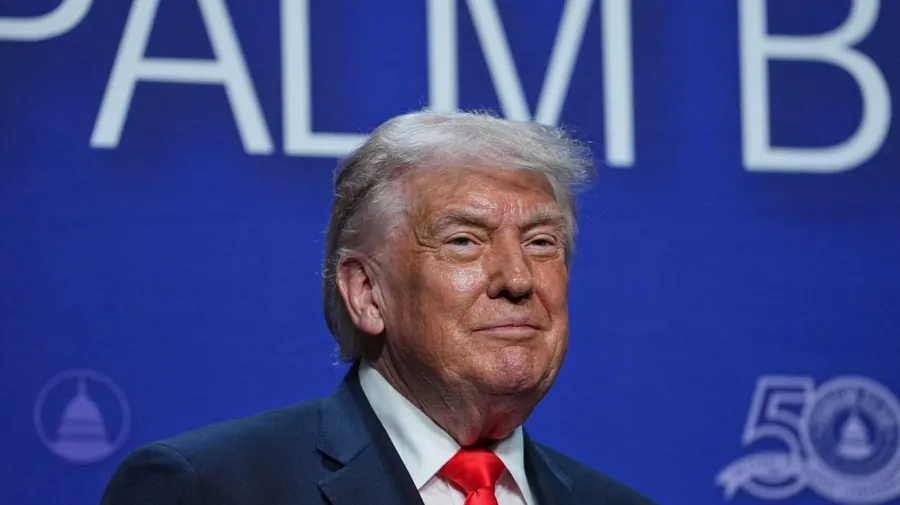
Trump challenges Jeffries over voting rights talk: “Could he face impeachment?”

In a landscape defined by fierce power struggles, recent statements from President Donald Trump reveal not only personal ambitions but also the enduring contest over the very fabric of American democracy. Trump’s attack on House Minority Leader Hakeem Jeffries following a Supreme Court decision on the Voting Rights Act underscores how political rhetoric becomes a battleground—where narratives about legitimacy and authority are manipulated to sway public perception. His labeling of Jeffries as a “Low IQ individual” and questioning of his integrity exemplifies the culture of polarization that continues to fuel ideological divides, often at the expense of informed discourse and constitutional norms.

Historically, such confrontations evoke parallels with the tumult of past eras where constitutional crises tested the resilience of the American system. Political theorists like Alexander Hamilton warned of the dangers of unchecked executive power, yet in modern politics, figures like Trump employ aggressive rhetoric to challenge perceived enemies within the institutional framework. His rhetorical question—”after saying such a thing, isn’t he subject to Impeachment?“—not only reflects a contentious view of constitutional oversight but also raises fundamental questions about how decisions by political leaders shape the people’s trust in democracy itself. These battles are no longer confined within legislative halls; they are broadcast across social media, where every provocation becomes a symbolic statement about sovereignty and the limits of institutional authority.

Moreover, the debate echoes a broader ideological conflict rooted in contrasting visions of American governance. Supporters of America First policies and conservative reformers argue that aggressive rhetoric and strategic confrontations are tools to restore national sovereignty and push back against what they perceive as judicial overreach or elite domination. Meanwhile, constitutional experts warn that such power struggles threaten the stability of constitutional principles, suggesting that these disputes are shaping the next chapter of America’s political destiny—one where the rule of law is tested against raw political expediency. As political analyst John Adams once reflected, “government must be a guarantor of stability, not a battlefield for personal vendettas.”

Indeed, the currents of this epochal contest reveal that politics is more than process—it’s a stage where the very narrative of American destiny is written. Each decision, each clash of words, forge a path that determines whether the nation proceeds toward uniting under shared constitutional values or fragmented into factions defined by their capacity to wield power. The coming months will see whether this struggle reshapes the nation or simply reaffirms its resilience. In the end, it is a stark reminder that in politics, as in history, the fate of a nation is often decided not in the halls of power but on the battlefield of ideas—where every word and act writes the future from the ink of conflict.
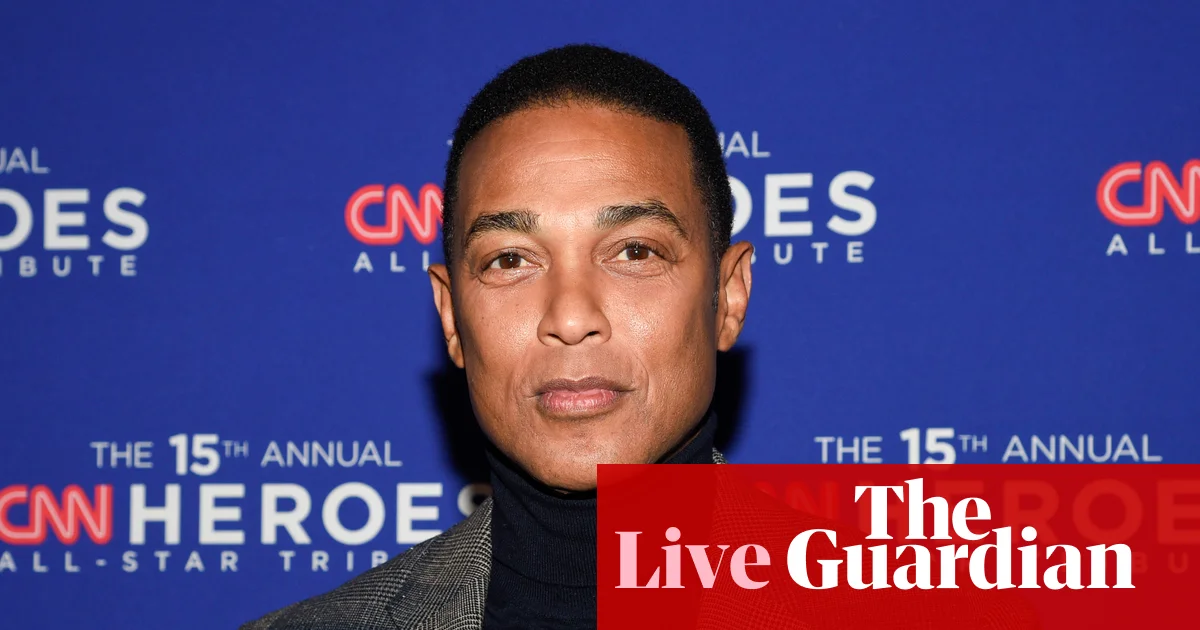
House Democrat Jeffries slams Lemon’s arrest at Minnesota church protest – US Politics Update

Behind the tumultuous headlines of recent days lies an increasingly volatile global landscape, where decisions made within national borders ripple across continents with profound geopolitical impact. As President Donald Trump publicly warns Iran to cease its nuclear ambitions and end violent suppression of protesters, the world watches a familiar pattern of escalation and brinkmanship. Trump’s direct threat to deploy the U.S. military if Iran does not stop its crackdown exemplifies a stark shift towards a more confrontational posture, with analysts warning this could impoverish prospects for diplomatic engagement and ignite a wider regional conflict.

Simultaneously, Trump’s administration demonstrates a distinctive approach to internal dissent, as his nominee for the Federal Reserve, Kevin Warsh, signals intentions to reshape U.S. monetary policy under a President eager to undermine the independence of the institution. The President’s public praise for Warsh, contrasted with his previous criticisms of Fed leadership, underscores an ominous trend: an attempt to wield economic policy as a tool for political control rather than a safeguard of economic stability. Such moves evoke concern among international financial watchers, who warn that politicization of monetary institutions can trigger unpredictable swings in the US dollar and global markets, potentially destabilizing economies worldwide.

Domestically, America remains embroiled in internal struggles over free speech and law enforcement. The recent arrest of veteran journalist Don Lemon by federal agents—an unprecedented attack on the First Amendment—has alarmed international observers and U.S. allies. Critics argue this represents a troubling convergence of government overreach and ideological suppression, echoing the warnings of constitutional scholars who emphasize that the judiciary’s refusal to approve charges against Lemon indicates political interference aimed at diverting attention from ongoing crises, including violent crackdowns in Minnesota and Lebanon. As tensions rise, the question persists: how will the U.S. reconcile its democratic ideals with these alarming acts of repression?

In a broader context, these domestic and international events are intertwined within a shifting global order. The renewed threat from Trump to Iran, coupled with Iran’s readiness to resume diplomatic talks—contingent upon fair negotiations excluding military threats—reflects a world where diplomacy teeters on the brink of collapse. The stakes are high: will continued aggression and reckless rhetoric ignite a regional war, or can states find a path toward de-escalation? The decisions made today, from military posturing to economic policies and civil liberties within the United States, will shape the course of history’s unfolding narrative. It is a stark reminder that the weight of history rests heavily on the choices of current leaders, and the world remains a tenuous balance of power, waiting for its next chapter to be written—one that could either secure peace or ignite chaos.

Social Media Auto Publish Powered By : XYZScripts.com



