
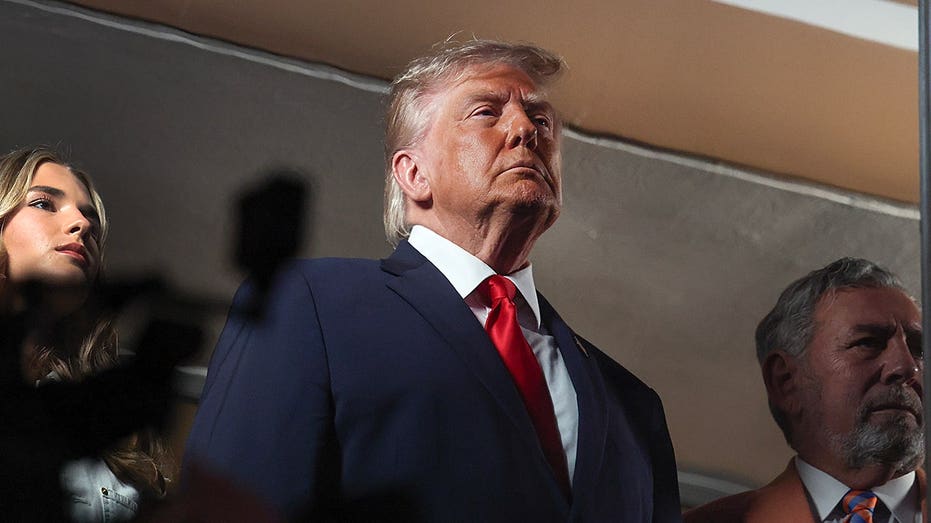

A recent congressional hearing on the Sports Broadcasting Act, designed to tackle rising NFL streaming costs and their impact on American households, took an unexpected turn Wednesday. Representative Jerry Nadler, a Democrat from New York, utilized the formal setting to deliver a politically charged remark regarding former President Donald Trump’s attendance at a New York Knicks NBA Finals game, diverting attention from the session’s crucial agenda. This interjection drew scrutiny, highlighting concerns over maintaining professional focus within legislative proceedings.
The Core Mission: Addressing Fan Costs and Access
The primary objective of the House hearing was to scrutinize the National Football League’s growing trend of broadcasting games exclusively on streaming platforms. Lawmakers expressed significant concerns over the financial burden placed on fans, with some facing costs approaching $1,000 annually to access their favorite teams’ games. This shift in broadcasting strategy has sparked a national debate about accessibility, affordability, and the future of sports consumption.
- The escalating cost of bundled streaming services required to watch out-of-market games.
- The potential for certain demographics to be priced out of following their preferred teams.
- The perceived monopolistic practices of sports leagues in controlling distribution channels.
These issues directly impact millions of working families and the integrity of the free market for sports entertainment. The hearing aimed to explore potential legislative remedies or industry accountability mechanisms to ensure broader public access.
An Unwarranted Political Diversion
Amidst these substantive discussions on consumer rights and broadcasting economics, Rep. Nadler chose to interject with a comment about the New York Knicks’ performance in the NBA Finals. Referencing Game 3, which the Knicks lost after winning the first two games against the San Antonio Spurs, Nadler stated, “We cannot discuss anything related to sports today without taking note of the sports story happening in this country today – the New York Knicks’ drive for an NBA championship. Tonight is Game 4, and as long as Donald Trump stays far away from Madison Square Garden, the Knicks should do fine. Let’s go Knicks.” This remark, reported by Fox News Digital, drew immediate attention for its seemingly unrelated nature to the hearing’s focus, injecting partisan politics into a discussion meant to address industry practices.
Maintaining Institutional Decorum
Former President Trump’s appearance at Madison Square Garden for Game 3 marked a notable moment as the first sitting president to attend an NBA Finals game in New York. His presence generated a significant crowd reaction, reportedly a mix of cheers and boos, and necessitated enhanced security measures across the city, including a security fence around MSG. The Secret Service, alongside other law enforcement, performed their duties to the highest standard, resulting in longer lines and wait times for attendees. While such high-profile attendance inevitably draws public interest, the use of a congressional platform for what many observers might consider a partisan jab raises questions about the appropriate use of institutional time and resources. Such commentary risks undermining the seriousness of legislative proceedings and distracting from the pressing issues at hand, such as ensuring fair access to sports for all Americans.
“As long as Donald Trump stays far away, the Knicks should do fine.”
The incident underscores a broader concern regarding the erosion of focus in public forums. Congressional hearings are solemn venues for addressing the nation’s challenges, requiring lawmakers to prioritize their legislative duties over partisan theatrics. Maintaining the decorum and integrity of these institutions is paramount, ensuring that substantive issues like equitable sports broadcasting are given the diligent attention they rightfully deserve, rather than being overshadowed by political diversions. The American public expects its representatives to engage in constructive dialogue, not gratuitous political swipes.






