Matox News

Truth Over Trends, always!

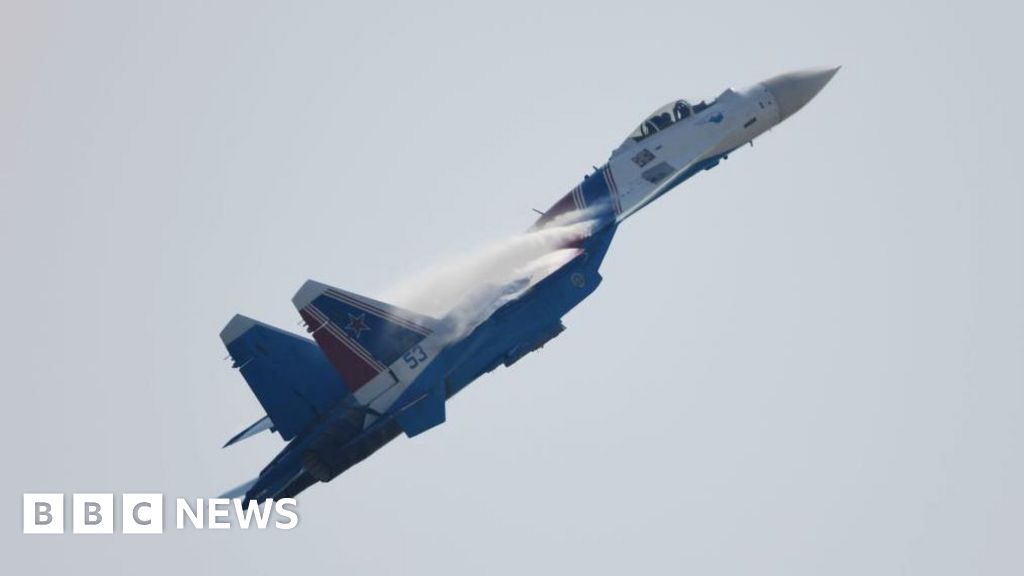
Shocking footage shows U.S. F-15 fighter jet crashing in Kuwait

In a concerning development that underscores the volatility of current international military engagements, US Central Command reported a devastating incident near Kuwait City involving multiple F-15 fighter jets. Disturbing footage verified by the BBC appears to capture the moment one of these jets falls from the sky and crashes onto the ground near the Al Jahra area. This event is not just a tragic loss of aircraft; it signals deeper issues related to the fragile state of U.S. military operations in the Middle East, a region already fraught with geopolitical conflicts and rising tensions.

The incident involved a total of three US F-15 jets, which, according to US Central Command, went down as a result of “an apparent friendly fire incident”. Despite the tragic loss of equipment, all six crew members aboard these jets ejected safely and are reported to be in stable condition. While at first glance, this may seem like a standard accident, analysts suggest it points to broader issues within the military engagement framework, raising questions about coordination and operational oversight in an increasingly complex security landscape.

The implications extend well beyond the immediate crash site. Historians and international organizations have long warned that such incidents—be they accidental or deliberate—embody the risks of escalation in a region where regional powers, superpowers, and non-state actors engage in a delicate geopolitical dance. The incident signals not only a lapse in operational discipline but also underscores the potential for small missteps to ignite larger conflicts, especially in a setting where U.S. strategic interests remain a cornerstone of regional stability amidst mounting challenges from rival powers like China and Russia.

For many, this event is a sobering reminder of the costs of modern warfare and the unpredictable nature of proxy conflicts. The incident demonstrates how the geopolitical impact of even a single friendly fire event can ripple across international borders. As Middle Eastern nations and allies watch these developments, they are forced to confront the grim reality that peace remains elusive in a region where alliances shift and trust erodes. How nations respond—through diplomacy or further military escalation—will shape the course of history in this volatile theater.

Ultimately, the crash near Kuwait City serves as a stark symbol of a world where the line between stability and chaos is razor-thin. The fallout from this event, both literally and metaphorically, will influence regional security strategies for years to come. As historians and global analysts peer into this unfolding crisis, one thing remains clear: in the shadows of international diplomacy, history is still writing itself, and today’s tragedy may very well be the prologue to a much darker chapter yet to come.
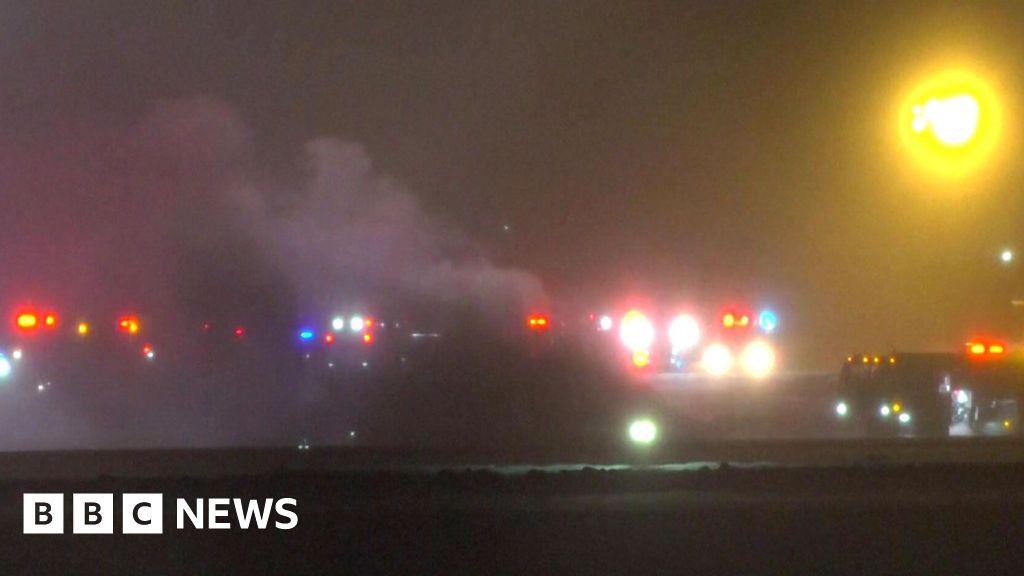

Seven Dead in Maine Private Jet Crash, One Hurt

In a tragic incident reflecting the ongoing chaos wrought by nature and human error, Bangor International Airport in ME witnessed a devastating plane crash that claimed the lives of seven individuals, with only one survivor. The crash involved a private Bombardier Challenger 600, which went down during takeoff amidst a severe winter storm—a stark reminder of how climate volatility is increasingly impacting civil aviation safety. This event, unfolding against a backdrop of relentless weather extremes affecting millions across the United States, echoes a wider narrative of instability, not only within American borders but on the global stage.

Authorities report that the aircraft, registered to a Texas-based law firm, caught fire and came to rest inverted following the crash, with poor visibility likely a contributing factor. While investigations remain ongoing, the air traffic control recordings underscore the perilous conditions faced by pilots navigating a storm system that has left hundreds of thousands without power and caused nearly 11,000 flight cancellations nationwide. This incident, though isolated, highlights an era where unpredictable weather patterns threaten the safety and security of international transportation networks, creating ripple effects across supply chains and diplomatic engagements. Analysts warn that climate change-induced events like these are pushing nations into new vulnerabilities, compelling governments and companies to rethink resilience strategies.

The wider geopolitical impact extends far beyond normal aviation concerns. As U.S. authorities grapple with the aftermath of the crash and storm chaos, international institutions such as the International Civil Aviation Organization (ICAO) are under renewed pressure to set stricter safety standards amid growing climate unpredictability. Meanwhile, the storm’s disruption highlights the fragile interconnectedness of global economies now heavily reliant on smooth transportation; disruptions in the U.S. ripple across European and Asian markets, exposing critical weaknesses in a system increasingly susceptible to environmental shocks. Meanwhile, some critics argue that insufficient investment in infrastructure and climate mitigation measures could further exacerbate these vulnerabilities, risking a future where such tragedies become commonplace.

As international leaders convene to discuss the climate crisis and transnational security, the event serves as a sobering reminder of how human choices and environmental forces converge to shape history’s ongoing narrative. Historians warn that the turbulence caused by storms and technological failures today could be remembered as the turning point where nations faced the urgent need for adaptation. On a broader scale, this tragedy underscores a stark reality: in an era of geopolitical volatility, nature herself is an unpredictable actor, capable of rewriting the rules of engagement and testing the resilience of societies worldwide. As the smoke clears over Bangor, the weight of this moment settles heavily—history continues to unfold, and the world watches, waiting for answers that may yet come too late if decisive action is deferred.

Australia News Live: Cash urges PM to condemn Chinese jet clash; Joyce grilled over One Nation shift

In a world continually edging closer to a new era of confrontation and uncertainty, recent developments underscore the volatile geopolitical landscape. From tense military encounters in the South China Sea to political maneuvering in Australia, the global stage is rife with flashpoints that threaten to ignite larger conflicts. Analysts warn that these incidents are more than isolated events—they reflect a broader strategic contest involving China, the United States, and regional powers, with international institutions often unable—or unwilling—to prevent deterioration.

The incident that has drawn significant international attention occurred over the South China Sea, where reports emerged of a Chinese fighter jet releasing flares dangerously close to an Australian surveillance aircraft. Michaelia Cash, Australia’s shadow foreign affairs spokesperson, condemned the act as a “serious escalation” that endangers the lives of Australian defense personnel. The incident marks the third provocation within a year, highlighting China’s provocative posture as it seeks to assert dominance in the strategic maritime region. In response, Cash called upon Prime Minister Anthony Albanese to publicly condemn the action, warning that failure to do so would be a “failure to stand up for Australia’s national interests.” These provocative maneuvers expose a pattern of Chinese military assertiveness that complicates diplomatic efforts and deepens regional tensions.

Meanwhile, within Australia, political dynamics are heating up as key figures like Barnaby Joyce and David Littleproud navigate complex intra-party relationships, with indications of potential shifts towards One Nation. Joyce, the member for New England, remains notably reticent about his political future amid rumors of defecting to the far-right party. Such moves could have profound geopolitical impact by emboldening nationalist sentiments and possibly altering Australia’s traditionally close alignment with the US on defense and foreign policy issues. The political realignments mirror a global trend where nationalist and populist movements threaten to undermine established diplomatic alliances and multilateral efforts to maintain regional stability.

Simultaneously, tensions extend beyond the Pacific with U.S. President Donald Trump and Australian Prime Minister Anthony Albanese engaging in a high-profile meeting at the White House. The visit saw the signing of a significant minerals and strategic partnership deal, signaling a pivot towards greater resource-driven cooperation. However, the broader message remains clouded by diplomatic undercurrents and the looming threat of military escalation. Historian and international security analyst Dr. Richard Martin notes that “these developments are indicative of a world where traditional power balances are shifting rapidly. The risk of miscalculation grows as nations test the limits of their strategic patience.” The risk of misunderstandings escalating into open conflict is heightened as superpowers and regional actors seek to secure their spheres of influence amid weakened international institutions.

As the world’s superpowers jostle for dominance, the flashes of military bravado, political confessions, and international diplomacy reveal a fragile geopolitical order. With Great Power dynamics on a knife’s edge, and regional allies watching nervously, the ongoing story remains one of tension—and opportunity—for those daring enough to shape it. The weight of history is pressing down, reminding us that every decision today writes the prelude to future conflicts. The question remains: how many more incidents of provocation and political upheaval can the global system withstand before shaping a new chapter—one written in the aftermath of chaos, or in the hope of a measured peace? The pages are still being turned; the unfolding drama continues to test humanity’s resolve and strategic wisdom.

Australia calls out China’s risky jet maneuvers, raising tensions

The escalating military tensions between Australia and China continue to threaten the fragile stability of the Indo-Pacific region. Recent incidents, including a dangerous confrontation over the South China Sea, underscore the simmering rivalry that, if unchecked, could reshape the geopolitical landscape. Australia’s defense department publicly accused a Chinese military aircraft of releasing flares in close proximity to an Australian patrol jet, the P-8A, an act described as “unsafe and unprofessional”. Though no injuries occurred, the event signals a dangerous escalation in aerial encounters that have become increasingly frequent in the contentious waters where China asserts expansive territorial claims.

  • On the incident’s surface, the Chinese authorities dismissed Australia’s claims, asserting that the Australian jet had “illegally intruded” into China’s airspace and issued a demand for Canberra to cease what they termed as “provocative actions.”
  • Coinciding with this event, Australian Prime Minister Anthony Albanese was heading to the United States for high-profile talks with President Donald Trump concerning the AUKUS partnership—a trilateral deal involving Australia, the US, and the UK centered on developing nuclear submarines.
  • This series of confrontations is not isolated; it follows a pattern of similar encounters that include Chinese jets dropping flares near Australian planes and Navy vessels employing sonar pulses in international waters, injuring Australian divers off Japan’s coast last November.

Experts and global organizations warn that these dangerous displays of military bravado could spiral into full-blown conflict if not managed carefully. The United States and its allies consider China’s expansive claims over the South China Sea and its aggressive military posture as clear threats to regional security and international law. Political analysts suggest that China perceives these provocative actions as a means to assert dominance over vital maritime routes and surrounding island chains, challenging the sovereignty of various Southeast Asian nations. Meanwhile, historians caution that such persistent frontier brinkmanship echoes the perilous prelude to the South China Sea’s previous conflicts and even Cold War-era cruise tensions.

The geopolitical impact of these incidents extends beyond the immediate region. As Australia aligns more closely with American strategic interests through initiatives like AUKUS, Beijing’s response is to fortify its territorial claims and signal its willingness to confront Western influence head-on. The Chinese government’s recent assertions portray Australia’s actions as illegal and provocative, aiming to rally domestic support and project strength. In an era where military encounters risk miscalculation, analysts warn that such provocations could ignite larger confrontations with global consequences. The United Nations and international diplomatic efforts urge restraint, but the momentum for escalation persists.

As history continues to unfold, the confrontation in the skies and seas off Asia serves as a stark reminder: the arena of international diplomacy is fraught with peril, and the decisions made today will echo through generations. With each flare, each sortie, the world watches—and witnesses history in the making, teetering at the edge of chaos or peace. The question remains: will cooler heads prevail, or will these hostile shadows cast a long, dark future over the free nations?”

Social Media Auto Publish Powered By : XYZScripts.com