
Matox News

Truth Over Trends, always!

Jim Ratcliffe Apologizes for Comments Blaming Immigrants for ‘Colonising’ UK

In a development that underscores the deepening divides both within Britain and across the United Kingdom, billionaire industrialist and Manchester United co-owner Jim Ratcliffe has ignited a fierce political and cultural controversy. His recent comments, where he accused the UK of being “colonized” by immigrants, have sparked widespread condemnation from government officials, sports organizations, and civil society. Ratcliffe’s statement, which relied on outdated and inaccurate statistics, exemplifies how inflated narratives can influence public sentiment and cause societal rifts at a critical juncture for the nation’s identity and future.

Global analysts and historians have long warned that inflammatory rhetoric around migration can exacerbate societal divisions. The Office for National Statistics notes that the UK’s population reached approximately 67 million by 2020, with an increase largely driven by natural growth and legal immigration, rather than a “colonization.” Yet, Ratcliffe echoed alarmist language reminiscent of misused far-right narratives, painting a picture of an invasion that threatens the fabric of society. Such rhetoric, especially from a figure with close ties to economic and sporting institutions, carries a profound geopolitical impact—not just fueling domestic unrest but also affecting Britain’s international reputation. The backlash from politicians, including Labour leader Keir Starmer, highlighted the perceived hypocrisy of Ratcliffe, a man who moved his tax domicile to Monaco to avoid £4 billion in taxes but now seeks to lecture the nation on economic and social stability. This glaring disparity has only stoked fears of a disconnect between the elite and ordinary citizens, an issue that analysts argue complicates Britain’s social cohesion in an era of global uncertainty.

Moreover, the controversy extends far beyond politics and into the realm of sports and societal values. Manchester United fans and anti-racism advocates have condemned Ratcliffe, claiming his comments expose a troubling alignment with far-right narratives and demonstrate a lack of sensitivity to the diversity and inclusivity that the club and Britain itself purportedly champion. Campaign groups like Kick It Out and local supporters’ organizations have accused Ratcliffe of undermining unity, emphasizing that the strength of the nation and the sporting community lies in its diversity. The Football Association is now scrutinizing whether his comments could have disreputable impacts on the reputation of English football, which prides itself on inclusivity and multiculturalism.

The international community and policymakers watch with concern as Britain faces this internal fracture, warning that such rhetoric could embolden more extreme forces. Many international observers consider this controversy a symptom of a broader global trend—where economic pressures, cultural fears, and political populism intertwine to stoke societal tensions. The actions and words of influential figures like Ratcliffe are exposed as catalysts capable of inflaming or calming these divisions. Historians emphasize that history has shown the significance of language used by elites; it can either foster resilience or catalyze conflict on a national scale. As Britain navigates its post-Brexit identity shift, decisions made in the coming months—and the narratives they promote—could shape the nation’s trajectory for decades.

The legacy of today’s political and cultural struggle remains unwritten, but one thing is clear: the choices of leaders and influential figures now will echo through the halls of history. As society pauses to reflect on whether it will succumb to divisive narratives or forge a path of unity rooted in shared values and mutual respect, the true test of Britain’s resilience looms. Will the nation’s future be defined by the rhetoric of fear and separation, or by the courage to uphold its diversity and inclusive spirit? The weight of history hangs heavy, its unfolding story still in the balance, awaiting the verdict of a nation that stands at a crossroads toward either division or renewal.
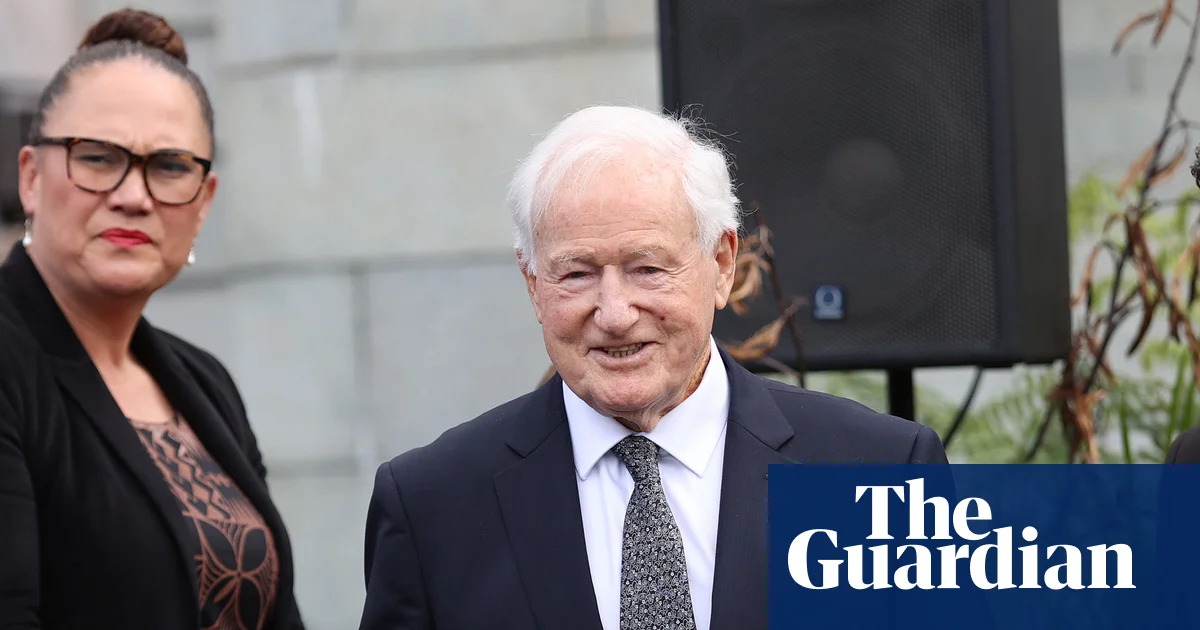

Jim Bolger, Kiwi PM Who Bridged Gaps with Māori, Dies at 90

Global Reflections on the Passing of Jim Bolger: A Legacy of Reconciliation and Economic Controversy

The international landscape mourns the loss of Jim Bolger, a prominent New Zealand statesman whose tenure as prime minister from 1990 to 1997 marked a complex era of reform, reconciliation, and ideological shift. Bolger’s death at 90, surrounded by family, signals the end of an influential chapter in Oceania’s political history, yet the debate surrounding his legacy persists, resonating across global geopolitical and economic corridors. His contributions reflect the persistent tension within nations striving to balance social justice with economic liberalization, raising questions about the long-term impact of such policies on societies worldwide.

Behind the scenes of Bolger’s political career lies a narrative of both pragmatic reconciliation and aggressive neoliberal reforms. His government’s implementation of the *“mother of all budgets”* in 1991, orchestrated by his finance minister, Ruth Richardson, epitomized a radical push toward *deregulation and austerity*. These measures drastically cut welfare and health spending, igniting intense public backlash that nearly cost Bolger’s government re-election. Yet, this stance was consistent with the broader trend in Western nations at the time, driven by a wave of neoliberal dogma championed by international bodies like the International Monetary Fund and World Bank. Analysts warn that such policies prioritized fiscal austerity over social cohesion, often exacerbating inequality — a concern Bolger would later acknowledge, criticizing neoliberalism’s failure to generate sustainable growth and its skewed benefits toward the elite.

The *geopolitical impact* of Bolger’s leadership extended beyond economic policy; it significantly influenced New Zealand’s cultural reconciliation efforts with Māori tribes through the *treaty settlement process*. Bolger’s government was pivotal in concluding the first settlements aimed at addressing breaches of the *Treaty of Waitangi*, setting a precedent that altered how post-colonial states navigate historic injustices. His open recognition of Māori grievances and innovative approach to redress helped modernize reconciliation, earning praise from Māori leaders such as Tukoroirangi Morgan, who called Bolger’s efforts “unsurpassed.” This move towards ‘historical justice’ highlighted a broader international shift, where post-colonial nations grappled with their pasts, often balancing sovereignty with social healing. Yet, critics argue these settlements face future challenges, risking political polarization and societal divides, especially as demographic and cultural landscapes evolve.

Meanwhile, Bolger’s political career encapsulates the philosophical divide fueling global debate. A committed republican, he famously declined a knighthood, opting instead for the *Order of New Zealand*, a symbol of his principled stance against monarchical symbolism. His legacy raises questions about national identity and sovereignty, reverberating in current debates across the Anglosphere surrounding republicanism versus constitutional monarchy. Moreover, Bolger’s disavowal of neoliberalism in his later years underscores a *turning point* that many international analysts interpret as a sign of the failures inherent in unrestrained free-market policies. His acknowledgment of inequality’s pervasiveness indicates a society increasingly conscious of the social costs of economic liberalization, echoing similar debates taking place around the world, from the United States to Western Europe.

As the world watches, Bolger’s passing leaves a profound imprint on history’s tapestry—a reminder that leadership is a constant negotiation of complex moral, economic, and cultural forces. His journey from austerity to reconciliation reflects a broader narrative of nations striving to forge identities amid conflicting influences. With history still unfolding, the echoes of his choices—both celebrated and criticized—serve as a stark reminder: no society can escape without bearing the weight of its past, and every decision today shapes the global landscape of justice, prosperity, and sovereignty tomorrow.

Social Media Auto Publish Powered By : XYZScripts.com


