Matox News

Truth Over Trends, always!

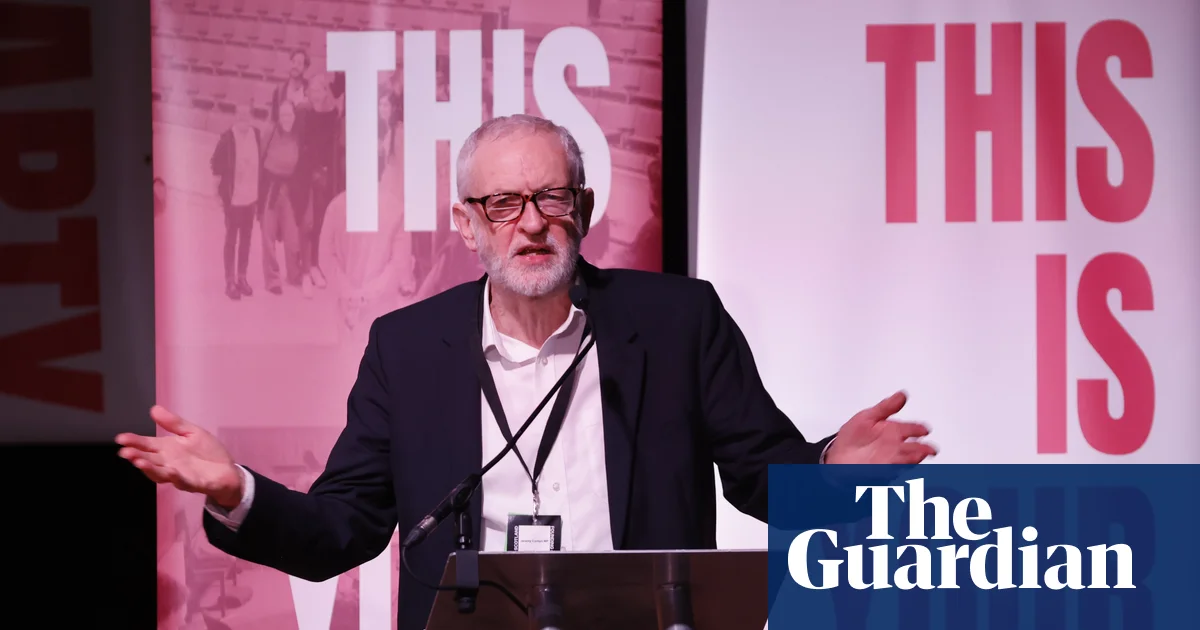
Corbyn Named Your Party Leader; Sultana Joins Leadership Team

Leadership Reshuffle in Your Party Signals Geopolitical Shift Amid Internal Turmoil

In a significant political development, Jeremy Corbyn is poised to assume the role of de facto leader of Your Party, marking a pivotal moment in its evolution. The recent internal elections saw Corbyn-backed candidates secure a dominant 14 of the 24 seats on the party’s central executive committee (CEC), signaling a substantial shift towards a more radically progressive and socialist vision. This factional victory underscores a broader ideological fracture with the party’s other prominent figure, Zarah Sultana, whose supporters managed to secure only seven seats. The electoral process, with a turnout of 61%, reflects a mobilized segment of the party base that remains entrenched in the debate over the party’s future trajectory.

Corbyn’s winning bloc, branded as “The Many”, aims to forge a coalition focused on addressing critical issues such as the cost of living, housing crises, and Palestine — themes resonating among the party’s grassroots. Meanwhile, Sultana’s Grassroots Left faction accentuates the importance of member democracy and warns against a perceived drift towards “Labour 2.0”, an insidious shift they argue could dilute revolutionary socialist principles. This internal struggle is emblematic of a wider fight for geopolitical influence within Your Party, with each faction advocating divergent visions that could significantly influence external policy stances, especially regarding international conflicts and diplomatic alignments.

The broader geopolitical impact cannot be underestimated, as international actors watch these power plays with keen interest. Analysts from institutions like the International Crisis Group warn that the victory of Corbyn-aligned factions could propel Your Party into a more anti-imperialist and anti-Zionist stance, potentially straining diplomatic relations with allies and rivals alike. As Russia and China scrutinize Western internal disputes, the outcome of this leadership contest will resonate beyond national borders, influencing international perceptions of the political landscape and the future of socialist alliances.

While the internal conflict persists, historians and political strategists have emphasized that such divisions often serve as a crucible for transformative change. The deeper question remains: how will Your Party navigate its internal dialectic, and what global alliances or confrontations will emerge from this internal power struggle? As the party attempts to turn a new page after months rife with accusations, expulsions, and legal disputes, it exemplifies a broader scene unfolding worldwide—one where ideological purity battles for dominance, reshaping the very fabric of political allegiance and international diplomacy. The world watches with bated breath, sensing that the outcomes here may very well echo loudly through the corridors of power for decades to come.
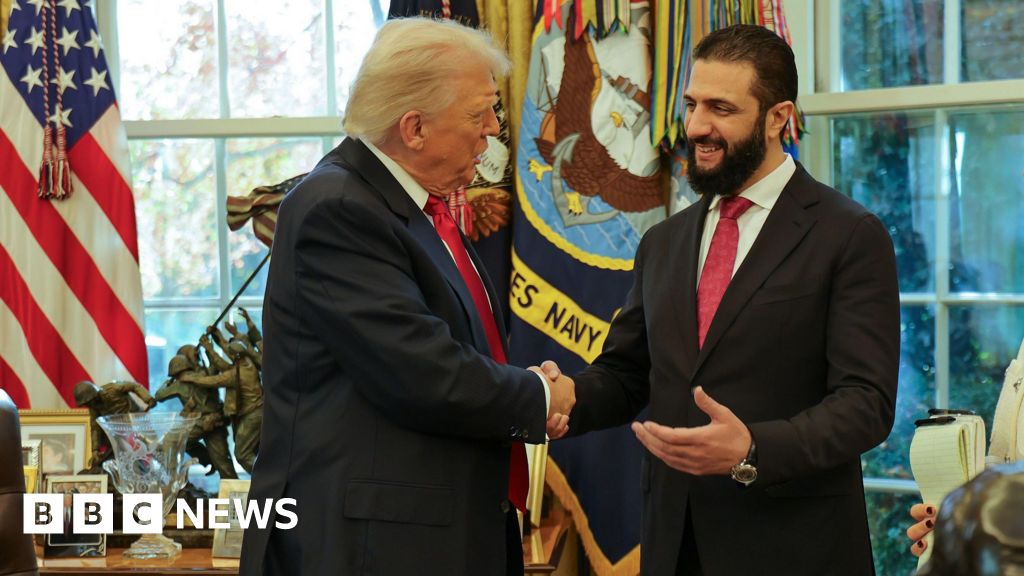
Syria joins coalition to fight ISIS after Trump talks

The United States has dramatically shifted its foreign policy stance toward Syria, signaling a potential turning point in the volatile Middle East. For years, Syrian relations with Western powers have been marked by sanctions, diplomatic isolation, and conflict. Yet, recent developments indicate a strategic pivot, as Syria prepares to join an international coalition against the Islamic State, marking it as the 90th member committed to eradicating remaining terrorist elements and addressing regional instability. This move not only signifies a notable diplomatic breakthrough but also underscores the complex dynamics of how international decisions can redefine national destinies. The breakthrough occurred amid a historic visit to the White House by Syrian President Ahmed al-Sharaa, an event unprecedented in diplomatic history, as the US government officially recognizes a figure once branded a terrorist as a government partner.

This unprecedented rapprochement is underpinned by a series of bold decisions, including the lifting of economic restrictions and a suspension of the Caesar Act, which had severely sanctioned the Syrian government since 2019. Announced by the US Treasury Department, these measures aim to foster economic development and rebuild Syria’s institutions—an effort supported by international organizations and analysts who emphasize the importance of stabilization in the region. Experts warn, however, that this apparent thaw could complicate long-standing regional conflicts and fuel geopolitical tensions, particularly with countries skeptical of Damascus’s intentions. In addition, the US intends to renew diplomatic ties, allowing Syria to reopen its embassy in Washington—a remarkable diplomatic gesture that suggests a reevaluation of America’s Middle East strategy.

On the international stage, Russia and China — longstanding allies of Syria—are watching closely, as the US moves towards a more pragmatic engagement. This shift signals a departure from earlier policies driven by regime change aspirations, and a realignment driven by pragmatic geopolitical concerns. As noted by scholars such as Dr. Steven Heydemann of the Middle East Institute, the United States is deliberately recalibrating its role—balancing counterterrorism efforts with a desire to influence the post-war reconstruction process. Meanwhile, how this policy shift impacts global power balances and local societies remains uncertain, but it undoubtedly redefines Syria’s place in the international order. The decision to involve Damascus in a coalition against global terrorist threats reflects a broader lesson on how wars reshape alliances, and how the past can be reinterpreted for geopolitical gain.

As history continues to unfold, the question remains: will Syria’s new diplomatic path truly pave the way for stability and peace, or will it deepen regional divisions? The world watches as the leaders of today, guided by the burdens of history and the weight of their decisions, attempt to forge a new chapter—one written in the uncertain ink of diplomacy, conflict, and fleeting hope. In this complex narrative, the true impact of these decisions will only be revealed with time, leaving future generations to ponder whether these moves will bring lasting peace or ignite new conflicts in an already fractured region.

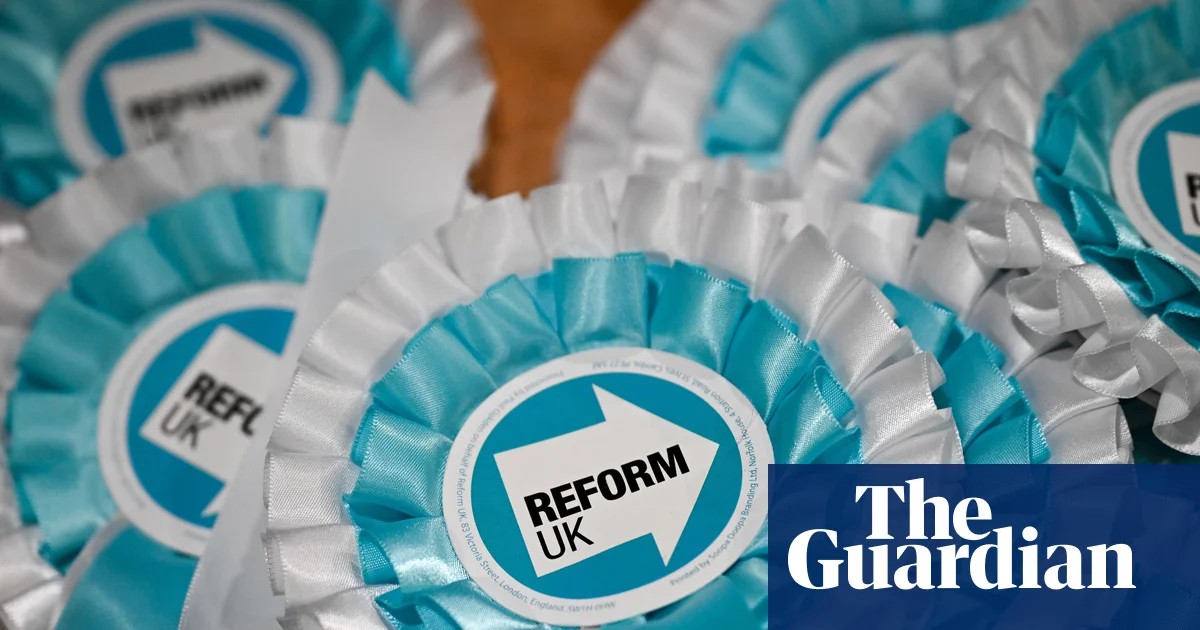
Reform Councillor Joins Tories Over Discomfort with Party Policies

Global Power Dynamics in Flux: The Tale of Political Shifts and Their Impact

Britain’s political landscape continues to evolve amidst a swirl of populist movements and international tensions. Recent developments highlight not only shifting allegiances within local councils but also reflect broader regional and global reverberations. The departure of Councillor James Buchan from Reform UK—a party closely associated with Nigel Farage—serves as a microcosm of this turbulent era. Buchan’s move to the Conservative Party underscores a growing disillusionment with populist rhetoric that, according to analysts, is increasingly seen as disconnected from tangible community needs. This episode is far more than a local political spat: it signals a deep transformation in how nations and societies negotiate the treacherous waters of immigration policy, identity, and governance.

Reform UK’s stance on migration—specifically plans to eliminate indefinite leave to remain in Britain—has generated widespread concern among voters and policymakers alike. The policy, designed to tighten immigration controls, has ignited fears of social division and economic instability. Critics argue that such measures rely heavily on nationalist rhetoric, risking the alienation of immigrant communities while fueling fears of exclusion. As international institutions and European analysts warn, the approach risks undermining social cohesion and provoking unintended consequences that ripple across Europe’s diverse societies. Historians like Dr. Emily Carter note that similar policies in the past have often backfired, leading to increased marginalization and unrest, which in turn threaten regional stability.

The internal conflicts within Reform UK—accentuated by its foreign ties and accusations of foreign influence—highlight the growing challenges faced by populist parties that have surged onto the political scene over recent years. The party’s association with controversial figures and allegations of foreign funding—particularly linked to Russia—have further fueled internal tensions and questions about legitimacy. Such instability not only impacts Britain’s domestic policy but also has the potential to influence international perceptions of the UK’s stability and its role within global alliances. The ongoing saga resonates beyond Britain, as nations across the Anglosphere grapple with similar populist wave dynamics, debating whether these movements are genuine expressions of national sovereignty or dangerous deviations that threaten international order.

As political analysts caution, the decisions made today—whether to endorse restrictive immigration policies or to challenge populist leaders—are shaping the future of alliances, economic cooperation, and regional security. The G7 and EU nations observe these shifts with profound interest, recognizing that such internal conflicts could serve as openings for adversaries or cause fragility within democratic structures. The rise and fall of populist parties serve as a stark warning: that unchecked nationalism and simplistic policies risk unleashing chaos capable of redrawing the geopolitical map. What is happening in Britain is a harbinger for other nations—signaling a moment when decisive leadership must confront the allure of populist rhetoric and recommit to pragmatic governance.

In the shadows of these mounting tensions, history seems poised to etch yet another chapter on the ledger of global change. As historians debate whether this era rivals the upheavals of the 20th century, the world waits with bated breath—on the knife’s edge between stability and chaos.

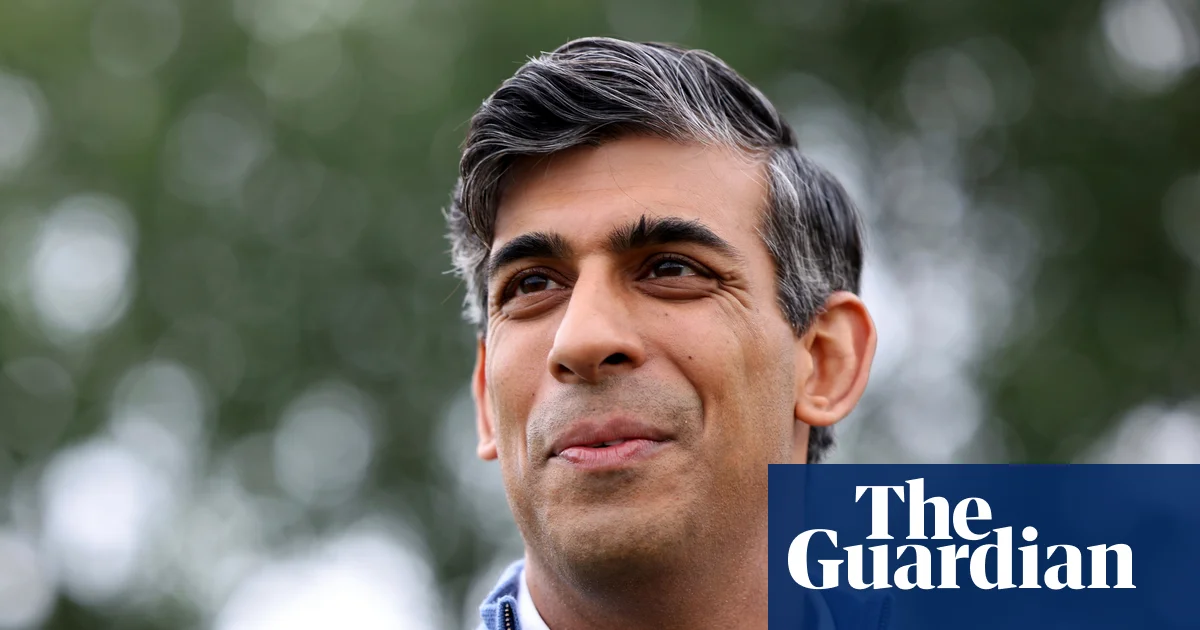
Rishi Sunak Joins Microsoft and Anthropic as Advisor, Embracing Tech Leadership

In a move that underscores the shifting tide of global influence and the intertwining of politics and big technology, Rishi Sunak, the former UK Prime Minister, has secured prominent advisory positions with Microsoft and Anthropic. These appointments, officially disclosed through the Westminster Advisory Committee on Business Appointments (Acoba), mark a significant development not only for Sunak’s career but also for the geopolitical landscape shaped by the relentless advance of artificial intelligence and digital dominance. As Sunak joins these tech giants, the global community must scrutinize the deeper geopolitical impact—what such insider influence signifies amidst rising tensions over technological supremacy and international regulations.

  • Sunak’s new roles include advising Microsoft, a titan with a market capitalization surpassing $3.9 trillion, which has been at the forefront of AI and cloud computing innovation and has extensive collaborations with governments across the globe.
  • The appointment follows his previous engagements—serving as a senior adviser to Goldman Sachs, and as a paid speechmaker for US investment giants like Bain Capital and Makena Capital, which collectively have earned him over £150,000 per engagement.
  • Sunak’s strategic meetings with key figures, including Bill Gates and representatives from OpenAI, coincided with major investments and agreements—most notably his £2.5 billion deal to establish new datacentres aligned with Microsoft’s push into AI infrastructure and digital transformation.

The geopolitical implications of these developments cannot be overstated. As Sunak continues to bridge the worlds of politics and technology, critics argue that the lines between national governance and corporate influence are blurring to an unprecedented degree. This is particularly significant as nations worldwide grapple with the security risks associated with advanced AI—risks that include economic disruption, information manipulation, and even political interference. Historians and analysts warn that such revolving door politics may reshape national sovereignty, raising questions about the ability of democratic institutions to regulate powerful industry giants whose influence now straddles global borders.

Furthermore, the technological rivalry between superpowers—particularly between the United States and China—is intensifying, with AI and digital infrastructure at the center of strategic competition. The U.S. government’s deepening ties with corporate giants like Microsoft and Anthropic signal an era where liberal democracies may increasingly rely on private sector alliances to maintain their technological edge. Meanwhile, China advances its own AI initiatives, aiming to challenge Western dominance; but the depth of Western corporate influence, exemplified by Sunak’s appointments, complicates the narrative of national independence in the tech race.

International organizations and security analysts emphasize the importance of transparent regulation amidst the geopolitical shifts. The European Union, for example, is pursuing rigorous AI legislation, seeking to curb undue influence and safeguard societal interests. Yet, in London, the recent acceptance of Sunak’s advisory roles, coupled with the prior government’s involvement in blocking deals like Activision’s overhaul, signals a divergence from a clear regulatory trajectory. It hints at a future where Corporate-Political alliances may supersede the public’s oversight, potentially jeopardizing societal trust and national security in the process.

As the layers of this unfolding saga are peeled back, the world stands on the precipice of profound transformation. Will the decisions forged in smoke-filled rooms among billionaires and ex-politicians shape a new era of digital dominance, or will they serve as a cautionary tale about unchecked influence and the perils of technological hubris? The weight of history, as it continues to be written, reminds us that in the age of rapid innovation, every alliance, treaty, and appointment reverberates beyond borders—reshaping the very fabric of societies and the geopolitical chessboard itself. This ongoing drama is far from over; indeed, it is only just beginning, with the next chapter poised to define the course of our collective future.

Social Media Auto Publish Powered By : XYZScripts.com