Matox News

Truth Over Trends, always!

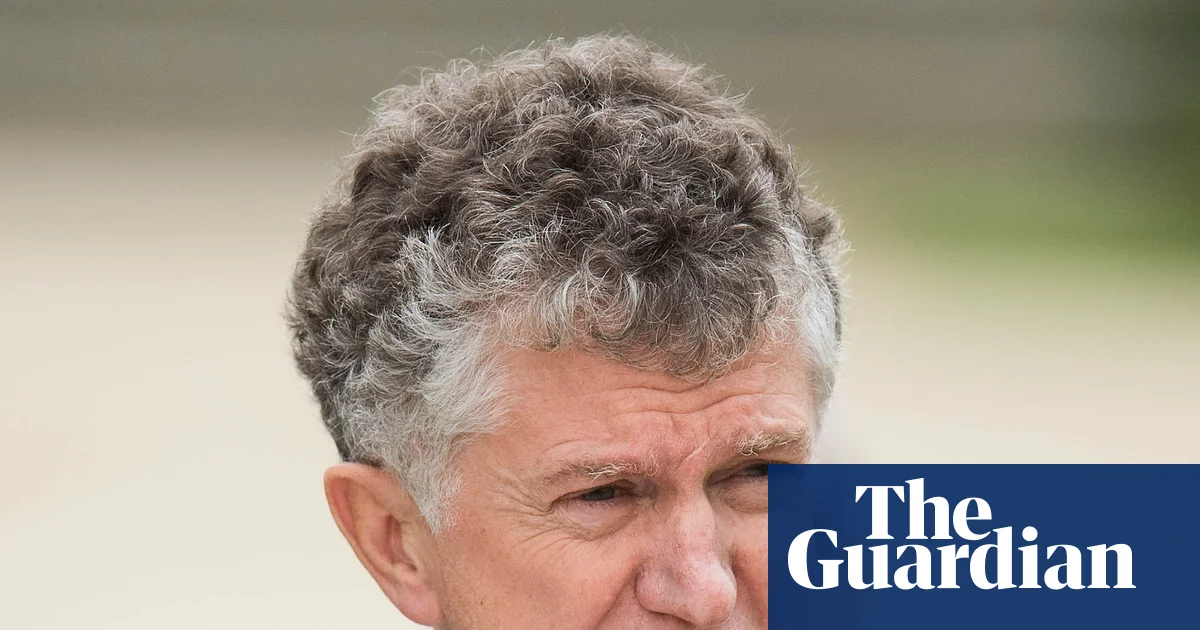
Jonathan Powell declines bid to step in as Starmer’s chief of staff, signaling shifts in party leadership

Society at a Crossroads: The Impact of Leadership Changes on Communities and Families

In recent weeks, the shifting corridors of power within public institutions and governmental circles reveal more than just political maneuvering; they mirror deep-seated sociocultural tensions and demographic shifts that significantly influence the fabric of families, education, and communities. These changes often ripple outward, shaping societal perceptions of morality, stability, and hope. As figures like Jonathan Powell—a seasoned adviser with a storied career in mediation and diplomacy—consider stepping away from the political spotlight, society faces not just leadership recalibrations but the challenge of maintaining social cohesion amidst turbulence.

Much of the current discourse centers on *power struggles* within the political elite, influencing how societies address issues of trust, national security, and international relations. Historical sociologists such as Seymour Martin Lipset have argued that political leadership plays a pivotal role in shaping societal values, and the recent turnover in advisers echoes a broader concern: when those who guide policy shift frequently, the social contract risks weakening. Families dependent on clear, stable leadership are often left feeling uncertain, especially as the government’s foreign policy decisions—like the controversial appointment of Peter Mandelson as ambassador to Washington—become sources of internal conflict and partisan debate.

Social Tensions: The Consequence of Leadership and Policy Choices

At the core of this upheaval lies the profound impact on community cohesion. The controversies surrounding appointments based on political loyalty rather than diplomatic expertise threaten to erode the trust in institutions that traditionally serve as pillars for societal stability. When high-profile figures like Powell advise against controversial figures—highlighting concerns rooted in ethical considerations and historical mishandlings—and their counsel is ignored, the message to *families and local communities* becomes clear: political expediency often overrides moral prudence. As Hosni Mubarak once observed, “The strength of a nation depends on the integrity of its leadership.” Such moments test the moral fabric of society, questioning whether institutions are truly committed to the human impact over political gain.

Furthermore, these leadership struggles influence the education of the next generation—shaping their understanding of accountability, justice, and societal responsibility. The young, witnessing constant changes at the top without clear ethical direction, may develop a skewed view of leadership as self-interest rather than service. This erosion of moral authority fuels skepticism towards authority figures, undermining the social bonds that hold communities together. Sociologists like Robert Putnam emphasize that social capital—trust and networks—decreases when leadership becomes unpredictable, further weakening societal resilience and the capacity to address pressing issues such as inequality and injustice.

Pathways Toward Social Renewal

  • Restoring trust in institutions: Transparent processes and merit-based appointments can rebuild faith at the community level.
  • Empowering local communities: Giving communities a voice in decision-making fosters shared responsibility and resilience.
  • Strengthening ethical leadership: Encouraging moral integrity and accountability within public service creates a foundation for societal hope.

As the societal landscape continues to evolve, the challenge remains: how can families, schools, and communities forge a collective destiny rooted in values of integrity, stability, and hope? As history whispers the stories of nations that faced darkness but emerged into light through the resilient actions of ordinary people, society must renew its commitment to nurturing leaders who prioritize human dignity above political expedience. The journey toward societal health demands more than policies; it requires a moral revolution—one that recognizes that every social issue, at its core, is a reflection of our shared humanity and the hope that, through collective effort, society can heal, flourish, and redefine its destiny for generations to come.
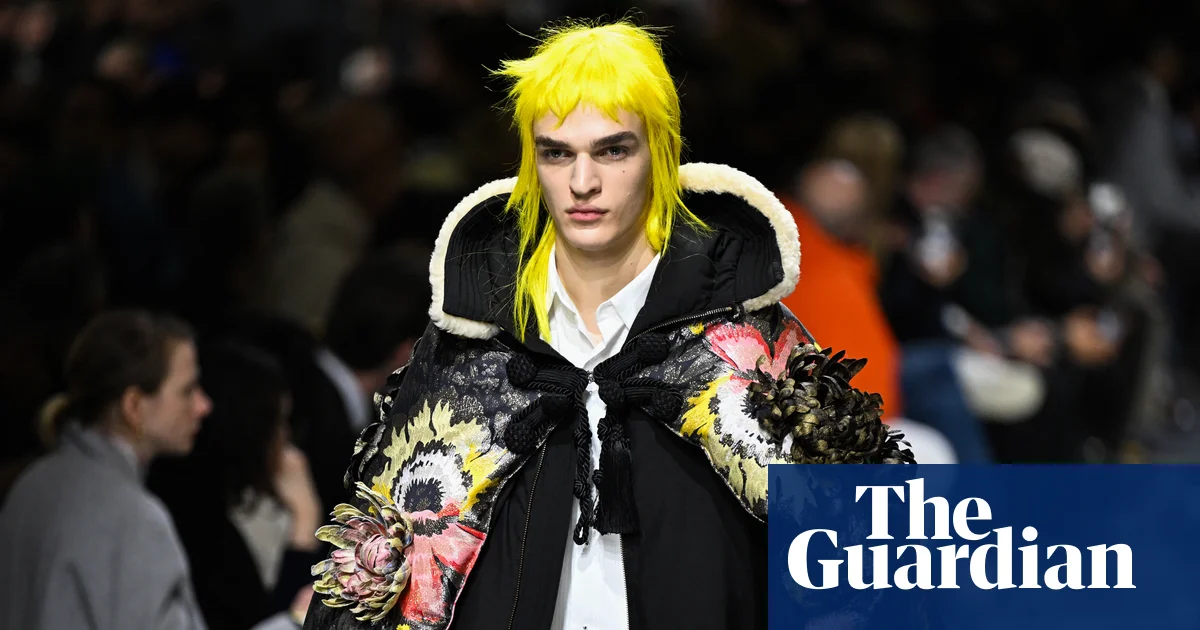
Jonathan Anderson Flexes Eccentric Edge at Dior Men’s Show — Sparking a Fresh ‘New Aristocracy’ at Paris Fashion Week

In the pulsating heart of Paris, fashion is undergoing a remarkable transformation that is as much about societal shifts as it is about style. Jonathan Anderson’s recent Dior menswear show, staged at the iconic Musée Rodin, exemplifies this evolution. With celebrity icons like Robert Pattinson and Lewis Hamilton in attendance, the collection didn’t just showcase clothing—it challenged perceptions about what it means to be part of a new aristocracy. Anderson’s concept focused on eccentricity over wealth, emphasizing the social and cultural relevance of individuality. Instead of traditional signs of status, he spotlighted personal expression—an intriguing reflection of today’s societal trajectory that increasingly favors authenticity and unique identity over old notions of privilege.

His collection, a provocative blend of punk-iness and historic references, took fashion’s boundaries for a deliberate spin. Sequin camisoles, snakeskin boots, and synthetic wigs united to form a character study that questions the norms of normality. Anderson’s use of cropped blazers and tailored pieces from eras just before societal upheaval—the 60s and prewar periods—serves as a commentary on clothing as a premonition of societal change. Influences from eclectic sources like MK Gee and Withnail and I indicate a deliberate move towards a culture that embraces mixed styles and the unconventional. This cultural layering signals a shift where fashion’s role extends beyond aesthetics into the realm of storytelling and social commentary.

Meanwhile, the conversation around fashion’s social relevance continues to evolve as Anderson mentions that consumers are already adopting the “anti-fitting” vibe—wearing men’s jackets designed with a rebellious twist—those traditionally confined to the women’s section. It underscores a broader trend towards bridging gendered styles and killing off the outdated “siloed” thinking of fashion marketing. Anderson sees this fluidity as a reflection of how we shop today, akin to a dessert menu where individuals craft their own personal aesthetic. This isn’t about Christian Dior or the brand; it’s about the next chapter of fashion—a chapter where personal identity reigns supreme, and the social hierarchy is redefined by the choices we make on our own terms.

On another front, visionaries like Pharrell Williams are similarly steering fashion’s future, this time at Louis Vuitton. Williams’ “retro-futuristic” collection, with tech-enabled tailoring, epitomizes the merging of tradition and innovation. Guests such as Skepta and Stephen Graham witnessed jackets glowing under lights and shirts designed to sculpt to the wearer—an explicit focus on technological integration in fashion. This resurgence of technical apparel indicates that luxury is not just about aesthetics anymore, but about enhanced functionality and personal empowerment. It’s a glimpse into a future where fashion aligns seamlessly with technology, digital culture, and individual agency, thus reshaping what luxury means in a world driven by rapid innovation.

Both Anderson and Williams highlight that the next big question for fashion isn’t simply about new styles—it’s about what these styles say about societal values and power structures. The cultural impact of this shift is profound: it signals a move away from the old aristocratic hierarchies based on wealth and social class, towards a society where self-constructed identities define one’s cultural capital. As fashion becomes more fluid and expressive, it challenges sociologists and trend analysts alike to reconsider the future of cultural influence. The true innovation may lie not just in the clothing itself but in how these visual stories will influence social norms and cultural narratives in the years ahead. The question remaining: are we witnessing the dawn of a new era where style democratizes power, or is this just the beginning of a new grand spectacle of identity politics—and what does that mean for the future of young, fashion-conscious generations?

Britain’s £2m homeowners: the forgotten struggling youth? Actually, everyone’s noticed, says Jonathan Liew

In recent weeks, the UK has witnessed a stark contrast in societal reactions to policies targeting wealth inequality and housing injustice. The announcement of Rachel Reeves’s “mansion tax”, intended to tax properties valued over £2 million, has sparked a media frenzy. Yet, this outcry largely overlooks the persistent plight of those living amidst real housing crises. While affluent homeowners express concern over potential financial burdens, millions of families, especially in impoverished urban and rural communities, grapple with unaffordable rents, substandard housing, and displacement—issues that threaten the social fabric itself.

  • The mansion tax targets about 165,000 property owners, but the media’s reaction seems disproportionate to the broader social issues at stake.
  • Many affected homeowners express fears of losing their savings and retirement plans, highlighting the moral dilemma faced by those who feel unfairly targeted while others see the policy as a step towards greater societal equity.
  • Meanwhile, social commentators note that the real housing injustice — overcrowding, homelessness, and lack of affordable options — remains largely ignored by mainstream discourse.

Historian and sociologist Dr. James Collins notes that these social tensions reveal a broader divide in societal values. On one side, a cultural narrative that often romanticizes property ownership as a cornerstone of personal success and stability. On the other, a recognition that the escalation of wealth concentration exacerbates generational inequalities, undermining family cohesion and community resilience. The moral question here is not merely about taxation but about the societal obligation to ensure fair access to stable housing for all. Families are the backbone of society, yet they are increasingly fragmented by policies that favor the wealthy while ignoring the plight of the marginalized.

Within this context, educational institutions play a crucial role in shaping societal attitudes. Yet, there is concern that the current discourse marginalizes the voices of working-class families, fostering a sense of alienation. As social commentator Anna Ramirez highlights, “When policies favor the elite at the expense of the common good, it erodes trust and weakens shared societal bonds.” To bridge this gap, experts advocate for inclusive solutions:

  • Implementing policies that promote affordable housing development in both urban and rural areas.
  • Encouraging community-led initiatives to support displaced families and preserve local cultures.
  • Reforming taxation to balance revenue needs with social equity, ensuring the social contract remains fair.

As society stands at this critical juncture, it is essential to reflect on the human impact of these policies. Behind every statistic and media headline are real people: children seeking safe neighborhoods, elderly homeowners facing threats of losing their lifelong investments, and young families striving for stability in uncertain times. Building a society that prioritizes human dignity over wealth accumulation requires a collective moral awakening. Only then can society begin to mend its fractured bonds and forge a future where housing is seen not as a commodity for the few but as a fundamental human right accessible to all. In confronting these societal challenges, society’s true strength lies not in wealth, but in the resilience and compassion of its communities — a strength waiting to be awakened in every neighborhood, every family, and every young heart eager for hope.

Move Aside Claudia: Jonathan Ross Steals the Spotlight as a Traitors Style Icon in the Youth Scene

In the realm of reality television, style has long transcended mere aesthetics to become a cultural statement. This season of Celebrity Traitors, a hit UK-based game show, has vividly demonstrated that wardrobe choices are now more than just fashion—they’re powerful tools for social signaling. While the audience expects suspense over who will survive each night’s murder, a subtler, more profound battle is unfolding: the battle for perception. And no one has mastered this quite like Jonathan Ross. His eclectic, flamboyant outfits on the show are not only a reflection of his personality but are actively shaping the social narrative, blurring the lines between performance and strategy.

Influenced by a mix of vintage Hollywood style and pop culture icons, Ross’s wardrobe choices have become a cultural phenomenon in their own right. From tailored dapper suits to daring Top Gun-inspired jumpsuits, his looks are meticulously curated to *signal dominance and authority*. Fashion psychologist Dr. Dion Terrelonge highlights how Ross’s self-styled ‘costumes’ serve to convey the message: “I am a leader who commands attention.” Far from accidental, Ross’s choices are a calculated act rooted in perception management. His wardrobe is like a visual language, telling viewers he’s in control—even when he’s secretly orchestrating betrayal. This approach echoes the work of sociologists who argue that fashion, especially in high-stakes environments, functions as an extension of social power and status.

  • On-trend fashion as a social tool: Ross’s bold looks—ranging from aviator sunglasses to fuzzy stoles—are more than just eye candy; they’re part of a strategic play, signaling to both contestants and viewers that he’s a ‘big dog’ in the game.
  • Viral influence: Fans and fashion enthusiasts online have started mimicking Ross’s most striking outfits, turning his wardrobe into a trending cultural phenomenon that extends far beyond the show.
  • The social psychology behind costume: Experts suggest that dressing in a way that commands attention might increase perceived authority—vital in a game designed around deception and trust.

What makes Ross’s fashion stunt even more compelling is his choice to control his appearance even during moments of vulnerability. Known for plotting his looks himself—sometimes packing a full goth ensemble just in case—the broadcaster’s wardrobe becomes a live canvas for his dual identity: the charming host by day, the covert traitor by night. Such deliberate styling echoes the archetypes of the ‘big, bold’ hero characters in popular culture—think Maverick or Sherlock Holmes—yet here, it’s used for a much darker purpose. The social relevance of this trend is undeniable: it underscores how personal style can influence perception, especially when tied to concepts of authority, trustworthiness, and deception.

As the narrative twists unfold, the real question facing us is whether this trend of fashion-as-strategy will continue to evolve—especially in an era where image overtakes substance at an unprecedented pace. Is the rise of such flamboyant displays of style a sign that society is shifting towards an even more performative culture? And, perhaps more intriguingly, what could be next? If dressing complex and commanding on-screen can help a traitor hide in plain sight, are we witnessing the dawn of a new social era—where how we dress is becoming the ultimate form of social camouflage? The future, it seems, is as much about what’s on the outside as what’s hidden behind it.

Social Media Auto Publish Powered By : XYZScripts.com