Matox News

Truth Over Trends, always!

Nine Dead in Mishap at Kashmir Police Station—Authorities Confirm

Tragedy at Nowgam Police Station Sparks Broader Concerns in Indian-Administered Kashmir

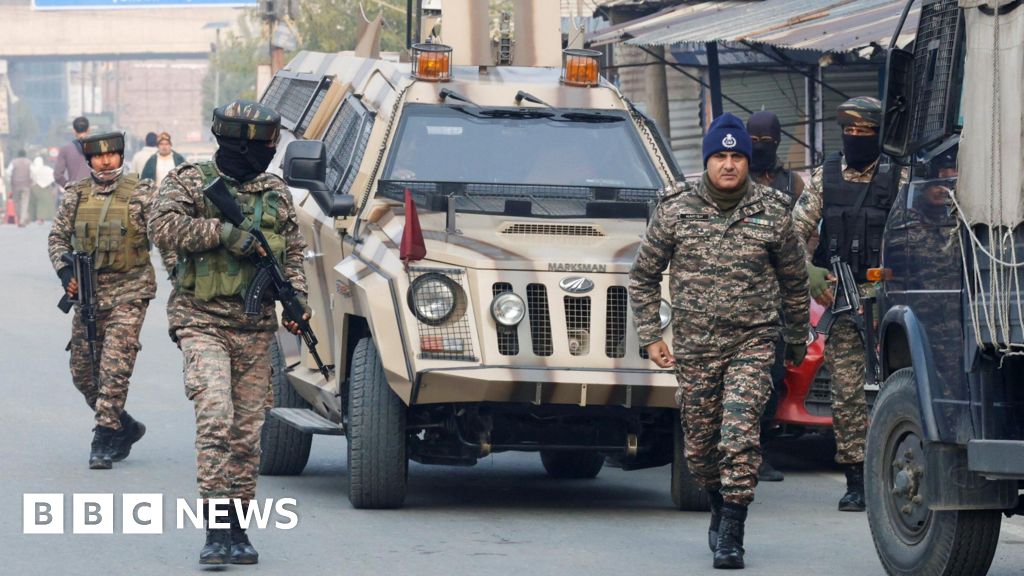
The recent explosive accident at the Nowgam police station in Indian-administered Kashmir has sent shockwaves through a region already steeped in complex, often violent, geopolitical tensions. Official reports confirm that nine lives were lost and 32 others injured after a stockpile of confiscated explosives detonated during handling. Authorities insist this was a tragic accident, not a terrorist act—yet the incident underscores how fragile peace remains in this highly contested territory. The region, long a flashpoint between India and local independence aspirations, often bears the brunt of violence, and this latest mishap adds yet another layer to the ongoing chaos that analysts warn could escalate if not carefully managed.

The explosion’s timing closely follows a recent deadly terror incident in Delhi, where a car blast claimed multiple lives. Such events highlight a disturbing pattern: a region where clandestine conflicts, terrorism, and political unrest intermingle with tragic regularity. The Indian government, under the scrutiny of international organizations like the United Nations and global watchdogs, continues to grapple with balancing security and civil liberties. Experts like Indian historian Dr. Ranjit Verma emphasize that these incidents—whether accidents or acts of violence—are deeply interconnected with the unresolved tensions over the region’s future and sovereignty. Governments and analysts must acknowledge that the more unstable the status quo, the greater the risk of this volatile situation spilling into broader regional conflicts.

The geopolitical impact of these incidents extends beyond Kashmir’s borders, resonating with neighboring countries and global powers. China, with its own interests and territorial claims concerning India and neighboring Pakistan, watches these developments with concern. Meanwhile, Pakistan continues to accuse Delhi of escalating military presence and oppressive policies in Kashmir—factors that significantly contribute to regional instability. The incident at Nowgam serves as a stark reminder of the dangerous heat generated by unresolved territorial disputes, nuclear-armed nations, and extremist factions vying for influence. The international community, especially organizations like the United Nations, faces mounting pressure to facilitate dialogue, but historical skepticism remains. Past failures to broker lasting peace reveal how deeply entrenched these conflicts are and how quickly accidents can spiral into broader crises.

As the dust settles on the Nowgam explosion, the larger narrative of history continues to unfold—one driven by decisions that ripple across nations and societies. The handling of this tragedy will be a crucial test for Indian authorities and international mediators alike. The stakes are high; an escalation in violence could threaten regional stability and undermine decades of diplomatic efforts aimed at peace. As analysts warn, “if miscalculations persist, it could open a new chapter of relentless cycle of violence and mistrust.” In the shadows of this tragedy, the future of Kashmir hangs in the balance, a stark reflection of unresolved conflicts that remain painfully unresolved, yet continue to define the geopolitical landscape of South Asia. The pages of history are turning, and the world watches, knowing full well that in this silent yet deadly arena, the next blow could find echoes far beyond these mountains — forever shifting the course of nations.
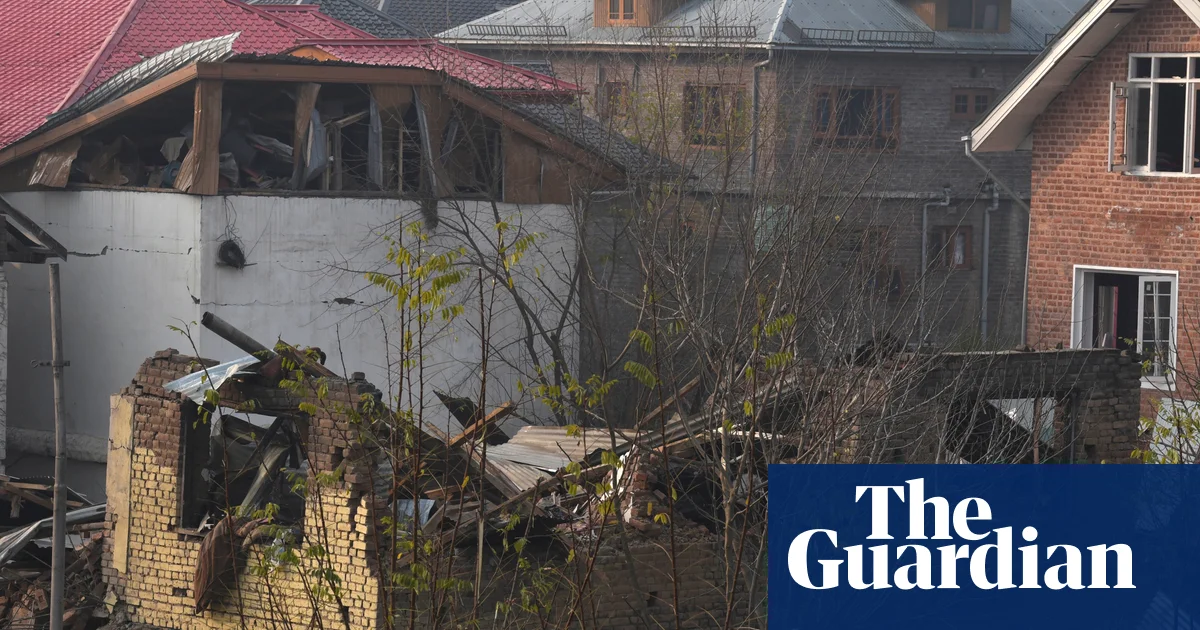

Explosive stash inside Kashmir police station detonates, killing nine—authorities scramble to contain chaos

Explosive Tensions Rise in India-Controlled Kashmir

The recent deadly blast at a police station in Kashmir‘s main city, Srinagar, underscores the fragile security situation in this disputed region. The explosion, which claimed at least nine lives—primarily police and forensic officials—and injured 32 others, has sent shockwaves through international geopolitical circles. As authorities initially framed the incident as an accidental explosion during forensic sampling, its timing amid ongoing counter-militant operations raises significant questions about underlying tensions and the prevailing atmosphere of instability.

Recent Events and International Reactions

  • The blast followed a series of high-profile British Indian and other foreign nationals’ arrests in Faridabad, revealing efforts to dismantle a suspected militant cell reportedly involved in planning or executing terror activities across India. Authorities seized large quantities of bomb-making material, signaling a potentially dangerous escalation in the region’s militant activity. This operation, coupled with the dismantling of the cell, fuels fears of increased violence, primarily aimed at destabilizing Indian-controlled Kashmir.
  • Just days prior, India experienced a deadly car explosion near the historic Red Fort in New Delhi, which the government swiftly labeled a “heinous terror incident” perpetrated by “anti-national forces.” This chain of violent episodes exemplifies the ongoing security challenges that threaten regional stability and complicate diplomatic efforts in resolving the Kashmir conflict. International analysts, including those from the United Nations and various think tanks, warn that such violence could escalate further if political solutions are not prioritized over brute-force operations.
  • Meanwhile, Pakistan has issued cautious statements, condemning violence on both sides while refusing to comment directly on India’s internal security measures. This strategic ambiguity maintains the status quo, but international observers argue that this delicate balance risks unraveling if violence continues unabated — especially with both nations wielding nuclear arsenals amid rising nationalist sentiments.

Geopolitical Impact and Future Implications

The geopolitical impact of these events reaches beyond South Asia. India‘s resolve to fight militant threats within Kashmir aligns with its broader goal to project strength and maintain sovereignty over the region. However, critics argue that excessive force and controversial security practices may only deepen local resentment and provide ammunition for militant recruitment. International organizations, including the World Security Council, repeatedly emphasize the importance of diplomatic engagement and respect for human rights as vital components to sustainable peace.

Furthermore, the incident at Srinagar—initially dismissed as an accidental explosion—serves as a stark warning of how unresolved conflicts and clandestine militant networks can turn deadly without decisive political intervention. Historians such as Benedict Rogers warn that history shows violent flare-ups in Kashmir often serve as catalysts for wider regional destabilization, impacting neighboring Pakistan, China, and even drawing in external powers like the United States and Russia.

The unfolding scenario exemplifies how decisions made behind closed doors—whether in military raids, diplomatic negotiations, or international aid—vibrate through the social and political fabric of the region. As history continues to be written in blood and resilience, the weight of unresolved disputes, ideological clashes, and external interests threaten to plunge South Asia into persistent turmoil, with global consequences that echo far beyond the mountains and deserts of Kashmir.

Social Media Auto Publish Powered By : XYZScripts.com


