Matox News

Truth Over Trends, always!

US authorities ground cargo plane model following Kentucky crash

US Authorities Ground All MD-11 Cargo Planes Following Kentucky Crash

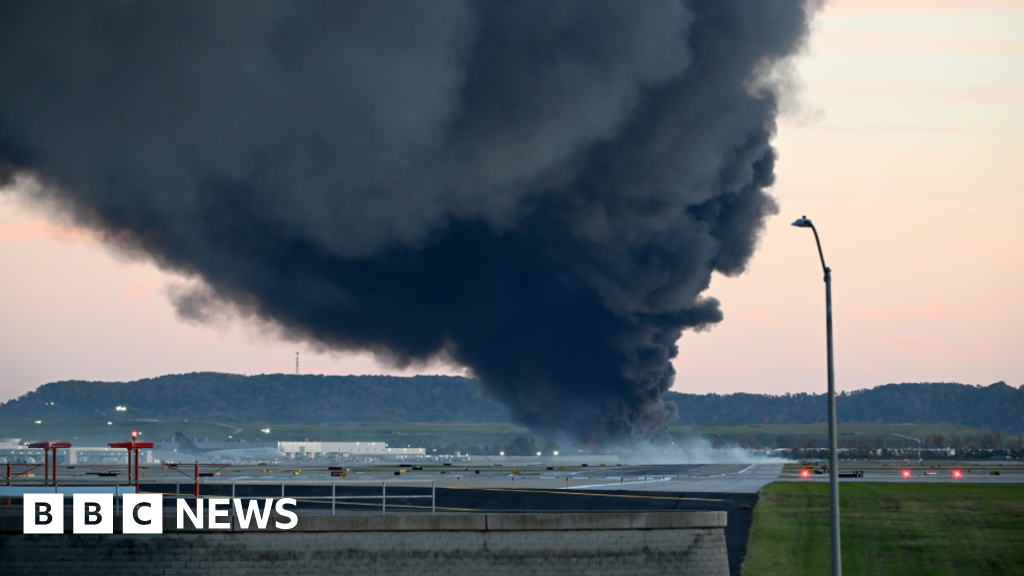
In a decisive move that underscores the fragility of oversight in an increasingly interconnected world, US aviation authorities have ordered immediate grounding of all models of the Boeing MD-11, following a catastrophic accident in Kentucky. The incident involved a UPS cargo plane that, during takeoff, burst into flames and collided with nearby businesses, resulting in 14 fatalities—an event that has sent shockwaves through the international freight industry and beyond. The Federal Aviation Administration (FAA) cited the plane’s left engine catching fire and detaching, compounded by the massive fuel load of 38,000 gallons, which fueled the inferno and made rescue efforts exceedingly perilous. The significance of this event stretches far beyond regional safety concerns—it calls into question the enduring viability of aircraft models still in operation, over three decades after their commercial debut.

Global Security and Trade Chains Hang in the Balance

  • The FAA’s order affects 70 aircraft operated by UPS, FedEx, and Western Global Airlines, with approximately 55 planes actively in service during last week’s operations.
  • The decision arrives amidst growing scrutiny of aging military-grade aircraft still used in civilian contexts, highlighting a broader debate on aircraft longevity, safety standards, and regulatory oversight.
  • International organizations such as the International Civil Aviation Organization (ICAO) have begun reassessing safety protocols for older aircraft across nations, with some analysts warning of potential systemic failures if aging fleets are not properly phased out.

The crash exhibits a disturbing trend: a 34-year-old model, initially designed as a passenger aircraft with Thai Airways, was transferred to cargo operations where it has remained. McDonnell Douglas manufactured the MD-11, which was eventually absorbed by Boeing in 1997; production halted in 2000. Despite being decommissioned from passenger service in 2014, these aircraft still operate in freight roles, reflecting the resilience of older aviation assets but also exposing vulnerabilities in maintenance and safety checks. Many aviation experts argue that the pursuit of profit and efficiency in a hyper-competitive logistics sector has impeded necessary fleet upgrades, risking the safety of crew, communities, and the integrity of logistics infrastructure.

Strategic Implications and Future Risks

As the world’s economies grapple with this incident, the geopolitical impact becomes increasingly evident. The disruption of cargo flights reverberates through global supply chains, affecting everything from pharmaceuticals to critical medical supplies—a realization that how nations manage transportation safety can directly influence international stability. Though US companies have assured the public that contingency plans are in motion, the incident raises alarming questions about the adequacy of current regulations and the hidden risks of aging aircraft fleets.

Historian and aviation analyst Dr. Lawrence Adams has warned that this tragedy could mark a turning point in how international regulators address aircraft lifespan and safety standards. International organizations are contemplating tighter controls, but some caution that the time-consuming process of updating fleets could be hindered by economic pressures and geopolitical rivalry. As nations watch this unfolding crisis, they are reminded that the decisions made today about safety, regulation, and technological overhaul will shape their destinies for decades to come.

Amidst the cloud of smoke and irreversible loss, the relentless surge of history presses forward. The crash in Kentucky is more than a tragic accident—it’s a stark warning echoing from the corridors of power, urging humanity to confront the hidden costs of technological obsolescence. As policymakers and industry leaders scramble to respond, the world waits—knowing that some moments in history are not just about the past, but about the choices that will determine the fate of generations yet unborn.

UPS Cargo Plane Loses Engine Before Deadly Kentucky Crash

International Reverberations as Louisville Plane Crash Underscores Critical Flaws in Global Supply Chains

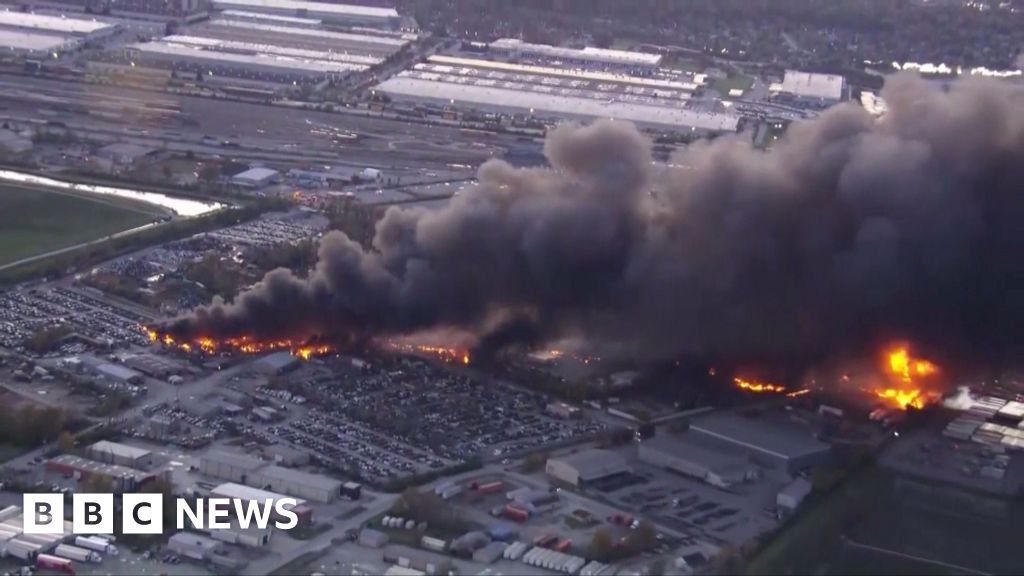
The tragic crash of a UPS cargo plane in Louisville, Kentucky has reverberated beyond domestic tragedy, casting a long shadow on international logistics, safety standards, and the fragile nature of global supply chains. According to officials, the McDonnell Douglas MD-11 aircraft experienced catastrophic failure shortly after takeoff, with investigations revealing that its left engine detached prematurely, igniting fires that led to a deadly explosion and destruction on the ground. At least nine lives were lost, and numerous others were injured, stirring outrage and concern worldwide about the safety of commercial and cargo aviation that underpins commerce from Asia to Europe.

In their exhaustive efforts, investigators from the National Transportation Safety Board have highlighted the significance of such incidents, emphasizing the potential geopolitical fallout. The crash raises serious questions about aerospace safety protocols in major airlines and freight companies operating across borders. Some analysts warn that these failures threaten to exacerbate international trade disruptions, as major hubs like Louisville serve as critical nerve centers in the trans-Pacific and trans-Atlantic corridors. The incident has already impacted flight schedules, with hundreds of outbound flights canceled, illustrating how interconnected the world’s economy has become—an intricate web that is vulnerable when one link breaks.

The broader geopolitical impact is now under scrutiny, with international organizations and security experts cautiously noting the incident’s potential to influence air freight regulations across nations. While authorities have confirmed that no hazardous materials were aboard, the debris field sprawling for half a mile underscores the chaos that ensues when safety measures falter at critical junctures. Historians and analysts assert that akin to the infamous disasters of the past—such as airline incidents that spurred stricter safety protocols—this tragedy could serve as a pivotal point, reshaping how the world perceives the security of supply chains that keep global economies ticking.

As the investigation unfolds and the world watches with bated breath, the Louisville incident remains a stark reminder of the fine line separating routine operations from catastrophic failures. In an era defined by geopolitical tensions and economic competition, governments and international institutions are called to reevaluate their stance on aviation safety standards, freight security, and their strategic alliances. The question remains whether this event will accelerate reforms or merely serve as another chapter in a series of preventable disasters. How nations respond now will inevitably shape the trajectory of international commerce, security, and societal stability in the years to come.

Breaking: Kentucky UPS cargo plane crash claims at least seven lives, raising serious concerns

In an unprecedented event that has sent shockwaves through both local and international communities, a UPS cargo plane crashed during takeoff from Louisville, Kentucky, resulting in at least seven fatalities and numerous injuries. The incident, which took place Tuesday evening, underscores the critical importance of aviation safety standards and the potential consequences of technological or operational failures within the global transportation network. Louisville, home to the world’s largest UPS hub, finds itself at the epicenter of a tragedy that offers a stark reminder of the vulnerabilities embedded within our interconnected trade and logistics systems.

The aircraft involved was a venerable MD-11F, a model first introduced over three decades ago and part of the fleets that many logistics giants such as UPS and FedEx plan to retire over the next decade. The plane, carrying approximately 38,000 gallons of fuel en route to Hawaii, plummeted shortly after lifting off, igniting a massive fireball that consumed nearby businesses and triggered extensive emergency responses. While preliminary investigations are ongoing, questions persist about the causes behind this catastrophic failure—be it mechanical malfunction, human error, or an unavoidable mishap in the complex web of international aviation standards.

Notably, this event highlights the geopolitical impact of global logistics infrastructure, particularly the strategic significance of Louisville’s UPS hub. As one of the most critical nodes for international parcels, any disruption reverberates throughout global supply chains, highlighting the dependency of economies worldwide on short, reliable delivery channels. Analysts from international logistics organizations have warned that incidents like this threaten to erode public confidence in commercial aviation’s safety, especially amid an ongoing transition toward modernized and environmentally-friendly fleets. Historian and transportation experts stress that these accidents serve as stern warnings—not only about technological aging but also about the pressing need to adapt and ensure the resilience of our global logistics systems.

The incident also carries profound how decisions affect nations and societies. The immediate aftermath saw Louisville implementing shelter-in-place orders, and the airport temporarily halting all departures, illustrating how localized incidents can cascade into regional security concerns. Authorities have emphasized that the crash site will remain a guarded, active scene for days, with ongoing investigations led by the National Transportation Safety Bureau. Meanwhile, the broader international community observes, aware that the ripple effects of a single accident can challenge decades of progress in aviation safety. Aircraft manufacturers like Boeing, which supplied the MD-11 fleet, have issued statements reaffirming their readiness to support the investigation, demonstrating the interconnectedness of industry stakeholders amid crises.

As cities like Louisville grapple with the immediate damage and ongoing danger, the event’s ultimate impact extends beyond the boundaries of Kentucky. It acts as a stark chapter in a larger narrative—the relentless march of history where technology, human peril, and geopolitical shifts collide. The haunting image of smoke rising over a vital logistics hub becomes a symbol of the fragile balance that sustains the global economy. With each passing day, the story continues to unfold, leaving the world to wonder: how many more risks must society endure before our interconnected systems are truly resilient? As the investigation advances and the aftermath unfolds, this tragedy may well mark a turning point—one that demands reflection on our collective safety and future readiness in an increasingly complex geopolitical landscape.

Social Media Auto Publish Powered By : XYZScripts.com



