Matox News

Truth Over Trends, always!

Kenyan Activists Vanish in Uganda, Bobi Wine Reports
Kenyan activists who vanished in Uganda are finally safe—after five weeks on the run

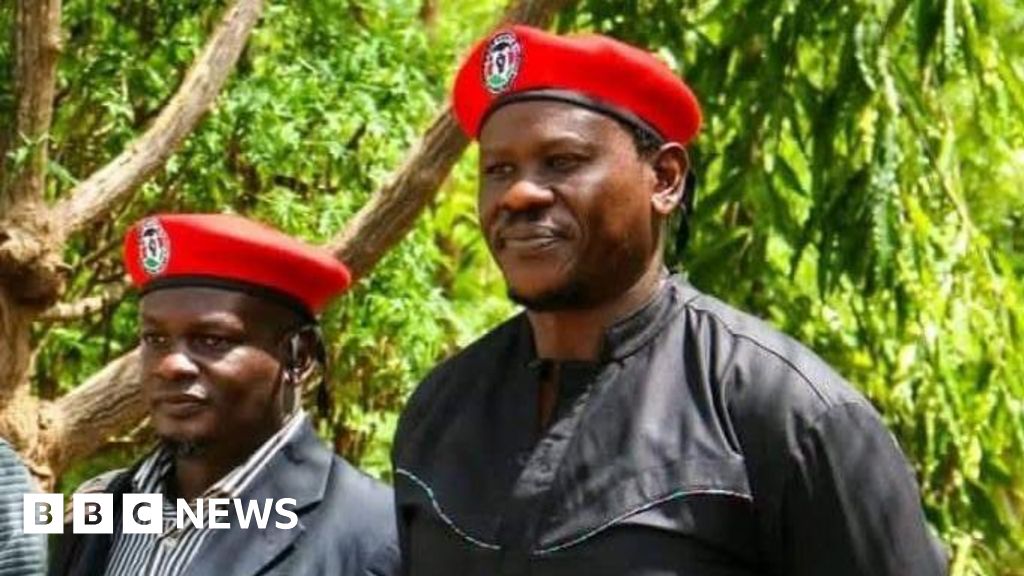
In a landscape marred by political turbulence and ongoing human rights violations, recent revelations from Kenya have cast a stark light on the escalating repression across East Africa. Human rights organizations report the unexpected return of two activists, Bob Njagi and Nicholas Oyoo, after being forcibly disappeared in Uganda for over five weeks. Eyewitness accounts depict masked security personnel kidnapping the men as they supported Bob Wine, the charismatic opposition figure challenging Ugandan President Yoweri Museveni. Despite Kampala’s denials of custody, the activists’ safe transition back to Nairobi signals a possible shift—and perhaps a warning—regarding how authoritarian regimes may be losing ground in their efforts to silence dissent.

Mets of Ugandan security practices, frequently condemned by international bodies, have long targeted opposition supporters and perceived critics, often operating under murky legal cover. The case of Njagi echoes previous episodes of enforced disappearances and mistreatment, which have become emblematic of regional efforts to suppress political opposition. Historians and analysts warn that these actions are emblematic of a broader pattern of authoritarian consolidation in Uganda and neighboring countries, where legal systems are weaponized against those daring to challenge the status quo. Notably, entities like Amnesty International have highlighted the dangers of such tactics, framing them as deliberate attempts to eradicate political pluralism under the guise of national security.

The incident also underscores growing regional tensions, as current geopolitical shifts threaten to redefine East Africa’s stability. Kenya’s role as a regional hub for diplomacy and activism appears increasingly vital, especially as Ugandan authorities face internal and external pressure. The interconnectedness of these events, reinforced by recent detentions of activists like Boniace Mwangi and Gather Atuhaire in Tanzania, reveals an unsettling trend: governments seemingly collaborating to quell opposition and monitor civil liberties. Such cooperation among authoritarian-leaning regimes risks destabilizing the region’s fragile democratic gains, prompting concerns from international observers about the potential erosion of liberties across eastern Africa.

Looking ahead, the unfolding narratives of suppression, resistance, and shifting alliances propel the region into uncharted territory. According to analysts from International Crisis Group and regional think tanks, these developments are not isolated but indicative of a broader, regional strategy to tighten control at a time when democratic voices threaten to resound louder than ever before. As the peoples of East Africa witness the resurgence of repression amid a rising tide of activism, history is poised at a pivotal juncture—one that will ultimately determine whether these countries march toward authoritarian stagnation or awaken to a new era of genuine democratic renewal.

Within this volatile crucible of power struggles and human rights reckonings, the region’s fate hangs in delicate balance. The journey of Njagi, Oyoo, and countless others reflects a broader, often unseen struggle—one that echoes across the corridors of history and challenges the very notion of sovereignty, justice, and liberty. As the world watches, the unfolding chapters of this conflict threaten to redefine the geopolitical map and leave an indelible mark on the fabric of history itself—an enduring reminder that the fight for human rights remains an enduring, global conflict.

British Ex-Soldier Detained Over 2012 Kenyan Woman’s Death

British Army Faces International Scrutiny as Extradition of Former Soldier Unfolds

The recent arrest and impending extradition of Robert James Purkiss, a former British soldier, to Kenya in connection with the 2012 murder of 21-year-old Agnes Wanjiru, have reignited debates surrounding accountability, justice, and the geopolitical implications of military conduct abroad. Detained in Wiltshire, Purkiss’s case epitomizes a long-standing struggle for justice by the victim’s family and the broader Kenyan community, questioning the effectiveness of British military oversight in overseas conflicts and the accountability structures of former colonial powers.

According to the National Crime Agency (NCA), Purkiss’s arrest followed a warrant issued in September, as Kenya rigorously pushes for justice decades after the tragic incident near a British army training camp in Nanyuki. Details reveal a disturbing pattern linking British soldiers to misconduct and unresolved crimes, a concern that has led Kenyan authorities yet again to demand international cooperation. This case, underscored by the victim’s family’s assertions of deliberate cover-ups, underscores how the intersections of military presence and local communities can lead to deep-seated trust issues and wider geopolitical consequences.

Historical and Political Contexts Shape the Case

  • The 2018 inquest concluded that Ms. Wanjiru had been unlawfully killed by British soldiers, with subsequent investigations revealing possible confessions from soldiers and alleged cover-ups. Such findings highlight ongoing questions about military accountability in overseas operations.
  • In 2021, a Sunday Times investigation reported a British soldier’s confession to colleagues regarding the killing, resulting in further controversy over the army’s internal discipline and transparency.
  • In response, the British army announced in 2024 it was conducting an internal review into its conduct in Kenya, uncovering at least 35 suspected cases of sexual exploitation, including after the army’s official ban on such conduct in 2022. This move signals an effort to address past abuses, but critics argue it raises questions about how those investigations are coordinated with international justice systems.

International organizations and analysts have warned that unresolved cases like these threaten to undermine Britain’s global reputation and complicate diplomatic ties with African nations. Critics argue that colonial-era attitudes and reluctance to confront past misconduct fuel a culture of impunity, emboldening further abuses. Historians such as Orlando Patterson and organizations like Human Rights Watch suggest that justice for victims, whether in London, Nairobi, or elsewhere, depends heavily on proactive accountability and transparency—premises that remain sorely tested in this case.

Geopolitical Impact and Societal Consequences

The decision to extradite Purkiss carries significant geopolitical impact. For Kenya, this symbolizes a potential shift toward greater judicial sovereignty, asserting that former colonial powers must confront their past misdeeds in new and tangible ways. For Britain, it highlights the challenge of reconciling its historical military presence with contemporary standards of justice and accountability, especially in fragile post-colonial contexts.

This case exemplifies the larger struggle for post-colonial nations to reclaim agency over their histories and seek justice for victims of past abuses. As Kenyan officials press for the suspect’s trial, questions arise about how many other unresolved cases linger behind a façade of diplomatic immunity. The international reaction underscores a growing demand for more robust accountability measures from Western military forces operating abroad, amid fears that past impunity could threaten future stability and international trust.

As history continues to unfold, the case of Agnes Wanjiru becomes more than just a local tragedy; it is a stark reminder that in the complex chessboard of geopolitics, the pursuit of justice can become a catalyst for wider systemic change. With each legal move and diplomatic negotiation, the weight of history presses down, shaping the future of international justice and the moral responsibilities of mighty nations. The question remains: how will the words of justice and accountability echo across continents, or will they fade into the shadows of history, leaving unresolved wounds that threaten to unravel fragile alliances?

Kenyan landslide claims 21 lives amid heavy rains, prompting urgent calls for action

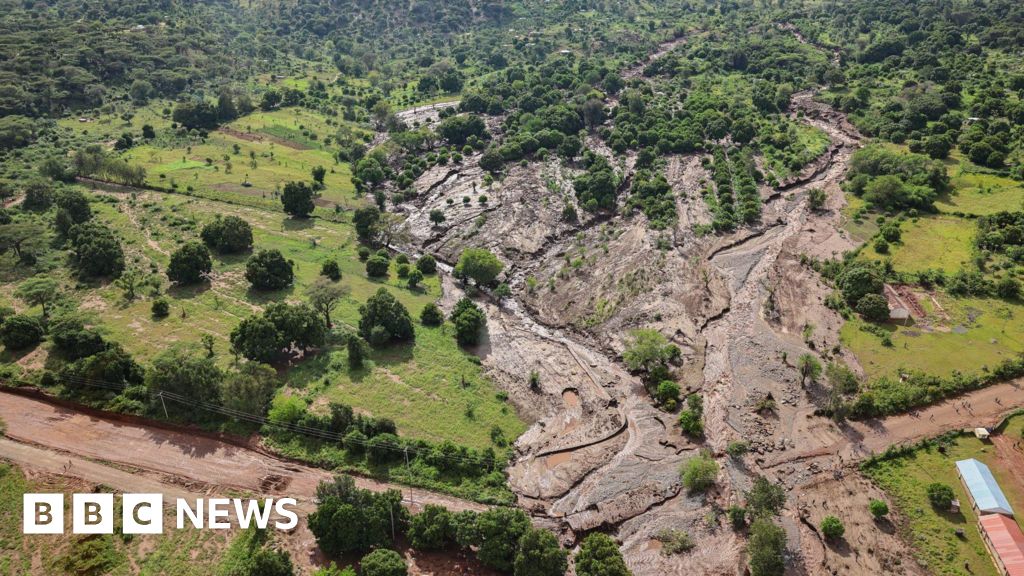
The East African region is currently grappling with a severe climate crisis, highlighted by recent devastating landslides and flash floods affecting Kenya and Uganda. The Kenyan government confirmed that 21 lives have been lost following a landslide in the western province of Marakwet East, provoked by unprecedented heavy rainfall. Interior Minister Kipchumba Murkomen reported that rescue efforts have been hampered by ongoing mudslides and flooding that cut off vital access routes, hindering aid delivery and complicating search operations. Meanwhile, in Uganda, similar weather conditions have resulted in deadly mudslides, with at least four confirmed fatalities in Kapsomo village and widespread destruction across several districts.

Analysts and international organizations are warning that the geopolitical implications of these environmental crises extend far beyond immediate human suffering. The United Nations and regional bodies have emphasized that climate change and inadequate infrastructure are exposing vulnerable populations to escalating dangers. Historians like Dr. Samuel Okoth-Omara note that this current wave of disasters reflects a broader pattern of environmental neglect and political instability, which exacerbates the region’s susceptibility to climate-related crises. As flash floods overflow rivers such as the Sipi and Astiri, communities face the immediate danger of losing homes, crops, and vital economic resources. These events threaten to destabilize local economies, complicate regional security, and induce mass displacement.

The geopolitical impact of this crisis is profound. Both Kenya and Uganda have urged residents living along seasonal rivers or recent landslide zones to evacuate to safer ground, yet the challenge remains formidable. The Kenyan government has paused rescue operations temporarily but assured the public that military and police helicopters are on standby to deliver relief supplies, including food and non-food items. This response underscores the importance of regional stability—infrastructure failures, such as blocked roads, impede not only rescue efforts but also disrupt trade and humanitarian aid. The regional governments’ inability to fully contain or prevent these disasters exposes the fragility of their institutional resilience, raising questions about long-term adaptive measures in the face of shifting climate patterns.

Many observers, including climate experts and international analysts, warn that without decisive action, these environmental calamities will continue to accelerate. The World Meteorological Organization has highlighted that rising temperatures and unpredictable rainfall patterns are fueling an increase in deadly weather events across East Africa. Furthermore, the widespread devastation fired up discussions about climate justice and the urgent need for sustainable development strategies—though critics argue that political will remains insufficient. As the region faces an unfolding chapter of suffering and adaptation, the question persists: to what extent are these nations prepared to confront the seismic shifts threatening their societies? The unfolding narrative carries within it the echoes of history—a reminder that nature’s fury, once unleashed, demands a collective response that transcends borders and ideologies. Whether East Africa can forge a resilient path amidst this turmoil remains a decisive test of its future.

Kenyan Youths Raise Alarm: ‘We Are Orphans’ Amid National Tragedy

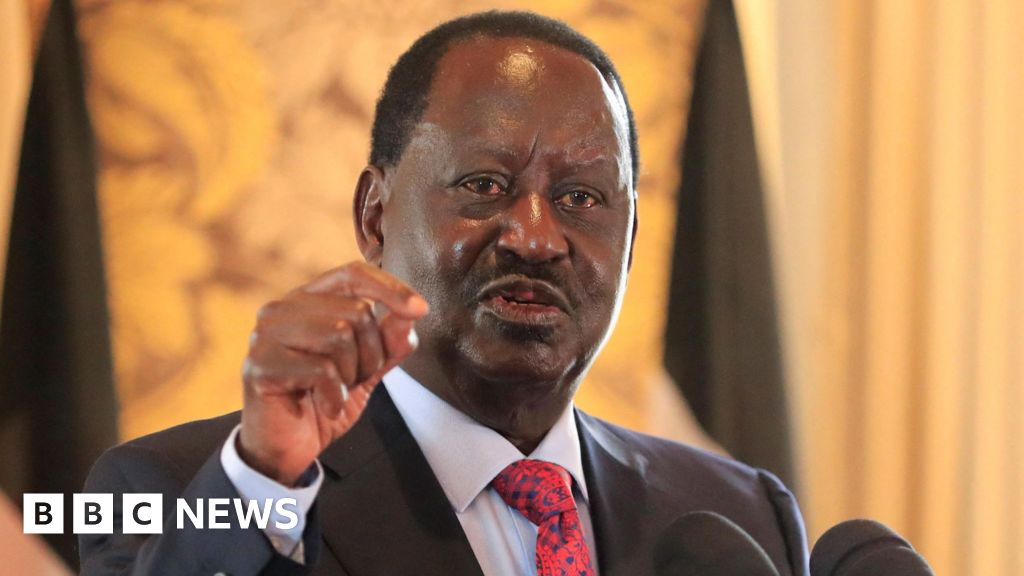
The passing of Kenyan opposition leader Raila Odinga has sent waves across the continent and beyond, highlighting the enduring influence of his political legacy in East Africa. Odinga, regarded as a symbol of resilience and democracy, drew massive crowds at his funeral in Kisumu, underscoring the deep-rooted support he cultivated over decades. His death at age 80 marks not only a personal loss but a significant juncture for Kenya’s political landscape and its position within the broader African Union. Former US President Barack Obama, echoing a sentiment shared by many, recognized Odinga as a “true champion of democracy,” a title that resonates with his hard-fought political career that spanned multiple electoral cycles, often marred by allegations of manipulation and violence.

Odinga’s political journey was characterized by his unwavering advocacy for self-governance and electoral transparency. Despite losing five presidential campaigns, he remained a potent force, embodying the aspirations of millions for democratic reform. The 2007 election crisis demonstrated his resolve, leading to a fragile but vital unity government aimed at curbing electoral violence. Analysts from respected international think tanks emphasize that Odinga’s legacy laid the groundwork for Kenya’s ongoing political reforms, even as intra-ethnic tensions persist. The geopolitical impact of his death extends beyond national borders—it underscores the fragile stability in a region frequently affected by political unrest, and the importance of regional diplomacy in fostering peace.

The death of Odinga coincides with a broader shift in African politics, where youthful populations and burgeoning economies demand greater representation and accountability. Historians such as Terence Ranger have noted that leaders like Odinga are vital in navigating post-colonial challenges, balancing traditional influences with the aspirations of new generations. The post-Odinga era presents a critical test for Kenya’s political institutions as they attempt to maintain peace and stability. The measures taken to prevent chaos during the funeral—warnings from Odinga’s family and the organization of orderly private burials—highlight the acute awareness of how fragile societal cohesion can be in times of leadership transition. The international community’s recent calls for calm stress the significance of regional stability—any upheaval risks destabilizing a vital economic hub and disrupting East African trade networks.

As history continues to unfold amidst these shadows of change, the legacy of Raila Odinga remains a powerful reminder of the thin line leaders walk between progress and chaos. His life encapsulates the ongoing story of African resilience—a continent where the struggle for justice persists amidst growing pains. While his body is laid to rest, the trajectory of Kenya’s democracy hangs in the balance. The desire for true reform, resilience, and regional stability fuels the hope that Odinga’s sacrifices will not be in vain. The echoes of his journey serve as both a warning and a source of inspiration—calling nations and societies to face the turbulent tide of history, aware that their actions today are the foundations upon which future generations will either build or unravel the complex tapestry of African nationalism and sovereignty.

Kenyan Airport Closes as Youths Gather in Massive Welcome for Ex-PM's Body
Kenyan Airport Closes as Youths Gather in Massive Welcome for Ex-PM’s Body

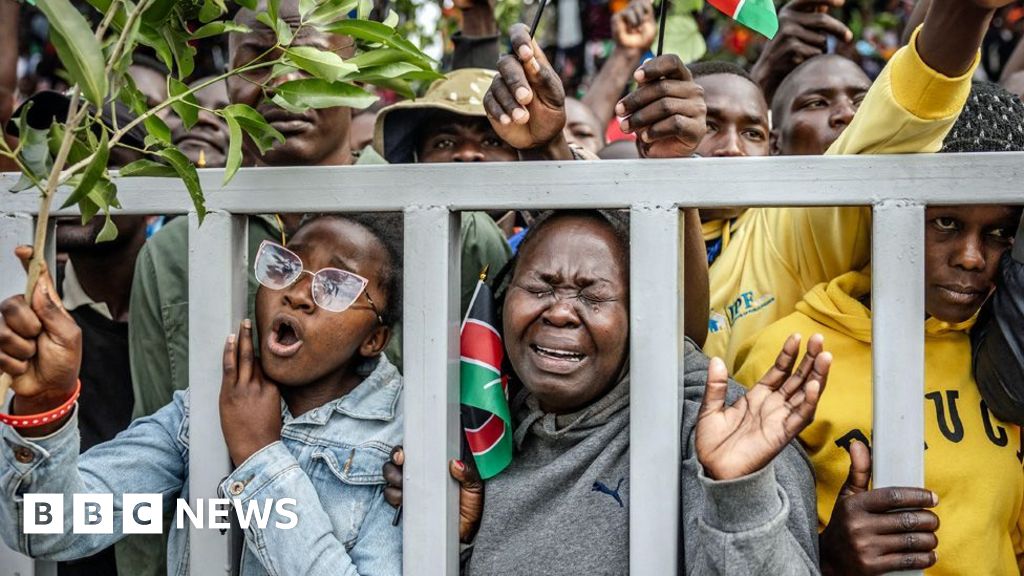
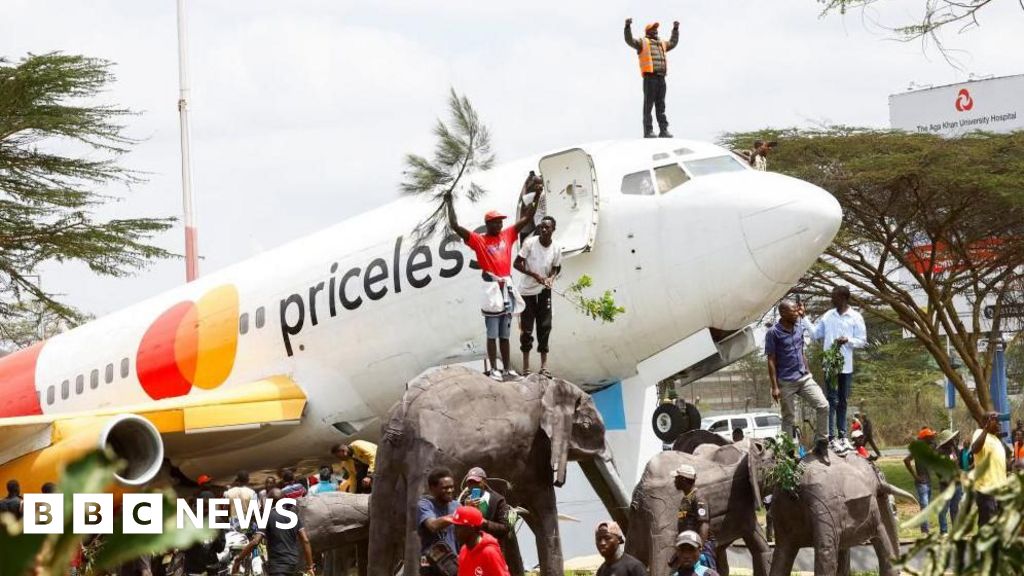
In a dramatic turn that has gripped Kenya and reverberated across the African continent, the nation is currently grappling with the loss of Raila Odinga, a towering figure in Kenyan politics. His death in India at age 80, following a cardiac arrest, marks not just the end of a political era but signals an imminent shift in the nation’s political landscape. Thousands of Kenyans gathered in mourning, breaching security at Jomo Kenyatta International Airport to receive his body—a clear indication of the deep emotional and political connection Odinga commanded. Authorities had to suspend operations at the airport amidst the chaos, illustrating how his influence transcended politics, resonating with the very fabric of Kenyan society.

This unprecedented turnout underscores Odinga’s role as a unifying yet contentious figure whose politics mirror the nation’s complex identity struggles. Recognized internationally, Kenyan officials and world leaders have poured out condolences, with Indian Prime Minister Narendra Modi hailing Odinga as a “towering statesman” and “a cherished friend of India.” Such sentiments highlight his diplomatic significance and the enduring bonds between Kenya and many nations, especially in a global environment increasingly marked by geopolitical competition and shifting alliances. Back in Kenya, President William Ruto—who now inherits Odinga’s political mantle—praised him as a “beacon of courage” and the “father of our democracy.” A seven-day mourning period and a state funeral with full military honors further cement Odinga’s legacy, setting the stage for his influence to continue shaping national policies and societal outlooks.

The circumstances surrounding Odinga’s death expose the delicate internal dynamic within Kenya. Despite his repeated presidential campaigns—losing five times—his persistent opposition work made him an icon of resilience, inspiring millions and challenging entrenched political structures. The decision to move his public viewing from Parliament to Nairobi’s Moi International Sports Centre responds to the extraordinary national outpouring, indicating his widespread impact. International analysts suggest that such a response reflects Kenya’s own internal tensions—balancing tradition with the revolutionary fervor of its youthful population—while demonstrating the power of a leader who, despite setbacks, remained a symbol of hope and resistance.

As global institutions monitor this moment, the geopolitics of Africa faces a major crossroads. Odinga’s death comes at a time when Russia and China are increasingly vying for influence across the continent, while the United States seeks to sustain its strategic partnerships. His political journey embodied the struggle of balancing domestic democratic aspirations with external geopolitical pressures, a challenge faced by many emerging nations in the 21st century. What Kenyan society chooses next could serve as a bellwether for regional stability and the future of democratic governance across Africa. As history’s pages turn, the weight of Odinga’s legacy presses heavily upon the nation. His life—marked by resilience, opposition, and unyielding dedication—becomes a chapter in the unfolding narrative of a continent on the cusp of transformation. The question now is whether Kenya will forge a new path inspired by his ideals or succumb to the turbulence that has long defined its political landscape, leaving the world to wonder: who will shape the next chapter of this historic story?

Kenyan Opposition Leader Don Clarked at 80, Sparks Calls for Change

In an event that marks a significant turning point for Kenya and its geopolitical landscape, the death of Raila Odinga, aged 80, signals the end of an era defined by resilient leadership and relentless struggle for democracy. Odinga, once a formidable opposition figure and a symbol of resistance against authoritarianism, succumbed to a cardiac arrest in a hospital in India, drawing widespread international attention to his life’s work. His passing comes after weeks of lingering questions regarding his health, yet tributes from leaders worldwide underscore his towering influence in regional affairs and beyond.

The impact of Odinga’s political journey extends far past Kenyan borders, resonating strongly within the region’s ongoing shifts in governance. His leadership was rooted in advocating for democratic freedoms and fighting against corruption, often positioning himself as the voice of the marginalized. As current President William Ruto declared him a “beacon of courage” and “father of our democracy,” the geopolitical focus sharpens on how Kenya’s future navigates his legacy. In the broader Africa context, analysts from the African Union and international think tanks recognize Odinga’s role as a catalyst for reforms, emphasizing the importance of stability founded on democratic principles, which remain a fragile commodity across the continent.

Odinga’s political life was marked by monumental upheavals—most notably his disputed claims to the presidency in 2007, which spurred violence resulting in over a thousand deaths and displacements — a crisis that left Africa and global governance institutions grappling with the fragility of electoral processes. A landmark intervention by Kofi Annan led to a power-sharing agreement that ultimately mitigated conflict, illustrating how international diplomacy and regional stability are deeply intertwined. Since then, Odinga’s pragmatic alliances—most notably his 2018 decision to reconcile with Uhuru Kenyatta—highlighted his ability to foster consensus amid tumultuous elections. Yet, his political resilience also firmly placed him as a polarizing figure, embodying the tension between reformist ambitions and entrenched interests that continue to shape East Africa’s geopolitical dynamics.

Today, as global powers and regional neighbors observe Kenya’s evolving political landscape, Odinga’s death insinuates a power vacuum and raises urgent questions about succession and the future orientation of Kenyan politics. The regional ramifications extend beyond Kenya’s borders, influencing stability in neighboring countries such as Uganda, Rwanda, and Tanzania. Historians and foreign policy analysts warn that Kenya’s political trajectory in the coming years will hinge on whether Odinga’s enduring legacy can catalyze a new generation committed to democratic reform or whether entrenched corruption and ethnic divisions will deepen. As the nation mourns, the international community watches closely—reminded that history is constantly being written, with today’s foundations shaping tomorrow’s destiny, often in ways no one can predict.

Kenyan Activists Vanish in Uganda, Bobi Wine Reports

The recent abduction of two Kenyan human rights activists, Bob Njagi and Nicholas Oyoo, in Uganda has sent shockwaves through an already volatile region. Reported to have been forcibly taken while attending a campaign event linked to opposition leader Bobbi Wine, these disappearances underscore a deepening concern over the suppression of political dissent in East Africa. Aligning with historical patterns, their alleged abduction by armed men—likely security operatives operating outside formal channels—raises alarms about the growing use of clandestine tactics to silence opposition voices. Such acts violate fundamental international human rights standards, yet they epitomize the troubling trend of government-led repression in countries where political stability is often maintained through coercion and fear.

As Uganda approaches a pivotal election, the backdrop of these events becomes even more fraught. With Yoweri Museveni, who has held power since 1986, seeking to extend his rule, opposition figures increasingly face intimidation tactics that border on outright violence. Experts warn how such actions threaten the democratic fabric of the country: when activists and opposition supporters vanish without explanation, it not only stifles political debate but also destabilizes the social order. Human rights organizations like Vocal Africa have condemned the abductions, citing a pattern of government-sponsored abductions and disappearances across the region—some of which have resurfaced under dubious circumstances, revealing a disturbing cycle of enforced silence.

The geopolitical impact of these developments extends beyond Uganda and Kenya. The region’s stability hinges on the respect for political freedoms; persistent crackdowns risk inciting wider unrest and encouraging authoritarian tendencies across East Africa. Analysts highlight how governments may be colluding, consciously or subconsciously, to suppress dissent, thwart democratic processes, and consolidate power through intimidation and extralegal force. This environment emboldens those in power but threatens the societal fabric, illustrating how decisions made today will shape the regional political landscape for generations to come. Such incidents have drawn stark parallels to past episodes, including the mysterious detention and resurfacing of opposition leaders and activists, which often culminate in court cases that serve as show trials or placeholders for further repression.

International bodies and regional watchdogs warn of the dangerous precedent this sets, emphasizing that unchecked repression could catalyze instability across neighbouring nations. East African governments face a critical choice: either continue down a path of suppression or embrace the reform necessary to foster genuine democratic development. With each disappearance, society’s core values—freedom, justice, and human dignity—are imperiled. As history unfolds in real-time, the voices of the oppressed echo in the corridors of power, reminding the world that the true mettle of a nation is revealed when its darkest moments are confronted with unwavering resolve. In this ongoing saga of power and resistance, the stakes are nothing less than the future of civilian civilization in East Africa, as the weight of history hangs heavily in the balance—waiting for a decision that could alter the course of history itself.

Social Media Auto Publish Powered By : XYZScripts.com