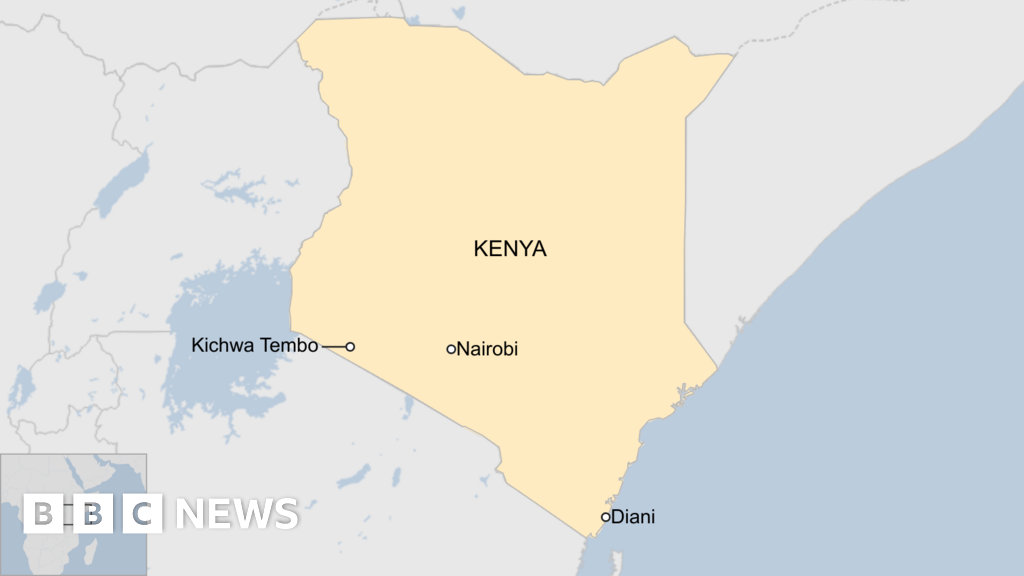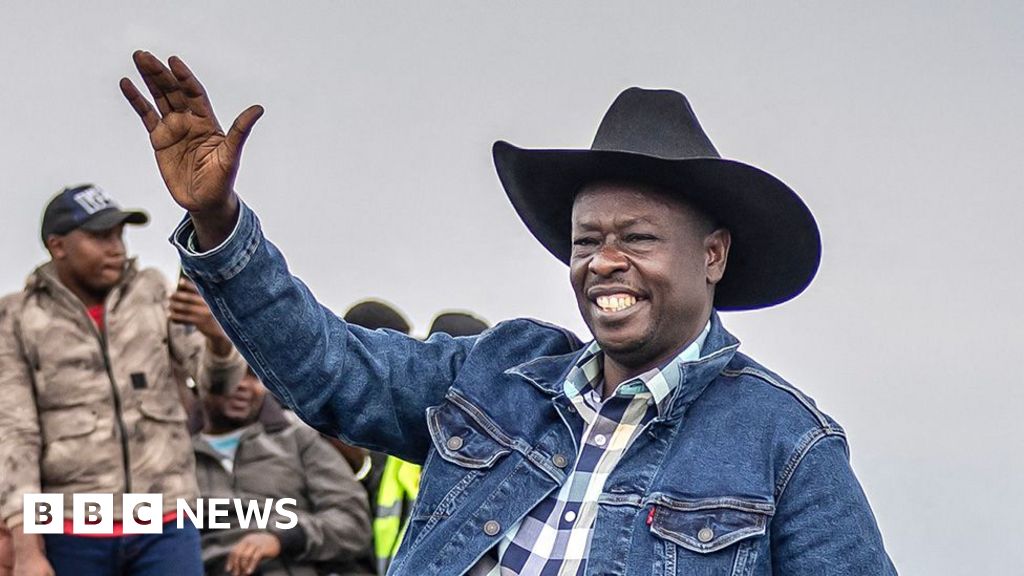

The recent chaos in Kenya has sent shockwaves through the international community, revealing the fragile balance of power and the dangerous depths of political division within East Africa’s economic hub. On a tense Sunday in the central county of Nyeri, opposition figure Rigathi Gachagua, a prominent voice critic of the current administration, alleged an attempt was made on his life during a church service. According to Gachagua, rogue police officers attacked his congregation using bullets and tear gas, exemplifying the escalating violence and instability that threaten not only the nation’s security but also its democratic processes. The unfolding drama underscores the troubling trend of political violence in Kenya, especially amid mounting tensions as powerful figures vie for control amidst justice and constitutional constraints.
Gachagua’s accusations, though lacking concrete evidence, have ignited regional and international debates over Kenya’s internal stability. He implicated President William Ruto and questioned whether political factions are deploying security forces against opponents—an assertion fueling fears of political repression and uncontrolled violence. While the police have launched an investigation and reported no injuries, the incident’s symbolism remains sharp. It reveals how political rivalry has become intertwined with societal divisions, with tensions over Gachagua’s recent conviction by the Kenyan senate—an act that bars him from holding public office—increasing strains within a nation still grappling with issues of ethnic division and governance. International observers, including the African Union and Global Human Rights organizations, warn that unchecked violence could undermine Kenya’s progress and stability.
This incident occurs against a backdrop of shifting alliances and constitutional crises in Kenya’s complex political landscape. Gachagua, a wealthy businessman from Mount Kenya and the deputy president before his impeachment, has become a symbol of regional loyalties and anti-establishment sentiments. Despite his conviction on charges including inciting ethnic divisions, he remains a formidable challenger, asserting plans to participate in the upcoming presidential election through an appeal process. His role exemplifies how political figures often challenge constitutional constraints, risking further destabilization. According to prominent analysts, such as regional political commentators and former diplomats, the struggle for influence in Kenya’s volatile yet strategic landscape reflects broader regional power struggles and the fragile state of democratic institutions.
The geopolitical impact of this crisis reaches beyond national borders. Kenya’s stability is pivotal for regional trade, diplomatic relations, and security cooperation, especially with neighboring Ethiopia and Somalia. As analysts warn of the potential for internal unrest to spill over into neighboring countries and disrupt vital economic corridors, the international community remains watchful. The current upheaval also highlights a warning sign—how media, political rhetoric, and unchecked violence may erode democratic norms. Some foreign governments and organizations urge Kenya to safeguard the rule of law and uphold constitutional processes, though critics argue these calls overlook Kenya’s long history of political resilience amid turbulent times. Still, the specter of an emboldened opposition and fractured society underscores how decisions made today will shape the future of East Africa’s most influential nation.
As Kenya’s story unfolds with each legal battle, political confrontation, and societal clash, history’s weight presses heavily on shoulders of leaders and citizens alike. The nation stands at a crossroads—its path determined by a volatile mix of justice, ethnic identity, and power politics—bearing the mark of a collective destiny that remains fluid and unresolved. The world watches as Kenya confronts internal demons, with the outcome poised to echo through generations, a vivid reminder that the currents of history are forever shifting, and the future remains unwritten—yet deeply consequential.