
Matox News

Truth Over Trends, always!

Kid Cudi cuts M.I.A. from tour, fueling controversy among fans

The international music scene has experienced a sudden upheaval as British artist M.I.A. has been abruptly removed from the opening act line-up for the Rebels Rage tour amid a dispute with US rapper Kid Cudi. This development underscores the growing tensions often lurking behind global entertainment collaborations, which, while seemingly apolitical, can have significant geopolitical implications in a world where cultural exchanges are increasingly interconnected with political narratives.

According to sources close to the situation, the disagreement arose over artistic differences that escalated into a broader clash of egos and visions for the tour. While details remain confidential, experts suggest that such disputes are seldom isolated from larger ideological or personal conflicts—especially when artists with distinct backgrounds and social perspectives collaborate on a global stage. Historically, music and popular culture have been used as a mirror to international tensions, often reflecting underlying political struggles or societal debates. As analysts from the International Cultural Institute observe, disruptions within high-profile tours can serve as subtle indicators of shifting alliances or tensions within the entertainment industry, which in itself is a microcosm of broader geopolitical currents.

Global institutions and policy analysts warn that entertainment, once viewed purely as escapism, now plays a strategic role in shaping public perceptions and soft power trajectories. When a high-profile act like M.I.A., known for her outspoken political stances, is sidelined, it raises broader questions about the influence of cultural allegiances and ideological stances on international entertainment collaborations. The incident illustrates how even in seemingly apolitical spheres, decisions made behind closed doors can ripple outward, influencing societal perceptions and diplomatic relationships. Historians have long noted that moments of cultural discord often presage shifts in diplomatic alignments, a reality that policymakers worldwide are increasingly aware of.

Ending on a note of caution, the episode serves as a stark reminder of how individual conflicts within the entertainment industry can symbolize or even catalyze larger societal struggles. As international audiences watch the fallout unfold, the question remains: how long before this seemingly isolated dispute escalates beyond the music stage, potentially affecting broader cultural diplomacy? With history continuously being written on the global stage, the resolution—or escalation—of such disputes will undeniably shape the perceptions of nations and influence future interactions. The world remains a stage, and at its heart, the narratives of power, identity, and influence continue to evolve, often in moments that seem small but carry the weight of history itself.
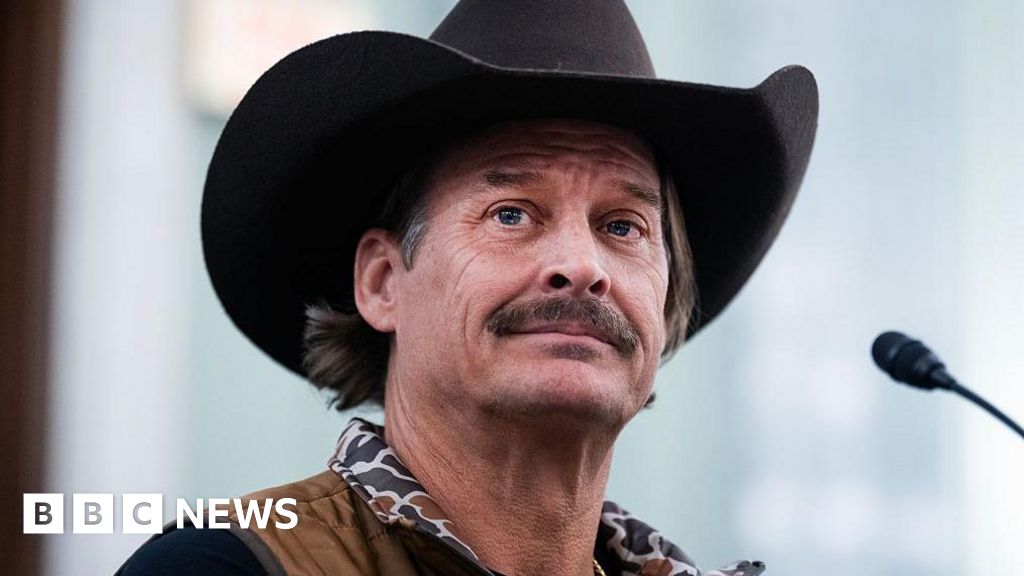

US Army pilots near Kid Rock’s home suspended, then quickly reinstated

In a recent development that has sent ripples through the global strategic community, the armed forces announced the suspension of crews operating two military helicopters, a move shrouded in secrecy and controversy. According to official sources, the decision was handed down swiftly, with Defence Secretary Pete Hegseth explicitly stating that there would be “no investigation”. Such a stance on accountability raises serious questions about transparency in military operations and hints at deeper tensions within the nation’s defense apparatus. This incident, while seemingly isolated, underscores the fragile balance of military oversight amid an increasingly volatile international arena.

The suspension serves as a potent reminder that national security decisions are no longer merely internal matters but have profound geopolitical repercussions. Analysts warn that the lack of thorough investigation into potentially operational or safety breaches could undermine military readiness and erode public trust. Furthermore, the decision not to investigate positions the country on a precarious edge of accountability, hinting at a governance approach that might prioritize swift action over procedural transparency. Longtime security experts, such as Dr. James Montgomery of the International Defense Review, caution that unchecked military discipline actions can lead to unpredictable blowback, especially when other nations are meticulously scrutinizing similar moves among their rivals.

On the international stage, this incident occurs at a time of heightened tensions in global geopolitics. Countries monitoring the region—many of which have their own interests in military transparency and strategic stability—are watching closely. Alliances and rivalries are often affected by such internal decisions; for instance, NATO member states might interpret the lack of accountability as a sign of internal discord, risking misinterpretation that could escalate to wider confrontations. Conversely, opponents could leverage these events to question the reliability of the nation’s military commitments. As United Nations bodies and think tanks analyze recent trends, some argue that’s the very nature of modern conflicts: a war of narratives and perceptions, where the truth becomes a casualty.

Ultimately, this episode exemplifies the delicate dance of decision-making in an unstable global environment. The unfolding narrative underscores how internal military dynamics—whether procedural or political—have far-reaching consequences on international peace and security. As historians and political analysts sift through the details, one thing remains clear: history is being written not just by the giants who make treaties and wage wars but also by the quiet, often concealed, decisions of military and political leadership. The world waits, poised on the edge of what could either be a step toward increased transparency or a slip into deeper chaos. The weight of this moment is a stark reminder that in the arena of global power, every move—big or small—is etched into the ongoing story of our shared future.

Social Media Auto Publish Powered By : XYZScripts.com


