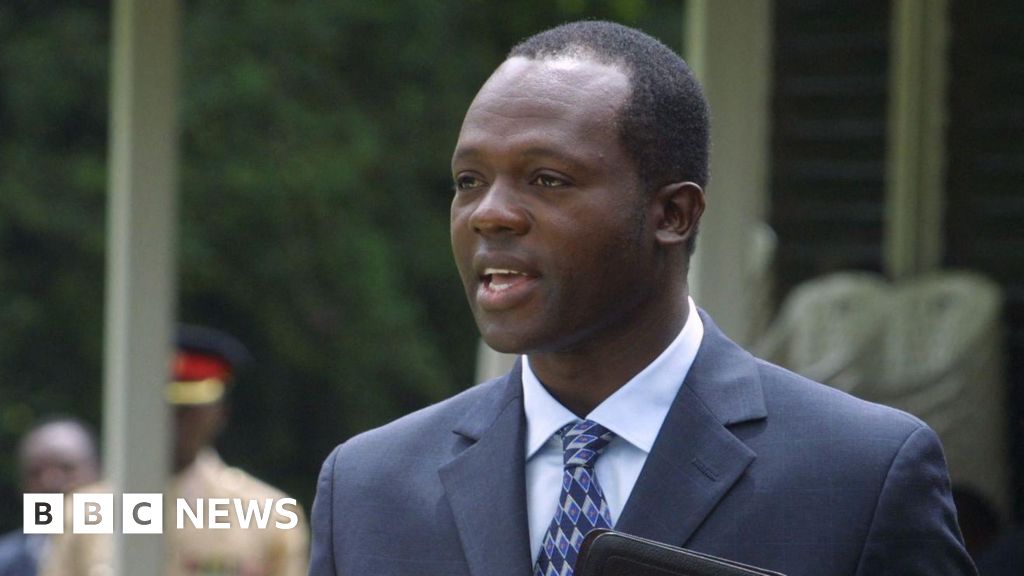

The recent reports surrounding Raphael Tuju, a prominent political figure, have sent shockwaves across both Kenya and the broader East African region. The mysterious disappearance of Tuju has sparked international concern, especially amid allegations that he may have been forcibly abducted. Such incidents extend beyond individual cases, illuminating the fragile state of security and political stability in a region often caught between internal strife and external influences.
This incident underscores the importance of rule of law and state sovereignty at a time when regional alliances and international organizations are grappling with the shifting landscape of influence. Analysts warn that the abduction claims could be a symptom of deeper political tensions, aimed at silencing dissent or intimidating emerging leaders challenging entrenched power structures. Such tactics threaten to undermine democratic processes and diminish public trust in government institutions, with potential repercussions that ripple far beyond Kenya.
Experts such as geopolitical scholars and organizations like the United Nations have long observed that instability within key nations often serves as a catalyst for broader regional upheaval. The disappearance of a political figure is not merely an isolated incident but is emblematic of a larger pattern of uncertainty and suppression that could destabilize neighboring countries. Historically, such acts have proven to be turning points—heralding periods of intensified unrest and international interventions—that reshape the geopolitical map of entire regions.
- The incident has prompted calls for thorough investigations from human rights groups and regional leaders alike.
- It raises pressing questions about respect for human rights and the limits of state authority amidst rising political tensions.
- International actors worry that unresolved cases like this may embolden factions that reject democratic norms and promote authoritarianism.
As the world watches, the global community must recognize that the fate of individuals like Raphael Tuju is intertwined with the sovereignty and stability of nations. The decisions made in these critical moments will influence the future of governance, societal resilience, and regional security for years to come. With each passing day, history writes itself anew—its narrative shaped by actions taken, alliances forged, and the persistent pursuit of justice in the face of mounting adversity. The question remains: will international cooperation rise to safeguard the rights and dignity inherently owed to all, or will this be another chapter of silence and strategic silence amid the chaos of geopolitical realignment?