Matox News

Truth Over Trends, always!

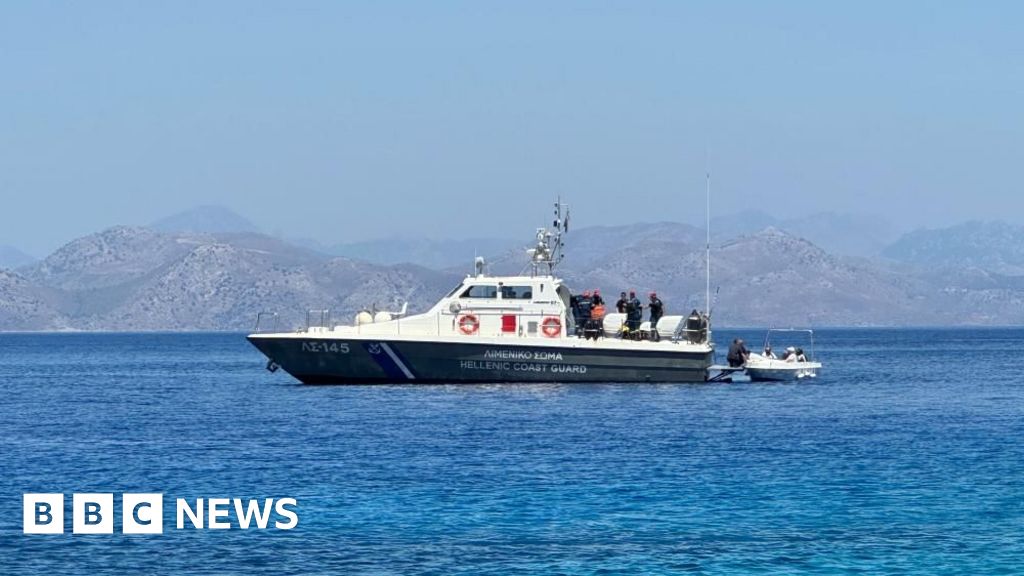
Greek Coast Guard clash kills 15 migrants, sparking outrage

The recent collision near the island of Chios, reportedly during a Coastguard pursuit, underscores the escalating tension in the Mediterranean region—a zone increasingly torn between humanitarian concerns and national security interests. The incident, which involved a pursuit preceding the collision, points to a broader pattern of confrontations between local authorities and migrant vessels attempting to cross from Turkey into the European Union. As reports emerge that a chase was underway at the time of the incident, international observers emphasize that this event is more than a local tragedy; it is a signal of the mounting geopolitical volatility fueling the migration crisis.

The mediterranean migration crisis remains one of the most complex and volatile challenges confronting Europe. The EU’s border agencies have been engaged in relentless efforts to curb irregular crossings, often resulting in high-stakes pursuits in dangerous waters. Experts argue that such pursuits, while aimed at enforcing border sovereignty, also heighten risks for migrants and local coastguards alike. In this tense atmosphere, the collision near Chios exemplifies the dangerous cat-and-mouse game played out daily in this strategic but volatile theater. International organizations such as the United Nations and European Border and Coast Guard Agency have long warned that aggressive policing in this region could escalate into more tragedies if not managed with a nuanced approach that balances security and humanitarian responsibilities.

The geopolitical impact of such incidents extends well beyond immediate rescue operations. Turkey continues to be a pivotal actor in this crisis, with its facilitation or suppression of migration flows deeply influencing European security and diplomatic relations. Recent statements from analysts and historians indicate that these confrontations are symptomatic of a fragile regional equilibrium, with Russia and NATO geopolitical strategies subtly shaping the narrative. The incident at Chios thus becomes a microcosm of larger international fissures, as nations weigh their interests amidst the chaos of migration, security, and sovereignty.

Furthermore, the fallout from such events fuels ongoing debates within European nations over immigration policies and national security. The event also reaffirms the urgent need for a coordinated international approach, as emphasized by the International Crisis Group, which warns that failure to address root causes—conflict in originating regions, economic instability, and weak border management—could see this crisis intensify. As European leaders grapple with this mounting challenge, the incident near Chios serves as a stark reminder that each collision, pursuit, or tragedy shapes the course of history in the making. With the Mediterranean increasingly seen as a battleground of competing interests, the outcome of these events will resonate for generations, echoing in the corridors of power and in the stories of countless lives caught in Europe’s shifting tides—forever etched into the unfolding narrative of our troubled times.
Drone attack on UN base in Sudan chaos kills six peacekeepers

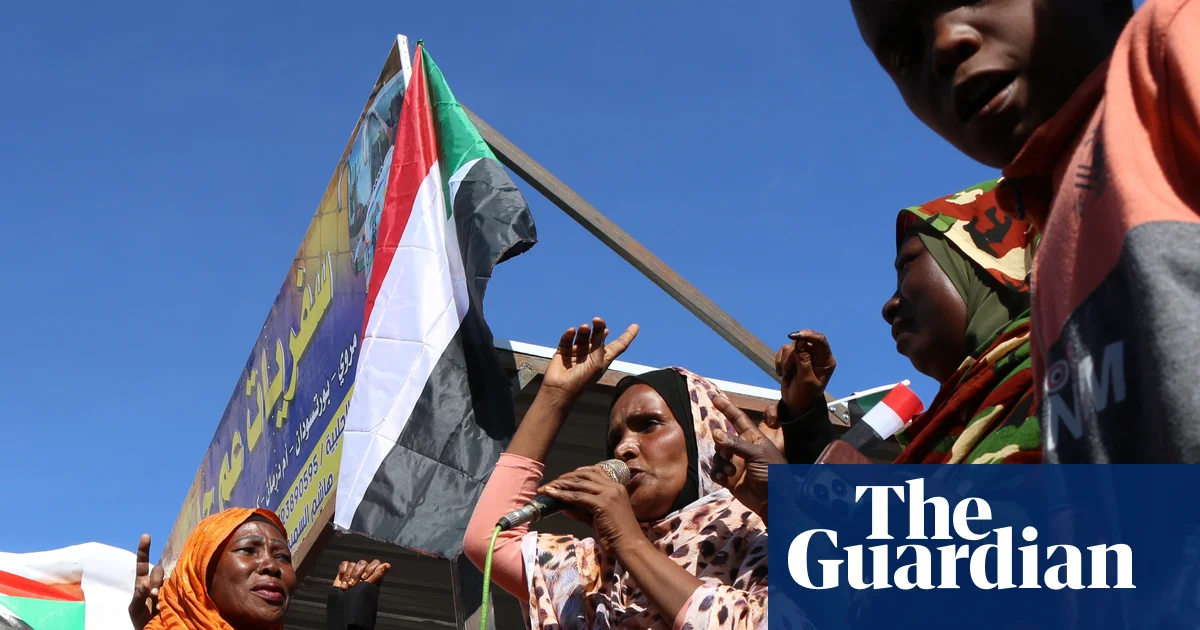
The recent drone strike on Sudan marks a perilous escalation in a country already embroiled in chaos and destruction. The attack targeted a United Nations peacekeeping facility in Kadugli, a strategic city in Kordofan, resulting in the tragic death of six Bangladeshi peacekeepers and the injury of eight others. As UN Secretary-General António Guterres condemned the assault as a war crime, the geopolitical implications reverberate far beyond Sudan’s borders, underscoring the fragility of international peace initiatives and the chaos unleashed when lawlessness gains the upper hand.

These troubling events highlight the complexity of the ongoing civil unrest that has torn Sudan apart since April 2023. The country’s internal conflict, centered between the military and the notorious Rapid Support Forces (RSF), exposes a power struggle that has cascaded into regional instability. The armed conflict has spilled over into Kordofan and Darfur, regions historically troubled by ethnic violence and resource disputes. For experts and analysts, this attack reflects a deliberate attempt by insurgents to destabilize international efforts and challenge the authority of global peacekeepers – a direct threat to the stability of not only Sudan but the wider Horn of Africa.

  • The Sudanese military blamed the RSF for orchestrating the strike, amid claims that rebel factions are increasingly employing asymmetric tactics to undermine peace efforts.
  • The region’s oil resources, especially in Abyei, remain a flashpoint, with the United Nations and regional powers deeply concerned about escalations that threaten to ignite a broader conflict.
  • International organizations, such as the United Nations, warn that these targeted attacks could constitute a breach of international law and war crimes, fueling fears of a descent into full-scale chaos.

The geopolitical impact of this violence is profound. The UN has called for an immediate ceasefire, emphasizing the necessity of an inclusive, Sudanese-led political process to resolve the crisis. Yet, with each escalation, the threat of regional destabilization looms larger. China and Russia have strategic interests in the region, while Western powers seek to contain the spillover of violence into neighboring countries—an enduring struggle that echoes Cold War rivalries. The recent sanctions imposed by UK on RSF commanders, linked to mass killings, illustrate the international community’s attempt to exert pressure, yet these measures may prove insufficient amidst ongoing hostilities.

Historians and analysts warn that the Sudanese tragedy is a pivotal moment in Africa’s emerging security landscape. Experts suggest that the continued resort to violence, particularly against peacekeepers and civilians, signifies a breakdown of state authority and the ascendancy of chaos—an ominous sign for the future of regional stability. As the world watches Sudan teeter on the brink of complete disintegration, the question remains: will international diplomacy succeed in bringing about peace, or will history record this as a turning point toward prolonged conflict?

In the shadow of this unfolding catastrophe, the weight of history presses heavily upon the present. The fate of Sudan, a land rich in history but battered by internal strife, hangs precariously in the balance—a testament to how fragile the veneer of peace can be when lawlessness is permitted to flourish. As global powers maneuver and civilians bear the brunt of these conflicts, the world must confront the harsh truth: the quest for stability is ongoing, and the next chapters remain unwritten. The echoes of higher ideals clash with the brutal realities of war, leaving history to decide whether this moment marks a new dawn for peace or the early shadows of a much darker era to come.

Senate Kills Trump’s Tariffs on Brazil, Protecting Jobs and Growth

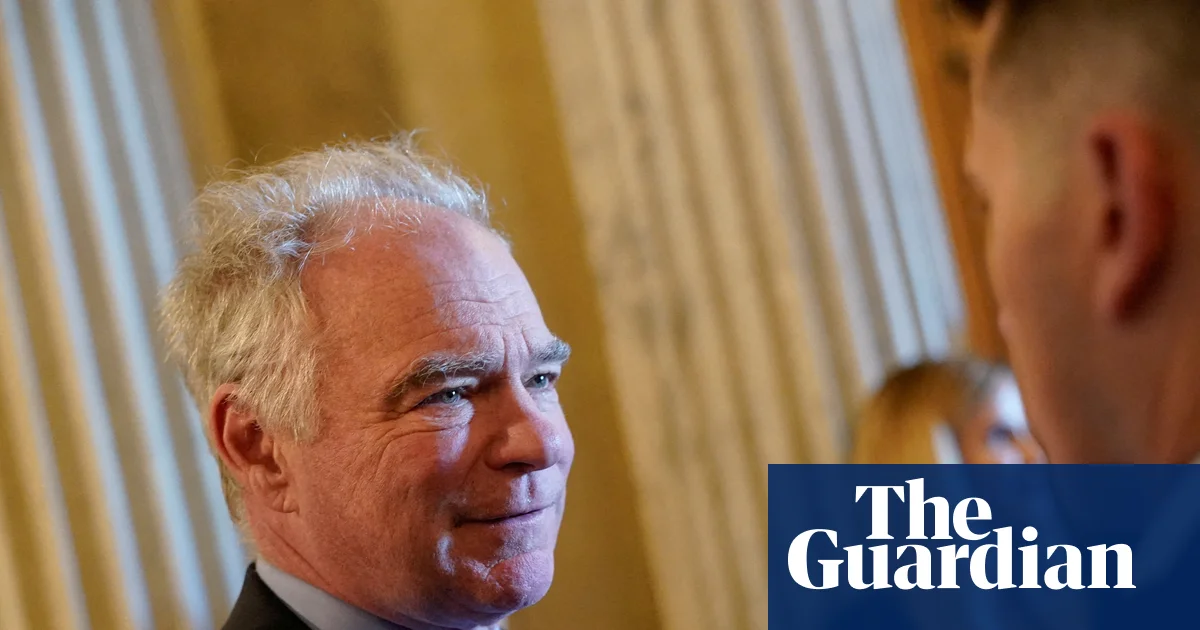
In a significant shift reflecting growing political tensions over US trade policies, the US Senate recently approved a measure to revoke Donald Trump’s tariffs on Brazilian imports, including staples like coffee and beef. With a narrow vote of 52-48, this bipartisan move signals an emerging consensus that the previous tariffs, justified by national emergency claims, may have been more harmful than beneficial. Though this measure is unlikely to become law — given the Republican-controlled House of Representatives and the veto power of President Trump — the impending debate underscores the geopolitical recalibration occurring behind the scenes of international trade. Critics argue that these tariffs, which raised costs for American consumers and businesses, exemplify the risks inherent in unilateral trade measures driven by short-term political gains rather than strategic economic policies.

Historically, trade tariffs have been a double-edged sword; while often employed to protect domestic industries, they frequently precipitate retaliatory measures and economic decline. Senator Tim Kaine, a Democrat from Virginia, emphasized this point, asserting that tariffs are essentially taxes on American citizens. Similarly, Senate Republican Mitch McConnell warned that trade wars tend to follow a predictable pattern of economic harm, echoing past historical lessons from the Reagan era. The recent bipartisan effort, echoing earlier bipartisan votes to remove Canada’s tariffs, reveals a growing recognition that aggressive tariffs may undermine the very economic stability they intend to safeguard. Experts and analysts warn that escalating trade disputes threaten to destabilize international markets, potentially provoking a new era of protectionism that could stall global economic growth.

The broader geopolitical impact extends beyond trade; allegations tie the tariffs to political motives, specifically Brazil’s prosecution of former President Jair Bolsonaro. Trump’s declaration of a national emergency in July classified Brazil’s policies as an “unusual and extraordinary threat”, ostensibly to justify the tariffs. Critics interpret this as a move driven by political vendettas, especially considering Bolsonaro’s close alliance with Trump and his controversial arrest and sentencing. Such actions are seen by analysts as part of a larger pattern in U.S. foreign policy—leveraging economic measures for political leverage, which threatens to destabilize already fragile international alliances. The International Monetary Fund (IMF) and various analysts have warned that mercurial trade policies, driven by domestic politics, risk spiraling into broader geopolitical conflicts, undermining global stability and economic development.

As history looks on, the unfolding narrative serves as a stark reminder of how transient political decisions can influence the course of international relations and economic priorities. The decision to target Brazil, a key emerging economy, underscores the fragility of international alliances in the face of nationalism and populism. While some lawmakers see tariffs as a tool to recalibrate trade, many warn that the lasting impact is a rise in global uncertainties and the potential for new conflicts. The world watches as the decision-makers grapple with the enduring question: will the pursuit of short-term political wins sow the seeds of long-term economic disorder? Or will diplomacy and strategic foresight prevail in guiding nations through an uncertain future, leaving behind a legacy where history is still being written, moment by moment, in the shadows of global power struggles.

Devon man loses mental health support, kills stranger in park — tragic reminder of system failures

System Failures and the Fragile Tapestry of Our Communities

In a tragic saga that underscores the profound societal repercussions of mental health neglect, the murder of Lorna England in Devon reveals significant gaps in the support systems intended to protect our most vulnerable. As investigations have shown, the intersection of mental health services, community safety, and technological vulnerabilities can have devastating consequences. The case of Cameron Davis, a man with known mental health issues whose threats went unaddressed due to administrative failures and system cyber-attacks, exemplifies how the breakdown of social safety nets endangers families and destabilizes communities.

The inquest disclosed critical shortcomings: Davis was known to mental health services since late 2021, yet on the day he murdered England, a series of missed opportunities and systemic failures culminated in tragedy. Despite warnings from Davis himself—both to police and medical personnel—that he would kill someone if not detained—these alerts were either ignored or inadequately acted upon. Notably, an emergency call made by a mental health nurse seeking police assistance was delayed due to technical glitches, attributed to a cyber-attack that corrupted NHS records, effectively removing Davis from the system’s radar. Such failures highlight the societal dilemma of reliance on digital infrastructure that is vulnerable to cyber threats and administrative oversight.

During the inquest, experts emphasized that mental health teams followed proper procedures in their assessments, but the absence of a dedicated care coordinator set the stage for missed interventions. The senior coroner, Philip Spinney, pointed out that a multi-agency risk assessment could have been convened had Davis been properly documented and monitored. This emphasizes that, when families face the repercussions of administrative errors—especially those rooted in technological vulnerabilities—the fabric of societal safety begins to fray. The question remains: how do we strengthen these safety nets to prevent future tragedies?

Social Challenges and the Need for Systemic Reform

  • Technological vulnerability: Cyber-attacks compromising vital health records expose dangerous gaps in digital security, risking the safety of at-risk individuals and the communities they belong to.
  • Community and professional disconnect: Despite clear warnings, the collective failure to act decisively illustrates a disconnection among police, healthcare, and social services, undermining efforts to mitigate risks for vulnerable populations.
  • Insufficient resource allocation: The case underscores the importance of allocating sufficient resources and establishing protocols for multi-agency collaboration, especially for individuals with complex mental health needs.

Furthermore, sociologists and social historians warn that “the erosion of community-based mental health services and reliance on digital systems alone risk creating a society where vigilance becomes a false substitute for proactive care,” as sociologist Dr. Lisa Carter notes. Our communities, especially those in rural or underserved regions, bear the brunt of these systemic deficits. The moral obligation to safeguard these lives requires not just technological fortification but a cultural shift—prioritizing compassionate, coordinated care over bureaucratic complacency.

As society grapples with these dilemmas, the image of families torn apart and communities fractured serves as a stark reminder of our collective responsibility. “Are we willing to accept the status quo,” asks mental health advocate Tom Reynolds, “or will we finally confront the uncomfortable truth that safeguarding our society depends on unwavering commitment to mental health care, technological resilience, and community engagement?” The case of Lorna England is an urgent call for reform—not only of policies but of societal values—to ensure that no other family endures such heartbreak.

In the silent moments following these tragedies, society is compelled to reflect: how do we mend the social fabric torn by neglect, misinformation, and systemic failure? Perhaps, in our pursuit of technological progress and administrative efficiency, we have overlooked the importance of human connection. Yet, there remains hope that, through renewed vigilance, community solidarity, and moral resolve, we can write a new chapter—one where our societal systems serve not just efficiency, but compassion. A future where tragedies like this become echoes of the past, rather than forewarnings of what society has failed to prevent.

Anti-ICE rhetoric sparks controversy over ammo after Dallas shooting kills detainee

United States continues to grapple with a troubling surge of politically motivated violence targeting Immigration and Customs Enforcement (ICE) facilities, highlighting the profound, destabilizing effects of rhetoric on societal security. Today’s attack in Dallas, Texas, marks yet another grim chapter in this disturbing pattern. A rooftop sniper, driven by ideological motives, opened fire at an ICE office—an action that underscores rising tensions within the country’s polarized political landscape. The incident resulted in the death of one detainee and critically injured two others, deeply unsettling a nation already divided over immigration policies and immigration enforcement tactics.

The attack was characterized by law enforcement officials as an act of targeted violence. FBI Director Kash Patel revealed that the gunfire was accompanied by anti-ICE messages, with ammunition casings bearing the phrase “ANTI-ICE.” While initial reports mistakenly indicated multiple fatalities, the current official account confirms that the shooter died from a self-inflicted gunshot. This incident is part of a broader escalation in violence against federal agencies, fueled by relentless political rhetoric that equates ICE with oppressive regimes, such as the Nazi Gestapo, as publicly condemned by **Homeland Security Secretary Kristi Noem**. Such narratives, analysts warn, dangerously blur the lines between lawful opposition and violent extremism, threatening the stability of the nation’s law enforcement apparatus.

Experts and international observers are warning that these attacks are not isolated acts but symptoms of a deeper social fracture that politicians and media personalities have exacerbated through inflammatory language. The Department of Homeland Security has indicated that the shooter’s actions were ideologically motivated, reflecting a broader climate of polarization and radicalization. Previous incidents include shootings at ICE offices in Texas—San Antonio and Alvarado—where no injuries occurred, yet the constant barrage of threats and violence continue. How nations respond to this trend will significantly shape their societal cohesion and their capacity to uphold law and order as they navigate the complexities of immigration, security, and political discourse.

Across the political spectrum, voices such as **Texas Senator Ted Cruz** and **Governor Greg Abbott** emphasize that violence and threats against law enforcement threaten to undermine national stability. Cruz urged the public to resist demonizing political opponents, warning that such divisive rhetoric has tangible, deadly consequences. Meanwhile, the incident in Dallas reignites debates over the impact of political rhetoric, with lawmakers warning that pre-election hostility could erupt into further violence, destabilizing already fragile social fabrics. International organizations and security analysts emphasize the importance of addressing these attacks promptly, warning that the erosion of civility and respect is a precursor to a more dangerous descent into societal chaos.

As the weight of this violence accumulates, the country faces a pivotal moment where the choices made today could echo through generations. The ongoing saga of escalating attacks, hateful rhetoric, and ideological extremism threatens to redefine the landscape of domestic stability and international credibility. With each shot fired, history records a stark reminder: the battlefield of ideas has become a battleground of blood. The unfolding story in Dallas— and beyond—serves as both a warning and a call to action. How the United States chooses to confront this modern scourge will determine whether it remains a beacon of liberty or descends further into chaos, a nation haunted by the shadows of its own division, teetering on the edge of a precipice from which there may be no return.

Social Media Auto Publish Powered By : XYZScripts.com