

Revolution in Tech: How Open Source and Innovation Disrupt Legacy Systems
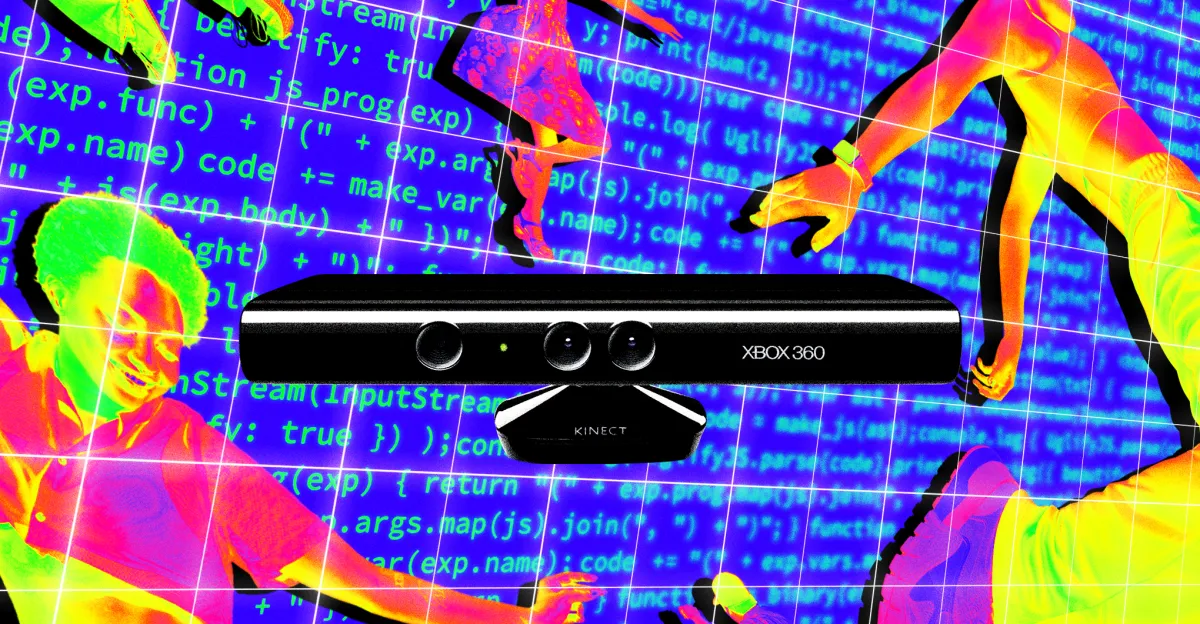
Over the past decade, the trajectory of innovative technologies has demonstrated a recurring pattern: initial failure often leads to profound disruption. The Microsoft Kinect, launched in 2010 as a flagship motion-sensing gaming device, exemplifies this trend. While its consumer application—evoking immersive gameplay—failed to meet expectations, its underlying technological foundation became a blueprint for a broad spectrum of disruptive innovations that transcended entertainment.
Today, the Kinect’s infrared depth sensing and gesture recognition capabilities are being leveraged in robotics, medical imaging, and AI-driven applications. The open-source community—notably spearheaded by hackers and developers like Kyle Machulis and Memo Akten—reclaimed this technology from corporate lock-in, transforming it into a versatile tool for democratized experimentation. Their clandestine work with open source drivers revealed that cost-effective access to sophisticated hardware could catalyze accelerated R&D and democratize innovation on a global scale.
Open Source: The Catalyst for Disruption and Business Transformation
The community-driven effort to reverse engineer Kinect was driven less by profit and more by a desire to break barriers. In 2010, the OpenKinect project emerged, igniting a wave of experimentation that showcased how accessible hardware could revolutionize various sectors. Beyond gaming, Kinect-inspired devices now facilitate real-time obstacle detection for autonomous robots, enable contactless surgical scans in healthcare, and serve as powerful tools for educational and artistic endeavors.
- Lowered barriers for entry into advanced tech spaces
- Enabled rapid prototyping and open innovation ecosystems
- Birthed new markets for perception and interaction hardware
Furthermore, the business implications of this disruption are profound. Tech giants like Apple incorporated Kinect’s core sensors into their consumer devices, especially for facial recognition and 3D mapping, solidifying their place in next-generation device ecosystems. Meanwhile, consumer-level access to open-source hardware continues to foster a new breed of startups that challenge traditional R&D models, hinting at a future where corporate innovation will increasingly depend on community-driven advancements.
Future Horizons: Artificial Intelligence Paving the Way for New Disruptions
As the open-source community continues to democratize access to hardware like Kinect, the next frontier appears to be in artificial intelligence. Experts such as Peter Thiel and institutions like MIT predict that AI will serve as the principal driver behind the next wave of disruptive breakthroughs. What began as a punk-rock, hacker-driven movement for open hardware is now evolving into a full-blown AI renaissance: models are becoming more accessible, open data is proliferating, and entrepreneurial ventures are capitalizing on this trend.
However, this new era poses significant challenges and warnings. A growing concentration of AI development within corporate giants could threaten the open innovation spirit that fueled Kinect’s revolution. The risk isn’t just technological stagnation; it’s the potential for a monopolization of future technological breakthroughs, stifling the entrepreneurial spirit that historically pushed the boundaries of what’s possible. Enthusiasts like Elon Musk and Peter Thiel advocate for safeguarding open ecosystems—reminding us that the future of technology depends on the community’s ability to innovate ahead of the curve.
Ultimately, the parallels between the Kinect revolution and the burgeoning AI ecosystem underscore a key reality: innovation is best nurtured outside the corridors of corporate control. As open communities push forward, rapidly iterating and sharing knowledge, they threaten to reset the paradigm of technological progress—making it more accessible, more disruptive, and more aligned with the values of youthful explorers eager to shape the future. The clock is ticking; those who embrace this spirit now will define the next era of technological supremacy.




