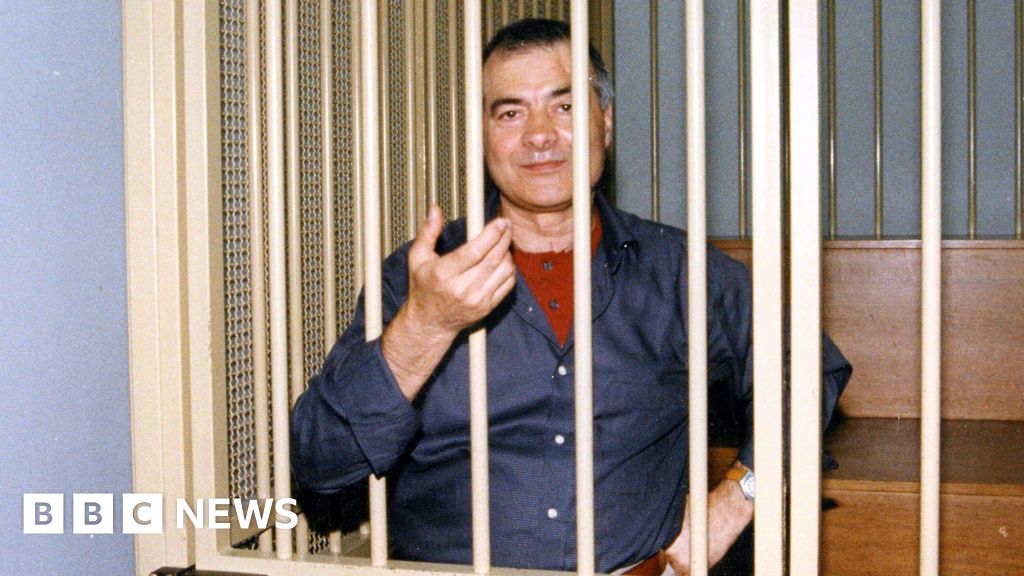

In the shadowy world of organized crime, few events have resonated as profoundly as the assassination of Italy’s prominent anti-mafia prosecutor in 1992. The figure behind this brutal act was believed to be “Nitto” Santapaola, a notorious mafia boss associated with the resurgence of the Catania-based Cosa Nostra. This assassination not only marked a pivotal moment in Italy’s long battle against organized crime but also illustrated the dangerous ways in which mafia interests have historically intertwined with broader political and economic spheres across Europe.
Experts and international analysts agree that such targeted killings signaled more than just localized vendettas; they embodied the broader struggle for sovereignty against clandestine criminal influences that threaten the rule of law. The assassination sent shockwaves through Italy and the international community, highlighting the fragility of state institutions in the face of organized crime’s relentless pursuit of influence. The event underscored the importance of unwavering cooperation among international law enforcement agencies and the critical need for comprehensive legal frameworks to combat such pervasive threats.
Within the context of the geopolitics of the early 1990s, this murder became a catalyst for examining the increasing power vacuum lingered by traditional mafia syndicates. As historians note, the crime was not merely a localized act of violence but a reflection of wider shifts within Italy’s political landscape, including the collapse of longstanding political orders and the rise of new criminal alliances that sought to exploit the post-Cold War chaos. The subsequent fallout prompted coordinated efforts among NATO member states and the European Union, emphasizing the need for a unified front against transnational organized crime. Nonetheless, the persistence of mafia influence revealed that the battle for societal sovereignty remains ongoing, often fought through underhanded means and concealed agendas.
The legacy of the 1992 assassination continues to reverberate today, with historians such as Giovanni Falcone and Paolo Borsellino’s deaths serving as enduring symbols of resilience and the peril of unchecked organized crime. International organizations, like INTERPOL and Europol, have intensified their efforts, recognizing the crisis extends far beyond Italy’s borders. Yet, the fundamental question remains: how do nations protect themselves when criminal syndicates operate with institutional impunity and international reach? As we stand on the precipice of future conflicts, where clandestine networks threaten democratic stability from beneath the surface, history compels us to confront the persistent danger lurking within corridors of power and influence.
As the story continues to unfold, the shadow of that fateful day in 1992 looms large—a stark reminder that the battleground for justice persists across borders and generations. The struggle to uphold sovereignty, uphold the rule of law, and combat organized crime is arguably the defining challenge of our era. And as history’s ink is forever inscribed with moments of upheaval and resilience, the world is left to ponder whether the lessons of the past will forge a future where these shadows are finally dispelled, or whether they will continue to threaten the very foundation of civilization itself.