
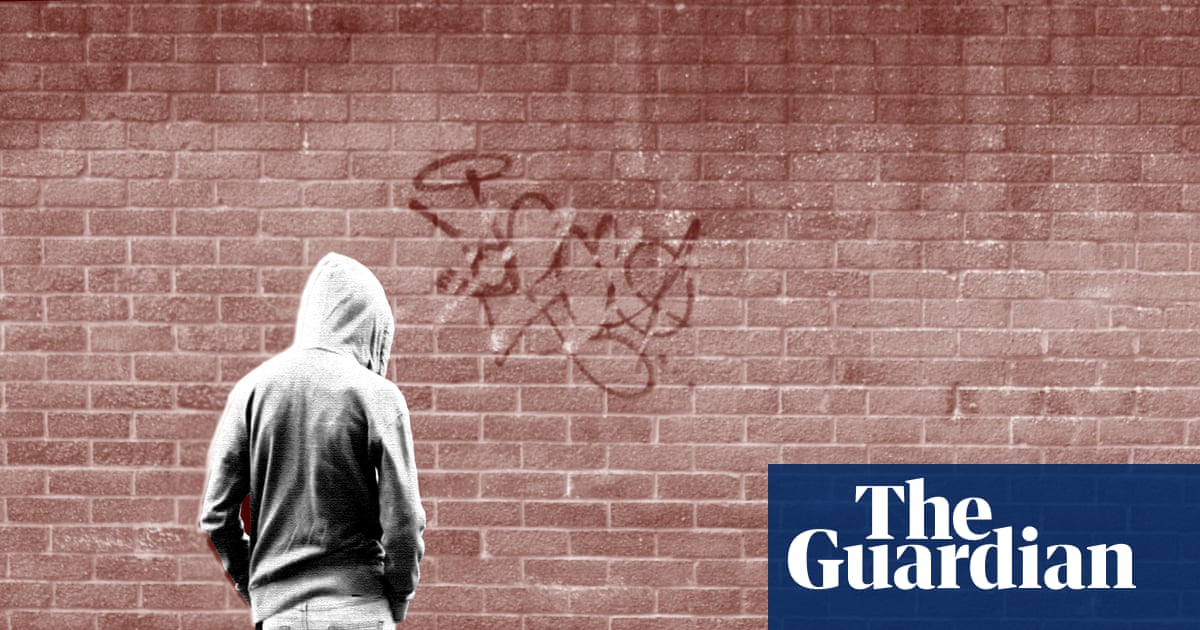

Melbourne’s Youth Violence Crisis: Communities at a Crossroads
Recently, Melbourne has been witnessing a disturbing rise in youth offending and gang-related violence, bringing to light deeper societal issues that threaten the fabric of family, education, and community wellbeing. The tragic stabbing deaths of 15-year-old Dau Akueng and 12-year-old Chol Achiek in Melbourne’s west serve as a stark reminder of how social neglect and rising gang violence can devastate innocent lives. These murders have spurred a fierce debate among social actors, law enforcement, and families about the roots of youth violence and possible pathways toward prevention and social intervention.
At the core of this crisis is a transformation in the nature of youth crime. Sociologists like Dr. Lorraine Sheridan note that modern offending often involves younger children engaging in activities that include carjacking, aggravated burglaries, and weapon carrying—behaviors arising from feelings of displacement and exposure to violence from an early age. Police data underscore this concern; last year, 1,128 children out of 5,400 repeat offenders responsible for nearly 40% of Victoria’s crime were youth, with their offenders arrested over 7,000 times. Such figures highlight how social marginalization and family displacement are fueling a vicious cycle of violence that fractures families and destabilizes communities.
Community and Educational Initiatives as Pillars of Hope
Despite these grim realities, some efforts have begun to show promise. Programs focusing on early intervention and providing alternative educational pathways are proving crucial in redirecting at-risk youth. Elijah, a 17-year-old who credits enrolling in alternative education with steering him away from a life of violence, exemplifies this positive shift. “If it wasn’t for the school, I would probably be locked up or dead,” he admits. His experience underscores a vital truth identified by social commentators like sociologist Dr. James Garbarino: that respectful engagement and supportive environments in schools foster resilience among vulnerable children.
Similarly, Youth Support and Advocacy Services focus on preventing crime before it occurs by working directly with children as young as 12. Officials like Navin Dhillon highlight that many young offenders are diagnosed with mental health issues or come from environments rife with violence and neglect. Addressing these underlying issues, rather than solely relying on punitive measures, is vital for societal healing. As Victoria’s children’s commissioner, Meena Singh, emphasizes, “we must get the basics right”—ensuring young people have safety, health support, and educational opportunities to build a constructive future.
Social Tensions, Cultural Shifts, and the Path Forward
Underlying social tensions are being compounded by cultural shifts and demographic changes. Many youths, especially those from marginalized communities, report feeling *hated* or targeted, which prompts them to carry weapons as a perceived safety measure. This normalization of weapon-carrying, especially in the context of machete bans, highlights a community grasping for control amid chaos. Frontline crime prevention workers increasingly hear that youth violence is often rooted in fear—fear that manifests through online conflicts, gender disputes, and even disputes over reputation or fame within gang circles.
- Many young people attribute their involvement in violence to a “need for status” or protecting themselves from perceived threats.
- Violence often begins with petty disputes, which escalate due to online conflicts and perceived disrespect.
- Gaps in mental health services and the lack of community infrastructure further perpetuate cycles of aggression.
Expert analysts like former detective Pat Boyle echo the need for a holistic approach—one that includes social services, mental health support, and family engagement—drawing lessons from international examples such as Scotland’s foster home oversight to identify and mitigate risk factors contributing to youth reoffending. Recognizing that *many young offenders are victims*, policymakers are urged to shift from punitive to rehabilitative practices that recognize the complex social tapestry shaping these young lives.
Conclusion: Society’s Crossroads and the Promise of Transformation
As society stands at this challenging crossroads, the hope of real transformation lies in listening—really listening—to the voices of young people like Elijah and Kenji, understanding their fears, and addressing the roots of violence in their communities. Children caught in cycles of neglect, violence, and mistaken identity are not lost cause; they are society’s unspoken plea for aid in making sense of a fractured world.
Society’s task is monumental but clear: to forge a future where families are safe, education empowers rather than alienates, and communities become refuges of hope for every child. If yet, society dares to see beyond the veneer of violence and recognizes its own role in nurturing resilience and accountability, then even amid the shadows, a brighter dawn is possible. Humanity’s greatest challenge remains: can we turn the tide of despair into currents of hope, transforming pain into promise for a generation yearning for change?






