Matox News

Truth Over Trends, always!

Inside Our Vinted Wishlists: How Underboob Dresses and Midlife Knitwear Reveal Youthful Style Secrets

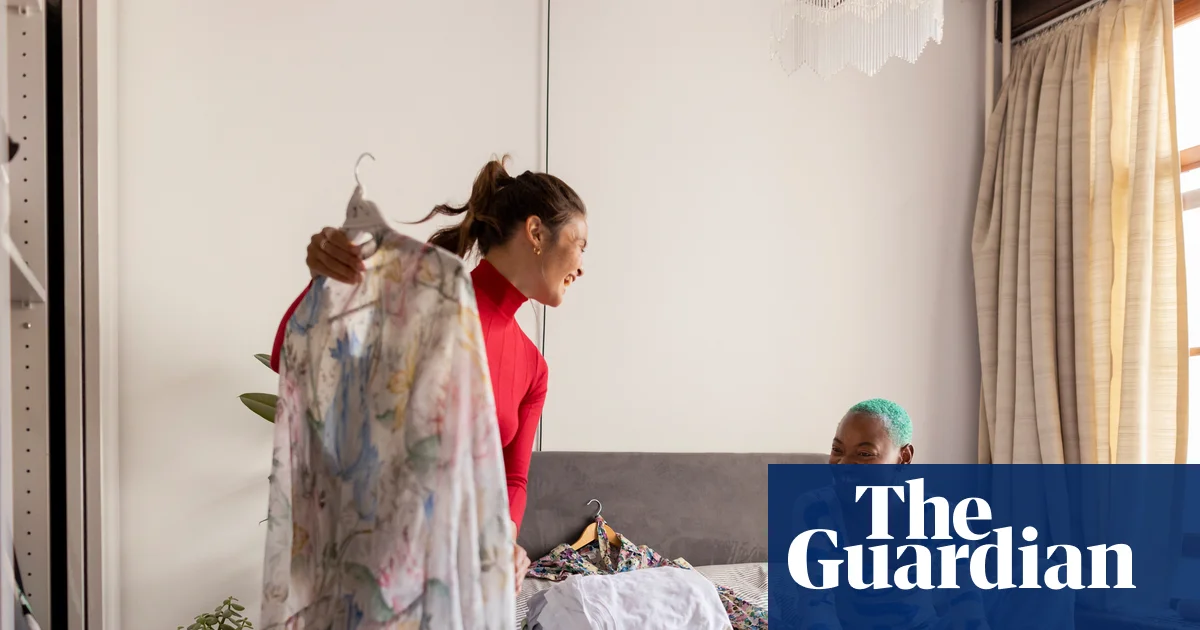
In an era where fast fashion seems increasingly disposable, a new wave of consumer behavior rooted in sustainability, nostalgia, and social identity has emerged, propelled by platforms like Vinted. Originally launched in Lithuania over a decade ago, Vinted has skyrocketed in popularity, particularly during the pandemic’s peak when many young people began to rethink their relationships with clothing. It’s not just about saving money; it’s about curating a version of oneself that aligns with values of authenticity, individuality, and eco-consciousness. This phenomenon is reshaping how we view fashion, transforming wardrobe swapping into a social and even political statement with a deep cultural impact.

At the heart of this shift is the cultural significance of the “Favourites” list—a digital reflection of our subconscious desires, social signals, and personal identity. Writers and influencers now openly debate what their Favourites reveal about their latest life phase or social aspirations. For instance, an eclectic collection of items, from leather trousers once associated with midlife crises, to trend-driven statement pieces like daring underboob dresses, serves as a mirror to our evolving self-image. Sociologist Dr. Emily Robertson explains that platforms like Vinted facilitate a form of social experimentation, allowing users to navigate between who they are and who they want to be—without the pressure of traditional retail or fast fashion’s fleeting trends.

This phenomenon is undeniably socially relevant. It signals a generational shift where identity, sustainability, and social status intertwine through the act of buying and selling clothes. Influencers such as Emma Loffhagen and Jason Okundaye exemplify this with their curated Favourites, each item representing moments of introspection—whether it’s battling midlife insecurities or healing inner childhood wounds through standout stripes or mod-inspired knitwear. The act of scrolling, favoriting, and purchasing becomes a form of digital storytelling, with each piece echoing broader cultural narratives about self-expression, economic empowerment, and the desire for authenticity. The social relevance is amplified by the fact that, in a world flooded with mass-produced nonsense, these curated virtual closets convey a sense of control and uniqueness—an antidote to the homogenized consumer landscape.

Yet, as we step into this disposable digital cabinet of curiosities and curiosities, a provocative question emerges: Are we on the verge of a new cultural revolution where our online wardrobes are not just expressions, but actual influences on societal values and economic models? The next big question isn’t just how platforms like Vinted shape individual identities but whether this behavior could ultimately challenge the entrenched norms of fast fashion and corporate retail. The enduring allure of vintage, designer resale, and the ability to craft a personal, sustainable fashion narrative raises the possibility that the future of style is less about what’s trending and more about what we actively *curate* and *share*—revealing more about who we are and what we stand for. As this trend continues to evolve, the ultimate cultural experiment may be whether the act of dressing ourselves could become the most powerful form of social activism in the years ahead.
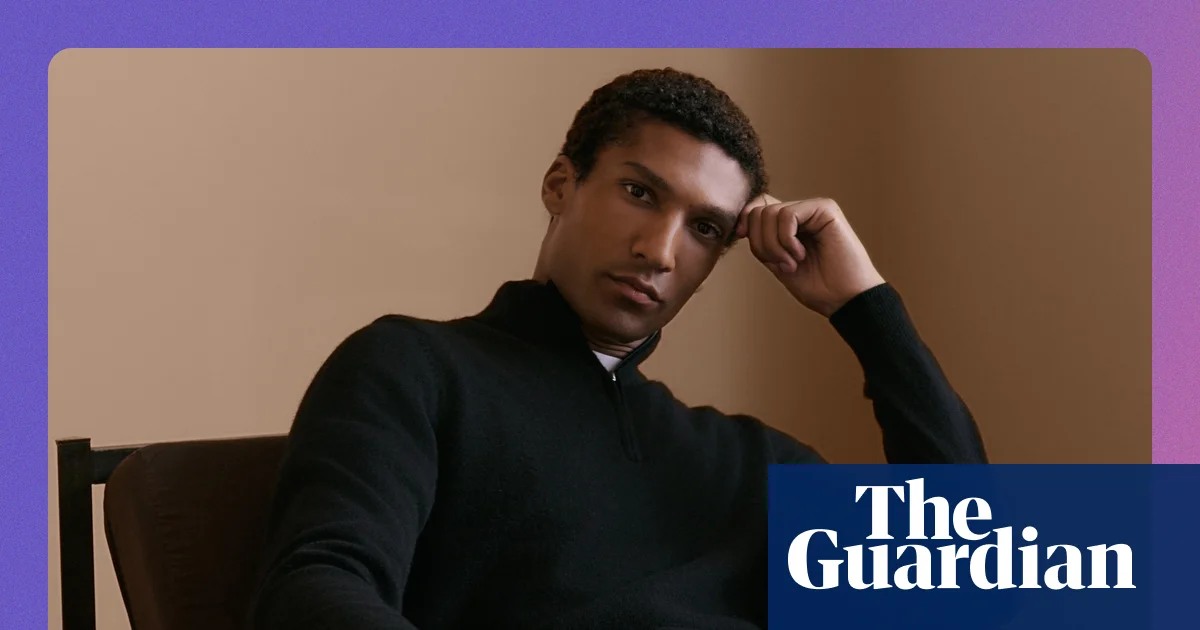

Discover the understated and unexpected: the coolest men’s knitwear brands shaping the new style rebellion

In an era dominated by fast fashion and fleeting trends, a new movement among the youth is quietly reshaping how men approach wardrobe staples: knitwear. Once relegated to the realm of grandma’s closet or reserved for winter wear, knitwear now stands at the forefront of social relevance and cultural impact. This shift isn’t merely about warmth—it’s a statement about long-term investment, responsibility, and individual style. Influencers like Pedro Pascal and Paul Mescal are leading the charge, sporting cropped silhouettes and statement knits that achieve a chic yet rebellious aesthetic, emphasizing the importance of personalization and authenticity in menswear.

The embrace of responsible knitwear is redefining what it means to dress with purpose. Endorsed by brands like Asket and Sheep Inc, today’s consumers are more conscious of the societal and environmental footprint of their clothing choices. Transparency is becoming as vital as durability, with notable brands offering conservation-focused initiatives such as repairing or recycling, and sourcing textiles from regenerative farms. The rise of carbon-negative knitwear—where your jumper becomes part of the solution rather than the problem—illustrates how fashion is cementing its role as a social force. Such narratives elevate knitwear from simple apparel to a symbol of activism and lifestyle alignment, especially among younger generations seeking authenticity and impact.

Trends in Knitwear: From High Street to Luxury

Mid-range and luxury brands are elevating knitwear to an art form. A Day’s March exemplifies this with its minimalist, Scandinavian aesthetic, offering luxurious pieces like mohair sweaters and cardigans that boast understated elegance and purpose. Meanwhile, Les Deux taps into the demand for statement knitwear, with options that include bold colors and playful graphics, embodying a counter-culture feel that resonates with youth seeking individuality. On the high street, brands like Uniqlo and Gap cater to a broader audience, making quality knitwear accessible, with staples like cashmere crew necks and merino wool sweatshirts priced under £100. This democratization of premium textiles underscores a collective shift towards quality over quantity, driven by a desire for durable, versatile, and stylish wardrobe foundations.

The Cultural and Social Significance

What makes this resurgence of knitwear particularly compelling is its cultural resonance. Modern knitwear isn’t just about practicality—it’s intertwined with socially conscious narratives. Whether it’s through brands promoting regenerative wool, or influencers experimenting with layered textures and vintage-inspired designs, the trend signifies a collective move toward meaningful fashion. Sociologists point out that this evolution symbolizes a rejection of disposable fashion: today’s young men want garments that tell stories, reflect values, and stand the test of time.

Yet, amid this backdrop of style and responsibility, a next big question looms: as knitwear becomes a symbol of cultural authenticity and activism, how will future trends balance fast-paced innovation with the long-term ethics of sustainable fashion? Will the market sustain this level of conscientious consumerism, or is it another fleeting fad? As influencers and brands continue to push the conversation, one thing remains clear—this isn’t just about clothing; it’s about redefining societal values around an age-old craft that’s now more relevant than ever.

Social Media Auto Publish Powered By : XYZScripts.com


