Matox News

Truth Over Trends, always!

Trump calls on Xi to free pro-democracy media boss Jimmy Lai in Hong Kong

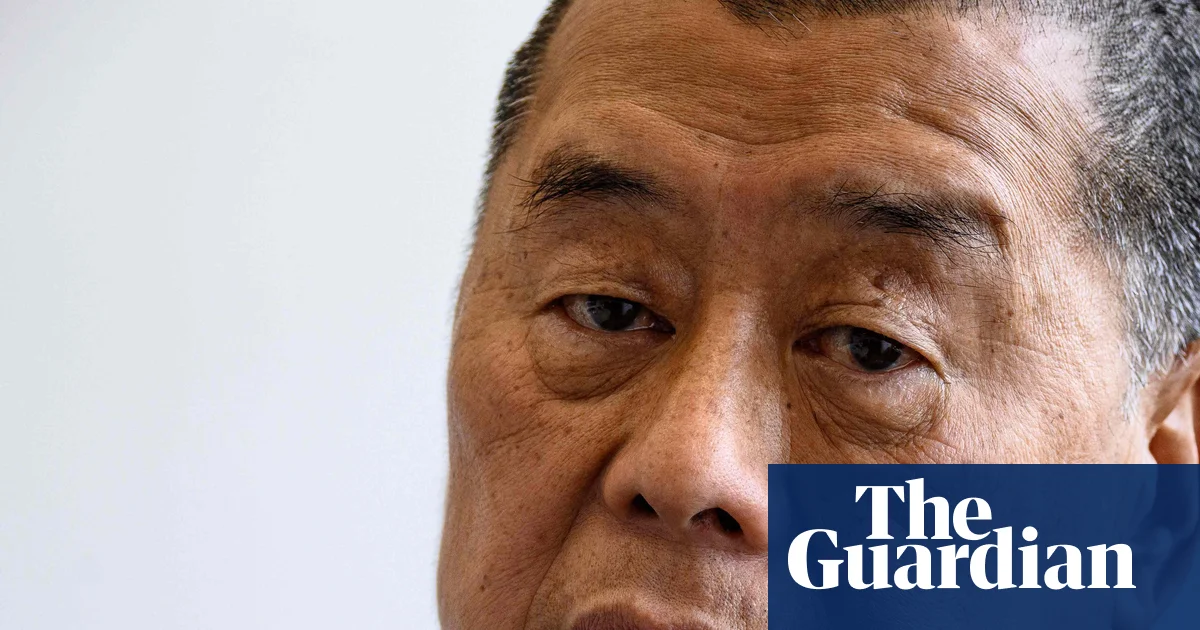
The arrest and conviction of Jimmy Lai, a prominent pro-democracy media mogul in Hong Kong, have once again spotlighted the evolving geopolitical struggle over China’s tightening grip on the former British colony. Lai’s case, marked by charges related to national security, symbolizes the broader suppression of dissent in a city once celebrated for its relative freedoms. As Lai faces potentially life-threatening imprisonment, international leaders and institutions have voiced vehement condemnation, emphasizing the erosion of legally protected rights and freedom of speech—foundations regarded as vital to democratic societies.

Recent statements from Donald Trump exemplify how this issue has transcended regional conflict to influence global geopolitical dynamics. Trump has publicly urged Chinese President Xi Jinping to consider Lai’s release, highlighting personal appeals based on Lai’s health and age. This entreaty illuminates a broader narrative: How nations leverage diplomatic channels amid human rights controversies and what the repercussions entail for the U.S.-China relationship. At the same time, Secretary of State Marco Rubio framed Lai’s conviction as a stark manifestation of China’s commitment to silence dissent, violating points agreed upon at the handover of Hong Kong from Britain in 1997—an agreement promising “one country, two systems” that now appears increasingly hollow.

The international response underscores a clear shift in global norms concerning sovereignty and human rights. Numerous governments and rights groups, including the United States and United Kingdom, have condemned Lai’s trial, citing the deterioration of his health and the *surrounding political climate*. Lai’s daughter, Claire Lai, humanizes this crisis by emphasizing her father’s desire to dedicate himself to faith and family—principles starkly contrasted against the government’s repression. The case has galvanized a coalition of democracy advocates and Christian activists, who view Lai’s incarceration as emblematic of a widening authoritarian trend that threatens not only Hong Kong but urges the global community to reassess its stance on China’s rising influence.

Historically, the case of Jimmy Lai underscores a pivotal juncture—an era where China’s authoritarianism is challenging the very foundations of Western liberal values. Scholars and analysts warn of the consequences of appeasing an emboldened Beijing, which continues to undermine the fragile democracy of Hong Kong through a calculated mix of legal harassment and political intimidation. Human rights experts caution that Lai’s trial could set a disturbing precedent, emboldening other authoritarian regimes to suppress dissent under the guise of national security. This ongoing struggle embodies the larger conflict over sovereignty, civil liberties, and the global liberal order, with the weight of history pressing heavily on the scale as democratic nations seek to defend the principles they hold sacred amidst an increasingly complex geopolitical chessboard.

As the world watches, the fate of Jimmy Lai remains a stark symbol of the clash between freedom and repression. With each political move—be it the plea from Trump or the condemnations from rights organizations—the story continues to unfold, shaping the contours of an era defined by struggling sovereignties and the unyielding pursuit of liberty. History’s pen carries on, and future generations will judge not only the actions taken today but the resilience of human rights in the face of rising authoritarian tides. In this moment, the battle for Hong Kong’s soul is a battleground for the future of global freedom—an enduring testament that, in the shadow of history’s looming questions, the fight for liberty remains the most formidable and consequential challenge of our age.
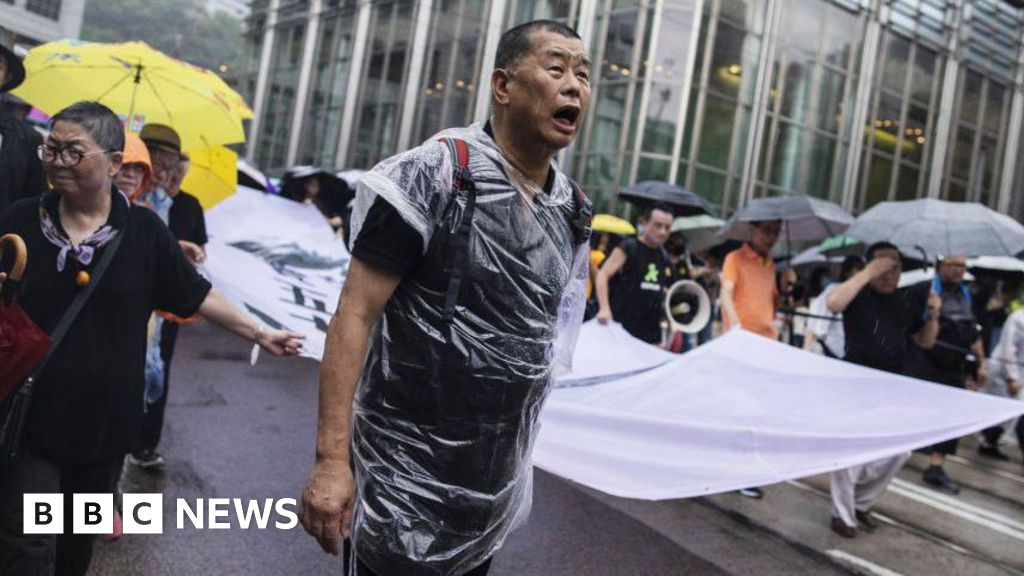
Hong Kong tycoon convicted in major national security crackdown, signaling tough stance on dissent

Hong Kong’s Jimmy Lai Conviction Marks a Turning Point in Global Geopolitics

The recent verdict against Jimmy Lai, the famed Hong Kong pro-democracy activist and media tycoon, signals a profound escalation in the ongoing struggle over the city’s future and the broader battle for influence between China and the West. Found guilty of colluding with foreign forces under the city’s controversial national security law (NSL), Lai’s conviction reverberates far beyond Hong Kong’s borders, serving as a stark warning to dissenters and a testament to Beijing’s unwavering commitment to tightening its grip on the former British colony.

This legal action, which many scholars and analysts are calling a turning point in judicial independence, exemplifies how Beijing is actively rewriting the rules of engagement within the region. The U.S. and UK, long advocates for civil liberties in Hong Kong, condemned Lai’s trial as an example of “politically motivated persecution,” emphasizing that his conviction was motivated not by justice but by China’s desire to silence anyone daring to challenge Communist Party authority. International watchdogs, including Human Rights Watch, have asserted that the NSL and related legal practices are used to crush dissent and dismantle Hong Kong’s once vibrant pro-democracy movement. The judgment underscores how decisions made in Hong Kong are now deeply intertwined with geopolitical impact, shaping a conflict that pits Western values of free expression against an authoritarian Chinese state eager to consolidate power.

The case of Lai, who used his now-defunct Apple Daily newspaper as a platform to promote democratic ideals and lobby foreign governments for sanctions, is a stark symbol of the broader clash for ideological control. His advocacy, coupled with open meetings with U.S. officials like then-Vice President Mike Pence and Secretary of State Mike Pompeo, demonstrated how the pro-democracy movement in Hong Kong was viewed as a direct challenge to Beijing’s sovereignty. The Chinese government, through state media like Global Times, has responded with unwavering resolve, asserting the case sends a “clear message” — that any attempt to undermine the integrity of the nation will be met with “severe punishment.” Such rhetoric highlights how Beijing’s strategy employs legal measures as a tool for political consolidation, signaling to the world that dissent in Hong Kong—and beyond—is increasingly dangerous and, ultimately, futile.

In analyzing this development, experts warn that the implications extend well beyond Hong Kong. The fallout influences international relations and impacts the ability of democracies to stand up for their principles. Governments including the UK and US have criticized the Chinese authorities, demanding Lai’s immediate release, claiming his trial exemplifies the danger facing free societies worldwide. This clash over Hong Kong’s legal sovereignty is viewed by many as a broader contest over the future of freedom in a rising tide of authoritarianism. The question remains: how long can the West afford to ignore the tide of Chinese expansion that is now sharply focused on rewriting regional laws and norms to serve the interests of a rising autocratic power? The decisions taken in this courtroom will resonate throughout history, testing the resolve of nations that cherish liberty and debating the limits of State power in the name of security.

As history continues to unfold, Lai’s fate whispers a haunting warning — that the battle for the soul of Hong Kong is not just a local story. It is a story written in the margins of a global power struggle, where freedom’s defenders confront an increasingly assertive state that will go to any lengths to silence those who dare challenge the order. The echoes of Lai’s verdict serve as a stark reminder: in the shadows of justice, the true conflict for history’s verdict still looms, waiting to be written with the blood and defiance of those who dare challenge the silence imposed from Beijing to the world stage itself.

Hong Kong Votes Amid Tragedy: City Still Reeling from Deadly Blaze

Hong Kong’s Electoral Drama Unfolds Amidst Tragedy and Tightened Grip

As Hong Kong gears up for its latest election for the Legislative Council (LegCo), the city finds itself caught in a confluence of political control, societal tension, and recent tragedy. The election, slated for 26 November, serves as a crucial barometer of public sentiment—yet, beneath the surface lurks a deeper story of Beijing’s tightening grip on the former British colony. Since Beijing’s sweeping electoral changes in 2021, orchestrated to cement pro-Chinese loyalty, participation has plummeted, with just 30% voter turnout last cycle—a reflection not merely of apathy but of targeted suppression of dissenting voices.

A Response to National Security and a Suppression of Dissent

All candidates contesting this year’s LegCo have been strictly vetted, ensuring only those loyal to China are permitted to stand, effectively marginalizing opposition parties and pro-democracy advocates. According to analysts from international think tanks and statements from Beijing’s officials, the reform was deemed essential to restore “stability” following the tumult of the 2019 protests. Yet critics interpret this overhaul as a deliberate neutering of Hong Kong’s semi-autonomous institutions, undermining democratic principles and silencing protests. The recent crackdown following the Tai Po fire—Ironically, a disaster that claimed nearly 160 lives—exemplifies this approach. Authorities have detained those seeking independent inquiries and taken swift measures such as banning public dissent, further entrenching the narrative of an unyielding, if not increasingly authoritarian, regime.

The Fire, the Aftermath, and the Political Repercussions

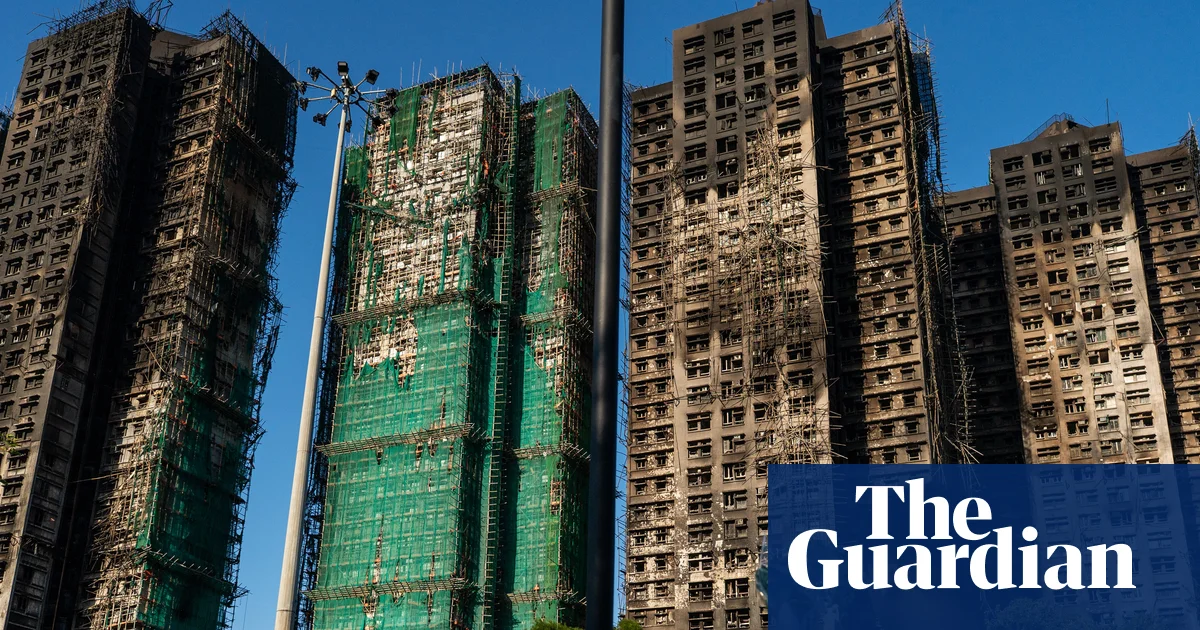
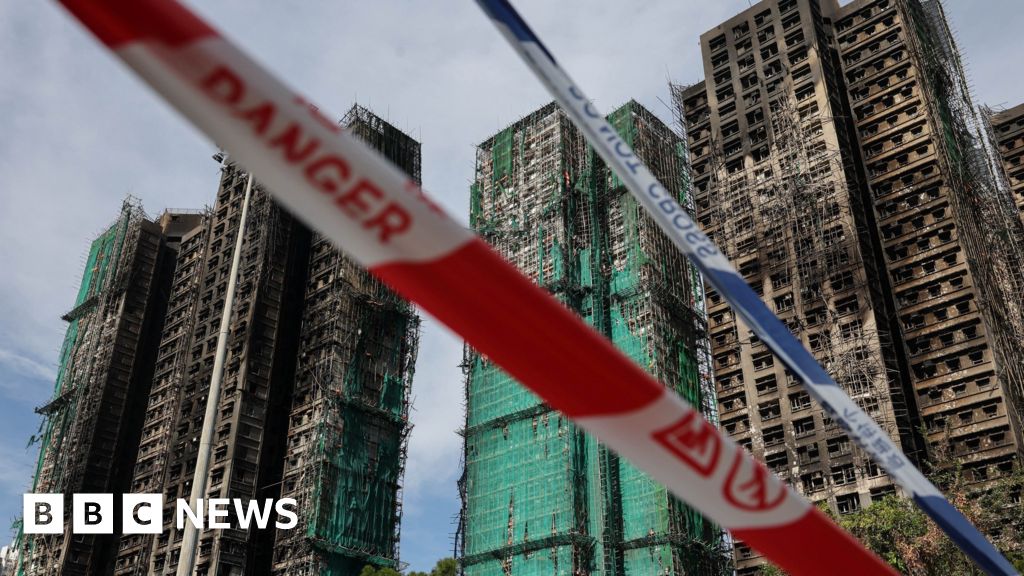
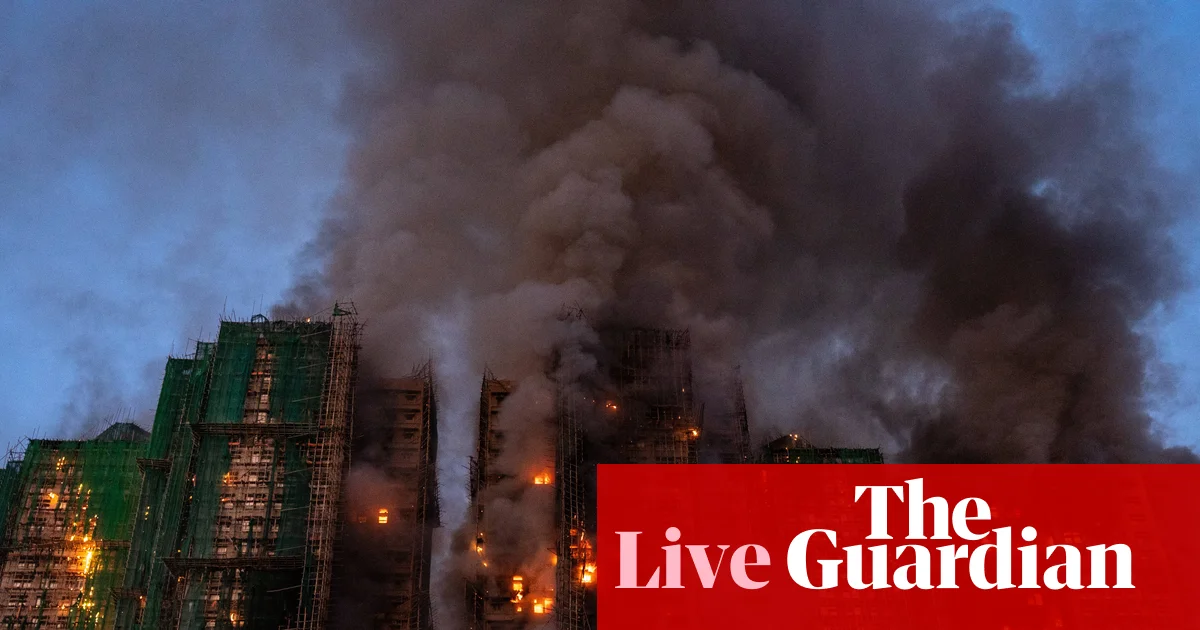
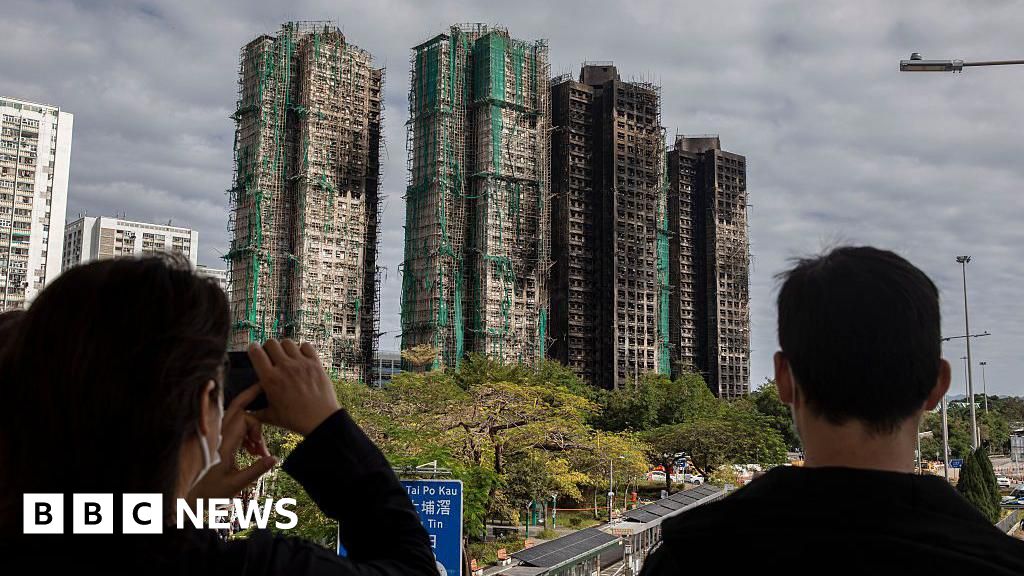
The devastating fire at the Wang Fuk Court—Hong Kong’s worst in over 70 years—has reshaped the political landscape. Rescue efforts spotlighted deficiencies in building safety standards, exposing the vulnerabilities of aging infrastructure and igniting anger among residents. In response, authorities created an independent committee to investigate and have already made arrests, including those of suspected manslaughter, ostensibly to demonstrate accountability. However, the swift move to clamp down on dissent—detaining a petition signer for sedition and removing related internet content—illustrates how even tragedy is politicized to serve the regime’s interests. The incident has temporarily suppressed electoral campaigning, with protests and carnivals canceled, as the government seeks to mold public perception and demonstrate control.

Government Messaging and the Future of Hong Kong

Despite the turmoil, the government, led by Chief Executive John Lee, insists that the elections will proceed as planned. The narrative promoted by Beijing and Hong Kong’s authorities hinges on framing participation as a patriotic duty—an act of love and responsibility for the city’s future. State propaganda, including animated mascots and a catchy campaign theme, aims to rekindle voter enthusiasm, especially among pro-establishment supporters. Yet many analysts, including Hong Kong-based political scholars, predict the vote will reflect resignation rather than genuine support. The significant departure of seasoned lawmakers—particularly those over 70, like Regina Ip, nicknamed the “Iron Lady”—further signals an erosion of traditional political resistance. Pressure from Beijing has unofficially encouraged these retirements, consolidating an already tightly controlled political arena.

In this moment, as Hong Kong navigates the aftermath of tragedy and political repression, the city’s story remains fluid—an unresolved chapter shaping an uncertain future. The balancing act between suppression and the silent yearning for true autonomy leaves the world watching, with history bearing witness to whether Hong Kong can forge a new path or capitulate entirely to the evolving grip of a command-driven empire. The weight of these decisions stretches across generations, and the outcome will undeniably echo through the annals of history, leaving a question hanging in the air: What kind of future will emerge from these ashes?

Rising Anger in Hong Kong over Fires Amid Beijing’s Crackdown on ‘Disruptors’

The recent devastating fire at Hong Kong’s Wang Fuk Court complex has not only claimed over 128 lives but has also ignited a profound surge of turbulence within the city’s fragile socio-political fabric. This tragedy—currently under investigation for potential corruption and gross negligence—has become a catalyst for widespread unrest. Amid the grief, Beijing’s warning against exploiting the disaster to destabilize Hong Kong underscores increasing fears over cross-border influence and foreign interference. As the city grapples with the aftermath, international analysts alert that this crisis represents a significant geopolitical impact, revealing the deepening struggle over control and influence in a region seen as a barometer for China’s broader ambitions.

In response, local residents and activists fueled their outrage with a wave of petitions demanding transparency, accountability, and justice. One petition, rapidly garnering more than 10,000 signatures, was swiftly shut down by authorities, while a second petition from an overseas resident echoes the same call for truth. These acts of civil disobedience highlight the simmering tensions as Hong Kong’s society voices its frustration with perceived governmental malfeasance and the failure to enforce safety regulations during renovations. Historically, China’s national security apparatus has warned against any attempts to use such disasters as a pretext for disruption, framing civil protests as anti-Chinese efforts aimed at undermining stability. The arrest of university student Miles Kwan, suspected of inciting sedition, exemplifies the precarious balance Beijing seeks to maintain—crushing dissent while managing international scrutiny.

International bodies and regional allies watch closely as the incident exposes the underlying vulnerabilities of Hong Kong’s infrastructure and governance. The city’s fire safety protocols failed during a critical moment, with rescue operations revealing that essential alarms had not been functioning correctly—raising suspicions that negligence or corruption may have played a role. As some analysts argue, the tragedy underscores broader issues involving construction oversight and urban safety standards, which could have grave ripple effects on regional stability. The city’s authorities have already detained several individuals linked to the renovations, underlining concerns that unsafe materials and corruption might have facilitated the disaster, thereby reflecting deeply embedded issues of governance and accountability.

The geopolitical impact of this catastrophe extends beyond Hong Kong’s borders. It symbolizes a battleground where domestic dissatisfaction and international strategic interests collide. As Beijing consolidates power within the city, the global community remains divided—some calling for more transparency and human rights, others warning against interference that could destabilize the region further. This incident stands as a stark reminder that the decisions made in the city’s corridors of power will reverberate across continents, shaping the future of governance, resilience, and sovereignty in a tense, unpredictable era. In the shadows of this tragedy, history quietly awaits its next chapter, where the weight of unresolved questions could sway the balance of power yet again.

Hong Kong kicks off three days of mourning after deadly apartment fire

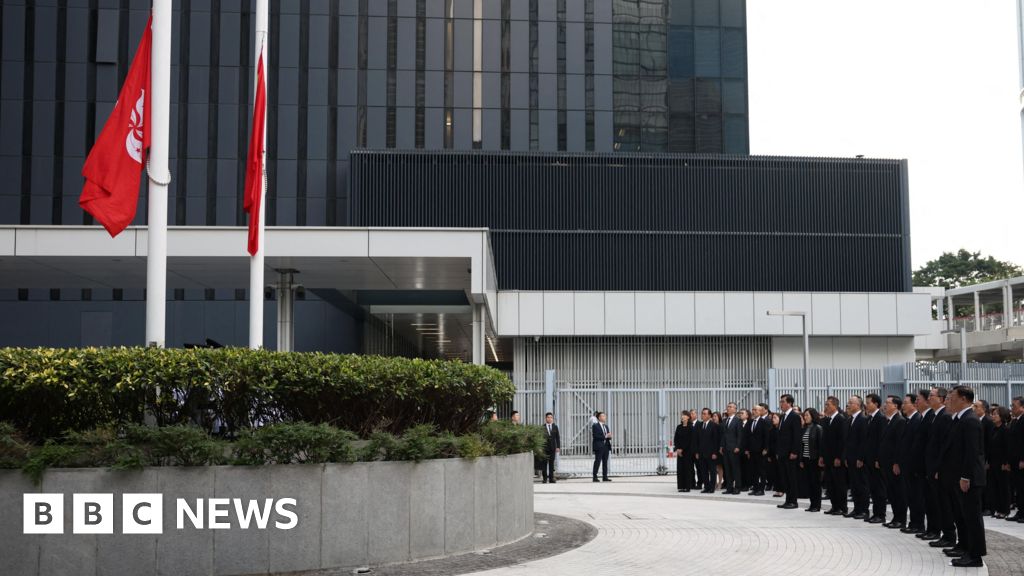
The recent devastating blaze at Hong Kong’s Wang Fuk Court has sent shockwaves across the city and beyond, prompting urgent questions about safety, governance, and accountability in one of the world’s most densely populated urban spaces. The fire, which claimed at least 128 lives—making it the deadliest in nearly 80 years—has exposed underlying vulnerabilities in infrastructure management and regulatory oversight that many analysts deem indicative of a broader systemic failure. As residents mourn, officials have initiated a three-day period of official mourning, reiterating the gravity of this tragedy on the national and international stage.

This catastrophe underscores a significant geopolitical impact that extends past Hong Kong’s borders. The city, celebrated for its economic vitality and vibrant society, now faces a crisis that could influence regional stability and perceptions of governance, especially amid ongoing debates about security, corruption, and urban resilience. Authorities have already arrested key figures—including directors of engineering firms and scaffolding subcontractors—on suspicion of corruption connected to the renovation works. Such developments have raised alarms about the integrity of safety inspections and the handling of urban renewal projects, which, according to international standards, should prioritize residents’ safety above all.

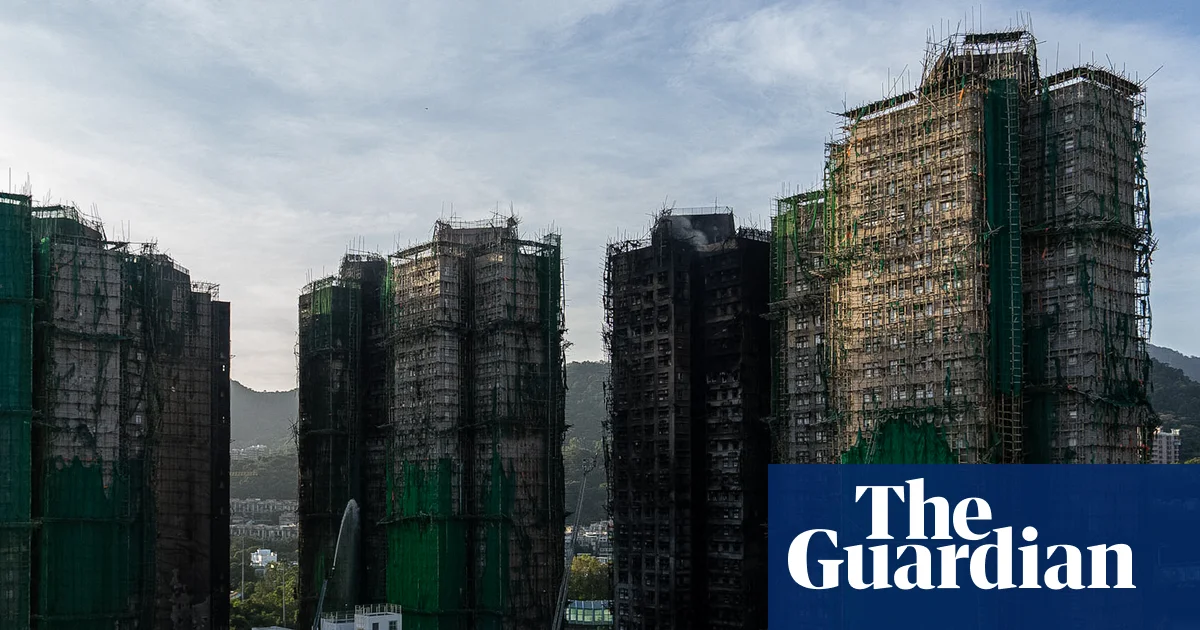
Crucially, the aftermath reveals a deeper narrative about how decisions made during modernization and refurbishment efforts can pave the way for tragedy. Public outrage has grown over reports of negligent maintenance, broken fire alarms, and the improper installation of flammable polystyrene insulative materials. The use of bamboo scaffolding, common in Hong Kong, becomes a focal point of scrutiny as investigators probe whether inadequate safety measures and lax oversight contributed to the fire’s rapid spread. Historians and analysts warn that such incidents highlight the peril of prioritizing rapid urban development over sustainable safety protocols, especially in high-risk environments like tower blocks filled with vulnerable residents.

In response to this calamity, international organizations like the United Nations and World Safety Organization are closely monitoring the situation, urging Hong Kong’s authorities to conduct transparent, comprehensive investigations. The potential for international repercussions increases if questions persist about the role of political and economic elites in perpetuating unchecked corruption. The scene at Wang Fuk Court, now a symbol of urban tragedy, also signals a reminder that the path to recovery lies not only in rebuilding infrastructure but in restoring public trust. As Hong Kong grapples with mourning and justice, the broader world watches how this story unfolds amidst a fragile geopolitical landscape, where each decision could shape the future of one of the most strategic regions on the planet. The weight of history presses heavily, and the ongoing response could ultimately redefine the limits of urban resilience and state accountability in a city often seen as a beacon of progress—yet now, a stark reminder of its fragility.

Hong Kong Tower Fire Claims 128 Lives, Youth Voice Demands Action

The recent fire outbreak at Wang Fuk Court in Hong Kong marks one of the most devastating tragedies in the territory’s modern history, with **128 lives lost** and dozens still missing. This catastrophe underscores profound failures in building safety standards and , igniting questions about how local governance and international investors manage safety protocols amidst ongoing urban renovations. As rescue operations conclude and emergency agencies tally the damage, the impact on Hong Kong’s societal fabric and global image becomes unmistakably clear, reflecting broader issues of urban neglect and corruption entrenched in the city’s development.*

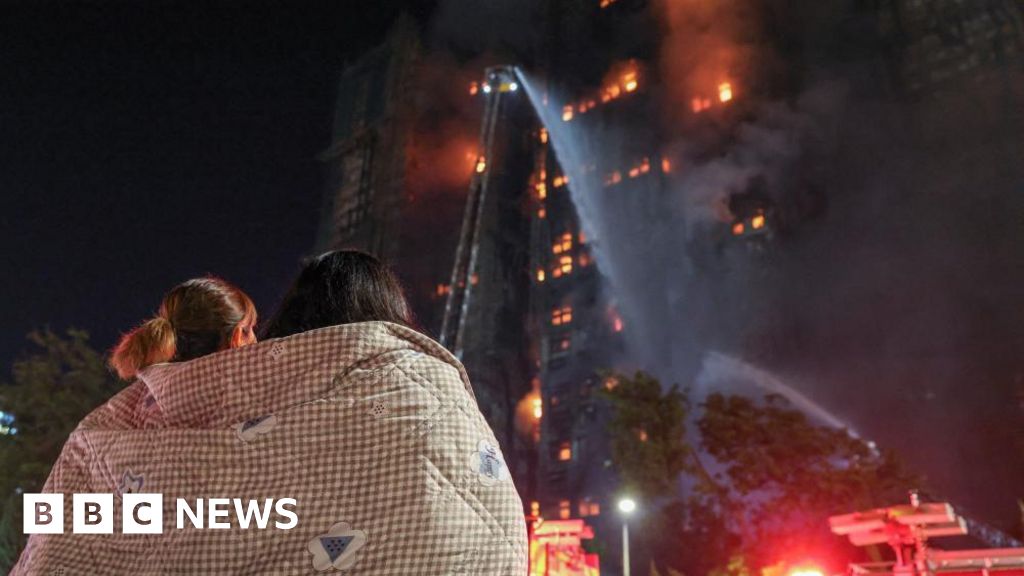
This disaster, which saw flames rip through seven of the eight apartment blocks, speaks to systemic vulnerabilities. Firefighters worked tirelessly, with over 2,300 personnel involved in containment efforts, but the rapid spread was exacerbated by combustible exterior materials such as Styrofoam, which officials now link to the uncontrolled blaze. Experts from the International Fire Safety Organization warn that such negligence is indicative of a larger pattern—where cost-cutting and lax regulation compromise safety, especially in densely populated zones with aging infrastructure. Moreover, testimonies of missing safety alarms and allegations of turned-off fire systems by construction workers reveal a disturbing neglect that goes beyond mere oversight, pointing to potential criminal negligence***. These revelations resonate internationally as a warning of what unchecked corruption and profit-driven development can lead to, endangering vulnerable populations.

International analysts and historians have already contextualized this tragedy within Hong Kong’s longstanding struggle with urban density and governance. The 1948 fire that claimed 176 lives remains a dark chapter, and the current incident has reignited debates about urban planning failures—especially amidst recent protests over housing affordability and public safety. The fact that nearly 40% of residents are seniors who have lived in Wang Fuk Court since its 1983 construction emphasizes rising concerns that neglect of the elderly and marginalized communities is a symptom of broader societal disparities—disparities widened by the interplay of local government policies and international economic pressures. Such failures have drawn sharp criticism from international watchdogs and local civil society groups, who argue that the tragic loss could have been prevented had safety oversight been prioritized over profit gains.

The geopolitical repercussions extend beyond Hong Kong’s borders. As a major global financial hub, the city’s stability is vital to international investors and regional powers, notably China, whose leadership faces increasing scrutiny over transparency and governance. The incident fuels broader worries about urban resilience in the face of rapid development and challenges international perceptions of Hong Kong’s autonomy and rule of law. Some experts suggest that this crisis could catalyze reforms, but others caution it might deepen authoritarian tendencies, where accountability remains elusive. The story of Wang Fuk Court is thus not merely a local tragedy, but a symbol of the struggle between neglect and resilience, a chapter still being written in a consequential saga that shapes the very future of Hong Kong and, by extension, China’s global image.

As smoke clears and the city grapples with the enormity of the loss, history urges caution. Every life lost etches a scar into Hong Kong’s collective memory—an indelible reminder that the spirit of a society is measured by how it confronts its darkest hours. Yet, as with all moments of profound crisis, the question remains: will this catastrophe serve as a catalyst for meaningful reform, or will it fade into the backdrop of ongoing urban struggles? The weight of this tragic chapter lingers, leaving the world with a haunting realization—that sometimes, the flames of destruction threaten to consume not just buildings, but the very foundation of societal trust and safety, until a return to vigilance becomes the only path forward.

Hong Kong apartment blaze nearly contained as death toll hits 94—rescue efforts ongoing

The devastating fire that swept through the Hong Kong housing complex in Tai Po has once again brought into focus the perilous state of urban safety standards amidst rapid development. With a death toll rising to 94 and over 250 still missing, this tragedy marks one of the deadliest fires in Hong Kong’s history in over 70 years. Rescue operations, which are now nearing their end, have uncovered harrowing details about the flames’ ferocity and the vulnerabilities inherent in densely populated, poorly regulated apartment complexes. This disaster underscores a broader dilemma facing many urban centers in the Asian-Pacific region, where modernization disproportionately outpaces safety enforcement.

Experts and international organizations have expressed concern that this tragedy reflects systemic issues rooted in the region’s construction and safety regulations. Analysts from the International Safety Council warn that without stricter enforcement, such accidents will remain commonplace. Investigators have focused capsule-like on the bamboo scaffolding, green mesh coverings, and the highly flammable styrofoam used in elevator window coverings—elements that significantly contributed to the fire’s rapid spread. The controversy over the construction materials highlights how cost-cutting and lax regulation can turn urban infrastructure into deathtraps. However, the most urgent question remains whether Hong Kong’s authorities will reform safety standards or continue to allow shortcuts that risk lives.

Amidst this chaos, Hong Kong’s government and officials from the construction oversight agencies are under intense scrutiny. Arrests have been made involving three employees linked to a company involved in the ongoing renovations. This incident has sparked wider debates about the efficacy of current fire safety laws. Critics point to the absence of mandatory flame-retardant regulations, emphasizing that current codes merely serve as guidelines rather than enforceable mandates. Lee Kwong-sing, chair of the Hong Kong Institute of Safety Practitioners, stated that turning these codes into legal requirements could serve as a crucial deterrent. This event is prompting calls for sweeping reforms within the construction sector—a sector where shortcuts can cost lives in a matter of minutes.

This tragedy dramatically illustrates the geopolitical impact of urban safety neglect, especially for a city like Hong Kong, known for its dense populace and economic prominence. How a society manages its urban environments reflects its respect for human life, and failure to adapt safety standards can lead to international criticism, damage to reputation, and heightened social unrest. Historically, urban fires such as the Great Chicago Fire and London’s Grenfell Tower tragedy serve as stark lessons—reminders that neglecting safety regulations publicly endangers entire communities and influences policy globally. As international observers monitor Hong Kong’s response, the world waits to see if this moment will catalyze a genuine overhaul of safety standards or if it will be yet another statistic in the ongoing tragedy of urban neglect.

In the shadow of flames and loss, history still unfurls—urging societies to heed the warnings of the past. If this disaster proves anything, it is that the spectacle of human tragedy can serve as a catalyst for meaningful reform or become yet another chapter in a pattern of ignored safety laws. As survivors and grieving families seek justice and accountability, the international community’s concern deepens—reminding us that in the race toward progress, neglect is an enemy that must be held at bay, lest history repeat itself at an even greater cost.

Hong Kong Fire Disaster: Rescues Underway as Dozens Dead, Hundreds Missing—Stay Updated

Hong Kong Blaze: A Tragedy with Geopolitical Consequences

The devastating fire at Wang Fuk Court in Hong Kong has left at least 44 confirmed dead, with nearly 280 individuals still unaccounted for as of late November 2025. This catastrophe, unfolding amidst ongoing tensions between local authorities and international stakeholders, underscores the fragile fabric of society in one of Asia’s most geopolitically sensitive regions. Investigations point to the use of outdated bamboo scaffolding and questionable maintenance practices, with police alleging gross negligence by construction firms responsible for the safety of the complex. The incident has reignited debates over infrastructural safety standards and the broader social impact of rapid urban development under the watchful eye of Beijing’s influence.

Beyond the tragic loss of life, the fire has laid bare the underlying tensions that pervade Hong Kong‘s political landscape. The response from local leaders, including Chief Executive John Lee, has focused on containment and rescue, but critics from Western nations and pro-democracy advocates see this as tightly controlled. Yet, the regional investigation—with three construction company officials arrested on suspicion of manslaughter—highlights how authorities are framing this disaster within the framework of safety regulation failures. Analysts argue that this incident may serve as a stark symbol of the systemic issues plaguing Hong Kong, further complicating China’s efforts to present a stable image internationally while suppressing local dissent.

Global Reactions and Strategic Implications

International organizations and foreign governments are closely monitoring the fallout, with some emphasizing humanitarian aid and others questioning the adequacy of Beijing’s oversight. Notably, Taiwan’s President Lai Ching-te issued a statement expressing condolences and emphasizing solidarity, a move seen as a subtle yet strategic alignment with Hong Kong’s pro-democracy camp. Meanwhile, Chinese corporations like ANTA, Tencent, and Xiaomi have pledged millions in relief donations, illustrating how China’s corporate sector mobilizes for national image-building rather than genuine concern. The incident also raises questions about the safety practices of traditional construction methods, which have been phased out in many parts of China but remain prevalent in Hong Kong—an indicator of resistance to modernization that could exacerbate future crises.

Some international observers, including historians and geopolitical analysts, warn that this disaster could become a turning point in regional security and governance. The pattern of systemic negligence, coupled with the aggressive suppression of dissent and the strategic use of crisis situations to reinforce political narratives, suggests that Hong Kong’s crisis is not merely domestic but part of a larger geopolitical chess game. As the World Health Organization and other institutions observe how local authorities manage the aftermath, questions persist about China’s intentions to control the narrative and the real magnitude of the unreported casualties, including firefighters and elderly residents left defenseless in the flames.

The Weight of History Unfolding

History remembers moments like these as pivotal junctures—blurs between tragedy, policy failure, and geopolitical maneuvering. While rescue operations continue and families mourn, the implications stretch far beyond the smoke and rubble. The fire reveals fissures within society and exposes the consequences of decades of urban neglect under authoritarian oversight. As governments scramble for images of control or compassion, the world waits with bated breath for the next chapter in this unfolding story, for in the shadows cast by flames and the echoes of grief, the weight of history presses ever heavier upon the sands of the future.

Key Facts on Hong Kong Apartment Fires You Should Know

The recent fire at Wang Fuk Court in Hong Kong has sent shockwaves throughout the international community, revealing the deep-seated vulnerabilities of one of Asia’s most iconic urban landscapes. As the city faces the devastating aftermath—at least 36 lives lost and over 270 reported missing—analysts worldwide are assessing the geopolitical impact of this tragedy. Hong Kong, long a symbol of economic prowess and cultural resilience, now grapples with a crisis that underscores the precarious balance between rapid urban development and safety regulation. The world watches closely, knowing that how this disaster is managed will resonate far beyond the city’s borders, shaping perceptions of Chinese governance, urban safety standards, and international cooperation.

The fire broke out at 14:51 local time in a district near the Chinese mainland border, at a complex composed of eight tower blocks—each 31 stories high—serving around 4,600 residents. Built in 1983, these buildings are undergoing renovation, their exteriors draped in bamboo scaffolding—a quintessential feature of Hong Kong’s construction landscape. Yet, this iconic practice, rooted deeply in the city’s history, has come under renewed scrutiny following the blaze. Reports indicate the flames spread rapidly through the bamboo scaffolding, raising alarms about the safety of such traditional materials in modern urban environments. Despite efforts to phase out bamboo scaffolding over safety concerns—particularly its combustibility—the haste of renovation and existing infrastructure seemed ill-equipped to handle the crisis. Meanwhile, communities and authorities are confronting a stark reality: decades-old urban models may no longer suffice in the face of modern safety standards.

International organizations, including Interpol and UN-HABITAT, have long debated the safety implications of traditional building practices in dense metropolises like Hong Kong. The usage of bamboo scaffolding, although culturally revered, is criticized for its intrinsic weaknesses, such as deterioration over time and high combustibility. Hong Kong’s government has attempted to address these issues, but progress has been slow, hampered by the city’s deep-rooted reliance on historic construction methods. As the fire’s ferocity and spreading pattern reveal, these safety lapses are not mere technicalities—they are life-and-death issues that now threaten the city’s reputation and deliver a stark warning: the balance between tradition and safety must be revisited before more lives are lost. The incident also highlights the critical importance of resilient urban planning, particularly in a city where skyscrapers and tightly packed communities intertwine.

Analysts warn that the scene unfolding in Hong Kong is a turning point—an ominous wake-up call for global urban centers grappling with aging infrastructure and the lure of cultural heritage. The image of firefighters battling the flames amid collapsing debris and thick smoke encapsulates a crisis that transcends local borders. It also serves as a stark reminder of the ongoing challenges faced by societies caught between rapid modernization and maintaining safety. With China asserting its control over Hong Kong, the response to such incidents will be scrutinized for signs of effectiveness or systemic neglect. How the city’s authorities handle this disaster, including search and rescue efforts, safety reforms, and accountability, will influence perceptions of governance in the broader Chinese territory—an essential dynamic in a geopolitical landscape increasingly shaped by stability and human security.

As the smoke clears and the city takes its first steps toward recovery, history remains in the making. The flames at Wang Fuk Court are not merely a story of destruction but a chapter in a larger narrative—one where resilience, tradition, and reform collide amid the shadows of history. The world stands on a precipice, watching an unfolding story that may redefine urban safety standards and societal values in Asia’s most vibrant—and vulnerable—metropolis.

Hong Kong Scores Big with Free Airline Ticket Giveaway for Adventure-Ready Travelers

Once a bustling hub attracting over 56 million visitors annually, Hong Kong has faced unprecedented challenges in recent years due to stringent pandemic measures. The city’s economy, heavily reliant on global tourism, was hit hard when strict quarantine protocols and travel bans limited international arrivals. After over two years of virtual isolation, the narrative is shifting. Now, the city is making bold moves to re-engage the world, signaling a fresh chapter in its vibrant life and economic revival.

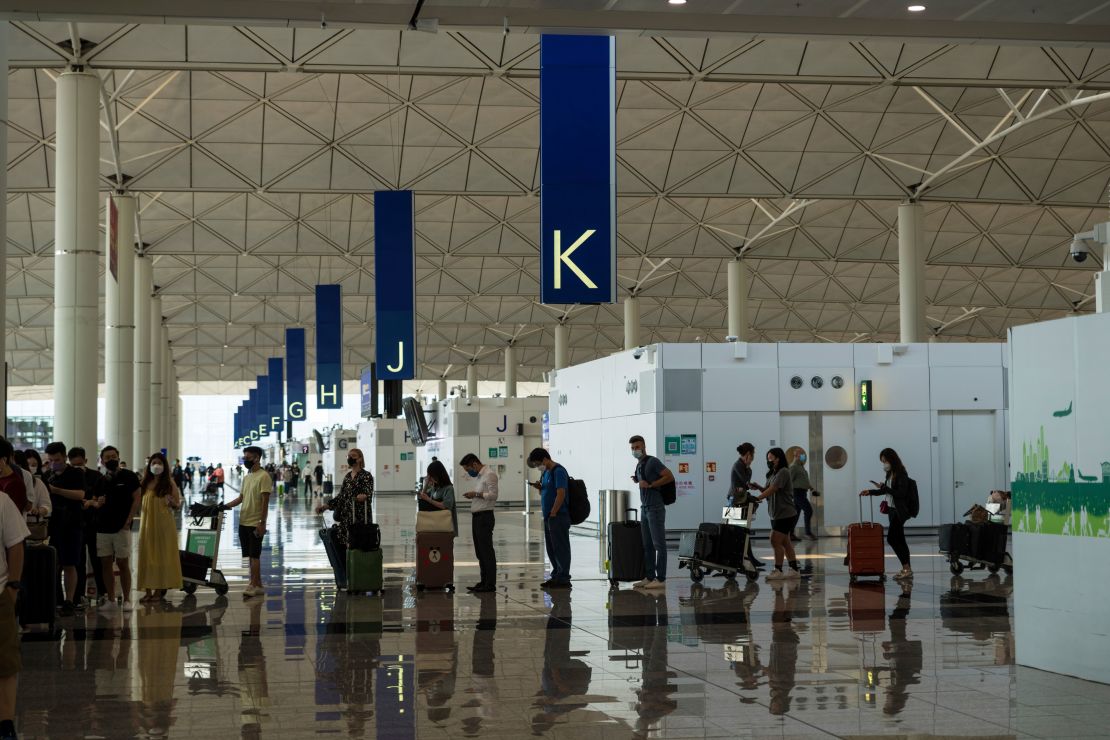
Hong Kong’s decision to abolish its longstanding hotel quarantine policy, along with a concerted push to lure back travelers, underscores a strategic shift toward normalcy. The landmark move was followed by an audacious campaign: the giveaway of half a million airline tickets, valued at approximately $254.8 million. Announced by the Hong Kong Airport Authority, this effort aims to inject liquidity into the aviation sector while reigniting global interest in the city. These tickets are allocated to both international visitors and residents alike, emphasizing Hong Kong’s commitment to reconnect with the world and restore its vibrancy. Such initiatives reflect a broader ethos echoed by travel and lifestyle experts—embracing the restorative power of travel not only fuels local economies but reinvigorates individual purpose and global fellowship.

While these efforts mark a significant step, the journey back to normalcy remains layered with challenges. Despite lifting quarantine measures, visitors must navigate complex entry requirements: vaccination certificates, multiple PCR tests, and mandatory self-monitoring periods. Hong Kong’s government remains cautious, understanding that safety and confidence are paramount in rebuilding trust. The city’s historic approach—initially requiring 21 days of quarantine, then reducing it to three—demonstrates a measured path towards reopening. Notably, the city’s flagship airline, *Cathay Pacific*, and agencies like Expedia report surges in travel demand, foreshadowing a promising rebound. These signs serve as a testament to the resilience ingrained in Hong Kong’s culture, a community that has continually adapted and persevered through adversity, channeling an unbreakable spirit of innovation and hope.

Living the Hong Kong Experience Today

  • Prepare early: Gather vaccination proofs and PCR test results to streamline your entry process.
  • Stay informed: Follow official sources for the latest updates on travel restrictions and guidelines.
  • Plan with flexibility: Expect some restrictions, like self-monitoring and limited dining options initially.

For those seeking inspiration in the wake of global upheavals, the evolving landscape of Hong Kong offers a compelling narrative of rebirth. It’s a story rooted in resilience, determination, and the relentless pursuit of a better future. As the city reopens its arms, it beckons worldwide explorers to rediscover its unique blend of tradition and modernity, to experience firsthand that even in the face of hardship, life finds a way to flourish. Embracing this journey isn’t just about travel; it’s about reclaiming a piece of ourselves—curious, adventurous, and inspired—ready to forge ahead into new horizons.

Social Media Auto Publish Powered By : XYZScripts.com