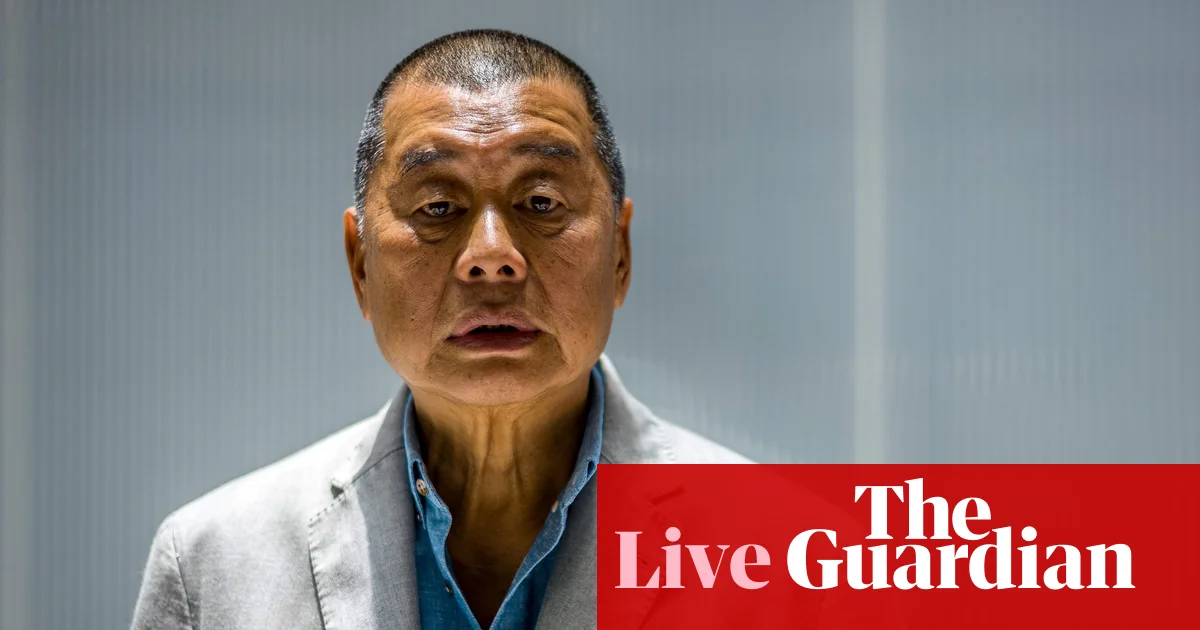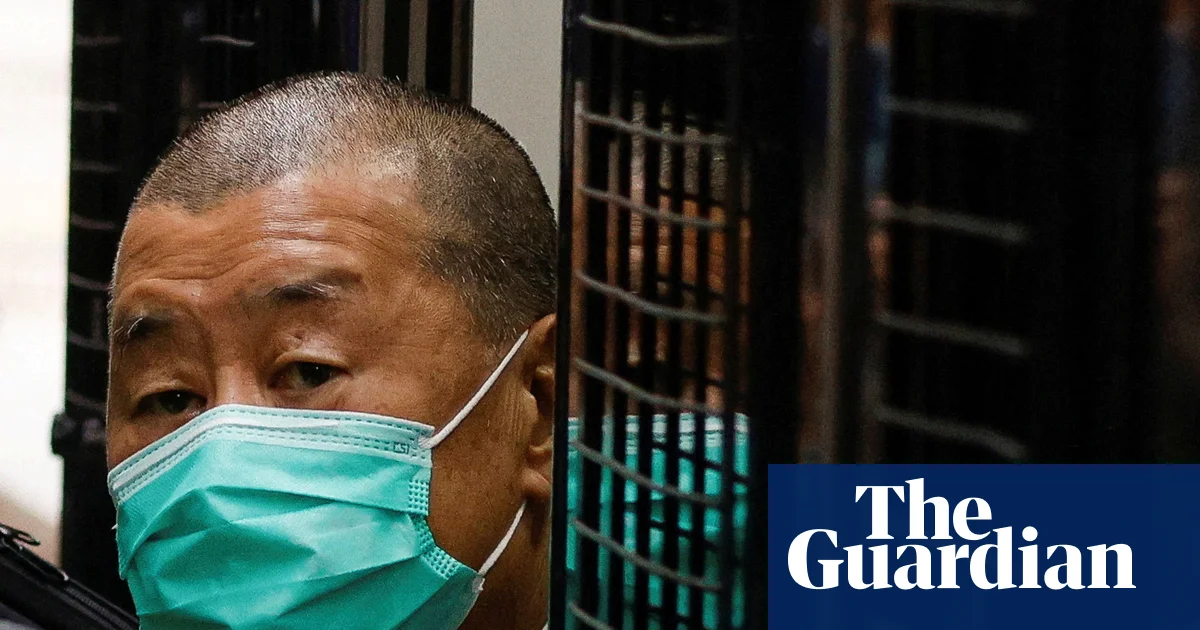

Jimmy Lai Sentenced in Hong Kong: A Turning Point in Global Politics
In a move that signals a pivotal shift in the geopolitical landscape of Asia, Hong Kong‘s judiciary has handed down a 20-year prison sentence to renowned media mogul and pro-democracy advocate Jimmy Lai. The verdict, rooted in charges of sedition and conspiracy to collude with foreign forces, represents a stark escalation of Beijing’s tightening grip on the semi-autonomous city, where the balance between civil liberties and unified control is increasingly fragile. Lai’s conviction follows a series of escalating measures aimed at stifling dissent, with critics warning that this marks a new era of authoritarian assertiveness disguised as legal action.
The Chinese Communist Party (CCP) leadership explicitly views Lai’s case as a warning against foreign interference and a lesson in loyalty. Historically celebrated as a champion of free press and democratic values, Lai now faces a prolonged imprisonment amidst his declining health at age 78. This case is not merely about one individual but is emblematic of broader efforts to recalibrate Hong Kong’s special status since the 2019 protests. Analysts argue that this demonstrates how the CCP leverages legal systems to consolidate power, signaling to international observers that any challenge to its sovereignty will be met with unwavering harshness.
- In December, Lai was convicted after pleading not guilty to the charges—an act seen by many as a statement of protest against what critics characterize as Beijing’s erosion of Hong Kong’s promised freedoms. The sentence has triggered international condemnation, with governments like the United States and United Kingdom issuing statements warning of the diminishing autonomy of Hong Kong and the threat to global standards of human rights.
- The verdict is also a reflection of how the National Security Law, imposed by Beijing in 2020, has reshaped Hong Kong’s legal landscape, bypassing the common law system that once protected free speech. This legal framework has effectively criminalized dissent, making Lai’s case a high-profile example of what critics call the crackdown on civil society.
- International organizations, including Amnesty International and the United Nations, warn that such measures threaten the global reputation of China and undermine the principles of democracy and rule of law cherished worldwide.
This case’s reverberations extend beyond Hong Kong, impacting regional stability and US–China relations at a time when geopolitical tensions are already at a boiling point. The United States, by reaffirming its commitment to human rights and free expression, is positioning itself as a counterbalance to Beijing’s authoritarian ambitions, which many see as part of a larger struggle for influence across the Indo-Pacific.
As historians and analysts debate whether Lai’s imprisonment marks a new chapter of international authoritarianism or a temporary setback in Hong Kong’s fight for democracy, the global community must grapple with the truth that history is now being written in the shadows of Chinese tanks and courtrooms. The weight of the past lingers, but the future remains uncertain—yet undeniably, the actions taken today will echo into the coming generations as either the preservation of liberty or its irreparable loss. With each legal salvo, the unfolding story reminds us of how fragile freedom can be when neglected or suppressed, and how history’s pen is never at rest.