Matox News

Truth Over Trends, always!

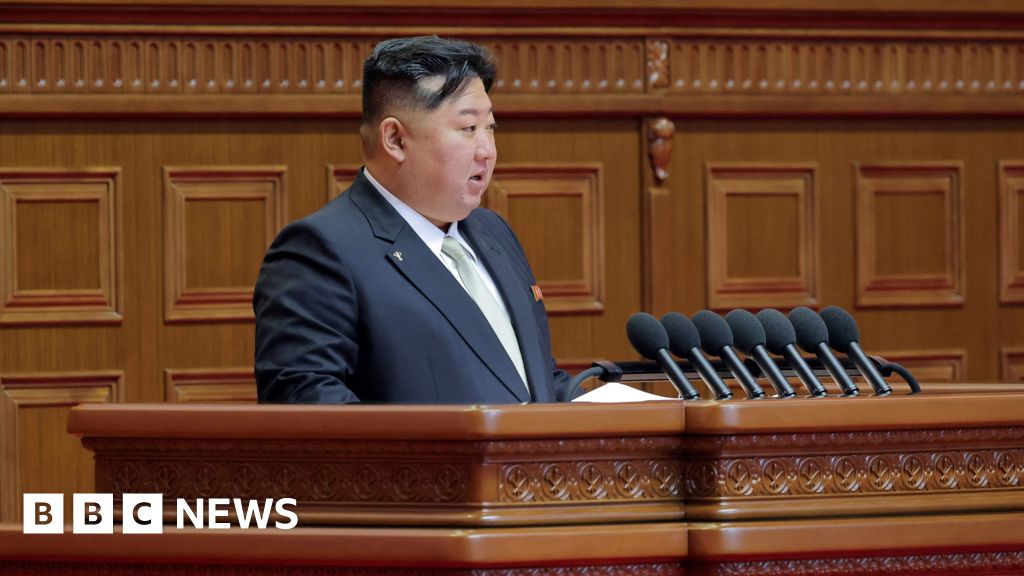
Kim Jong Un stays in power, leading North Korea’s ruling party once again

Kim Family’s Enduring Grip Continues Amidst Surrounding Global Uncertainty

The recent declaration by North Korea’s ruling party congress has reaffirmed the unwavering authority of the Kim family dynasty, a political reality that has persisted since the 1940s. While this reaffirmation may seem predictable to observers familiar with the regime’s history, the international community cannot dismiss the significance of this repeated consolidations of power in the context of an increasingly unpredictable geopolitical landscape. The Kim family’s control over North Korea’s political, military, and economic spheres remains a central factor shaping regional stability and global security dynamics.

Although the Kim regime’s leadership continuity is often seen as a static feature, analysts emphasize its underlying implications for regional deterrence and diplomatic engagement. The party congress, held amidst rising tensions and a shifting international order, signals that Pyongyang is prepared to maintain its stance of strategic ambiguity alongside its pursuit of nuclear advancements. This decision comes at a delicate juncture, with geopolitical shifts in Asia and beyond threatening to reshape alliances and conflict zones. Historically, the Kim family’s unwavering grip, despite economic sanctions and international pressure, demonstrates their focus on regime preservation over domestic reform—an approach that ensures North Korea’s position as a nuclear-armed state at the heart of East Asian security calculations.

The international repercussions of this reaffirmed control are profound. Countries such as South Korea, Japan, and the United States assess North Korea’s trajectory based on its internal consolidations of power. In particular, U.S. policymakers and global security analysts warn of potential escalations resulting from the Kim regime’s continued military modernization, which they increasingly perceive as a threat to regional stability. Meanwhile, China and Russia remain cautious, balancing their strategic interests—diplomatically supporting Pyongyang’s sovereignty while emphasizing the need for stability along their borders. These dynamics underscore how a regime firm in its authority can influence trade, security pacts, and diplomatic negotiations, often at the expense of cooperation and peace.

Historically, the Kim dynasty’s resilience underscores the importance of understanding where power lies in North Korea—beyond superficial leadership changes, it is the deep-rooted political machinery that sustains their rule. As noted by geopolitics scholars, such as Prof. Michael Kelly at the University of London, decisions made within the party congress serve as a powerful signal that Pyongyang intends to persist on its chosen path—a path defined by self-reliance and strategic defiance. This determination effectively sends a warning to the world: stability in East Asia remains fragile, held in the balance by a regime that refuses to relinquish its grip on power regardless of external pressures.

Ultimately, the enduring control of the Kim family over North Korea is a narrative that continues to unfold amidst a fraught and unpredictable world stage. The decisions made today—beneath the surface of orchestrated congress speeches—are shaping the future of peace and conflict across a region where history’s shadows loom large. As the global community watches with cautious trepidation, the late 20th-century lessons of resilience meet the urgent demands of a 21st-century geopolitics—reminding us that history’s true power lies in its capacity to shape tomorrow’s uncertain frontier.
North Korea’s ‘paradise on Earth’ nightmare resurfaces in Japan

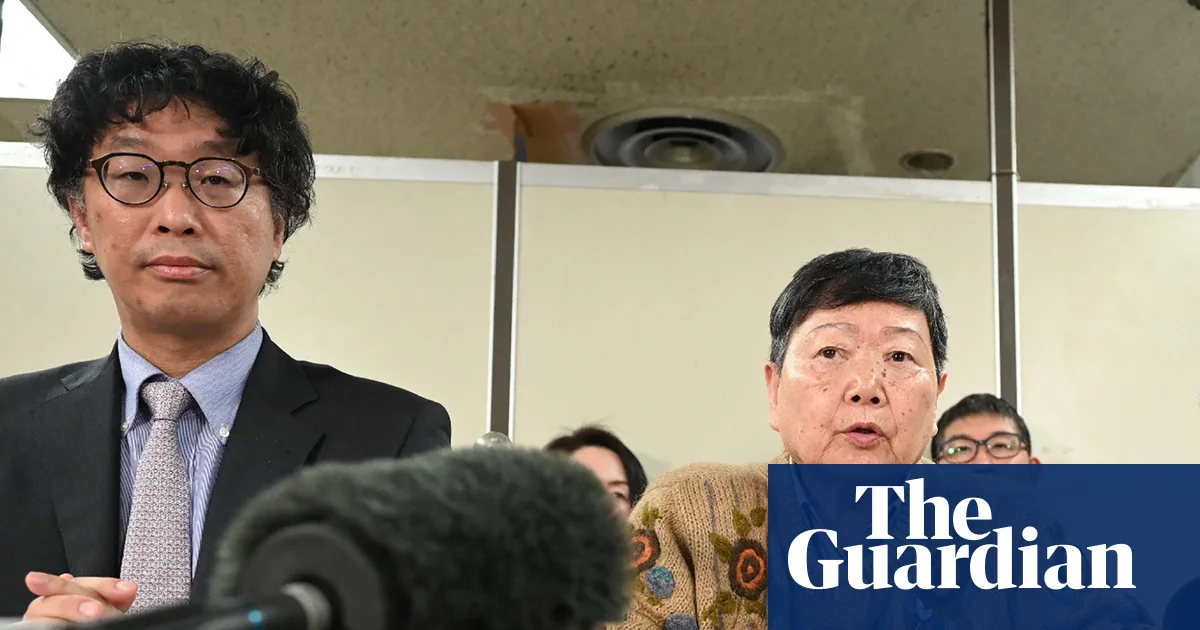
More than six decades after Japan and North Korea became entangled in a story marked by deception and suffering, a landmark legal victory underscores the persistent imperfections of international justice and the ongoing repercussions of authoritarian regimes. The case involves survivors of a North Korean program that lured ethnic Koreans from Japan with false promises of prosperity and protection. Many, like Eiko Kawasaki, endured forced labor, denied basic rights, and faced family separation—reminiscent of the brutal history of colonial exploitation and modern state-sponsored human rights abuses. The recent court order in Tokyo for North Korea to compensate four escapees with a combined sum of at least 80 million yen (roughly £375,000) signals a rare assertion of sovereignty and accountability in a geopolitical landscape marred by silence and impunity.

This ruling is a significant, if symbolic, crack in the wall of North Korea’s international isolation and a warning of the shifting balances of power. Assessments by international organizations, including Human Rights Watch and renowned analysts, suggest that despite Pyongyang’s declared ambitions for a “socialist paradise,” the regime’s true operation is rooted in exploitation and survival through repression. It is noteworthy that the Japanese government, along with nongovernmental entities like the Red Cross, distanced themselves from the lawsuit’s financial demands, hinting at the complex diplomatic dance that often shields regimes from full accountability. Yet, the court’s decision, hailed as a historic exercise of sovereignty, firmly places North Korea on the international stage as culpable for practices akin to a form of corporate kidnapping—an echo of its once colonial past and a reminder of the regime’s ongoing brutality against its own people.

Historical context reveals that hundreds of thousands of Koreans—both in Japan and in North Korea—have endured similar hardships rooted in geopolitical manipulation. The regime’s incentivization strategies, backed by the now-defunct Japanese government, aimed to attract ethnic Koreans for labor purposes, often under the guise of providing a better life. The deception unraveled rapidly for Kawasaki, who after decades of forced servitude, defected in 2003, only to be haunted by the fate of her remaining family behind the sealed borders of North Korea. This real-life saga embodies broader concerns about how decisions made in distant capitals ripple through societies and histories, shaping destinies and deepening the cycle of suffering.

This development signals a broader geopolitical impact that resonates far beyond Japan and North Korea. It signifies a shift towards greater legal accountability and international scrutiny of North Korea’s human rights abuses, potentially inspiring other victims to seek justice. Meanwhile, critics warn that Pyongyang’s regime may ignore the court’s rulings altogether, continuing its practices of secrecy and repression. As analysts like Atsushi Shiraki and international bodies observe, this case hints at the evolving landscape of international law and the limits—and possibilities—of holding authoritarian regimes accountable in an increasingly interconnected world. One can only wonder: as history’s pen records these turning points, what future stories of resistance and justice might yet unfold in the shadows of Pyongyang’s cold steel gates?

South Korea’s beloved TV dad passes away at 91—legacy of family values endures

The Passing of an Icon and Its Broader Cultural Significance

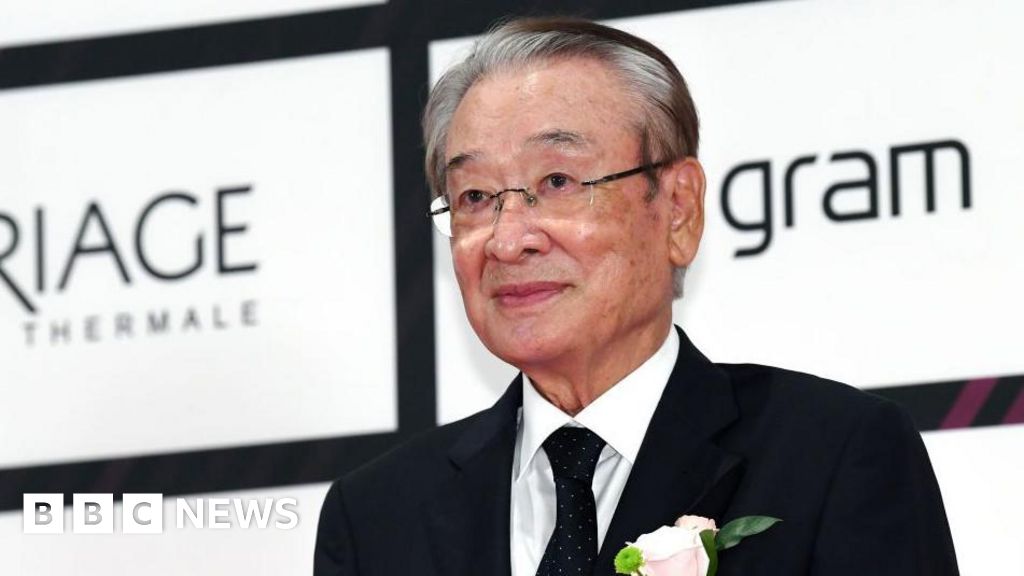
The recent death of South Korean actor Lee Soon-jae at age 91 marks not only the end of an era in entertainment but also underscores the cultural clout of Korean wave (Hallyu) as a significant soft power in the global geopolitical landscape. Lee’s career, spanning over seven decades, positioned him as a universal figure whose influence extended beyond South Korea’s borders, embodying a cultural bridge that has helped shape perceptions of the nation on the world stage. His roles in television classics like High Kick! and in acclaimed films fostered a sense of shared identity among Korean youth and diaspora communities alike. As analysts from the International Institute for Cultural Diplomacy note, figures like Lee serve as cultural ambassadors, contributing to the positive diplomatic image of South Korea amidst the fierce regional competition for influence.

How Cultural Diplomacy Intersects with Geopolitical Strategy

  • The rise of South Korean popular culture has been a deliberate facet of global soft power strategy by the South Korean government, aiming to elevate national prestige and economic strength.
  • Leaders such as President Yoon Suk-yeol have explicitly linked entertainment exports to security policy, recognizing the importance of cultural influence in shaping international alliances and alliances formations.
  • Meanwhile, institutions like the United Nations have called on countries to leverage cultural assets for peacebuilding, but critics argue that cultural influence alone cannot mitigate underlying geopolitical disputes, particularly in the East Asian region where territorial tensions persist.

Such decisions are set against the backdrop of ongoing regional conflicts—notably, the Uighur crisis in China and the escalating militarization of the Korean Peninsula. Historians like Dr. Samuel Parks suggest that the cultural sphere serves as a strategic battleground, shaping narratives and perceptions. While South Korea’s cultural exports, including K-pop, TV dramas, and revered actors like Lee Soon-jae, foster unity and national pride domestically, their role in international diplomacy is double-edged. These cultural symbols are increasingly leveraged in hard power strategies to counterbalance China’s expanding influence and to Visegrad the United States’ regional interests, particularly in navigating the complex geopolitics of the Indo-Pacific corridor.

The Impact on Society and the Future Trajectory

However, the death of such a towering figure also sparks reflection on the fragile nature of cultural influence amid volatile geopolitical currents. South Korea’s ability to sustain its cultural ascendancy depends on continuous innovation and strategic diplomacy, as emphasized by international security analysts. The legacy of Lee Soon-jae, who remained active well into his nineties, exemplifies the endurance and depth that cultural figures can offer in fostering societal resilience and national identity. Yet, as the geopolitical landscape shifts with U.S.-China tensions and ongoing territorial disputes, the question remains whether cultural influence can translate into tangible security guarantees.

Just as Lee Soon-jae’s career conveyed warmth and familiarity, the broader process of nation-states maneuvering through international tensions often hinges on storytelling—narratives crafted by leaders, media, and cultural icons that shape global perceptions. With history witnessing a rising tide of powerful alliances and rivalries, the words of seasoned analysts echo with gravitas: the pages of history are still being written, and the world watches with bated breath as this complex story unfurls, leaving a legacy that will influence generations to come.

Social Media Auto Publish Powered By : XYZScripts.com



