Matox News

Truth Over Trends, always!

Poole School Clamps Down on KPop Demon Hunters Songs, Limiting Youth Voice

Societal Tensions Collapse into Schoolyard Politics as Cultural Shifts Trigger Debate

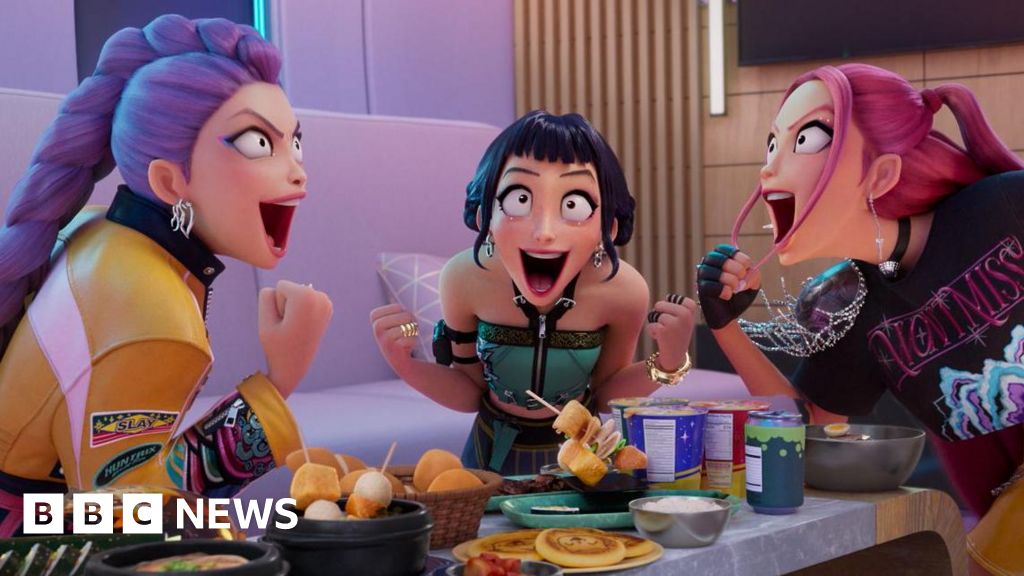
In the quaint town of Poole, Dorset, a recent controversy at Lilliput Church of England Infant School has exposed the deep fissures that can arise within communities grappling with changing social norms. The school’s decision to ban a popular song from the Netflix animated film KPop Demon Hunters—citing concerns about its “Christian ethos”—has ignited a broader debate over how cultural shifts and demonic imagery influence the moral fabric of our youth. This incident exemplifies a societal struggle: balancing the zeal to protect traditional values while fostering an inclusive environment and recognizing that social issues extend far beyond the classroom.

At the core of this controversy is a clash of moral perceptions and generational values. The school asserted that references to demons and themes of temptation, embedded in the film’s narration and songs, pose a moral challenge for some community members. According to acting head teacher Lloyd Allington, the decision was motivated by a desire to support families who find such themes “challenging.” This response reflects an ongoing societal trend where moral anxieties—particularly those rooted in religious doctrines—shape educational content and community activities. Sociologists like Dr. James Davison Hunter have noted that in these moments, society often reverts to moral absolutism as a mechanism for social cohesion, particularly when confronting rapid demographic and cultural changes.

However, critics highlight that such protective reactions can inadvertently harm the social cohesion and mental wellbeing of young learners. One parent argued that “my daughter is very into K-pop and her friends love the music,” emphasizing the importance of children experiencing diverse cultural expressions. The conflict here underscores a fundamental issue: how to cultivate resilience and critical thinking among youth without succumbing to fear-based censorship. Educational experts warn that overprotecting children from media representations can limit their capacity to navigate complex moral landscapes, especially when such representations reflect contemporary societal issues like identity, temptation, and moral ambiguity.

  • Rising concerns over the impact of media with darker themes on young minds.
  • Community debates over the influence of popular culture and moral standards.
  • Educational institutions struggling to find a balance between safeguarding values and promoting open-mindedness.
  • Calls for fostering dialogue on diversity of beliefs within increasingly multicultural societies.

Reflecting this societal tension, social commentators like philosopher Dr. Michael Sandel argue that the challenge for modern communities lies in fostering spaces where “conflicting moral views can collide without fracturing the social fabric.” The incident at Lilliput School underscores the importance of promoting understanding and respect for differing beliefs—whether they stem from faith, culture, or personal experience. While some fear that exposure to darker themes might corrupt innocence, others see it as an essential part of education, cultivating morally aware, culturally literate citizens. As society navigates these turbulent waters, the hope remains that through open dialogue and mutual respect, communities can move toward a future where young minds are empowered to question, reflect, and ultimately forge their own moral compass.

In the end, society’s greatest challenge is not merely in policing the content children consume, but in planting seeds of moral resilience and empathy. Just as a fertile land requires nourishing soil, our communities need to nurture conversations rooted in understanding rather than fear. Society stands on the cusp of a transformation—one in which tradition and progress may coexist, offering a vision of hope where the youngest generation navigates complexity with courage and clarity. For in these moments of cultural clash, there lies an opportunity for society to reimagine the moral landscape—an enduring testament to the resilience of community, faith, and the indomitable spirit of youthful enquiry.

K-Pop Star Nana Defends Home from Intruder, Showing True Strength

South Korea’s Domestic Security Crisis: More Than Just a Celebrity Incident

The recent incident involving South Korean singer and actress Nana (Im Jin-ah), who famously rose to fame with the K-pop girl group After School, highlights a troubling trend within the country’s internal security landscape. According to local media reports, Nana and her mother successfully subdued an intruder in their residence, preventing what could have been a tragic outcome. The assailant, reportedly armed and demanding money, was detained on charges of aggravated robbery. This violent breach, occurring in the relatively peaceful city of Guri, underscores a broader issue: the erosion of safety and order even in jurisdictions generally considered safe. Such events raise questions about the stability of societal trust, and the effectiveness of local law enforcement strategies amid rising concerns about public security.

Implications for South Korea’s Internal Stability and International Reputation

This incident’s significance transcends the personal victory of Nana and her mother; it signals potential cracks in South Korea‘s societal fabric. As one of Asia’s most technologically advanced and economically vibrant nations, South Korea has historically maintained a reputation for impressive public order and security. However, the growing prevalence of such violent home invasions, bolstered by the global rise in cyber and real-world crimes, poses a challenge to that image. International analysts, such as those from the Heritage Foundation and the Asian Development Bank, warn that rising criminal activity could diminish confidence in Korea’s social cohesion. Ultimately, this could impact foreign investment, tourism, and diplomatic relations — especially as the world watches how well this dynamic society manages internal turbulence.

Global Patterns and the Shift in Security Paradigms

Experts like historian Samuel Huntington caution that the stability of a nation is often tested by its ability to adapt to rapid social and technological change. In the context of South Korea, the incident involving Nana echoes broader regional concerns, as neighboring Japan and China navigate their own domestic stability amid economic shifts and geopolitical tensions. The incident also underlines the importance of international cooperation on law enforcement and security matters, especially given the transnational nature of crime today. As global institutions like the United Nations emphasize, coordinated efforts are essential in combatting the rise of organized crime and ensuring that law and order are preserved without sacrificing individual freedoms.

In this unfolding narrative, the safety of a single celebrity becomes a microcosm for larger societal vulnerabilities. The security of families, the integrity of the rule of law, and the resilience of social cohesion are stakes that extend well beyond South Korea’s borders. As history continues to unfold, nations worldwide must grapple with the challenge of balancing progress with the imperative to maintain order. For now, the world watches as this story — like many others — remains a reminder that, in a rapidly shifting geopolitical landscape, the true battleground is often within the very fabric of society itself.

K-pop group fails to win legal fight against agency, raising questions about artists' rights
K-pop group fails to win legal fight against agency, raising questions about artists’ rights

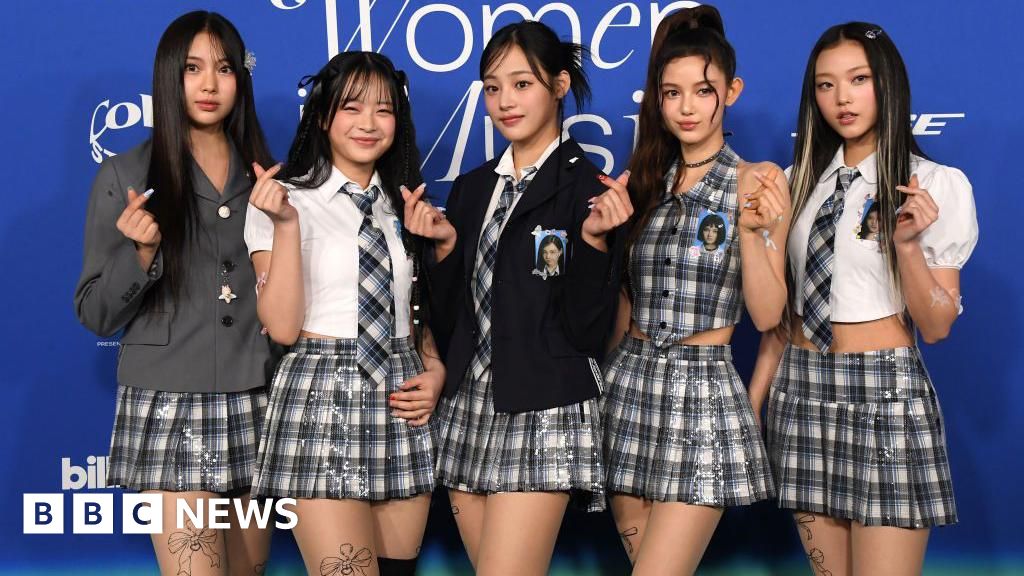
The recent legal confrontation involving South Korean K-pop sensation NewJeans and their agency, Ador, has sent ripples through the global entertainment landscape, spotlighting the underlying power dynamics within South Korea’s burgeoning cultural export. The notorious court decision, which upheld the validity of the group’s contractual commitments until 2029, underscores a broader trend of entrenched corporate control over artists that raises questions about the autonomy of creative talents in modern geopolitics and economics.

In a move that defies the normative expectations of artist-initiated rebellion, the Seoul Central District Court dismissed the group’s plea for contract termination, emphasizing the legal binding nature of their agreement. The dispute emerged amid allegations of mistreatment and manipulation by the agency, a scenario that echoes narratives from other big markets where corporate giants—such as America’s Hollywood or Japan’s idol businesses—hold disproportionate sway over their talents. Yet, what makes this case extraordinary is its potential to influence how nations strategize cultural diplomacy and the international community perceives Asian entertainment industries as geopolitical tools.

Analysts note that Hybe, South Korea’s largest entertainment conglomerate, operates not merely as a label, but as a soft power behemoth, shaping not only music charts but also international perceptions of Korea’s cultural economy. The case reveals a complex web of influence extending beyond the stage, affecting how governments and trade partners approach intellectual property rights and artist protections. The international community, including organizations like UNESCO and WIPO, is increasingly scrutinizing such disputes, recognizing their impact on cultural stewardship and legal sovereignty.

Furthermore, the fallout from this legal battle extends well beyond South Korea’s borders. The burgeoning global influence of K-pop—despite its cultural allure—faces challenges from internal power struggles that threaten to undermine its soft power agenda. This incident, with new Jeans asserting their desire to break free from entrenched corporate control, potentially signals a shift—a desire among young artists worldwide to assert their independence in an industry historically rooted in hierarchical, top-down directives. The international community watches intently as these developments unfold, understanding that these disputes reflect broader societal tensions over **autonomy, fairness, and the global governance of cultural industries**.

As the legal proceedings continue and NewJeans plans to appeal the court’s decision, history remains at a critical juncture. The story of this talented group and their battle against corporate giants echoes an enduring narrative: the struggle for autonomy against an overbearing system. This is a decisive moment in which the world’s eyes are drawn to how nations will adapt their geopolitical strategies to harness or curb the influence of cultural juggernauts. The outcome will not only shape the future of South Korea’s entertainment industry but also serve as a benchmark for how societies everywhere can balance the allure of soft power with the protection of individual rights—an ongoing saga that continues to unfold amidst the relentless march of history’s tide.

Social Media Auto Publish Powered By : XYZScripts.com