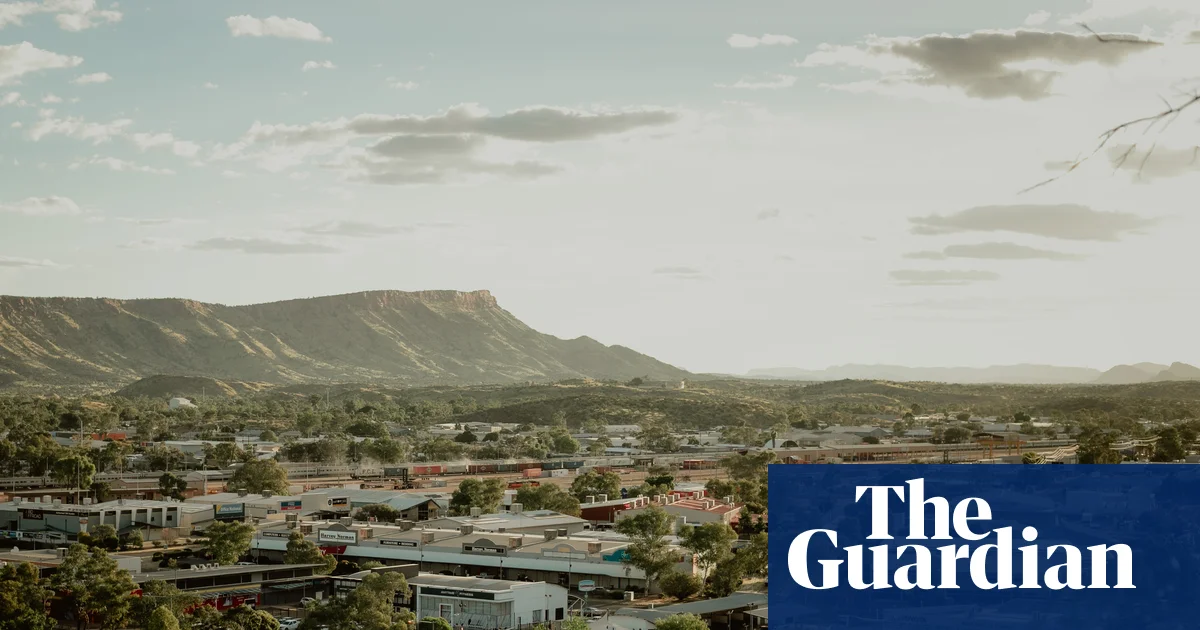

The recent case emerging from Australia’s Northern Territory underscores a troubling intersection of local societal issues with broader geopolitical concerns about Indigenous communities and justice. The brutal murder of five-year-old Kumanjayi Little Baby has shocked the nation, prompting intense media coverage and public outcry. In this tragic incident, police have formally charged Jefferson Lewis, 47, with her murder after her body was discovered following days of a widespread search. The girl’s disappearance from her family’s camp near Alice Springs is a stark reminder of ongoing challenges faced by Indigenous Australians, particularly in remote areas where social disparities and systemic neglect are prominent.
This case has broad implications that extend into international discussions about Indigenous rights and justice. Analysts have pointed out that incidents like these often heighten pressures on the government to address longstanding issues of poverty, violence, and marginalization within Indigenous communities. While local law enforcement works through the tragedy’s legal ramifications, international organizations such as the United Nations highlight the importance of culturally sensitive approaches in addressing crimes involving Indigenous populations. Indeed, Kumanjayi Little Baby’s name is now used in line with her family’s cultural traditions, underscoring the profound respect for her memory and the urgent necessity for change. The tragic loss raises urgent questions about effective intervention strategies and the responsibilities of authorities in protecting vulnerable children in isolated territories.
- The girl was last seen alive at 11:30 pm, and her disappearance was confirmed when her family checked on her two hours later.
- Volunteer efforts, supported by hundreds of community members, spanned five days before her body was found, illustrating both resilience and the failures of current safeguards.
- Lewis’s arrest and remand highlight ongoing challenges within the justice system regarding accountability and cultural sensitivities.
From a geopolitical perspective, this incident emphasizes how internal security and social issues in nations like Australia serve as microcosms of larger global struggles—where marginalized groups demand justice and recognition amidst political neglect. The case catalyzes international debate around Indigenous sovereignty, systemic reform, and the delicate balance between state authority and cultural respect. Many analysts point to the importance of reforming policies that address root causes of violence and neglect in remote areas, arguing that local tragedies often mirror gaps in national and international policy. Meanwhile, historians and human rights observers warn that ignoring these issues risks further alienating Indigenous peoples and exacerbating social divisions.
As the trial of Jefferson Lewis advances in Darwin, the eyes of the world remain fixed on this unfolding tragedy. The story of Kumanjayi Little Baby, once a name known only to her family, now echoes across continents, symbolizing the urgent need for systemic change and true justice. Yet, behind every court hearing and police statement lies a haunting question: How many more children will suffer before the international community and local governments unite to forge meaningful solutions? The fate of this young girl, and countless others like her, continues to frame a stark narrative—one where history’s pen writes the enduring story of societal failings, and the future hinges on whether humanity responds with decisive action or turns a blind eye, leaving the echoes of tragedy to reverberate through generations to come.