Matox News

Truth Over Trends, always!

Hungary to Expel Ukrainian Bank Employees Amid Escalating Tensions with Kyiv

In a development that threatens to reshape regional stability, Hungary has announced the detention of several workers on suspicion of involvement in a large-scale money laundering scheme. This move comes amid a rapidly escalating diplomatic dispute, with the Hungarian government asserting that the accusations are both credible and deserving of stern action, while critics suggest the situation may be entangled in broader geopolitical tensions.

The situation has ignited a fierce row between Hungary and the country or countries implicated in the allegations, with the Hungarian authorities asserting that the detained individuals were linked to organized crime networks operating across national borders. This stance reflects a broader pattern of Hungary adopting a stringent approach to illegal financial activities, a stance often justified as a safeguard for national sovereignty and economic security. However, the timing and framing of the arrests have fueled suspicions of political motivations, especially as international actors weigh their responses.

The international community, including organizations such as the European Union and the United States, is closely watching the unfolding crisis. Analysts from institutions like the International Monetary Fund warn that unchecked corruption and criminal enterprise in Hungary could threaten the financial stability of the entire region. Meanwhile, some observers argue that this incident signals a deeper geopolitical pivot, with Hungary asserting its independence amidst growing influence from Russia and China. The sharp rhetoric and arrests represent not just a fight against crime but also a symbolic assertion of national sovereignty in an era of competing global powers.

Historian and geopolitical analyst Dr. Mark Reynolds emphasizes that such internal security measures often serve as a reflection of larger strategic shifts. “This is a pivotal moment—these actions are more than just law enforcement,” he notes. “They are about how nations perceive threats to their sovereignty and economic stability in a world where international alliances are in flux.” As the European Union demands transparency and accountability, Hungary’s stance can be seen as a broader assertion of its sovereignty, often in defiance of what it perceives as external interference. The consequences of this confrontation could extend far beyond the immediate criminal case, potentially impacting Hungary’s European integration and its position within NATO.

As the world watches, the unfolding crisis underscores the fragile balance of international power. The detained workers, the diplomatic fallout, and the geopolitical accusations are more than just headlines—they are part of a complex web of influence and resistance. The decisions made today will shape not only Hungary’s internal policies but also the broader geopolitical landscape, reminding all nations that the struggle over sovereignty, influence, and security remains the defining challenge of our era. The story is still being written, and the pages ahead will determine whether this clash signals a new chapter of cooperation or a deeper fracture in the global order—an enduring echo of history’s ongoing battle for dominance and independence.
Ukraine-Russia Talks Underway in Abu Dhabi After Devastating Kyiv Strikes

Amidst ongoing geopolitical tensions, Ukraine and Russia are once again at the forefront of international concern as they prepare for their second round of peace talks in Abu Dhabi, brokered by the Trump administration. These negotiations come after a series of devastating events, including Russia’s recent large-scale missile and drone attacks on Ukrainian energy infrastructure, which have severely impacted life in Kyiv and beyond. President Volodymyr Zelenskyy condemned Moscow’s attack, describing it as a “massive” and “deliberate” assault involving a record number of 71 ballistic missiles and 450 drones aimed at crippling energy supplies during the brutal winter. Such actions underscore the persistent lack of seriousness about peace that international leaders point out, emphasizing the fragile state of diplomacy and the danger of escalation.

International responses remain sharply divided. While President Donald Trump has dismissed Moscow’s recent strikes as not breaching Russia’s commitment to cease attacks on Ukrainian infrastructure, NATO’s Secretary Mark Rutte dismissively labeled the actions as a “signal of serious intent” against peace. This divergence reveals a geopolitical landscape marred by conflicting narratives and strategic interests. Analysts warn that ongoing hostilities and the apparent rejection of peace signals by key actors threaten to entrench the conflict, risking a protracted war with profound global repercussions. Furthermore, a comprehensive military response plan has been discussed among Ukrainian, European, and American officials, stipulating that repeated breaches of ceasefire agreements by Russia could trigger a coordinated US-Europe military escalation. This development signals a clear posture of deterrence, but it also raises the specter of a wider regional or even global conflict should diplomacy continue to falter.

Compounding the crisis, the impending expiration of the New Start treaty between the United States and Russia on Thursday marks a dark chapter in the ongoing nuclear arms race. As Julian Borger reports, this treaty’s dissolution will remove the last remaining mutual limits on the world’s two largest nuclear arsenals, escalating fears of an irreversible slide towards nuclear confrontation. International organizations and nuclear non-proliferation experts warn that the loss of these constraints could usher in a new era of destabilization, fundamentally altering the global strategic balance. The geopolitical impact of such a move cannot be overstated; it signals a potential to set back decades of efforts towards arms control and arms reduction, and, more ominously, it raises the risk of miscalculation on both sides in an already volatile environment.

This unfolding scene of renewed violence, diplomatic deadlock, and nuclear uncertainty underscores a historic turning point. As historians and international security analysts debate whether we are witnessing the rebirth of Cold War-era tensions or the escalation of a new, more dangerous phase, the weight of history presses heavily on this generation. The decisions made now will determine the future of global stability, sovereignty, and peace. The world watches, perched on the precipice of a potentially transformative era—one where diplomacy hangs by a thread, and the echoes of past conflicts warn us of the delicate balance we are perilously poised to lose. The unfolding narrative remains unwritten, but its consequences are indelibly etched into the fabric of history, waiting to be shaped by the actions and choices of those at the helm.

Ukraine War Updates: Macron denies warning Kyiv of US betrayal—what’s really going on?

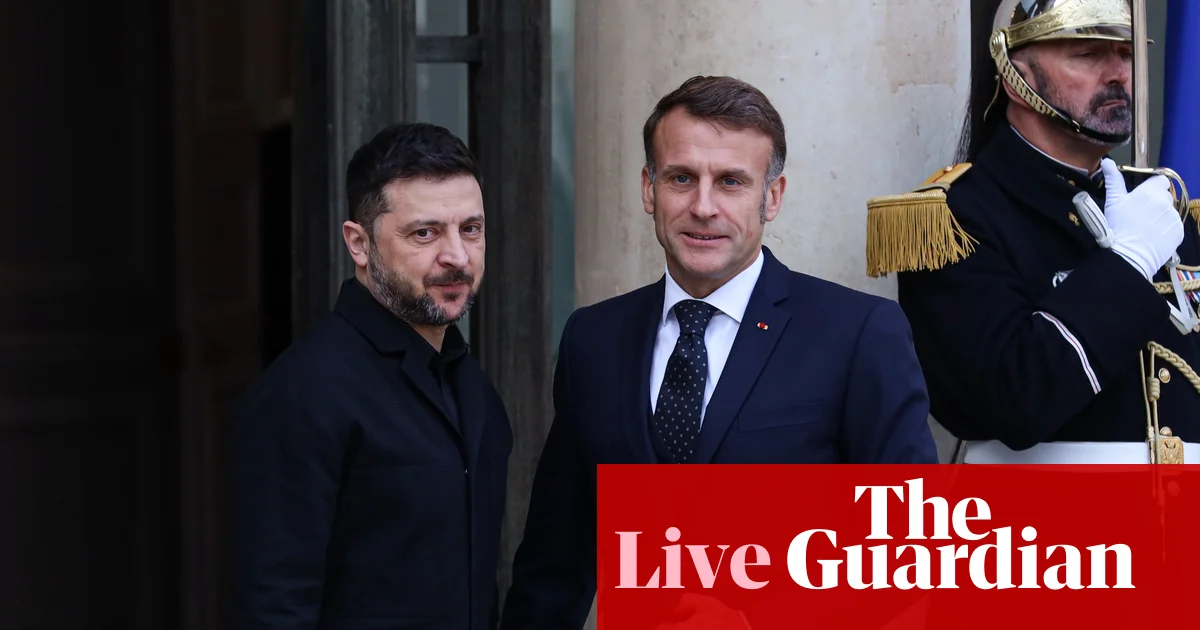
In a world vigilantly watching the shifting tapestry of international power, recent developments reveal a landscape fraught with tension and strategic recalibration. France’s President Emmanuel Macron has publicly dismissed reports suggesting he warned of possible US betrayal in the ongoing support for Ukraine. During a diplomatic visit to China, Macron emphasized that unity between Europe and the United States is crucial for sustaining Ukraine’s defense efforts. Yet, behind closed doors, reports from German Spiegel have surfaced, citing confidential conversations where European leaders voiced skepticism of US-mediated peace negotiations with Russia. Such discrepancies signal a brewing rift within Western alliances—an echo of doubts that could fracture the unified front in Europe’s most pivotal geopolitical challenge in decades.

Meanwhile, Germany’s parliament has approved a controversial new military service law to bolster its armed forces amid increasing Russian aggression. The legislation sets ambitious targets, aiming to expand military personnel to 260,000 active soldiers by 2035—an unmistakable message that Western capitals are preparing for a protracted confrontation. On the eastern front, Russia has assertively captured the village of Bezimiane in Donetsk, declaring control over 85% of the region. President Vladimir Putin has dismissed any prospects of compromise, insisting that Ukrainian troops either surrender or face violent annexation. Such stark declarations underscore Putin’s resolve to reclaim disputed territories by force, turning the conflict into a brutal struggle for what remains of Ukraine’s eastern lands, which Moscow considers vital.

The geopolitical ripple effects are profoundly felt beyond Ukraine’s borders. India and Russia have strengthened their alliance, with Putin reaffirming continued energy exports and expanding trade beyond oil and defense—a clear signal to the West amid increasing sanctions and diplomatic marginalization. Conversely, Western efforts are focused on a fragile attempt to aid Ukraine financially, exemplified by Sweden‘s decision to prioritize direct support, pledging over $1 billion in aid to Ukraine while cutting development aid to other nations. These shifts reveal a multipolar world where alliances are tested, and strategic interests clash over whether to support Kiev or pursue accelerated regional alliances that could shift the balance of global power.

Above all, the cascading consequences of these decisions reveal a pivotal climax in the unfolding drama of geopolitics. As Vladimir Putin presses his territorial ambitions, and European nations grapple with internal political debates and external threats, history bears witness to a period of profound instability. The diplomatic stratagems, military mobilizations, and shifting alliances are not merely fleeting news but chapters in an ongoing saga—each move sowing seeds that will determine the course of history. The world stands at the crossroads, where the choices of today will echo into the future, leaving us all to ponder the legacy of this turbulent era: a moment when the balance between peace and conflict teeters on a razor’s edge, and the weight of history continues to unfold.

US military in Kyiv amid Europe’s warning on Russia’s peace proposal

International Power Struggles Intensify Amid Ukraine Crisis

The United States has dispatched its most senior military officials to Ukraine in what appears to be a significant escalation in diplomatic efforts. Senior Pentagon officials, including Army Secretary Dan Driscoll and top military commanders, arrived in Kyiv amidst reports of behind-the-scenes negotiations aiming to broker a peace plan. This unprecedented visit underscores a rising geopolitical contest involving Washington, Moscow, and Kyiv, with the stakes extending far beyond Ukraine’s borders. Analysts emphasize that the presence of such high-ranking officials signals a deliberate attempt by the US to influence the course of the conflict, potentially shaping future borders and alliances in Eastern Europe.

Meanwhile, reports have surfaced of a clandestine draft 28-point plan crafted jointly by American and Russian intermediaries. Details suggest this proposal would require Kyiv to cede territories in the Donbas region, dramatically reduce its armed forces, and relinquish some military capabilities—a series of concessions that Ukrainian President Zelensky and his government have categorically rejected. Experts, including seasoned analysts from international think tanks, warn that such concessions could merely serve as a prelude to Moscow’s broader strategic aims—eroding Ukrainian sovereignty and reasserting Russian dominance in the region. The absence of formal participation from EU officials in these negotiations raises fears that the proposed framework might be significantly skewed in favor of Moscow, further destabilizing the fragile balance of power in Europe.

The European Union, worried about the potential erosion of Ukraine’s sovereignty, has voiced stern warnings. EU foreign policy chief Kaja Kallas emphasized that any lasting peace must involve Ukrainian consensus and European backing, dismissing the notion that Kyiv should accept capitulation. Concurrently, French Foreign Minister Jean-Noël Barrot reiterated the unwavering stance that Ukraine “does not want any form of capitulation.” This resistance highlights the broader geopolitical impact: a divided Western stance on how best to support Ukraine’s independence while avoiding outright capitulation to Russia’s demands. Meanwhile, Moscow continues to discredit talks, with Kremlin spokesman Dmitry Peskov denying that any formal negotiations are ongoing, though reports suggest secret meetings and backchannel talks are intensifying.

In the midst of diplomatic tension, Ukrainian cities remain under brutal attack. On Wednesday, Ternopil suffered a devastating missile and drone strike, killing at least 26 civilians and leaving many more missing. This ongoing assault underscores the high human cost of the conflict and raises questions about the real intentions behind these diplomatic maneuverings. While Kyiv’s leadership has firmly stated its refusal to surrender territory, the relentless violence illustrates that the war’s conclusion remains elusive. As President Zelensky observed from Turkey, the conflict’s humanity is being sacrificed on the altar of geopolitical power plays, and the world bears witness to a brutal chapter yet unresolved.

History’s pages are turning in Ukraine, with the trajectory of the conflict potentially steering the future of Europe and global order. As the US and Russia trace tentative pathways toward a resolution—with concessions that threaten to redefine sovereignty—the weight of this moment echoes through history. The choices made today could either restore peace or deepen the scars of a war that endures in the memories of a battered nation. As the shadows of history unfurl, the world stands at a precipice, watching with bated breath as the delicate balance of power teeters, and the fate of Ukraine hangs in the balance—untainted, unresolved, and waiting for the next chapter to be written.

Russia hits Kyiv with deadly strikes in new wave, officials warn

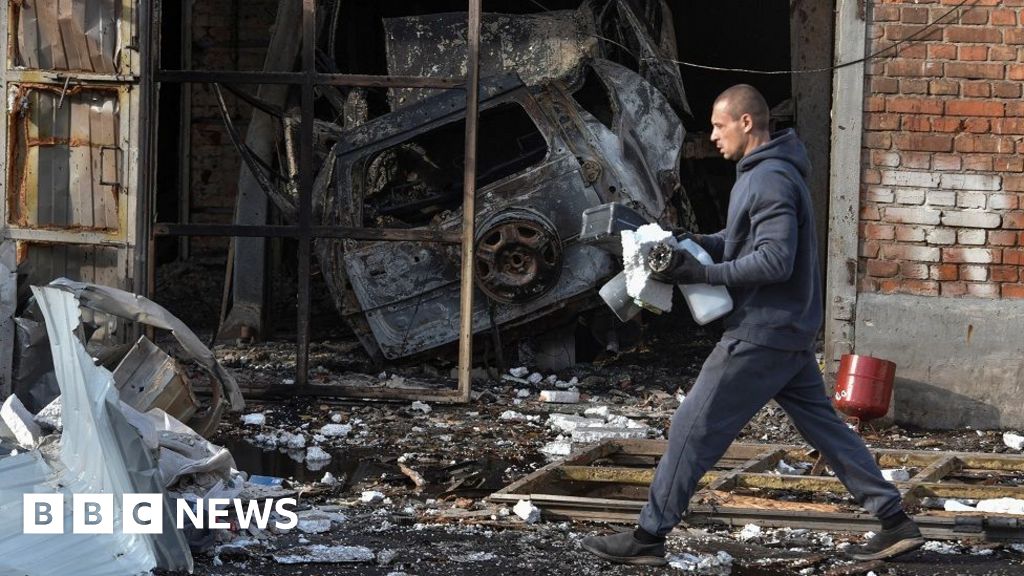
In a devastating escalation of the ongoing conflict in Ukraine, Kyiv has been battered by a wave of Russian drone and missile strikes, resulting in the deaths of three civilians and the injury of over 26 others. Kyiv’s mayor, Vitaliy Klitschko, described the attacks as “massive,” highlighting how residential neighborhoods, hospitals, and critical infrastructure have come under relentless assault. As explosions shook the city’s core, Kyiv’s energy infrastructure suffered severe damage, leaving parts of the city without heat—a bleak reminder of how war inflicts suffering beyond the battlefield. Emergency responders rescued dozens, including victims trapped beneath rubble, emphasizing the human toll of what Moscow claims are targeted military operations, but which Ukrainians see as deliberate acts of terror aimed at civilian populations.

While Russia asserts that its attacks aim to cripple Ukrainian military capabilities, Western analysts remain skeptical. The international community widely views this surge in airstrikes as a deliberate effort to destabilize Ukraine’s resilience—particularly by targeting energy networks that sustain civilian life and undermine morale. Ukrainian President Volodymyr Zelensky responded by demanding “no exceptions” to Western sanctions on Russian energy exports—an urgent call to weaken Russia’s economic backbone. This comes amidst a broader pattern of Moscow’s strategy: deploying drones and guided bombs to weaken Ukraine’s infrastructure, disrupt daily life, and garner pressure for negotiations on Moscow’s terms. Such tactics are reminiscent of a war of attrition where civilian suffering potentially serves as leverage, raising alarms about the broader geopolitical impact on regional stability.

The North Atlantic Treaty Organization (NATO), along with the United States, continues to monitor developments closely. NATO officials have condemned the recent strikes, emphasizing their support for Ukraine’s sovereignty and condemning Russia’s apparent escalation. The turning point came when the U.S., under President Donald Trump’s administration, initially imposed sanctions targeting Russian energy—yet, recent exemptions granted to Hungary reveal a nuanced and evolving geopolitical calculus. Analysts warn that Russia’s repeated targeting of energy infrastructure signifies an attempt to exhaust Ukraine’s civilian resilience and complicate Western efforts to sustain robust support. Additionally, Russia’s claims that these strikes are aimed at “military” targets are increasingly viewed as disingenuous, especially as civilians suffer the consequences.

Historically, conflicts of this nature have underscored a broader strategic contest—one where energy politics, alliances, and military might intersect with societal resilience. As the United Nations and international watchdogs issue warnings about escalating violence, the narrative is shifting toward a larger, more ominous story: a geopolitical chessboard where each strike and diplomatic move could have far-reaching consequences. The future of Ukraine, and indeed the stability of Europe, hangs in the balance, with each side trying to shape the narrative—while the echoes of destruction reverberate through history’s unfolding pages. As Kyiv’s skies burn and civilans endure, the world watches a relentless drama of power, endurance, and the high stakes of a war that threatens to redefine the global order—if not for today, then for generations to come.

Russia Targets All of Kyiv, Igniting Fires Across the City

Russian Escalation in Ukraine Sparks Global Concerns

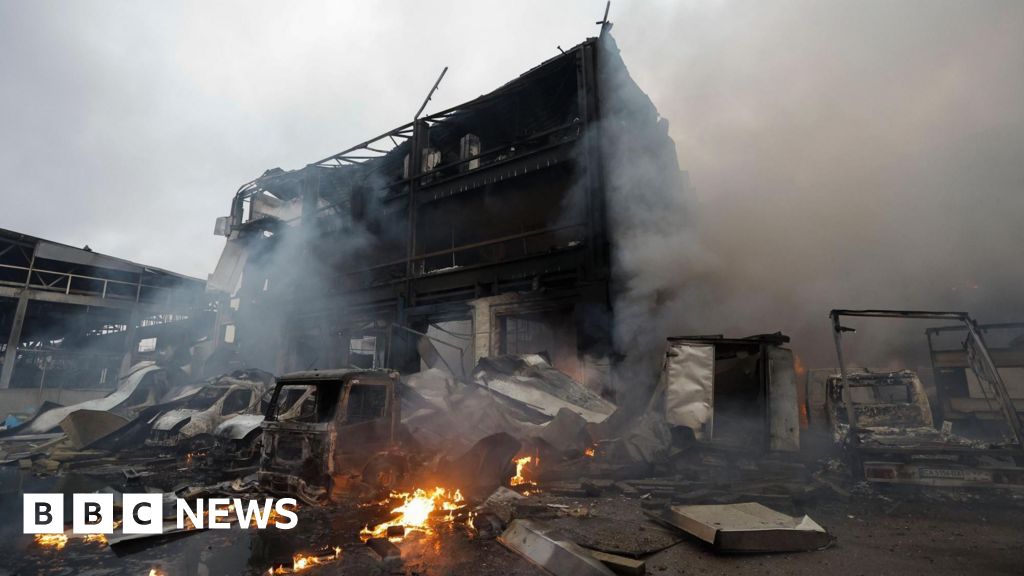
In what analysts are now describing as a conspicuous escalation of the ongoing conflict, Russia launched a massive combined attack on Kyiv early Friday, striking multiple districts across Ukraine’s capital. The assault, involving drones and missile systems, resulted in fires, destruction, and at least 11 casualties, including civilians and vulnerable populations such as a pregnant woman. City officials confirmed widespread damage to residential buildings and critical infrastructure, with emergency crews responding tirelessly to contain fires and evacuate the injured. The attack signifies a potentially decisive moment in the open conflict, signaling Moscow’s willingness to commit further resources to dismantle Ukraine’s resilience.

This offensive not only underscores the persistent renewal of hostilities but also highlights the fragile geopolitical stance of Western allies supporting Ukraine. Kyiv’s mayor Vitali Klitschko reported damage to the city’s heating system, power outages, and water disruptions—conditions that threaten to deepen the humanitarian crisis amid winter’s approach. Several districts, including Darnytskyi, Dniprovskyi, and Podilskyi, bore the brunt of the attack, with debris igniting fires and causing widespread destruction. Regional authorities also reported civilian injuries in the Kyiv region and damage to private homes, reinforcing the toll on everyday life amid ongoing military tensions.

International institutions, from the European Union to NATO, have expressed grave concern over the latest assault, warning of the broader geopolitical impact that extends well beyond Ukraine’s borders. The EU, still haunted by questions of Kyiv’s EU accession prospects, has sought to balance support for Ukraine with efforts to curb corruption—a major precondition for integration. European officials, as reported recently, continue to pledge aid, but the message is clear: the path toward stability remains hindered by persistent internal vulnerabilities and external threats. According to security analysts, this wave of attack might foreshadow a tipping point that could reshape regional alliances and accelerate NATO’s strategic positioning in Eastern Europe.

This brutal act of warfare, captured vividly in social media images of flames and rubble, portends a dangerous new chapter in the U.S.-Russia proxy struggle. Historians warn that such brutal tactics are reminiscent of Cold War brinkmanship, where the balance of power hinges on each audacious move. As international organizations monitor Kyiv’s response, the question remains: how will this escalation influence diplomatic negotiations, and what future does this fractured region face? Despite diplomatic overtures, the weight of history presses heavily; the destiny of Ukraine, its people, and indeed the stability of Europe, continues to hang in the balance, as the shadows of past conflicts stretch into an uncertain tomorrow.

Kyiv Hit by Russian Strikes, 3 Dead—Ukrainian Officials Warn of Escalating Threat

The ongoing conflict between Russia and Ukraine continues to ripple across the geopolitical landscape, with recent events underscoring the profound shifts in international stability and security. In Kyiv, the city lies haunted by the echoes of war, as Russian air strikes have claimed lives and damaged vital infrastructure. The Kyiv mayor Vitali Klitschko confirmed that three civilians fell victim to a Russian drone attack, destroying residential buildings and injuring dozens, including children. These strikes serve as a stark reminder of how the conflict is increasingly targeting civilian populations and urban centers, escalating fears of a protracted and devastating struggle.

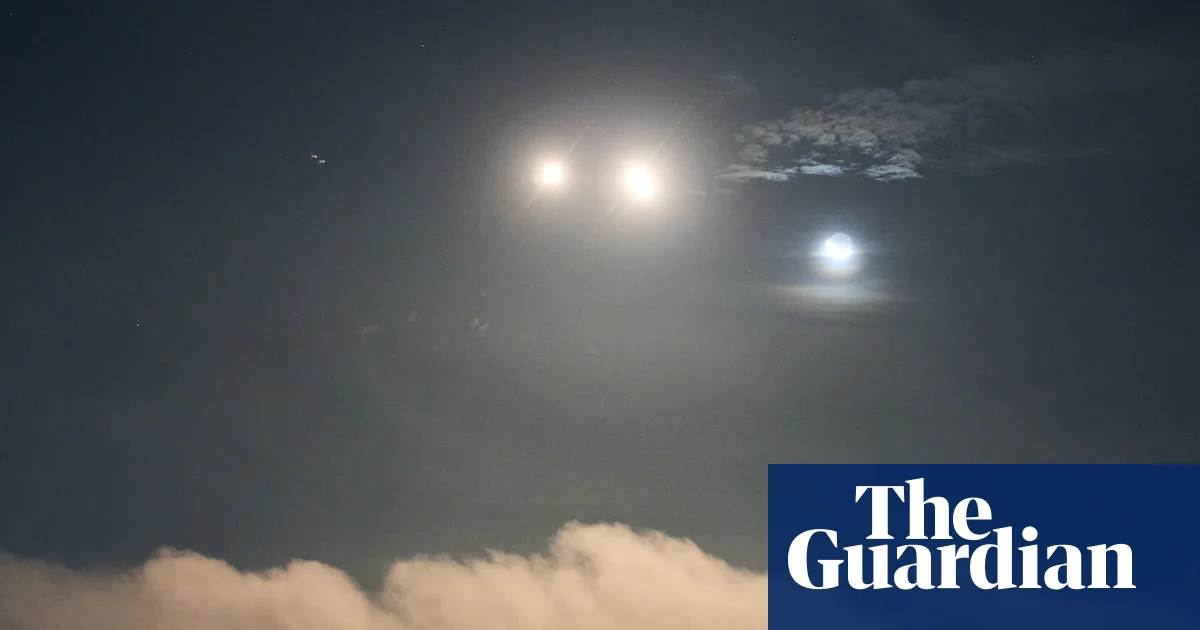
Meanwhile, tensions are flaring beyond Ukraine’s borders, as Moscow reports intercepting drones en route to its capital — an ominous sign of the conflict’s expanding theatre. Russian authorities claim to have destroyed two drones over Moscow, amid an intensified wave of drone and missile assaults targeting civilian infrastructure. This strategic escalation appears designed to threaten the heart of Russia’s own cities and demonstrate its resolve in confronting Western-backed Ukraine. Notably, Moscow has ramped up attacks on critical energy infrastructure and civilian targets, forewarning of a harsh winter where power shortages could deepen societal fractures within Russia, enflaming domestic unrest and challenging Putin’s grip on power.

What is particularly alarming is the evolving nuclear dimension in Moscow’s military posturing. Russia announced a test of an experimental nuclear-powered missile capable of potentially evading missile defenses, fueling fears of a new arms race and ushering in an era where nuclear threats are being openly tested as a geopolitical tool. Such developments have prompted international analysts, including the Stockholm-based Stockholm International Peace Research Institute, to warn of an erosion of strategic stability, with some experts speculating that a new Cold War dynamic might be emerging. Simultaneously, Russia’s test appears to be a calculated message to both NATO and Western powers: it signifies that Moscow remains committed to escalating its military capabilities despite mounting international isolation.

Diplomatic efforts, meanwhile, seem caught in a muddle, with President Zelensky willing to consider a **ceasefire** that stops short of Ukrainian territorial withdrawal, a move seen as a *possible step* toward negotiations by some analysts, but dismissed by many Russian officials as insufficient. Recent meetings in Washington and Brussels have seen Western leaders pledge increased sanctions and military aid, yet tangible progress towards peace remains elusive amid Russia’s relentless aggression. The Ukrainian conflict thus stands at a crossroads: a war of attrition where each side’s strategic ambitions threaten to redraw the map of security in Europe and beyond. History, as some experts remind us, will not be kind to those who fail to grasp the gravity of this moment, for a world on the brink of escalation now bears witness to tumult that could very well shape the next century.

Kyiv hit hard by Russia’s large-scale strike on Ukraine’s energy grid—Europe watches as power is cut back

Global Power Dynamics in Chaos: Russia’s Assault on Ukraine and Europe’s Political Turmoil

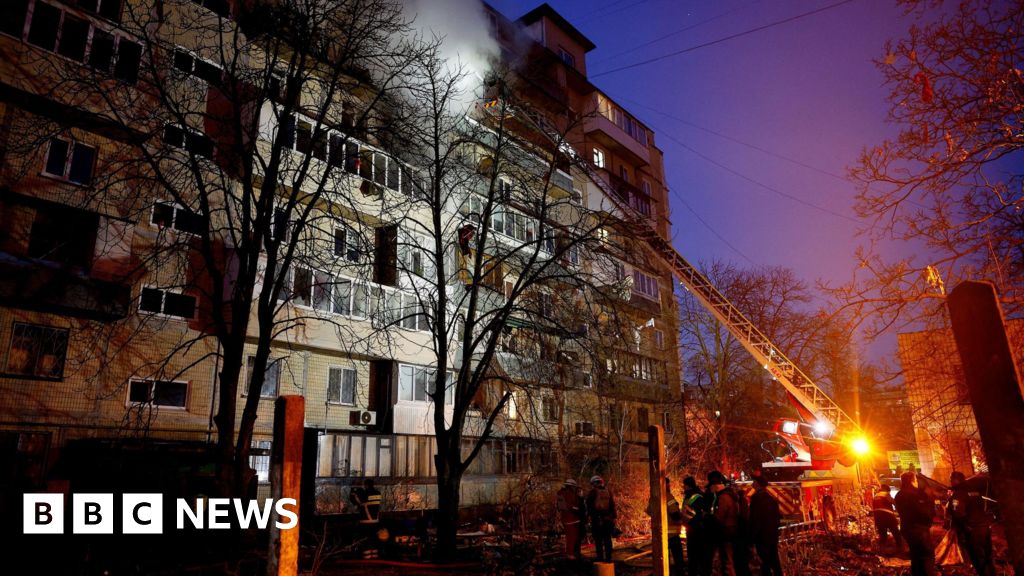
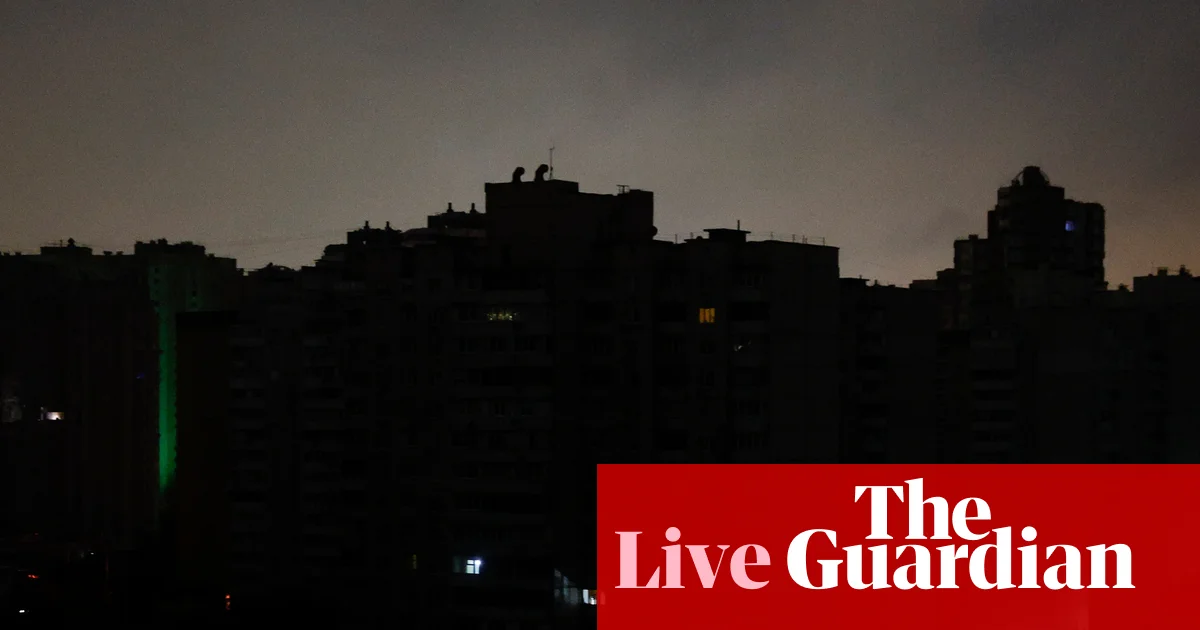
In a stark demonstration of geopolitical instability, the recent escalation of attacks against Ukraine by Russia has plunged Kyiv into darkness and chaos, compelling the international community to reassess the delicate balance of power. Early Friday morning, Kyiv was hit by what the Ukrainian Air Force called a “massive attack,” involving over 450 drones and 30 missiles, targeting critical infrastructure and energy supplies across the country. These relentless assaults resulted in power outages in nine regions and ignited fires in residential buildings, including a high-rise in Kyiv, exemplifying Russia’s strategic effort to weaken Ukraine’s resilience amidst ongoing conflict.

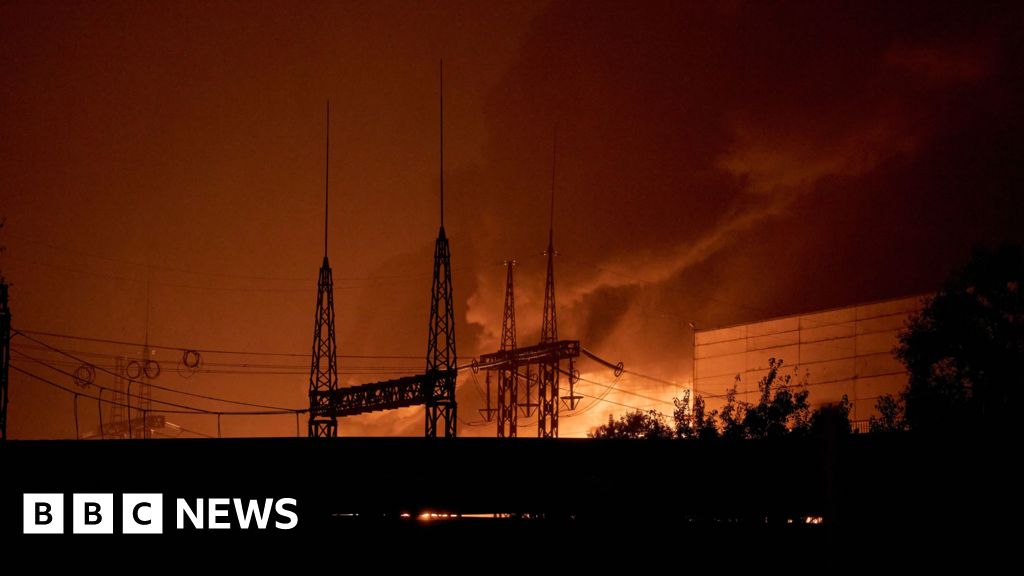
The Ukrainian President Volodymyr Zelenskyy condemned the attack as a blatant act of aggression aimed at undermining Ukraine’s sovereignty and destabilizing its fragile infrastructure. The attack’s scale, which included ballistic missiles and strike drones, marks a significant escalation in Moscow’s campaign to cripple Ukraine’s energy grid, which the energy minister Svitlana Grynchuk described as “a massive strike.” This attack not only disrupts daily life but also signals Russia’s intent on prolonging the conflict, further testing Kyiv’s capacity for resilience and its allies’ support. Analysts from the International Atomic Energy Agency (IAEA) have indicated efforts are underway to restore power to the Zaporizhzhia nuclear plant, which has been isolated from external power sources for over two weeks—highlighting the dangerous brinkmanship and the persisting threat of nuclear instability in the region.

How These Decisions Shaped a War’s Turning Point

  • Russia’s deployment of hundreds of strike drones and missiles explicitly aims at crippling Ukraine’s infrastructure, forcing widespread blackouts and mounting civilian casualties.
  • Kyiv desperately seeks international support, especially advanced air defense systems, to counter such relentless aerial assaults, emphasizing the international stakes of Ukraine’s sovereignty.
  • Within Russia, Kremlin strategists, historians, and military analysts debate the limits of this new escalation, as Moscow’s rhetoric remains unwaveringly aggressive, signaling the possible extension of hostilities into broader European territory.
  • The international community, led by voices such as NATO officials and United Nations representatives, warn that these acts could push the region toward a new Cold War era, with global repercussions and strained alliances.

Amid the chaos, Europe faces internal contractions among its political fabric. French President Emmanuel Macron convened an emergency meeting of mainstream political parties to navigate a crisis rooted in fragile governance, as the country grapples with persistently low growth and a fractured parliament. Meanwhile, in Belgium, authorities uncovered a plot to ignite drone-mounted explosives targeting politicians, including the Prime Minister, reflecting the growing shadow of radical extremism in the continent’s security landscape. These security risks, coupled with Europe’s increased defense investments—most notably Sweden’s billion-crown plan to expand anti-drone systems—highlight a continent awakening to new aerial threats with Eurasian powers as central players.

New Alliances and Shifting Borders: A Clash of Empires

Meanwhile, on the international stage, US President Donald Trump has reignited long-standing tensions by suggesting that NATO should consider expelling Spain over its lagging military expenditures in the face of the European security crisis. Trump’s demands underscore an ongoing push for European nations to shoulder more responsibility, aligning with a broader, more confrontational American stance on European defense matters. Conversely, NATO nations are contemplating the rising threat of aerial violations; Sweden’s €367 million investment in anti-drone technology exemplifies a continent-wide recognition of hybrid warfare’s evolving landscape, with accusations of Russian involvement in drone sightings rattling European skies.

As the whirlwind of violence in Ukraine and the shifting sands of European political stability threaten to ignite a broader conflagration, the weight of history hangs heavy. The decisions made in the coming weeks—whether Ukraine’s allies strengthen their resolve or Russia escalates further—will determine whether this is merely a preamble to a larger war or the dawn of a new era shaped irreversibly by the choices of powerful nations. The pages of history are turning swiftly, and amid the shadows of conflict, the world holds its breath, gazing toward an uncertain horizon where the currents of geopolitics continue to carve their indelible marks into the fabric of history.

Russian strikes blackout Kyiv, Ukraine’s heartbeat under attack

Ukraine Battles Escalating Russian Attacks, Geopolitical Echoes Resound

In a stark reminder of the ongoing conflict in Eastern Europe, Ukraine is enduring intensified assaults on its critical infrastructure, as Russia increases missile and drone strikes targeting energy facilities and civilian zones. Recent overnight strikes have plunged large sections of Kyiv into darkness and disruption, with nine injuries reported and residents facing not only power shortages but also threats to water supply and safety. Meanwhile, further south in Zaporizhzhia, a tragic incident unfolded, claiming the life of a seven-year-old child due to Russian drone strikes, a harrowing testament to the relentless toll of Moscow’s strategic aggression. Such attacks—highlighted by Ukrainian officials and corroborated by international analysts—are designed to sow chaos, weaken morale, and exert psychological pressure on an already battered nation.

Experts warn that Russia’s renewed offensive on Ukraine’s energy infrastructure signifies a critical turning point in the conflict, as Moscow aims to destabilize the country’s resilience during winter months. Ukrainian Energy Minister Svitlana Hrynchuk described these attacks as a “massive strike,” emphasizing that repair crews are under immense pressure to restore functionality amid relentless assaults. Ukrainian President Volodymyr Zelensky attributes Moscow’s escalation to an intentional effort “to create chaos and psychological pressure,” and international organizations, including the International Crisis Group, have voiced concern over the strategic objective of Russia’s campaign—especially with the looming threat of hypersonic Kinzhal missile strikes, which can evade early detection and pose a severe threat to Ukrainian defenses.

This intensification of hostilities not only imperils Ukraine’s sovereignty but also ripples across the geopolitical landscape. Western nations, led by the United States and European Union, have condemned Russia’s actions while ramping up military and humanitarian aid, viewing this as a clear geopolitical struggle between democratic resilience and authoritarian aggression. Many analysts, including professors of international relations and seasoned strategists, warn that the renewed attacks threaten to prolong the conflict well into the winter, potentially destabilizing regional security and testing the resolve of allied nations committed to Ukrainian sovereignty. For Moscow, these strikes serve as a calculated attempt to undermine the narrative of Ukrainian resistance, pressing Kyiv to divert resources and attention from Ukraine’s diplomatic and military priorities.

As the world watches, the unfolding crisis echoes a broader struggle for influence in a rapidly shifting geopolitical climate. The United Nations and other international institutions face mounting pressure to respond effectively, though critics argue that their sluggish diplomatic efforts often falter in the face of blatant strategic aggression. The haunting specter remains: how will history judge the actions of Russia and the response of the international community? Will Ukraine’s steadfast resistance turn the tide or succumb to the relentless wave of destruction? As the shadows lengthen over Kyiv and Zaporizhzhia, the weight of future history hangs in the balance, waiting for the next chapter to be written—one that could define the fate of a nation and echo through the corridors of power for decades to come.

Kyiv suffers major Russian strike, mayor warns

The recent escalation of hostilities in Ukraine has once again thrust the continent into the forefront of international concern. Over a 12-hour period, Russian forces launched an unprecedented aerial barrage, utilizing nearly 600 drones and dozens of missiles across seven regions, including Kyiv, Zaporizhzhia, Khmelnytskyi, Sumy, Mykolaiv, Chernihiv, and Odesa. This relentless attack resulted in the death of at least four civilians, including a 12-year-old girl, and injured dozens more, illustrating the brutal nature of Russia’s ongoing invasion. Such a major assault highlights the severity of this conflict’s third year and signals that Moscow remains committed to its military campaign, despite international condemnations and mounting sanctions.

Ukrainian President Volodymyr Zelensky described the bombardment as “vile,” emphasizing that many projectiles targeted critical civilian infrastructure, such as Kyiv’s Institute of Cardiology, factories, and residential buildings. The attack, which also injured three children and resulted in the death of a 59-year-old man in Sumy, demonstrates how deeply intertwined the conflict’s repercussions are for daily life. Zelensky issued a stern warning, asserting that Ukraine would retaliate to “force diplomacy” and called on its allies in Europe and America to provide stronger support. This plea underscores the broader geopolitical impact: a persistent conflict that risks drawing NATO into a larger confrontation and forcing global powers to reassess their commitments to regional stability.

Meanwhile, the wider international response reveals a landscape fraught with tension and uncertainty. Russia, on its part, continues to deny responsibility for recent incursions into Denmark, Estonia, and Romania, claiming no intent to attack NATO or EU countries but warning of a “decisive response” to any aggression against Moscow. Analysts warn that these provocations are part of a calculated strategy to test the resolve of Western military alliances, while Russia’s Foreign Minister Sergei Lavrov asserts that Moscow’s actions are defensive rather than offensive, aiming to protect its interests amidst what it perceives as encroaching NATO expansion. European nations, under the shadow of these threats, have responded by bolstering their defenses and increasing NATO’s eastern presence, as the alliance seeks to deter further Russian aggression. Yet, the risk remains palpable, with some voices, including Donald Trump, suggesting that NATO nations should shoot down Russian aircraft if necessary, revealing a growing divide over how to confront Moscow’s assertiveness.

Underpinning all of this is a shifting global strategic landscape where the decisions of Moscow, Washington, and European capitals are shaping the contours of 21st-century geopolitics. Historians and international analysts warn that the current trajectory could lead to a broader conflict, especially if diplomatic efforts continue to falter and the cycle of escalation persists. The recent drone and missile strikes, combined with NATO’s increased military activity in Eastern Europe, create a tense climate teetering on the edge of a much larger confrontation. As the world watches this unfolding drama, the weight of history presses down—each decision, each attack, each diplomatic maneuver could determine the future of not just Ukraine but global peace and stability. With tensions reaching this critical juncture, the question remains: will diplomacy prevail or will the chaos of war reshape the European continent once and for all, writing yet another chapter in the tumultuous saga of human conflict?

Social Media Auto Publish Powered By : XYZScripts.com