Matox News

Truth Over Trends, always!

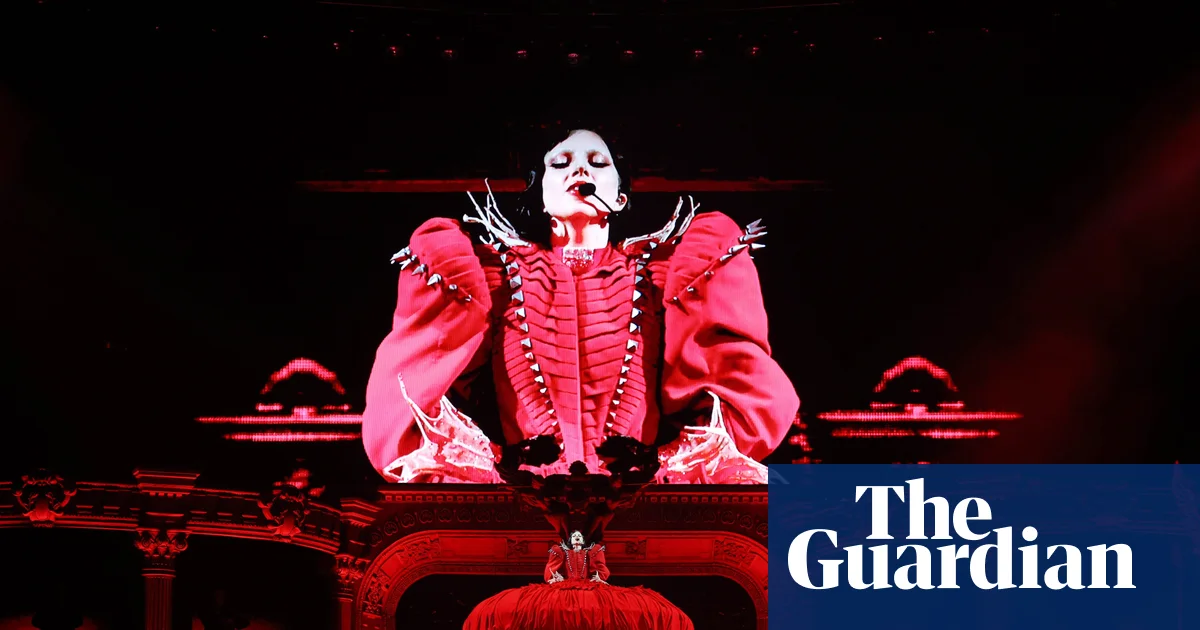
Australian innovator, 26, crafts iconic Lady Gaga costumes, blending engineering brilliance with trendsetting style

In a world where fashion continues to evolve as a potent form of social expression and cultural commentary, a new vanguard of designers is breaking the mold of traditional haute couture. Enter Samuel Lewis, a Melbourne-based visionary whose work blurs the lines between art, performance, and technological innovation. His recent collaborations with Lady Gaga exemplify how contemporary style now functions as a canvas for societal narratives, pulling viewers into a vortex of spectacle and meaning. Whether it’s a stage costume fashioned to resemble moving art or a dress inspired by decayed fabrics hinting at societal fragility, Lewis’s creations speak to a cultural shift toward embracing the expressive power of the extraordinary.

What makes this trend particularly compelling for impressionable youth is its cultural impact—it’s not just about designing visually stunning outfits but about challenging perceptions of beauty, identity, and social norms. Inspired by icons like Debbie Harry and the rebellious euphoria of rock and grunge eras, Lewis’s work embodies a renewed fascination with the imperfection, decay, and chaos that characterize our era. His aesthetic, heavily influenced by 70s rebel culture and 80s goths, employs intricate constructions—dresses within dresses, formidable corsetry—that are as much a statement of resilience as they are a fashion choice. Influencers, sociologists, and fashion critics such as Cameron Silver argue that these bold choices serve to democratize fashion’s social relevance, transforming celebrities into living artworks that challenge the boundaries of conventional style.

Designed to withstand the physical demands of stage performances and photo shoots, Lewis’s pieces symbolize how online visibility and social media have democratized access to high-end creative work. From the Philippines to South Korea, his rising international profile underscores how the internet has become a launching pad for local talent to reach global audiences. Brands and consumers alike are leaning into this digital revolution, seeking authentic, boundary-pushing styles that speak to the youthful psyche—styles that say, “This is who I am, and I’m not afraid to show it.” As influencers like Julia Fox and girl group Blackpink demonstrate, the avant-garde now sets trends in everyday life, shaping social attitudes and collective identity through their daring fashion statements.

Looking ahead, the next question on everyone’s mind is whether this relentless pursuit of the extraordinary will still serve traditional ideas of beauty or radically redefine societal standards. As Lewis prepares to launch his debut collection—an eclectic mix of made-to-order and ready-to-wear pieces inspired by the idea of “finding magic in everything without caring what it is”—the challenge remains profound: can fashion continue to be a cultural catalyst for societal conversations without sacrificing the accessibility that makes it relevant to youth? With celebrities and performers at the forefront of this movement, the real story might just be: Are we witnessing the birth of a new societal language through fashion—one that is less about superficial appearance and more about embodying a collective identity that’s as complex and layered as the art it produces? That remains the ultimate question for the future to answer.
Ghana's former First Lady passes at 76—A legacy remembered by the nation
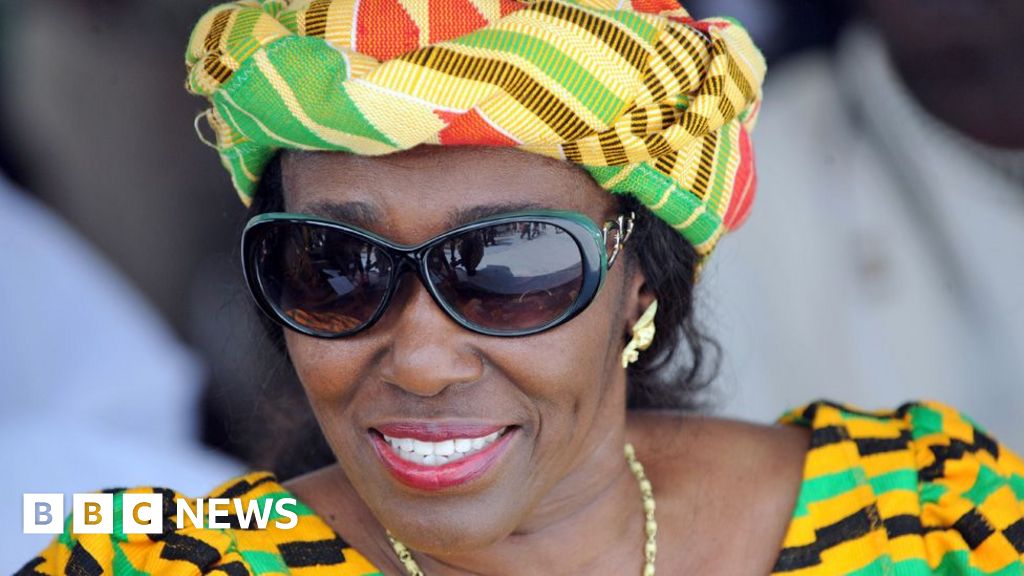
Ghana’s former First Lady passes at 76—A legacy remembered by the nation

Ghana Mourns the Passing of Nana Konadu Agyeman-Rawlings

The recent death of Nana Konadu Agyeman-Rawlings, at the age of 76, marks the end of an era in Ghana’s history. Revered as a pioneering women’s rights advocate, influential politician, and former First Lady, her passing ignites reflections on her multifaceted impact on both her nation and the broader geopolitical landscape. Her death, announced amidst widespread social media tributes, underscores how individual leaders influence societal change—effects that ripple beyond national borders, shaping regional dynamics and international perceptions of progress and tradition.

Agyeman-Rawlings, widow of Jerry Rawlings, Ghana’s longest-serving leader, played a pivotal role in the country’s political evolution. Her husband, who led two military coups before twice ascending to the presidency through multiparty elections, was a figure of both admiration and controversy. As First Lady, she not only supported his leadership but also carved out her own influential space, founding the 31st December Women’s Movement—a vital platform advocating for women’s empowerment and economic independence. Her advocacy contributed significantly to Ghana’s constitutional protections for gender equality, including reforms in the 1992 Constitution that integrated women’s rights into the nation’s foundational legal framework.

From a geopolitical impact perspective, Agyeman-Rawlings’ efforts resonated beyond Ghana’s borders. Her push for gender equality and social inclusion positioned her as an informal ambassador of progressive values within West Africa—an area often marred by political instability and social inequalities. Historians and analysts note that her influence laid groundwork for regional gender initiatives, encouraging neighboring nations to reevaluate their own policies. The international community’s attention to her advocacy highlights how localized leadership can spark broader conversations on human rights, development, and the role of women in politics—issues at the heart of many global development agendas.

The political landscape in Ghana remains deeply intertwined with her legacy, especially as her family engaged directly with President John Mahama earlier this week to notify him of her passing. The country’s parliament has adjourned in solemn respect, signaling recognition of her contribution to national progress. Yet, her ambition extended beyond her role as First Lady; her bid for the NDC presidential candidacy in 2012 reflected her broader vision for leadership—an aspiration that, despite its defeat, cemented her status as a key figure in Ghana’s ongoing political narrative. Her story underscores how decisions at the individual level can influence societal trajectories, especially in developing democracies eager to balance tradition with progress.

As Ghana, Africa, and the international community mourn this remarkable figure, the question remains: what will her enduring legacy inspire in the years ahead? The debate over gender equality, political inclusion, and social justice continues to shape the global conversation. Heritage and history, often fleeting in the face of current events, become the weighty substance of tomorrow’s history. For now, her story closes one chapter but leaves the future wide open—an unfolding narrative of resilience, advocacy, and the relentless pursuit of societal change, carried forward by generations yet to come. Nature’s course may seem inevitable, but it is the choices of leaders—then and now—that determine whether history’s next pages will be written by progress or regression.

Social Media Auto Publish Powered By : XYZScripts.com



