Matox News

Truth Over Trends, always!

Australia news: Luxury car tax tweak may boost EU deal; Dubai flights land in Sydney and Melbourne

The geopolitical landscape in the Indo-Pacific is witnessing a decisive shift as Australia prepares to amend its domestic policies to clinch a lucrative free trade agreement (FTA) with the European Union. This move isn’t just about economics; it signals a strategic realignment aimed at fortifying Australia’s international standing amid ongoing global tensions. Negotiations have been progressing swiftly, with Ursula von der Leyen, the President of the European Commission, potentially set to visit Australia in the coming days—an event that could mark a significant milestone in this diplomatic push.

Key to this diplomatic gambit is a controversial adjustment to Australia’s luxury car tax (LCT), a move that has caught international attention. According to reports, the Australian government is considering increasing the current $80,000 threshold to at least $100,000, a concession tailored to European automakers like BMW and Mercedes-Benz. This adjustment would reduce import tariffs on high-end vehicles, making Australian markets more accessible to European luxury brands while simultaneously positioning the nation as a more attractive partner in commerce. Analysts, including diplomatic strategists and trade experts, observe that this maneuver is a calculated effort to demonstrate Australia’s willingness to flex its economic muscles in service of broader geopolitical ambitions.

In tandem with negotiations with the EU, Australia’s military posture remains a subject of international intrigue. Reports suggest that Australian personnel may have been aboard a U.S. submarine during an operation off Sri Lanka, which resulted in the torpedoing and sinking of an Iranian warship—an incident that has sent ripples through international security circles. Defense Minister Madeleine King refused to disclose operational details, citing longstanding arrangements with allied foreign governments, notably the U.S. Navy. This situation underscores Australia’s deepening military integration within the AUKUS pact, a strategic alliance that signals a clear pivot towards aligning more closely with Western military interests amidst an increasingly unsettled international order.

Meanwhile, Australia is grappling with severe weather phenomena, as a tropical low threatens the northern coasts with flooding and damaging winds. Such natural disasters have become a stark reminder of the rising stakes in the region’s security and economic stability. Emergency preparations in Queensland highlight the country’s vulnerability to climate events that could further destabilize already precarious social and infrastructural conditions. Historians and Future Impact analysts warn that these environmental challenges, coupled with shifting geopolitical alliances, could accelerate regional realignments—an unfolding narrative of nations adjusting their course under the weight of history’s relentless tide.

Global analysts note that Australia’s dual focus—bolstering economic ties with the EU while navigating complex military alliances—embodies a broader pattern among Western-aligned nations seeking to preserve sovereignty and influence in a rapidly changing world. The decisions made today will ripple across continents, affecting societies, industries, and security architectures for generations to come. As diplomatic doors open and warships move unseen in distant waters, the weight of history presses heavily upon a nation poised on the brink of a new geopolitical chapter—one written as much in boardrooms as it is in the depth of the oceans and the fury of storms.

What’s an apprenticeship? How to land one—and what you can expect to earn?

Society in Transition: The Promise and Pitfalls of Modern Apprenticeships

As social dynamics evolve and economic pressures mount, the pursuit of meaningful employment pathways for youth has become a pressing societal concern. The government’s recent pledge to create 50,000 new apprenticeship opportunities aims to bridge the gap between education and employment—an effort rooted in traditional values of skill-building and self-reliance. This initiative reinforces the importance of community development, where families and local communities see tangible routes to economic stability. However, beneath this promising surface lie challenges that threaten to undermine the very fabric of those communities that the program seeks to support.

At the core of this social issue is the question of how these apprenticeships impact families and the education system. For many young people, apprenticeships represent a vital alternative to university—a route often dismissed as less prestigious but increasingly viewed as equally valuable. Yet, sociologist Dr. Anthony Giddens argued that social cohesion relies heavily on inclusivity; currently, programs like degree apprenticeships are less accessible to disadvantaged groups. As studies reveal, 10.7% of degree apprentices are classified as disadvantaged, a figure that, while seemingly small, exposes a broader pattern of inequality that mirrors societal stratification—where economic background often limits opportunity. Families from lower socioeconomic statuses grapple with the additional burdens of low-paid work, uncertain career prospects, and the stigma that sometimes accompanies vocational training.

From an educational standpoint, the dropout rate poses a significant hurdle. Despite the government’s support, less than 61% of apprentices complete their programs successfully. Critics argue this points to a systemic failure to provide adequate training, mentorship, and support—factors that social commentators like professor Michael Young have long identified as necessary for societal mobility. For families, these outcomes translate into frustration and, often, disillusionment. Meanwhile, young apprentices report that insufficient time for training, low wages, and poorly managed programs diminish their confidence and limit their future prospects. This cycle of underachievement and dropout threatens to reinforce existing inequalities, further dividing communities into those with stable, upward mobility and those left behind.

To address these issues, stakeholders propose a multifaceted approach, including increased funding, community engagement, and reform of apprenticeship structures. The government’s recent measures—such as covering the full cost of apprenticeships for under-25s and reducing minimum durations—are steps in the right direction. Yet, the challenge remains: ensuring these opportunities are inclusive and sustainable. Addressing barriers like low pay, lack of availability, and limited awareness is essential. As historian Dr. David Starkey emphasizes, society’s strength depends on “a shared sense of purpose and opportunity,” which cannot be achieved without equitable access to development programs that serve all communities, especially the most vulnerable. Family resilience and community empowerment hinge on creating pathways where talent and ambition are not stifled by economic hardship.

As society stands at this crossroads, the question persists: can the collective effort to reshape apprenticeships forge a society where opportunity is a universal currency, not an exclusive privilege? The hopes of countless families—aspiring to provide better futures for their children—rest on whether these policies translate into real change. Society’s true strength lies hidden in the faces of young apprentices who, despite unmet challenges, still believe in the promise of renewal. As history suggests, transformation is possible when dedicated communities, informed by shared values, come together to nurture the potential that lies within every young person. Society’s greatest challenge remains not just in policy but in fostering a collective moral commitment to remove barriers, ensuring that every individual, regardless of background, can write their own story of hope and achievement.

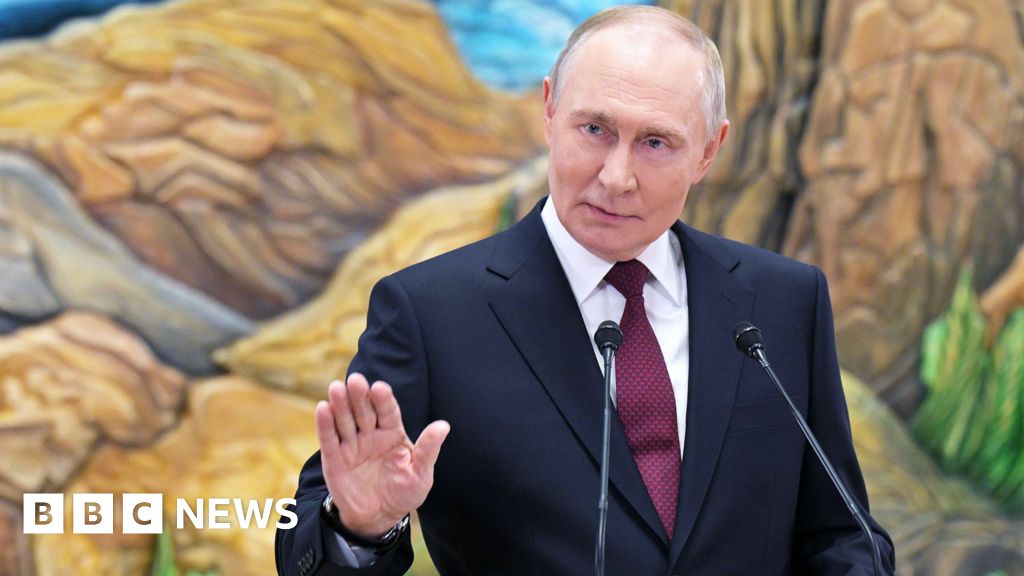
Putin Stands Firm on Ukrainian Land Ahead of US Talks

The unfolding conflict in Ukraine continues to redefine the global geopolitical landscape, with President Vladimir Putin asserting that Russia will only cease its military operations if Kyiv’s forces withdraw from territories Moscow claims as its own. These demands include the controversial annexation of the Crimean Peninsula in 2014 and the ongoing occupation of the Donbas region, made up of Luhansk and Donetsk. Moscow’s insistence on legal recognition for these seized territories signals a hardening stance that complicates any prospects for diplomatic resolution. As seen through the lens of international analysts and historians, such as Dr. Catherine Pugh of the International Institute for Strategic Studies, these demands serve as a stark reminder of Russia’s strategic aim to cement transitional zones of influence and undermine Ukraine’s sovereignty permanently.

Meanwhile, Ukraine remains resolute, firmly rejecting any proposal that would legitimize Russian territorial gains through mere recognition of de facto control. Kyiv’s leadership has consistently indicated that territorial concessions are off the table, emphasizing that rewarding aggression would set a dangerous precedent for sovereignty across Europe and beyond. Putin’s recent trip to Kyrgyzstan, where he accused Ukraine of fighting “to the last Ukrainian,” underscores Russia’s willingness to escalate the conflict with an unwavering conviction that the current battlefield advantage grants them the initiative. According to the Institute for the Study of War, Moscow’s slow, attritional advances, particularly in eastern Ukraine, could stretch over the next two years, risking ongoing loss of manpower and resources—a clear sign that Russia’s military engagement, though persistent, is becoming increasingly costly and politically contentious.

The diplomatic arena is no less turbulent. Recently, a draft peace plan, initially skewed heavily in Moscow’s favor, has become a focal point for international diplomacy. According to reports, the revised document leaves unresolved critical issues like the status of Crimea and the Donbas, along with security guarantees for Ukraine. Putin’s assertion that the current draft could form the “basis” for future peace agreements highlights Russia’s strategic intent to wield diplomatic leverage, conditioning a resolution on recognition of its territorial claims. Meanwhile, the upcoming visits by U.S. officials—such as special envoy Steve Witkoff and potential discussions involving Jared Kushner—indicate that the West remains engaged in a delicate balancing act: seeking an exit from conflict yet wary of legitimizing Moscow’s territorial ambitions. European leaders, like Ursula von der Leyen, have expressed skepticism about Russia’s true intentions, condemning the Kremlin’s view of Europe as a “sphere of influence” and warning that such post-World War II mindsets threaten regional stability.

As the international community watches with bated breath, the conflict’s trajectory remains uncertain—yet undeniably pivotal. Putin’s dismissive attitude towards Ukrainian leadership and European warnings of future escalation reflect an overarching strategy grounded in resilience and repression. The ongoing debate over recognition, sovereignty, and security guarantees is but the latest chapter in a broader struggle that threatens to reshape borders and alliances for generations to come. Amidst the turmoil, a precipice looms: history is being written not just by the powers involved, but by the very decisions that could either cement peace or plunge Europe into a protracted shadow of conflict. The weight of this moment surpasses diplomacy; it is a defining juncture that will echo through the corridors of history, testing the resolve of nations and the endurance of liberty itself.

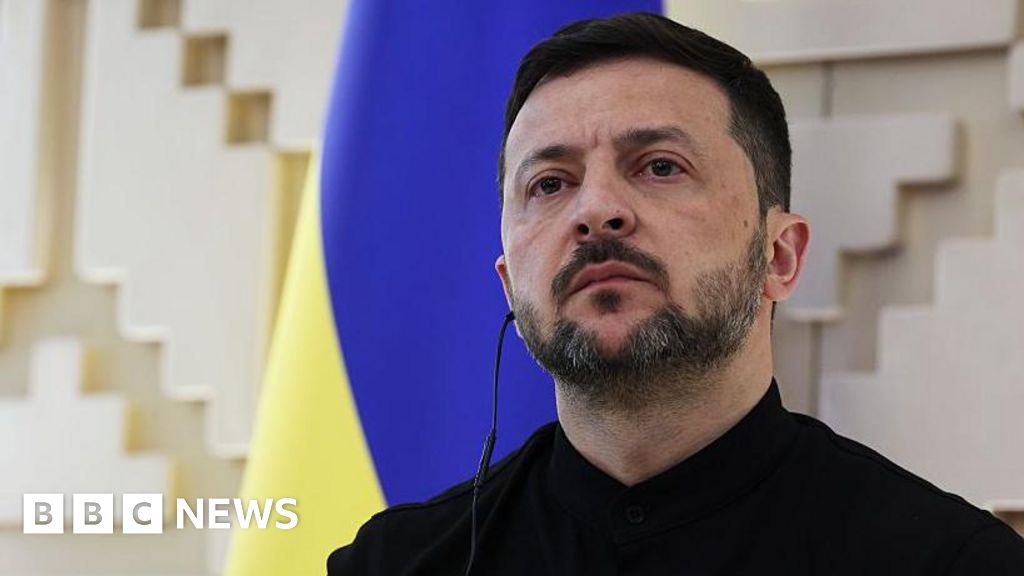
Zelensky: No Concessions — Protect Ukraine’s Land in Ongoing Talks

Ukraine and the International Power Play: A Delicate Balance on the Brink of Change

The ongoing crisis in Ukraine remains a defining flashpoint in Europe and the broader world. President Volodymyr Zelensky has publicly acknowledged the “important steps” taken during recent negotiations in Geneva. Yet, beneath this diplomatic veneer lies an unwavering tension, primarily surrounding the “main problem” — Vladimir Putin’s demand for legal recognition of Russian-occupied territories. The geopolitical implications of this sticking point threaten to reshape the very fabric of regional stability, as Kyiv emphasizes the inviolability of its sovereignty amid international pressure to accept Ukraine’s territorial integrity as a non-negotiable principle. Historians warn that conceding on such issues could establish a dangerous precedent, undermining international law and emboldening future aggressors.

Diplomatic Stalemates and the Shadow of Superpower Politics

In a move that underscores the complexity of the diplomatic manoeuvring, the recent talks involved a 28-point peace plan drafted by US and Russian officials. This plan, presented in October, has caused significant concern among Kyiv and its European allies, especially since it seemingly favors Russia’s long-standing territorial claims. Key elements include the withdrawal of Ukrainian forces from contested districts, which would be declared a demilitarized zone and recognized as Russian territory. Such provisions directly clash with Ukraine’s constitution and its desire for NATO membership — a move Kyiv views as essential for its national security and endurance against future invasions.

European leaders, including German Chancellor Friedrich Merz and Polish Prime Minister Donald Tusk, have expressed skepticism about the prospects for peace, emphasizing that the diplomatic process will likely stretch on for a “lengthy, long-lasting” period. Moreover, the absence of Russian participation in the Geneva talks, coupled with kremlin officials’ skepticism about the revised peace proposals, signals a grave message: the core issues remain unresolved. Experts argue that without Moscow’s explicit buy-in, any diplomatic breakthrough risks dissolving into another cycle of broken promises and deferred resolutions.

How International Decisions Shape Lives and Nations

As the diplomatic deadlock persists, the geopolitical impact extends beyond mere borders, touching the very lives of millions. The European Union and NATO are grappling with the political fallout, as debate rages over Ukraine’s future. The contentious inclusion of language that excludes any recognition of Russian-held regions signals a deeper divide—one where victory and defeat seem inherently linked to the principles of sovereignty and independence versus geopolitical expediency. Analysts contend that such negotiations are not merely about land but about which cultural, political, and societal values will define the 21st-century order. The question remains: will diplomatic efforts lead to a peaceful resolution, or will the relentless push for territorial status quo prolong the conflict, casting a shadow over generations?

The next chapters in this unfolding saga will feature high-stakes conversations between President Zelensky and Donald Trump, with the potential for a reconfigured peace plan to emerge. Yet, as international observers warn of, this fragile peace hangs in a delicate balance, vulnerable to the shifting tides of diplomacy, power struggles, and the unwavering will of nations to preserve or eradicate sovereignty. The true test of history is whether these fleeting agreements will forge a lasting peace or sow the seeds for further chaos, leaving humanity to grapple with the consequences of decisions made today—for the future as much as for the present.

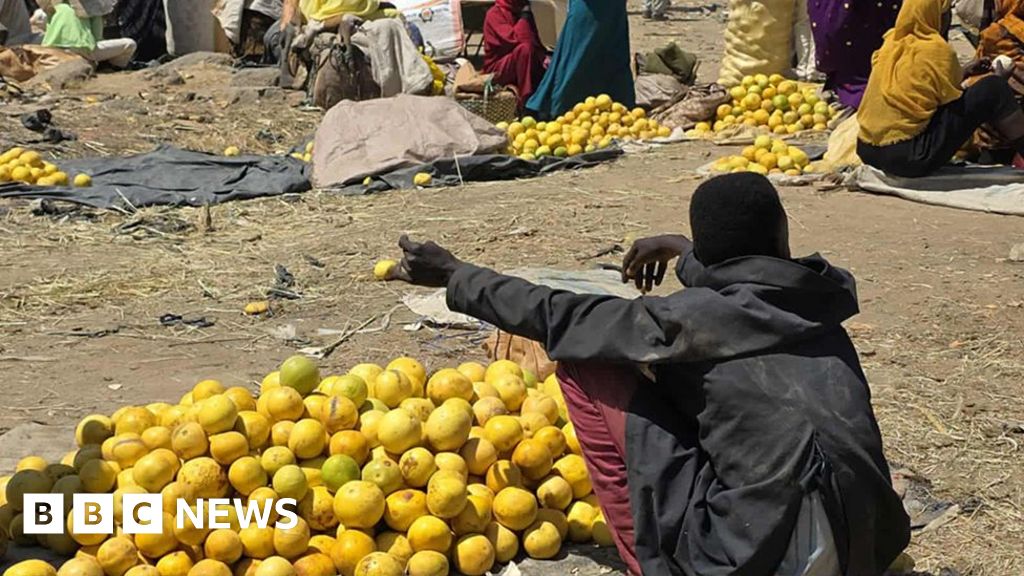
Jebel Marra's Fertile Land Wasted as Conflict Ravages Crops
Jebel Marra’s Fertile Land Wasted as Conflict Ravages Crops

The Hidden Resilience of Jebel Marra Amid Sudan’s Turmoil

In the chaos and devastation wrought by Sudan’s ongoing civil conflict, a quiet, resilient community persists in the Jebel Marra highlands, defying the turmoil that engulfs much of the country. Located in the western Darfur region, this mountainous enclave remains under the control of the Sudan Liberation Army – Abdulwahid (SLA-AW), a group that has refused to join the broader conflict but instead controls “liberated areas” for over two decades. While the rest of Sudan faces economic collapse, famine, and widespread violence, inhabitants of Jebel Marra carve out a tenuous existence, shielded by the rugged terrain yet haunted by the shadows of conflict and economic isolation.

The geopolitical impact of the situation in Jebel Marra extends beyond local survival, highlighting the fragmented nature of Sudan’s territorial control and the persistence of armed non-state actors. Despite a fragile truce in neighboring areas and limited trade with some local markets reopening, the overarching reality remains one of siege and disconnection. Major roads are blockaded by Arab militias and RSF forces, isolating the region from national markets and humanitarian aid, thereby deepening humanitarian crises. Analysts warn that this persistent instability in the region underscores a broader, dangerous erosion of state authority, with local ethnic and armed groups operating in vacuums of governance, undermining the fragile peace efforts. For many, Jebel Marra exemplifies how some communities, despite environmental abundance and agricultural potential, are caught in the crossfire of larger geopolitical struggles.

War’s Far-Reaching Toll and the Human Cost

Across Sudan, nearly 25 million people face severe food shortages, with more than 600,000 on the brink of famine, according to the United Nations. The two-and-a-half-year-old conflict has crippled agriculture, destroyed infrastructure, and decimated local economies. In places like Golo and Tawila, farmers, vendors, and displaced civilians struggle with an unstable supply chain, often forced to sell their goods at a loss or bypass treacherous routes to reach markets. In Tawila, makeshift markets have emerged amidst the danger, with villagers risking their lives to smuggle food into besieged cities, demonstrating an unwillingness to succumb entirely to despair but also exposing how isolated and volatile the economic fabric has become.

The ethnic and political divisions underlying the conflict have compounded these issues, with armed groups controlling territories and checkpoints that demand heavy fees, often harassing or attacking civilians. International organizations, including the UN and various aid agencies, warn that unless a sustainable political solution is reached, Sudan risks slipping further into chaos. The ongoing blockade and military operations have meant aid struggles to reach vulnerable communities, creating a dire environment where starvation and disease threaten to wipe out entire populations. Historians and analysts compare the unfolding crisis to previous regional conflicts, cautioning that Sudan’s future hangs in the balance—a fragile scrawl on the page of history that could either turn towards lasting peace or descend into further chaos.

Shifting Alliances and a Fractured Political Landscape

The current geopolitical landscape in Sudan is a tapestry of shifting alliances, as various armed factions and ethnic groups carve out autonomous zones. The RSF and Arab militias dominate many strategic points, while SLA-AW in Jebel Marra remains neutral but surrounded by hostility. The region’s strategic importance lies in its relative geographical isolation, but that is increasingly threatened as the conflict’s ripple effect adds new layers of complexity. The international community watches nervously, with some observers noting that any resolution must acknowledge the multifaceted nature of Sudan’s fractured society.

The potential for a broader regional destabilization remains high—many fear that without intervention, the country might bifurcate into splintered, ungoverned zones, paralleling regions in Iraq or Libya where local warlords hold sway. Predictions by geopolitical analysts suggest that if the current trajectory persists, Sudan may become a battleground not just of national power struggles but of international influence, where external actors vie for strategic dominance amidst a highly fragile and volatile environment. The international institutions warn that *how* the Sudan crisis is resolved will reverberate across Africa, affecting regional stability, migration, and global security.

As the pages of history continue to turn, the story of Sudan remains unwritten—caught between hope and despair, sovereignty and chaos. The resilient communities of Jebel Marra are a stark reminder that amidst the epicenter of conflict, human endurance persists. Yet, the choices made by global powers and Sudan’s fractured factions will determine whether this saga ends in reconciliation or further tragedy, leaving behind a landscape scarred by battles now beyond counting but not beyond memory. The world watches, knowing that the next chapter is being written, and history’s pen has yet to rest.

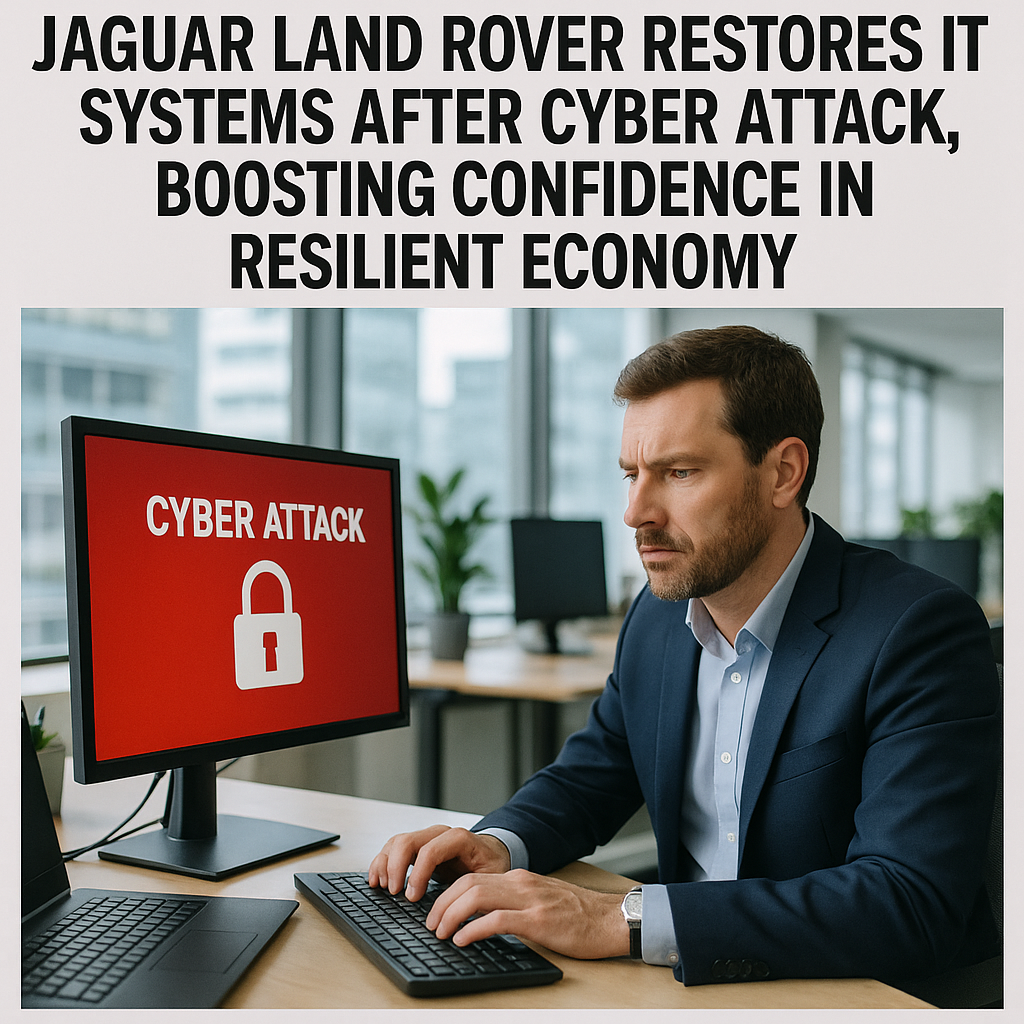
Jaguar Land Rover Restores IT Systems After Cyber Attack, Boosting Confidence in Resilient Economy

The recent cyber-attack on Jaguar Land Rover (JLR), a cornerstone of the UK’s automotive industry and a substantial player in global luxury vehicle manufacturing, has sent shockwaves through the supply chain and financial markets alike. Since August, JLR’s operations have been significantly impacted, with production lines suspended and logistics frozen due to malicious cyber interference targeting its IT infrastructure. The company’s phased restart of operations signifies a cautious yet critical step toward restoring stability, but the economic ripple effects pose a broader challenge for policymakers, investors, and industry stakeholders.

JLR’s predicament underscores the vulnerability of modern manufacturing ecosystems that rely heavily on sophisticated IT networks. Its announced plan to clear a backlog of payments and ramp up invoicing processing highlights the severity of the disruption and the urgent need for resilience strategies. Nonetheless, the impact extends far beyond its factories: an estimated 100,000 jobs across the supply chain are at potential risk, with many smaller firms teetering on the brink of insolvency. The UK government has committed to a multi-faceted support package, including discussions around government-backed loans and potential procurement of critical parts, though skepticism remains among suppliers regarding the efficacy of these interventions. As industry minister Chris McDonald emphasized, “support must be tangible, not just promises.”

  • The UK government faces increased pressure to safeguard its industrial backbone, with Prime Minister Rishi Sunak indicating that support measures are being developed around the clock.
  • Economists warn that prolonged shutdowns could diminish the UK’s competitiveness, especially as global markets recover and demand shifts towards technologically advanced and sustainable transport solutions.
  • Market analysts note that investor confidence in the automotive sector may waver until clear, tangible policies emerge to shield suppliers from the cyclical shocks of cyberattacks and operational halts.

Furthermore, the policy consequences of the cyber incident could accelerate government intervention in the industrial sector, prompting calls for improved cybersecurity standards and risk management frameworks across critical manufacturing nodes. This scenario also calls into question the reliance on just-in-time logistics, suggesting a strategic pivot towards more resilient supply networks. Think tanks like the Institute of Economic Affairs argue that infrastructure resilience should become a national priority, to prevent future crises that can destabilize supply chains and economic output. Amidst these circumstances, forward-looking business leaders and policymakers must navigate a complex landscape where innovation and security are becoming inseparable. The question is no longer whether industries can standalone, but whether nations can harness this challenge as a catalyst for a resilient and technologically robust future.

As the wheels of global markets turn and nations position themselves for future powers, the pulse of economies remains relentless. In this digital age, the strength of a nation’s economy now hinges on its ability to innovate securely, adapt swiftly, and safeguard its industrial heart. While the immediate outlook remains tense, the resilience forged in this crucible of crisis will define the leaders of tomorrow. In crafting policies that protect supply chains, foster technological advancements, and promote strategic independence, governments and corporations alike are scripting the next epoch of economic power—an era where resilience and innovation shape the very fabric of global influence.

Stay safe from hippos: Protect yourself from Africa’s top land threat

Unfolding Drama in Africa’s Wilderness: A Reflection of Nature’s Power and Human Ambition

Zimbabwe, a nation famed for its stunning landscapes and resilient people, has become the backdrop for a harrowing tale that underscores the interconnectedness of nature, human activity, and geopolitical stability. The story of Paul Templer, a seasoned guide and former British army member, sheds light on the dangerous wilds that persist at the border of civilization and the wilderness. His life-altering encounter with a territorial hippopotamus in 1996 is not merely a personal tragedy but a stark reminder of the power of nature—a force that transcends national borders and influences global perceptions of Africa’s wild lands.

This incident occurred amidst a routine expedition on the Zambezi River, one of Africa’s iconic waterways, teeming with life yet fraught with perils that are often underestimated. Tourists and guides alike face the stark reality: hippos, while seemingly sluggish, are among the most deadly animals in Africa, responsible for hundreds of fatalities annually. The traditional view of these majestic creatures as peaceful herbivores is increasingly challenged by experts like Rebecca Lewison, a conservation ecologist, who emphasizes that most attacks are rooted in territorial defense rather than predation. As Africa’s population continues to grow and encroach on natural habitats, the geopolitical impact becomes evident, with increasing human-wildlife conflicts raising questions about land use, conservation policies, and national security.

Wildlife and Society: A Fragile Balance

Historian and environmental analyst Dr. Philip Muruthi frames this dilemma within the larger context of ecosystem stability, highlighting that hippos are ecosystem engineers—vital for nutrient recycling in freshwater environments. Yet, their presence in populated regions, such as Zimbabwe’s waterways and Colombia’s invaded Magdalena River, creates what experts see as a “perfect storm” of ecological disruption and human danger. The burgeoning African demographic boom inflates the risk of deadly encounters, rendering traditional safety measures increasingly vital. Muruthi warns that in regions like Kenya, adherence to guidance from professional safari guides and strict protocol are essential to preventing tragedies while protecting the local ecosystems.

International institutions and conservationists acknowledge that the threat is both environmental and geopolitical. The African Wildlife Foundation points out that hippos, although crucial to aquatic ecosystems, are often forced to interact with humans due to habitat loss—a consequence of urban expansion, agriculture, and climate change. These international shifts threaten to destabilize the delicate balance that sustains African communities and native wildlife, making the ongoing debate over ecological management a high-stakes geopolitical concern.

The Human Cost and the Lessons of Courage

Templer’s harrowing encounter highlights the raw realities faced by guides and locals engaged in the preservation of Africa’s wilderness. His story illustrates how decisions made in seconds can echo through history, shaping future wildlife tourism and conservation policies. Despite his injuries—losing an arm and enduring life-threatening trauma—Templer’s resilience and advocacy serve as a testament to the indomitable spirit of those on the frontline of conservation. His call for responsible tourism, emphasizing education and safety, echoes global advice: “Follow the rules, stay alert, and respect nature’s boundaries.”

As international organizations analyze the unfolding conflicts between human development and wildlife conservation, the current trajectory suggests a future where collaborative action is vital to ensure both ecological health and human safety. Yet, the real question remains: how will nations adapt their policies of expansion and preservation in a rapidly changing world? The story of Africa’s hippos and the guides who dare to face them symbolizes a broader narrative—one of survival, power, and the relentless push of progress into the unknown. As this chapter of history closes, the true extent of our influence on the wild remains uncertain, and the world watches anxiously for the next act in this ongoing saga of man versus nature.

Social Media Auto Publish Powered By : XYZScripts.com