Matox News

Truth Over Trends, always!

Lenovo’s Bold New Gear: Laptop with Built-In Portable Screen Sparks Buzz Among Young Tech Fans

Lenovo Unveils Innovative Yoga Book Pro 3D Concept: A Game-Changer in Creative Technology

In a bold move that exemplifies the ongoing drive toward immersive and tactile digital experiences, Lenovo has introduced the Yoga Book Pro 3D Concept—a revolutionary device aimed squarely at creative professionals and developers. Powered by the formidable Intel Core Ultra 7 processor and equipped with Nvidia’s GeForce RTX 5070, this concept reimagines the boundaries between digital and physical, blending cutting-edge hardware with innovative software to facilitate a new era of 3D asset creation. While still in the prototype stage, its disruptive potential signals a significant pivot in the industry, especially as it aims to serve creators rather than traditional gamers or consumers.

Disruptive Hardware and User Interface Innovations

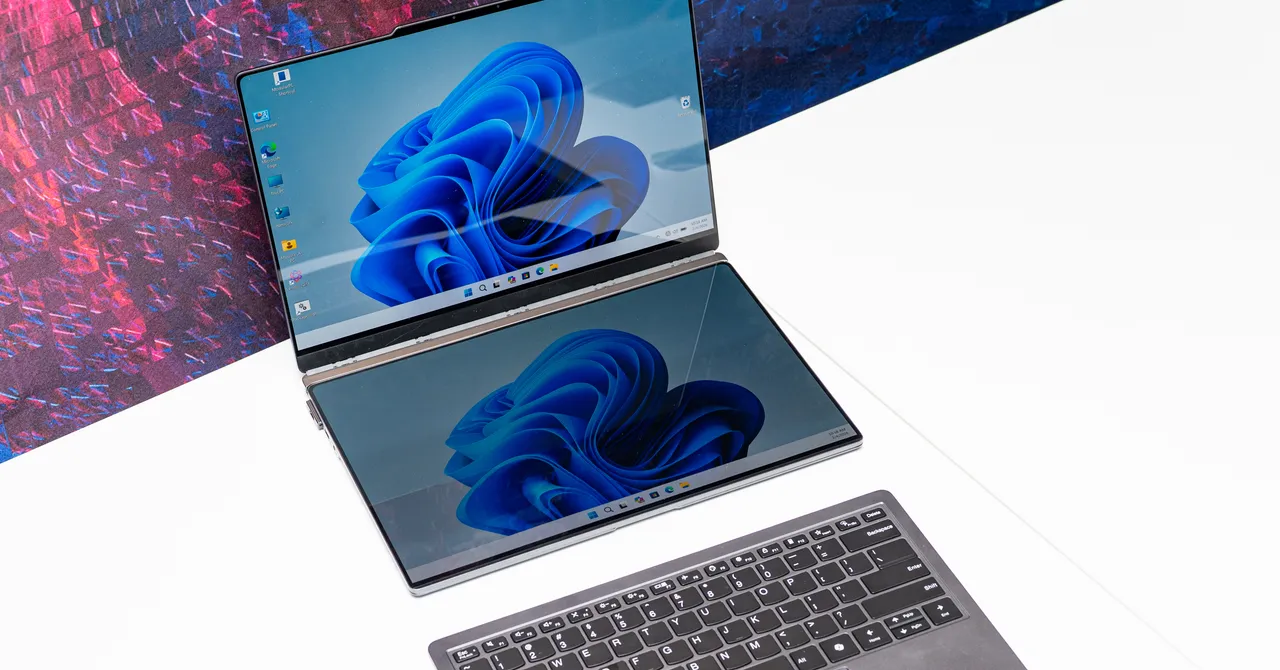
The Yoga Book Pro 3D departs sharply from conventional portable devices. It features dual 16-inch OLED displays called Lenovo PureSight Pro Tandem, which connect to form a seamless, flexible workspace—effectively replacing the traditional keyboard with a touch-enabled, customizable surface. This approach not only enhances workspace ergonomics but also pushes forward the concept of a truly mobile creative workstation. The device employs Lenovo’s proprietary AI software to support 2D to 3D conversion on demand, allowing users to manipulate digital assets effortlessly. The integration of a built-in RGB camera enables gesture-based control, allowing users to interact with 3D objects through natural hand movements, eliminating the need for a mouse or stylus—an innovation that could redefine creative workflows.

Perhaps the most groundbreaking feature is the set of magnetic snap-on pads that users can attach to the lower touchscreen. These physical accessories serve as tangible triggers for digital shortcuts, such as opening a color palette or adjusting lighting in real-time, providing a hybrid tactile-digital interface. This fusion of physical and digital interfaces aligns with the evolving expectations of a new wave of digital creators seeking immersive, intuitive tools. By bringing tactile feedback into the fold, Lenovo’s design hints at a future where user interfaces become more responsive and naturally integrated into creative processes.

Business Implications and Industry Disruption

This conceptual device signals a potential industry shift—particularly in how creative tools are designed and commercialized. If Lenovo moves beyond concept into mass production, it will introduce a fresh competitive dynamic within tech giants such as Apple, Microsoft, and Samsung, who have pursued similar 3D and AR/VR innovations. The integration of high-performance hardware with novel form factors can disrupt established workflows and challenge traditional notions of portability and interface design.

  • Market potential: A niche yet expanding segment of digital artists, designers, and AR/VR developers eager for more tactile, portable solutions.
  • Innovation driver: Accelerating the adoption of hybrid hardware/software interfaces to make 3D content creation more intuitive.
  • Industry impact: Potentially catalyzing new hardware ecosystems centered around physical-digital interaction modes—setting a standard for next-gen professional devices.

As Elon Musk and Peter Thiel have warned about the importance of disruption and technological frontier-pushing, Lenovo’s Yoga Book Pro 3D serves as a compelling glimpse into the future of tech. If this device or its derivatives become widely available, it could accelerate the shift toward more immersive, user-centered design paradigms—a transformation that promises to reshape not only creative industries but the broader landscape of human-computer interaction. For forward-looking investors, developers, and innovators, understanding and engaging with these breakthroughs now will be crucial to maintaining a competitive edge in the rapidly evolving tech frontier.
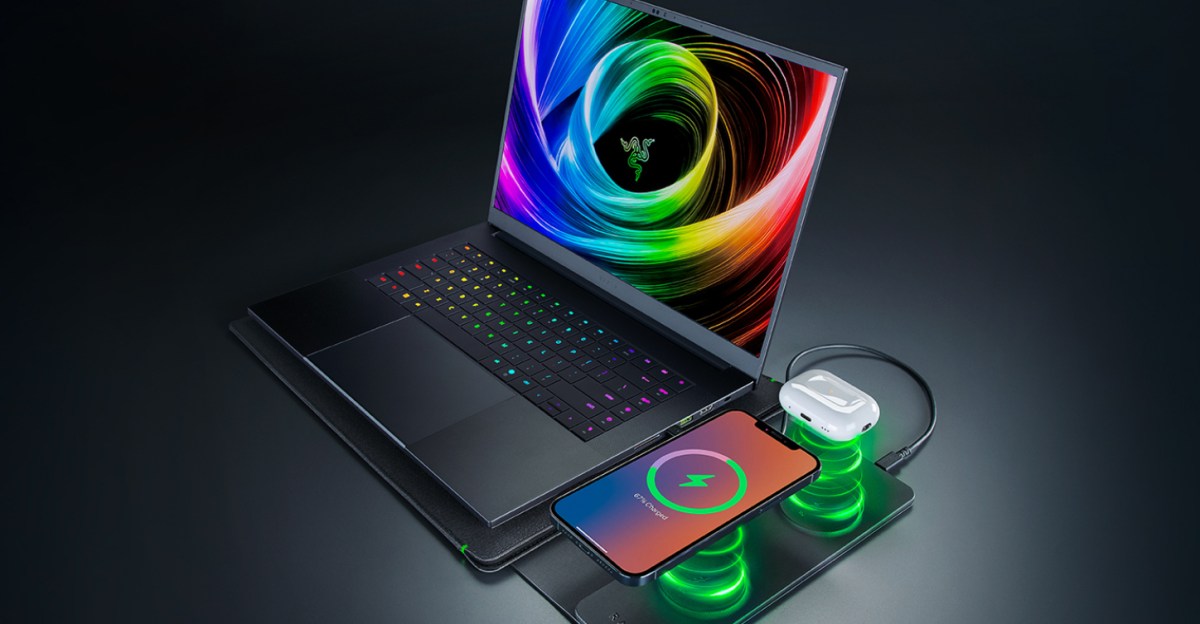
Razer’s new laptop sleeve powers your gadgets on the go—wirelessly charging anywhere

Razer’s New Laptop Sleeve Combines Protection with Cutting-Edge Wireless Charging

The technology landscape continues to evolve rapidly, with leading brands like Razer pushing the boundaries of device accessories. Recently, Razer unveiled its Laptop Sleeve 16”, a product that exemplifies disruption by merging robust protection with integrated wireless charging capabilities. At a premium price point of $129.99, this accessory marks a notable shift in how gaming and tech companies approach user-centric innovation.

Equipped with dual wireless charging pads embedded within its cover flap, the sleeve transforms the typical protective case into a mobile charging station. This feature addresses the escalating demand among young, tech-savvy professionals for convenient, on-the-go power solutions— especially for smartphones, earbuds, and other wireless peripherals. The integration of this technology points to a broader trend where disruptive accessories are blurring the lines between hardware protection and functional augmentation. Industry analysts from Gartner suggest that such innovations could lead to a new wave of multifunctional device accessories, catalyzing a shift in the standard consumer expectations across electronics markets.

Implications for the Business Ecosystem and Industry Dynamics

This development carries significant business implications. As companies like Razer introduce premium features into relatively niche accessories, competition will intensify among gadget accessory manufacturers seeking differentiation through innovation. The upgrade in user experience demonstrates a move toward premium, integrated solutions that not only serve as protection but also enhance daily productivity. However, this also introduces challenges—potentially regarding supply chain complexity and compatibility issues, as not all laptops can support full wireless charging at optimal speeds due to power limitations via USB-C ports. The cautious approach from tech giants and startups alike signals that future success depends on balancing innovation with reliable performance.

Experts such as Elon Musk and Peter Thiel have long advocated for transformative technologies that empower individual users and disrupt established markets. The Razer Sleeve epitomizes this philosophy, illustrating how the convergence of smart design and connectivity is reshaping accessory paradigms. As industry leaders and startups race to embed wireless charging, solar power, and other disruptive features into everyday devices, the potential emerges for entirely new categories of office-to-outdoor gear. This trend aligns with the strategic visions outlined by leading institutions like MIT, emphasizing the importance of integrating hardware advancements with software ecosystems for a seamless user experience.

Looking Ahead: The Future of Tech Innovation and Critical Disruption

The arrival of innovative accessories such as Razer’s wireless-charging sleeve signifies a pivotal moment for the tech industry—a demand for more integrated, multifunctional, and intelligent designs will only accelerate. As the market shifts toward these disruptive innovations, companies that hesitate risk falling behind in a fiercely competitive landscape. The pace of change suggests that the next decade will see an explosion of integrated, AI-enhanced devices that reconfigure how users interact with their technology daily. For forward-thinking organizations and consumers alike, the key will be to monitor these trends closely, preparing to adapt to a future where the boundary between accessories and core devices becomes almost indistinguishable. In this rapidly evolving environment, those who can innovate swiftly will dominate the next chapter of tech evolution.

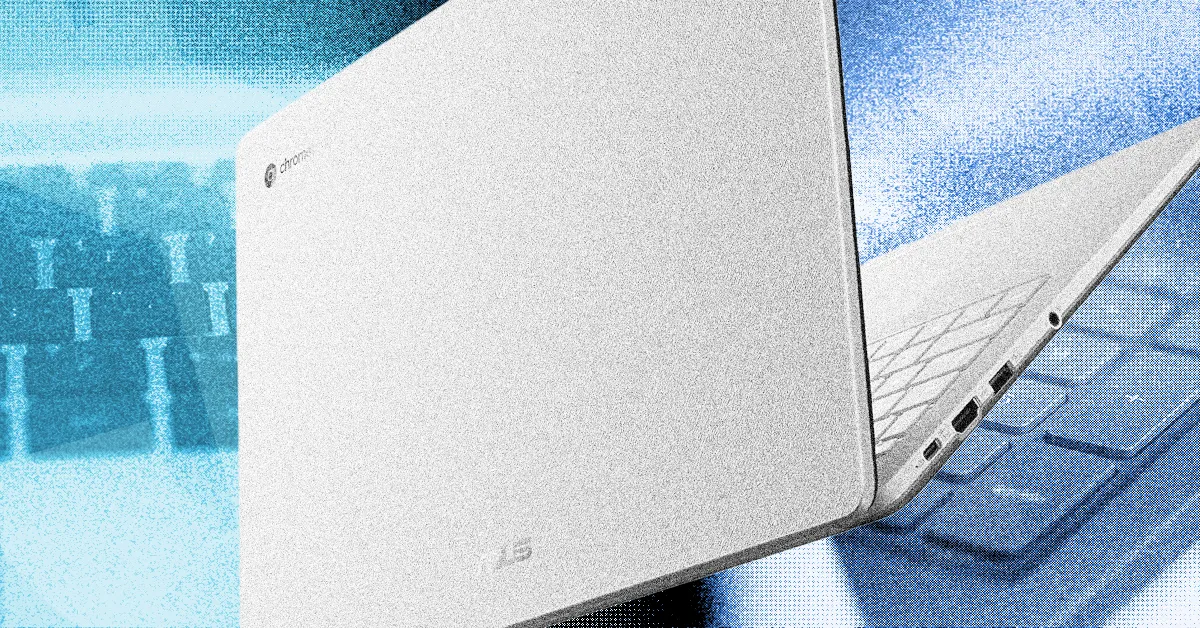
Amazon pushes questionable, junky laptops—think twice before you buy

Revolution in the Laptop Industry: Innovation Meets Industry Disruption

The current landscape of the laptop market reveals a remarkable wave of technological innovation juxtaposed with industry disruption driven by both emerging brands and shifting consumer expectations. Once dominated by established giants like Acer and HP, the market now confronts an influx of cheap, seemingly low-quality machines that challenge traditional standards of reliability and performance. This phenomenon is symptomatic of a broader trend where disruptive innovation accelerates the commoditization of entry-level devices, compelling industry stakeholders to rethink strategy and quality assurance.

While brands such as Samsung, ASUS, and Lenovo are still delivering high-end devices leveraging cutting-edge ARM processors and innovative designs, the flood of low-cost laptops under $300—like the inexplicably recommended Jumper and Nimo models—highlight a different trend: the commodification and potential deterioration of hardware quality. These devices, often powered by minimal specifications such as Intel Celeron processors and eMMC storage, threaten to dilute brand value and erode consumer trust, especially when Amazon’s algorithms favor inexpensive, poorly reviewed products instead of meaningful innovation.

Market Shift: The Rise of Unknown Brands and Future Business Implications

The rise of unknown brands in the budget segment indicates a significant market shift. Companies like Jumper and Nimo are exploiting gaps, yet lack of independent reviews and questionable hardware credentials raise concerns. This fragmentation could trigger a pivotal realignment in supply chain dynamics and consumer discernment, with industry experts like Gartner warning of a “race to the bottom” amid rapid price erosion. The danger is an erosion of brand integrity, which historically has been a cornerstone of sustained innovation and consumer loyalty.

Meanwhile, established manufacturers are evolving their strategies by integrating high-refresh-rate screens, increased RAM, and storage capacities, as exemplified by the Dell 2025 model recommended by trusted sources. Such devices emphasize value proposition over mere affordability, signaling a potential path forward for business leaders who prioritize hardware longevity and customer trust — crucial in a saturated market increasingly blinded by price and fleeting trends.

Innovation and Disruption: The Quest for Market Differentiation

In this evolving environment, innovation remains the ultimate differentiation tool. Tech giants and startups alike are exploring transformative disruptive applications, such as ARM-based architectures that promise superior battery life and performance, and AI-driven design optimization. Industry analysts like Peter Thiel emphasize that creating breakthrough technologies is vital to avoid being overwhelmed by low-cost competitors that value volume over value. Artificial intelligence, in particular, is poised to redefine hardware manufacturing by streamlining supply chains and personalizing user experiences, forging new paradigms of business disruption.

The industry’s future hinges on an urgent imperative: investing in genuine innovation instead of superficial marketing tactics. As noted by MIT researchers, the advent of edge computing and 5G connectivity will soon demand devices capable of more than just basic functionality—shaping a market where quality, security, and extended support become non-negotiable differentiators. For forward-thinking companies, this signifies an opportunity to build competitive advantage by fostering technological ecosystems that prioritize battery resilience, hardware durability, and software integration.

Conclusion: The Road Ahead – Innovation as the Industry’s Lifeline

The rapidly shifting dynamics of the laptop industry evoke a crucial reminder: Disruption and innovation are inseparable forces that will determine the winners and losers in the coming decade. Companies that adopt a strategic focus on technology breakthrough and brand integrity will rise above the noise, while those banking solely on low prices risk obsolescence. As consumer demand becomes more discerning and technology advances relentlessly, markets must accelerate their pursuit of genuine innovation or face being left behind in a landscape dominated by shallow products and misleading marketing.

The future belongs to those who see beyond short-term profit and invest in impactful, disruptive innovations—whether through AI, new hardware architectures, or integrated ecosystems. The countdown has begun: the race to lead the next era of computing is on, and only the most visionary will secure their place in its history.

This Black Friday, Score the Hottest Budget Laptop Yet—Just $450 on Amazon for the Perfect Student Plug-In!

Black Friday Tech Trends: The Rise of Budget Laptops and Societal Shifts

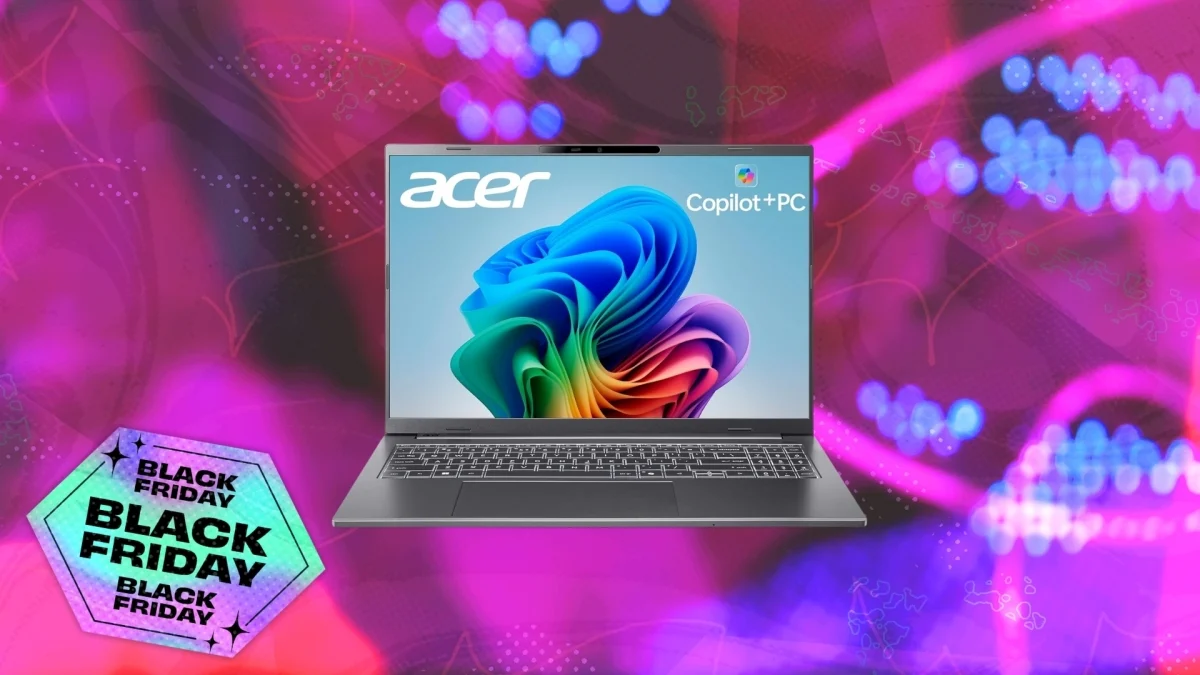
As Black Friday approaches, a fascinating shift in consumer behavior emerges, revealing more than just a hunt for discounts. The spotlight is on affordable, high-performance laptops, with models like the Acer Aspire 16 taking center stage. Retailers such as Amazon have already launched a wave of live-deal events, signaling a societal move towards prioritizing accessible technology. The aggressively reduced price of $449.99—down from $699.99—embodies a larger cultural push: tech is no longer a luxury reserved for the elite but a staple for practically everyone, especially the youth.

This trend is underscored by the social relevance of how younger consumers are redefining what it means to be tech-savvy. Influencers and digital analysts note a growing preference for budget-friendly devices that pack features like Copilot AI assistant, touchscreen displays, and extensive battery life—traits previously associated with premium models. The Acer Aspire 16, in particular, symbolizes a new era where affordability meets performance, making it a critical purchase for students, remote workers, and the casually tech-inclined. The device’s 17-hour battery life and AI integrations exemplify the prioritization of mobility and functionality, reflecting a cultural shift where technology is tailored to fit a fast-paced lifestyle while democratizing access.

This is a defining moment of our digital epoch: how society values, interacts with, and depends on technology. According to sociologists like Dr. Lisa Grant, this surge in budget tech reflects a broader social shift—one that champions inclusivity and deliberate consumer choice. The early availability of these deals even before peak shopping days illustrates how brands are reshaping their strategies, emphasizing transparency, practicality, and connecting more intimately with a younger demographic’s aspirations. The intersection of affordability and performance isn’t just about saving money—it signifies a fundamental change in the cultural impact of technology, where the needs of everyday people are becoming the driving force behind innovation.

Considering this rapid evolution, a provocative question arises: what will be the next frontier in making technology truly universal? Will future innovations focus on further lowering barriers—perhaps through modular designs or revolutionary pricing models? Or will the societal appetite for smart tech deepen, shifting our entire digital landscape into an era where affordability isn’t just a selling point but a societal expectation? While the current Black Friday deals like this Acer Aspire 16 serve as a concrete example of existing aspirations, the *next big question* might be how this movement influences future tech development and social equity. Perhaps, the true revolution isn’t just in the gadgets we buy, but in how society redefines its relationship with technology itself.

Asus ProArt P16: The Fastest Windows Laptop for Young Creators

ProArt Creator Hub: A New Benchmark in High-Performance Laptops

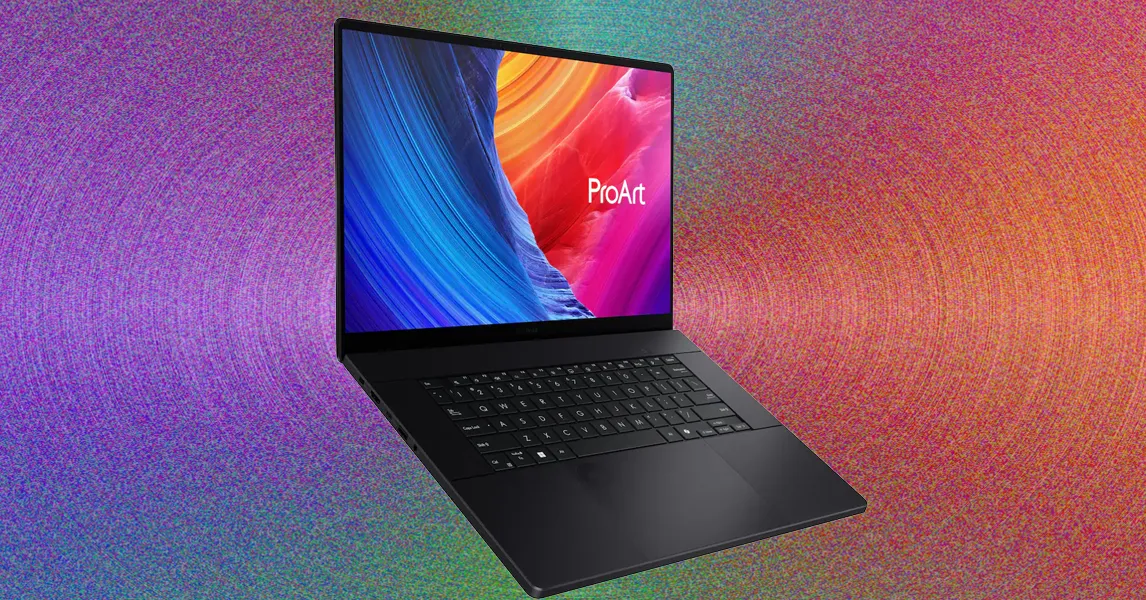
Tech giant Asus has unveiled the latest in their premium lineup with the ProArt 16, a laptop that pushes the boundaries of innovation in creative computing. Engineered for digital creators, designers, and tech enthusiasts seeking unrivaled performance, this machine signals a disruptive shift in how portable workstations are designed and utilized. Packed with advanced features such as a multifunctional dial, preloaded software suites, and a robust AI integration, the ProArt 16 embodies the cutting edge of technology that aims to redefine productivity standards.

The centerpiece of its innovation lies in the hardware’s connective tissue: a seamlessly integrated control dial supporting functions like zoom, frame adjustments, and system tweaks—capabilities traditionally bound to larger editing setups. When paired with the ProArt Creator Hub software, users gain extensive customization, aligning hardware controls with bespoke workflows. This is reminiscent of the disruption seen in earlier industry shifts—think Apple’s introduction of the M1 chip—yet here, the focus squarely targets creative industries. The system’s preloaded software, including Nvidia Studio Suite, Asus StoryCube, and Asus MuseTree, not only enhances productivity but also maintains an ecosystem that fosters innovation without bottlenecks.

While the hardware underlying this device offers top-tier performance—bolstered further by discrete GPUs and advanced processing—it’s the business implications that truly stand out. Industry analysts from Gartner highlight that disruptive hardware like the ProArt 16 is poised to shift the competitive landscape among high-end workstations. Its integration of AI tools through Microsoft’s Copilot+ demonstrates a strategic move toward an AI-augmented creative process, accelerating workflows and enabling productivity gains that could upend traditional creative industries. However, the high price tag of around $3,500—placing it among premium systems such as the Apple MacBook Pro M4—may limit accessibility, but it underscores a fundamental market shift towards a new class of compute-intensive, portable devices.

It’s clear from industry perspectives and expert reviews that the ProArt 16 is more than just a high-performance machine; it embodies a vision of a future where innovation in hardware directly correlates with business disruption. As Peter Thiel has noted, “The next major technological wave will be driven by hardware that bridges the gap between traditional computing and AI integration.” The strategic positioning of Asus, targeting creative professionals with this device, signals a potential upheaval in how organizations view productivity tools—favoring powerful, customizable, AI-enabled platforms that serve as complete creative hubs. With the current pace of technological evolution, waiting to adopt such innovations could mean falling behind in a fiercely competitive market, making it all the more urgent to monitor how these flagship devices influence industry standards in the coming years.

Don’t Miss Out: October Prime Day Laptop Deals Won’t Last!

The commercial landscape of consumer electronics is undergoing a crucial transformation as major sales events like Amazon Prime Day continue to shape market dynamics. This year’s second Prime Day, running through October 9th, exemplifies how *disruption* in retail commerce—fuelled by aggressive online discounts—poses both challenges and opportunities for industry players. While consumers benefit from short-term price reductions on laptops and accessories, industry analysts from firms like Gartner suggest this pattern accelerates a *deflationary trend*, pressuring manufacturers and retailers to rethink their pricing strategies amid tightened profit margins.

From an innovation perspective, businesses are leveraging strategic discounts to stay competitive, especially in the rapidly evolving segment of personal computing. Premium brands such as Apple, HP, Microsoft, and Lenovo have responded with significant savings on flagship models, reflecting an industry push towards tighter integration of *disruptive* hardware features that appeal to younger, tech-savvy consumers. For example, the latest gaming laptops like the Lenovo Legion 5 and Alienware AW2725Q showcase advancements in graphics, processing, and display technology, setting new *milestones* for immersive experience. These developments are not just consumer-focused but serve as strategic innovations that challenge industry standards—pushing competitors to innovate or concede market share.

Industry observers note that this ongoing sale frenzy signals a *shift* where *disruptive trends* like direct-to-consumer sales models and AI-driven procurement algorithms are reshaping traditional distribution channels. Companies are increasingly relying on *real-time data* and market analytics, as highlighted by MIT research, to optimize pricing and inventory management dynamically. In addition, the proliferation of *smart accessories* and *integrated devices* hinges on this *disruption*, elevating hardware beyond basic functionality toward ecosystems built on interconnected, AI-enabled platforms. This evolution is compelling companies to prioritize *innovation* that aligns with the “digital-native” generation’s expectations for seamless, intelligent devices.

However, this rapid pace of change also bears significant business implications. As Peter Thiel warns, *”monopoly is the goal of technological innovation”*—but in a competitive, discount-driven environment, the risk of commoditization rises. Industry titans must balance *cost leadership* with *technological differentiation*, fostering innovation that sustains long-term growth rather than short-lived sales boosts. As market shifts accelerate, firms that harness *disruptive* innovations—such as AI-powered manufacturing, advanced materials, and sustainable design—will seize a competitive edge in the coming era of *tech dominance*. Moving forward, the urgency for brands to invest in *cutting-edge R&D* and *strategic disruptions* remains paramount; failure to do so could see legacy players sidelined by agile startups leveraging the same retail events for disruptive entry.

In conclusion, the ongoing Prime Day sales serve as a bellwether for a technology landscape at a pivotal juncture. The emphasis on *innovation* and *disruption* isn’t just about capturing short-term market share but about shaping the future of *how* technology integrates into every facet of daily life. Companies that capitalize on this moment—through dynamic pricing, AI-driven insights, and groundbreaking product developments—will define the trajectory of the digital economy in the coming decade. For industry leaders and investors alike, the imperative is clear: pace of innovation must accelerate, or risk being left behind in the wake of a *disruptive* wave that’s only just beginning.

Top Tips to Keep Your Laptop Screen Spotless Without the Damage

In today’s fast-paced, image-driven society, tech device maintenance has taken on a new cultural significance. What might seem like a mundane task—cleaning your laptop or smartphone screen—actually reflects a larger social shift towards digital minimalism and self-care in our digital age. From influencers sharing sanitized routines to sociologists observing evolving consumer behaviors, the act of maintaining our screens is more than just aesthetics; it’s about preserving the connection between our identities and the digital world we inhabit. Cleaning a screen, in this context, becomes a ritual that symbolizes our respect for technology and the lifestyle choices we make.

This trend is exemplified by the rise of DIY tech care guides led by tech influencers and experts alike. As seen recently in a viral post from Mashable, maintaining your screens properly is now considered an essential part of digital hygiene, akin to grooming or health routines. The emphasis on using microfiber cloths and LCD-safe solvents underscores a cultural emphasis on precision and intentionality when interacting with devices that are deeply woven into our daily lives. The attention to detail mirrors a societal desire to elevate simple acts—like cleaning a screen—into expressions of personal discipline and responsibility.

Moreover, this behavior highlights a significant cultural leap in environmental awareness: avoiding harsh cleaning chemicals and inappropriate materials signals a move towards more sustainable and thoughtful consumption. Sociologists suggest that today’s youth, in particular, are redefining what it means to care for their devices and the environment. Influencers such as tech-savvy creators and lifestyle advocates are championing minimalist approaches, reinforcing the idea that less is more—especially when it comes to technology clutter. As the trend spreads across social media platforms, it’s clear that society is embracing a **simplified, clutter-free digital environment**—one that aligns with broader cultural narratives about mindfulness and intentional living.

Looking ahead, the next big question emerges: Will this focus on meticulous device care evolve into a broader cultural movement towards digital sustainability and even digital minimalism? As technology continues to become more embedded in our identities, the act of *caring for our devices* could transform into a gateway for addressing larger social issues—such as e-waste, digital clutter, and the overconsumption of gadgets. The challenge now lies in how future generations will balance technological convenience with environmental responsibility and personal well-being. Will today’s screen-cleaning routines foreshadow a society that is more deliberate about its digital footprint? Or will it become just another fleeting trend? Only time will tell, but one thing is certain: the way we nurture our technology today is quietly shaping the cultural narratives of tomorrow.

Social Media Auto Publish Powered By : XYZScripts.com