
Matox News

Truth Over Trends, always!

Maxwell’s lawyer: She’s refusing to answer Congress questions—no surprises there.

In a significant development that echoes beyond courtroom walls, Ghislaine Maxwell, the long-jailed associate of disgraced financier Jeffrey Epstein, has announced her intention to invoke her Fifth Amendment right to avoid self-incrimination. This legal maneuver has implications that ripple across international relations, revealing how individual legal strategies in high-profile cases can influence broader geopolitical dynamics and societal perceptions of justice.

Maxwell’s decision to refuse answering questions, citing her constitutional rights, underscores the delicate intersection of domestic law and international scrutiny. The trial of Maxwell has attracted global attention, with critics viewing her potential testimony as pivotal to unlocking deeper revelations about Epstein’s extensive network and its possible connections across multiple nations. The United States stands at a crossroads—balancing the pursuit of justice with the complexities of international diplomacy and the rights of the accused. Insights from legal analysts suggest that Maxwell’s invocation of her rights could serve as a strategic deflection, potentially delaying revelations that might implicate powerful figures or illuminate transnational criminal enterprises.

The global institutions and nations involved in recent investigations into Epstein’s network have watched with heightened sensitivity. The FBI, along with international law enforcement agencies, are increasingly concerned about the potentially vast web of illicit activities that may span continents, including the use of offshore havens and clandestine financial arrangements. The international community, particularly countries known for lax regulatory frameworks, faces mounting pressure to cooperate in unraveling the truth. Some analysts suggest that Maxwell’s silence may be a calculated move rooted in the broader geopolitical currents—possibly indicating negotiations behind the scenes that could impact diplomatic ties, financial securities, and the political fates of involved nations.

The United Kingdom’s role in this saga is also gaining prominence, with questions emerging about her connections to powerful social and political circles there. Historians and geopolitical strategists alike recognize that the Maxwell case is emblematic of a recurring pattern—where the exposure of elite malfeasance can threaten the stability of entrenched power structures. As international organizations like Interpol and the UN analyze potential links, the ripple effects threaten to alter perceptions of transparency and accountability across many societies. The decision of Maxwell to remain silent not only influences her personal fate but adds a new chapter to an unfolding historical narrative about the limits of justice within interconnected global power networks.

As the world watches, the shadows cast by Epstein’s dark universe continue to stretch, entwining individual destinies with the course of history itself. The weight of justice, diplomacy, and societal upheaval converges in this moment, reminding nations that in the theater of global affairs, silence can speak louder than words. The coming days may determine whether this saga signals a breakthrough in uncovering transnational corruption or merely conceals the deeper secrets lurking beneath layers of privilege and power. Ultimately, the story of Ghislaine Maxwell underscores an enduring truth: in an interconnected world, individual choices can reverberate with the force of history—a history still being written, one secret at a time.
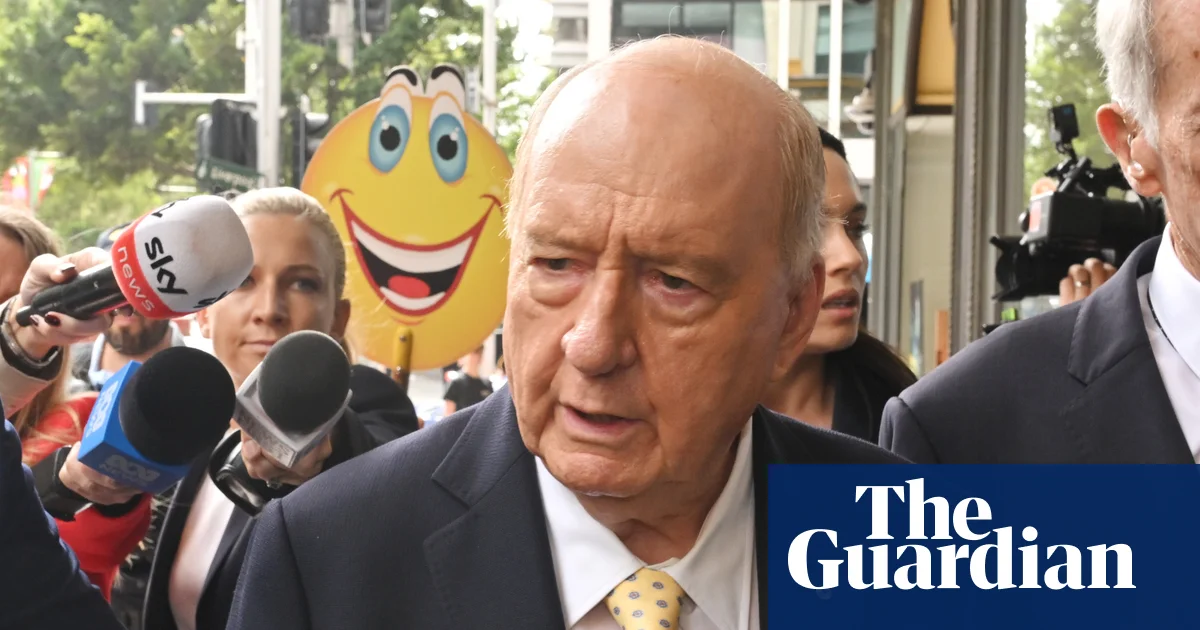
Lawyer Claims Witnesses Could Exonerate Alan Jones from Abuse Allegations

International Reflections on Justice and Power as Allegations Reshape Societies

In recent times, global institutions and nations face an extraordinary level of introspection as deeply personal legal battles unfold within national borders, illustrating how legal processes can mirror broader societal shifts. The controversial case of Alan Jones, an influential media figure in Australia, exemplifies a crucial turning point in how societies scrutinize authority, reputation, and the power dynamics embedded within public discourse. As Jones stands accused of serious sexual misconduct, a broader dialogue emerges about the intersection of justice, freedom of speech, and societal values on a global scale, echoing debates across democratic and authoritarian regimes.

This case underscores the geopolitical impact of national legal proceedings that extend beyond borders. While Jones’s trial is rooted in local Australian law, the ripple effects reach into international discussions about truth-seeking and accountability—themes universally resonant in a world grappling with #MeToo movements and the fragile balance between individual rights and societal stability. Historians and analysts note that such legal controversies, especially involving figures of magazine prominence, serve as test cases where societal norms, media influence, and political agendas converge, revealing the underlying fault lines in liberal democracies. The international community watches keenly, knowing that outcomes here could influence future standards of accountability and defamation laws across nations striving for justice in complex media landscapes.

Furthermore, the case of Alan Jones puts a spotlight on the judicial processes that shape how crimes are investigated and prosecuted in the digital age. The ongoing legal dispute illustrates how information—particularly sensitive evidence—can be weaponized or obscured, prompting global institutions like the United Nations and European Court of Human Rights to increasingly focus on safeguarding due process. The controversy also raises crucial questions: When allegations threaten a figure’s reputation, how do societies balance due process with the demand for transparency? The delayed handling of evidence, navigating issues of privilege and privacy, exemplifies the complex international negotiations necessary to uphold justice across borders, especially when accusations involve multiple jurisdictions.

In essence, the narrative of Alan Jones transcends Australia’s shores—serving as a reflection of the worldwide scramble to redefine societal values amidst rapid cultural shifts. As political analysts suggest, the decision to either support or condemn influential figures like Jones forms a barrier in the often turbulent path toward societal renewal. The case echoes a cautionary tale: that even the most powerful voices may find themselves operating under the very scrutiny they once wielded—signaling upheaval in how #freedom of speech and moral accountability are negotiated in the 21st century. The unfolding legal drama underscores that history constantly teeters on a knife’s edge, with each new revelation potentially tipping the scales toward justice or chaos. The world remains ever-watchful, knowing that in this age of culture wars and digital transparency, today’s courtrooms could shape the global fabric of societal morality for generations to come.

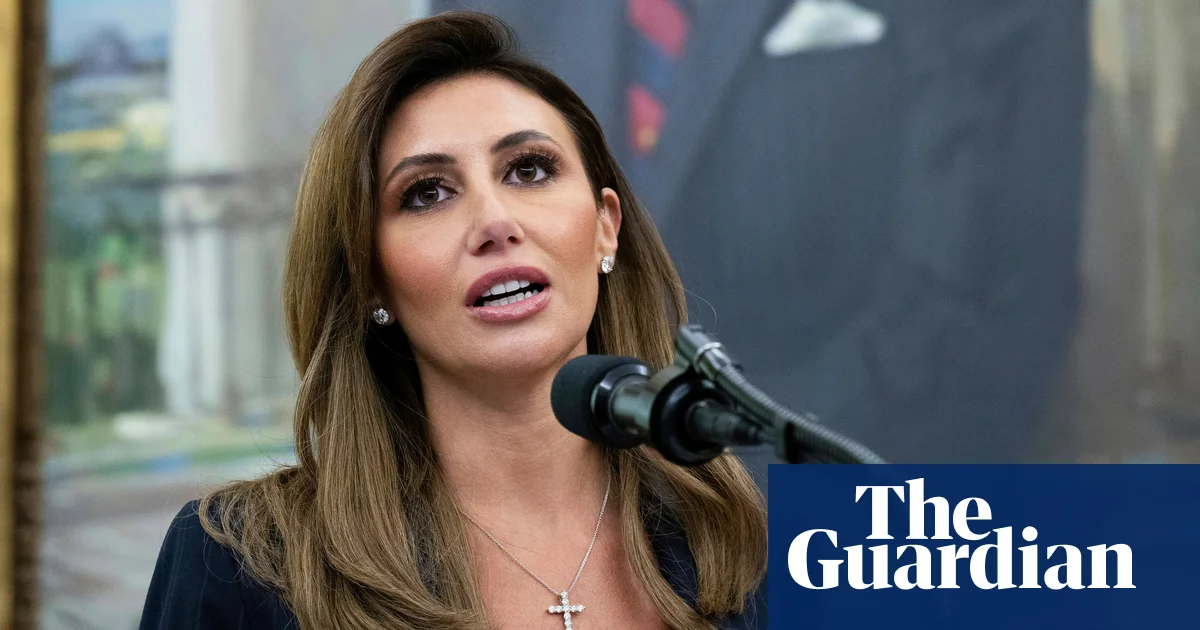
Former Trump lawyer Alina Habba departs as NJ federal prosecutor, signaling shift from Trump era

The recent resignation of Alina Habba, the former lawyer for Donald Trump, from her position as a federal prosecutor in New Jersey underscores a troubling trend in the U.S. justice system’s politicization. Her departure follows a series of judicial rulings that deemed her appointment unlawful—a move that highlights ongoing struggles over administrative legality and executive authority. Despite maneuvering by the Trump administration to preserve her role even after her interim appointment expired, the judicial branch reaffirmed limits on political interference in federal appointments. This development signals deeper conflicts over the role of law and order in America’s current partisan landscape and raises questions about the implications for the rule of law across the nation.

This episode is not merely about one individual but reflects a broader power struggle between incoming and outgoing administrations. Federal judges in New Jersey stepped in to rectify what they considered an unlawful appointment, forcing the Department of Justice to reconsider its approach to political staffing.

  • Michael Bitzer, a political analyst, warns that such judicial rulings could set a precedent that limits partisan appointments, possibly paving the way for increased judicial oversight in federal staffing decisions.

Meanwhile, Trump voiced his concern over the breakdown of the “blue slip” — a tradition allowing home-state senators to vet judicial nominees—claiming it has been exploited to block Republican appointees. His remarks point to an increasingly polarized confirmation process that complicates the functioning of federal institutions and further destabilizes the balance of power.

On a broader international scale, this internal U.S. debacle reflects the increased geopolitical consequences of internal political instability. The United States remains a pivotal actor on the global stage, and its ability to project power hinges on its internal coherence. The reluctance or outright refusal to confirm qualified judicial and executive appointees is viewed by many overseas analysts as a sign of weakening American governance. This perceived decline could embolden rival powers like China and Russia to challenge U.S. influence, especially in regions where American credibility depends on its adherence to legal and institutional norms. Historically, internal dysfunction has often been exploited by emerging powers seeking strategic advantages in a multipolar world.

As historians and international organizations warn of the dangers inherent in politicized institutions, the culminating events in Washington serve as a stark reminder that the course of history is still being written. The decision whether to uphold the rule of law or succumb to partisan expediency will determine not only the fate of America’s legal order but also its capacity to serve as a beacon of stability and justice worldwide. In this moment, the world watches as the foundational pillars of American democracy are tested—could this be the beginning of a new chapter marked by resilience, or a descent into chaos, the echoes of which will resonate across generations?

Social Media Auto Publish Powered By : XYZScripts.com



