Matox News

Truth Over Trends, always!

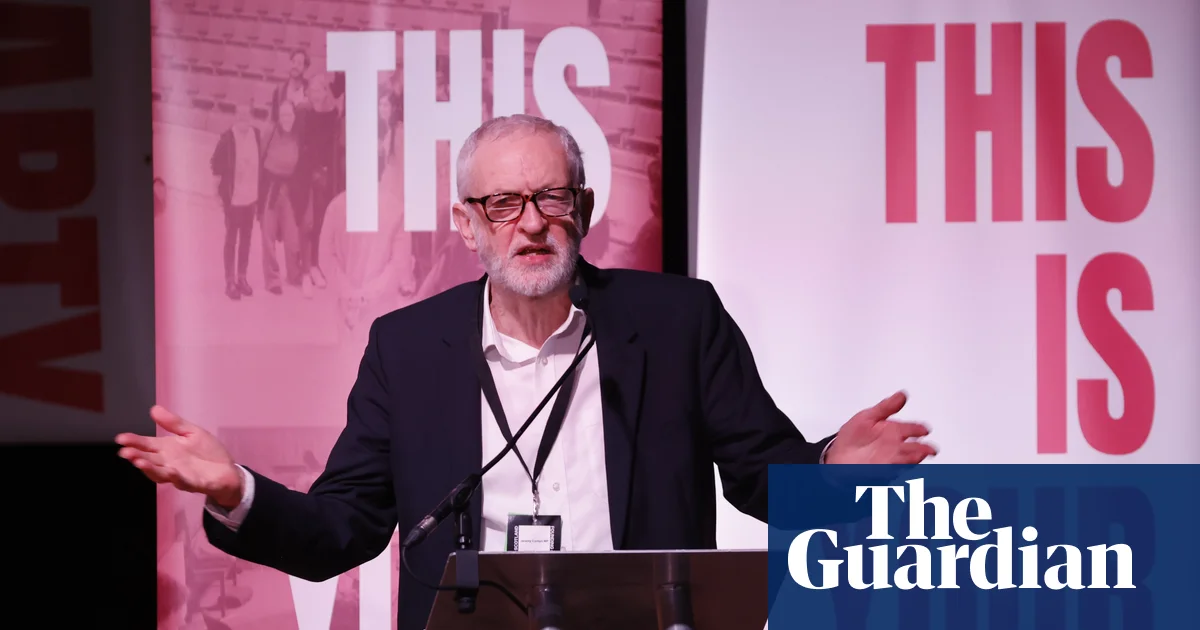
Corbyn Named Your Party Leader; Sultana Joins Leadership Team

Leadership Reshuffle in Your Party Signals Geopolitical Shift Amid Internal Turmoil

In a significant political development, Jeremy Corbyn is poised to assume the role of de facto leader of Your Party, marking a pivotal moment in its evolution. The recent internal elections saw Corbyn-backed candidates secure a dominant 14 of the 24 seats on the party’s central executive committee (CEC), signaling a substantial shift towards a more radically progressive and socialist vision. This factional victory underscores a broader ideological fracture with the party’s other prominent figure, Zarah Sultana, whose supporters managed to secure only seven seats. The electoral process, with a turnout of 61%, reflects a mobilized segment of the party base that remains entrenched in the debate over the party’s future trajectory.

Corbyn’s winning bloc, branded as “The Many”, aims to forge a coalition focused on addressing critical issues such as the cost of living, housing crises, and Palestine — themes resonating among the party’s grassroots. Meanwhile, Sultana’s Grassroots Left faction accentuates the importance of member democracy and warns against a perceived drift towards “Labour 2.0”, an insidious shift they argue could dilute revolutionary socialist principles. This internal struggle is emblematic of a wider fight for geopolitical influence within Your Party, with each faction advocating divergent visions that could significantly influence external policy stances, especially regarding international conflicts and diplomatic alignments.

The broader geopolitical impact cannot be underestimated, as international actors watch these power plays with keen interest. Analysts from institutions like the International Crisis Group warn that the victory of Corbyn-aligned factions could propel Your Party into a more anti-imperialist and anti-Zionist stance, potentially straining diplomatic relations with allies and rivals alike. As Russia and China scrutinize Western internal disputes, the outcome of this leadership contest will resonate beyond national borders, influencing international perceptions of the political landscape and the future of socialist alliances.

While the internal conflict persists, historians and political strategists have emphasized that such divisions often serve as a crucible for transformative change. The deeper question remains: how will Your Party navigate its internal dialectic, and what global alliances or confrontations will emerge from this internal power struggle? As the party attempts to turn a new page after months rife with accusations, expulsions, and legal disputes, it exemplifies a broader scene unfolding worldwide—one where ideological purity battles for dominance, reshaping the very fabric of political allegiance and international diplomacy. The world watches with bated breath, sensing that the outcomes here may very well echo loudly through the corridors of power for decades to come.

Montana Firefighter and Union Leader Battles to Prioritize Workers' Voice in the Big Sky State
Montana Firefighter and Union Leader Battles to Prioritize Workers’ Voice in the Big Sky State

In an era where geopolitical stability is increasingly intertwined with domestic policy shifts, the United States faces a pivotal crossroads. Recent upheavals within the U.S. Forest Service highlight the deeper fissures in the American political landscape—fissures that echo far beyond the borders of Montana. The abrupt termination of a quarter of Montana’s Forest Service employees, many with decades of service and personal hardship, exemplifies a trend of fiscal austerity measures and ideological assaults on public land stewardship. Such actions raise questions about how the priorities of government influence societal cohesion and the international reputation of a nation that claims to champion environmental conservation and social justice.

The story transcends local employment issues; it illustrates the concerted efforts by political elites, notably former Interior Secretary Ryan Zinke, to leverage public lands for corporate gain. Zinke’s record—characterized by his return to Congress and his tight alignment with industry interests—underscores a broader national and global debate. Critics argue that policies favoring extractive industries, under the guise of defending public lands, threaten not only environmental integrity but also social equity. International watchdogs, like the United Nations Environment Programme, warn of the long-term geopolitical consequences of unchecked resource exploitation—potentially fueling regional conflicts, displacing indigenous communities, and undermining international conservation treaties.

Within this turbulent domestic landscape, independent voices like Sam Forstag are emerging as defenders of the working class. Forstag’s candidacy for Congress disrupts the traditional politicization of public lands and workers’ rights—a battle that resonates globally. His campaign reflects a larger movement rallying around tangible policy solutions, including

  • expanding affordable housing
  • universal childcare
  • reforming healthcare

. Such policies, analysts argue, are essential not only for restoring domestic stability but also for asserting national sovereignty amidst powerful global forces seeking to suppress those who stand for their communities. The debate is about more than elections; it is about the future direction of a nation that once championed individual enterprise and community resilience, now threatened by a tide of corporate imperialism.

As the 2026 midterms approach, the world’s gaze turns to Montana—yet what unfolds there will ripple across seas and continents. The fate of leaders like Zinke and insurgent voices like Forstag is intertwined with the international ecosystem of geopolitics and environmental stewardship. The narrative of American policymaking underpins the shifting alliances and power dynamics that shape global stability. With each contested vote and policy battle, history is being written—one that may determine whether nations capita­lize on newfound unity or succumb to division and exploitation. The weight of history, once unfathomable, now presses firmly on this pivotal chapter: will the choices made today solidify a future of resilience and national sovereignty, or carve a path toward perpetual chaos? The answers remain unwritten, but the story is far from over.

Council Leader Charges Local Authority Used ‘Bullying’ Tactics to Delay Elections for More Funding and Power | Local Elections

The recent turmoil within UK local governance has ignited a fierce debate about the limits of government authority, transparency, and the future of devolution initiatives. At the heart of this controversy lies Norfolk, where council leader Kay Mason Billig has publicly accused the UK government of “bullying” her authority into postponing elections in exchange for promises of additional funding and devolved powers. Her adamant withdrawal from the longstanding devolution plans signals a growing mistrust among local leaders regarding the national government’s role in regional autonomy, exposing underlying tensions that threaten to undermine a key component of the government’s decentralization agenda.

Billig’s stance follows the government’s abrupt reversal on plans to postpone local elections—initially scheduled across 30 councils—after persistent legal challenges by reform-minded parties such as Reform UK. This flip-flop has created chaos at a pivotal moment: officials now confront the daunting task of organizing ballots within an unexpectedly compressed timeframe, casting doubt on the very future of the largest local government restructuring in five decades. Historians and political analysts warn that such indecisiveness not only destabilizes local governance but also damages the credibility of Westminster’s broader decentralization efforts, risking a disillusionment that could resonate across the UK’s political landscape.

The broader geopolitical impact of this internal crisis extends beyond immediate administrative chaos. Britain’s experiment with devolution and local reform is often viewed as a key case study for other nations balancing central authority and regional independence. Critics argue that the government’s interventions, perceived as heavy-handed, undermine the very local democracy they seek to empower. As some council leaders like Daniel Elmer question the promised benefits—especially the purported financial and administrative efficiencies—concerns grow about whether UK policymakers truly understand the societal fabric they’re attempting to reshape. The implications are profound: should such reforms falter under internal dissent, it could send a destabilizing message to allies and adversaries alike about the UK’s capacity to manage its political evolution domestically.

International observers, including think tanks and global governance experts, highlight how internal political discord over devolution reflects a broader international trend: the delicate balancing act of decentralization amid the competing interests of central governments and local communities. As London faces mounting criticism from opposition factions and civil society, the question arises: will Britain sustain its devolved framework or revert to more centralized control? With key figures like Nigel Farage calling for accountability and demanding leadership accountability, and others defending the government’s stance as an adherence to the rule of law, the struggle embodies a fundamental challenge—how to uphold democratic decentralization without risking chaos or loss of cohesion.

Ultimately, the unfolding narrative in Britain underscores a pivotal moment in history—where decisions made in the corridors of Westminster could define the future structure of a nation, or perhaps, herald a period of profound internal realignment. As the dust settles on this political tempest, one thing remains clear: the fate of local governance, much like the tides of international diplomacy, is often dictated not by the calm of consensus but by the tumultuous forces of conflicting interests. The pages of history continue to turn, each chapter revealing new struggles, new compromises, and the unyielding march of time—reminding all that even in times of apparent chaos, the world watches and waits for the next move that could shift the course of nations forever.

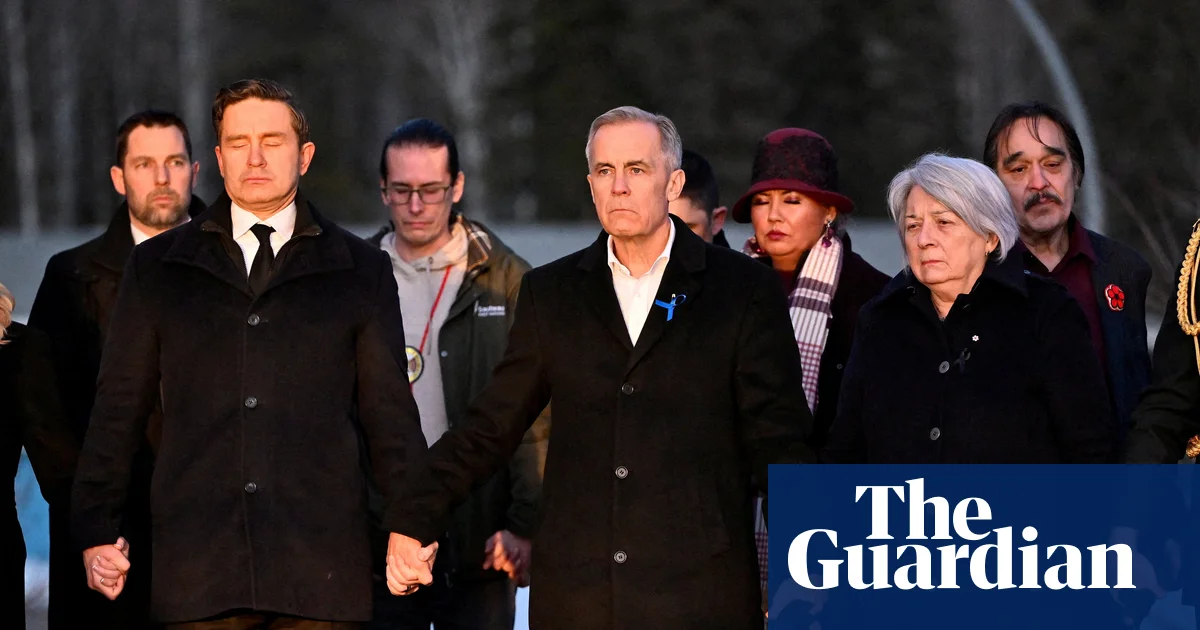
Mark Carney sides with opposition leader to honor victims of Tumbler Ridge school shooting

In a stark reminder of the persistent challenges facing societies worldwide, the recent tragedy in Tumbler Ridge, Canada, has drawn international attention and provoked a wave of reflection on how nations respond to internal crises. During a solemn candlelight vigil, Prime Minister Mark Carney—a figure traditionally associated with financial diplomacy—offered heartfelt words of solidarity to the devastated community. His presence, alongside opposition leader Pierre Poilievre and indigenous leaders, signified a rare moment of political unity amid a deeply painful national event. This tragedy, now etched into the annals of Canadian history, spotlighted the domestic implications of violence and their reverberations across global geopolitical landscapes.

  • The attacker, an 18-year-old transgender woman, opened fire at Tumbler Ridge Secondary School, claiming five students and a teacher before taking her own life.
  • Victims’ families and community members received briefings and condolences from political leaders, emphasizing the importance of national cohesion in the face of internal strife.
  • Canadian authorities described the incident as a case of the perpetrator “hunting,” and police confirmed the chaos was not targeted at specific individuals but rather indiscriminate in its violence.

Despite the tragic details, international analysts underline a broader geopolitical resonance — especially as Canada grapples with internal divisions and its role on the global stage. The unity displayed by Carney and Poilievre, who momentarily set aside partisan differences, has been lauded as essential to preserving societal stability. Historically, moments of national trauma have tested the resilience of democracies and their ability to project strength abroad. As noted by geopolitical scholars, these internal fissures can be exploited by foreign adversaries to weaken a nation’s standing, particularly in a world growing more multipolar and volatile.

International organizations have watched closely, with some questioning whether domestic tragedies will influence Canada’s foreign policy or its diplomatic posture. The incident underscores how internal security issues are intertwined with international perceptions of a country’s stability. The recent upheaval in Tumbler Ridge acts as a microcosm of the challenges faced by Western democracies—balancing civil liberties and public safety. Former historians and analysts warn that such events serve as pivotal moments that could swing national policies, fuel security measures, and influence the narrative in international forums.

Looking forward, the community’s resilience, exemplified by the local leaders’ call for grace and perseverance, signals an enduring struggle with the social fabric of modern societies. As British Columbia’s Premier David Eby emphasized, the commitment to providing a safe environment for students to return to school reflects a broader commitment to national stability. Still, the scars of this tragedy remain, and the weight of history looms large. Will these events catalyze meaningful change or be overshadowed by future crises? Only time will tell. In the echoes of this tragedy, the world witnesses not just a nation mourning its children but a society at a crossroads—one extension of history’s long, turbulent journey toward understanding, strength, and enduring resolve.

Can Bangladesh's new leader deliver real change after the decisive election win?
Can Bangladesh’s new leader deliver real change after the decisive election win?

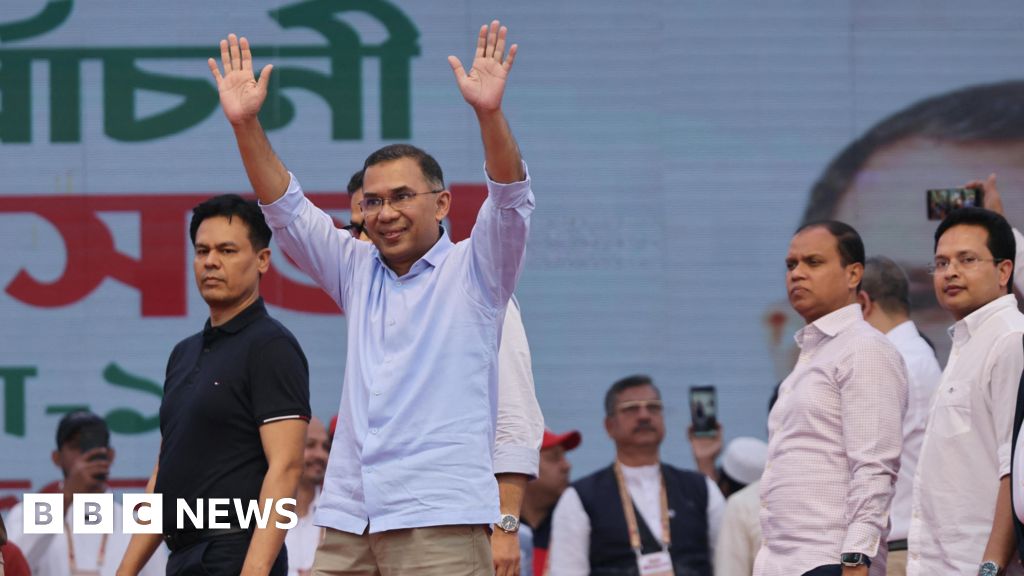
In a significant development unfolding in Bangladesh, Tarique Rahman is poised to assume the position of prime minister, just 18 months after a wave of mass protests led to the ousting of the nation’s longest-serving leader. This political shift signals not only a change in leadership but also a potential realignment of regional influence and domestic policy direction, with profound geopolitical implications for South Asia. As analysts scrutinize the unfolding scenario, the global community observes with cautious interest, knowing that such leadership transitions can define a nation’s trajectory for decades to come.

Rahman’s impending ascension comes after tumultuous protests that challenged the established political order. Many see this as the culmination of persistent calls for reform, yet it raises questions about the broader stability of Bangladesh. Historically, Rahman, son of influential political figure Begum Khaleda Zia, has been a controversial figure, both revered by supporters and criticized by opponents for his association with past political conflicts. International political analysts such as those at the Council on Foreign Relations have emphasized that Rahman’s rise could herald a new chapter — one that might either stabilize or further polarize a nation already grappling with economic and social issues.

The geopolitical impact of this transition extends beyond Bangladesh, affecting regional relations with neighboring India, China, and the broader Indo-Pacific. As the country re-enters a phase of political redefinition, the influence of China and India looms large—each vying for strategic leverage in the world’s eighth most populous nation. The prospective leadership of Rahman could influence Bangladesh’s foreign policy stance, with potential shifts toward aligning more closely with China’s Belt and Road Initiative or reaffirming ties with India, considering its strategic importance and shared borders. This political recalibration is being closely monitored by international bodies like the United Nations and ASEAN, which emphasize stability in South Asia as critical to regional peace.

However, historical voices warn that such rapid political shifts often carry risks. Renowned historians and geopolitical analysts have noted that leaderships emerging from unrest sometimes face legitimacy challenges, internal divisions, and external pressures. The current upheaval in Bangladesh underscores the fragile balance between reform and chaos, reminding the global audience that decisions made today can reverberate across generations. As the country moves forward with Tarique Rahman at its helm, the weight of history seems to hang thick in the air — a testament to the fact that in the dance of nations, the steps taken now will shape the world order tomorrow. In the unfolding chapters of this story, the true impact of this leadership transition remains to be written, but its echoes will undoubtedly resonate far beyond the shores of Bangladesh.

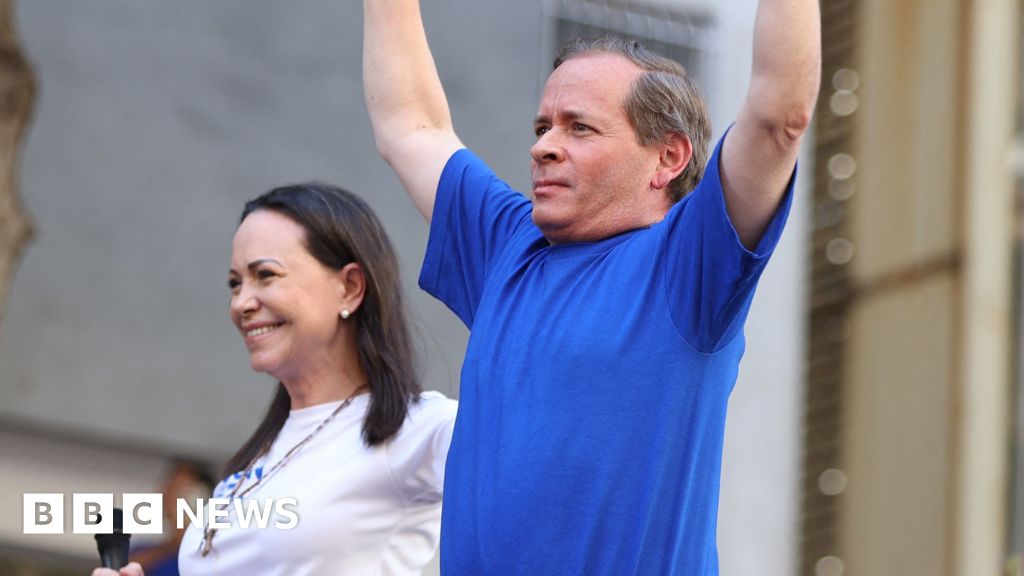
Venezuela Releases Key Opposition Leader Juan Pablo Guanipa

Historic Release of Political Prisoners Marks a Turning Point in Justice First Party’s Struggle

In a decisive move that could reshape the political landscape of Venezuela, the interim government announced the release of 18 political prisoners on Sunday. Among those set free is the leader of the Justice First party, a prominent figure whose detention had symbolized years of political repression. This unprecedented decision signals a potential shift towards dialogue and reforms, yet it also prompts a careful examination of the geopolitical repercussions that could ripple across the region.

The release was characterized by government officials as a step towards greater political openness and reconciliation. Analysts from the International Crisis Group suggest that this gesture, while significant, is also a strategic move designed to garner international legitimacy ahead of key negotiations. Historically, such moves have been used by interim governments to placate foreign powers and prepare the ground for broader political reforms. The United States and several Western allies, which have long called for the release of political prisoners, welcomed the development but emphasized the necessity for further steps toward democratic normalization. In contrast, critics within Venezuela argue that this release is merely superficial, serving as a standard procedure to ease mounting international pressure rather than indicating genuine reforms.

This development arrives at a critical juncture for Venezuela, which has been embroiled in political turmoil and economic crisis for over a decade. The decision to free these prisoners underscores an evolving calculus among the country’s leaders, who now appear to be weighing the benefits of engagement against the persistent risk of instability. As commented by scholars like Dr. Lucia Fernandez, “The release signifies more than just the freedom of individuals; it’s a barometer of shifting power dynamics that could either herald democratization or serve as a temporary appeasement.” The true geopolitical impact will depend on how domestic forces and international actors interpret and leverage this move moving forward.

The regional implications are profound, especially given Venezuela’s position as a key player in Latin America. The country’s political trajectory has always influenced the broader geopolitical balance, with neighboring states closely monitoring internal developments. The release of prisoners might signal an easing of authoritarian grip, encouraging similar moves in countries like Bolivia and Ecuador, where democratic struggles continue. Conversely, opponents warn that without substantive reforms, these releases could become fleeting window dressing, delaying the inevitable confrontation between authoritarian tendencies and democratic aspirations. The decision also raises pressing questions about the role of international diplomacy, with global bodies such as the Organization of American States (OAS) and the United Nations watching intently, ready to call for further action or verify commitments to democratic practices.

At this volatile crossroads, history remains to be written. The actions of Venezuela‘s interim government could either propel the nation towards genuine political renewal or deepen internal divisions, with consequences echoing beyond its borders. As analysts and international observers grapple with this complex transition, the fate of these political prisoners symbolizes more than loss and liberation; it embodies the very soul of a nation standing at the edge of transformation. Will this act be remembered as the dawn of renewal, or merely a fleeting pause in an ongoing struggle for freedom? Time, and history itself, will ultimately hold the answer.

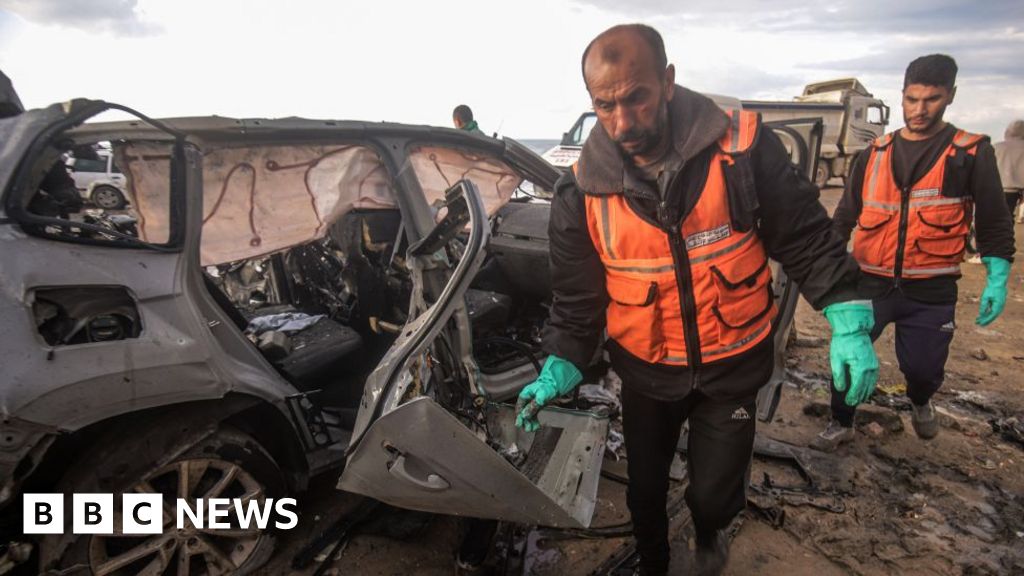
Israel hits top Hamas leader in major Gaza strike

The recent precision strike by Israel targeting a senior Hamas commander in Gaza underscores the ongoing volatility and deeply entrenched conflict in the region. The elimination of Raed Saad, the head of weapons production for Hamas’s military wing, the Qassam Brigades, signifies a calculated escalation by Israeli forces amid heightened tensions following the October 7 attacks, which resulted in over 1,200 deaths and more than 250 hostages taken. The extent of this operation reveals the precise nature of Israel’s military approach, aimed at dismantling Hamas’s leadership structure, yet it also amplifies international concerns regarding the broader humanitarian crisis unfolding in Gaza.

  • In the aftermath, reports from Gaza suggest that multiple casualties resulted from the strike, including Saad’s aide and another lower-ranking official, raising questions about the collateral damage inflicted on civilians.
  • The strike took place within a sensitive border area controlled by Israel, near the so-called Yellow Line, since 10 October, when a shaky US-led ceasefire was established. This fragile peace continues to be tested as violence persists on both sides, with analysts warning of how such targeted killings risk unleashing further cycles of retaliation.
  • Israel’s ongoing efforts to eliminate key Hamas figures, including Saad who had survived multiple prior attempts, illustrates its unwavering resolve to weaken the militant organization’s capabilities. However, critics argue that such tactical moves could undermine the broader geopolitical stability of the region, potentially emboldening hardline factions and complicating diplomatic prospects.

Meanwhile, international organizations and security analysts are closely monitoring how these events shape the ongoing saga of the Palestinian-Israeli conflict. The Biden administration’s support for Israel’s right to defend itself remains firm, even as the humanitarian toll in Gaza mounts to catastrophic levels. The UN and human rights groups continue to voice concerns about the sheer scale of Palestinian casualties—more than 70,000 fatalities reported by Hamas-run health authorities—highlighting the devastating impact on civilians caught amidst military operations. These developments have so far stalled any meaningful progress towards lasting peace, leaving millions in limbo as the specter of war looms large.

Driven by this escalating cycle of violence, the geopolitical landscape shifts once again with the implementation of President Trump’s 20-point peace plan. Its core premise involves disarmament of Hamas, regional de-radicalization, and the establishment of a transitional Palestinian governance under an international “Board of Peace,” overseen by a reconfigured U.S. administration. While many in Israel oppose a Palestinian state, viewing it as a security threat, others see this framework as a potential pathway to stability—if all parties commit to the arduous process of reconciliation. The plan’s future hinges on complex negotiations, with Benjamin Netanyahu set to meet President Trump on 29 December to discuss its prospects, a meeting that could determine whether the region steps toward a long-awaited resolution or descends further into chaos.

As history continues to unfold, analysts warn that the decisions made in these perilous moments will resonate for generations. The fate of Gaza, the resilience of its people, and the security of Israel are all intertwined in a web of geopolitical ambitions and regional loyalties. In this crucible of history, where peace remains elusive, the weight of unresolved conflicts demands not only strategic resolve but visionary leadership—lest the promise of peace be forever overshadowed by the shadows of war.

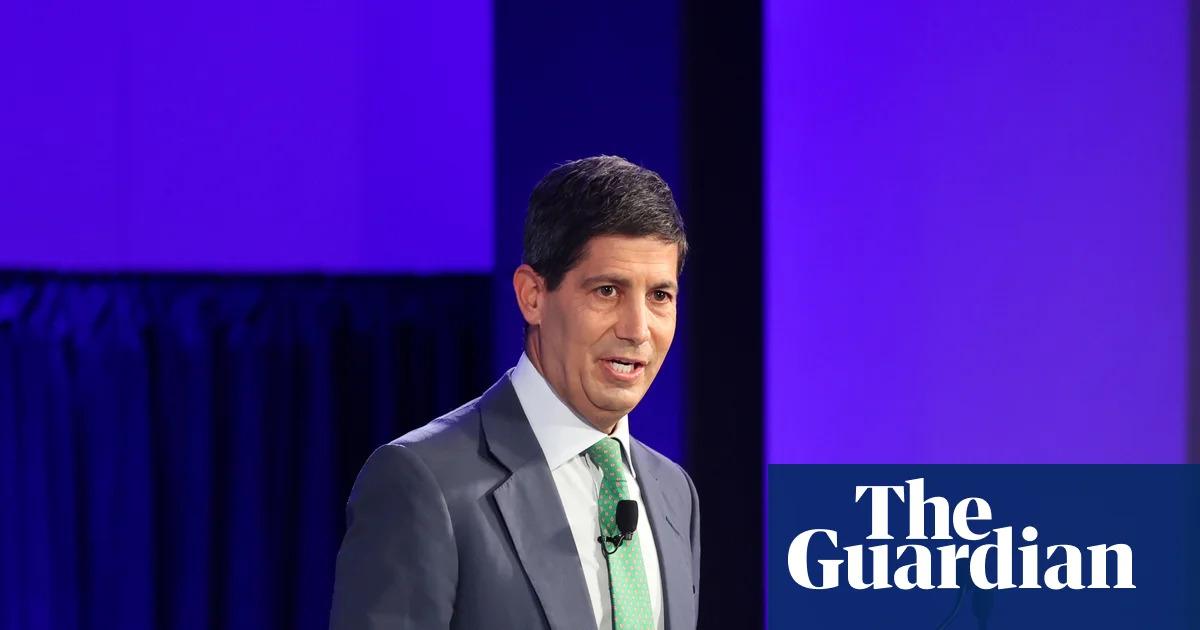
Trump urges Fed to heed his voice as he chooses new leader: ‘I’m a smart voice’

The United States finds itself in a turbulent era where the traditional independence of its central bank is being pushed to the brink. President Donald Trump has openly declared that he “should be listened to” by the Federal Reserve, signaling a bold challenge to the institution’s historical autonomy. As Trump weighs potential candidates to lead the Fed—most notably former Fed governor Kevin Warsh—the political pressure is mounting, with implications reverberating far beyond America’s borders. This unprecedented move underscores a larger trend where economic policy decisions are increasingly tangled with political agendas, raising alarms among global economists and analysts.

Traditionally, the Federal Reserve has operated as an independent entity, insulated from the political whims of sitting presidents. However, Trump’s vocal interference, including public attacks on current Chair Jerome Powell and attempts to influence rate-setting decisions, threaten to erode this independence. Powell’s cautious approach—resisting Trump’s calls for drastic rate cuts—has become a focal point of intra-governmental conflict. The president’s direct involvement in choosing a successor hints at a shift where economic stability and global markets could become pawns in political struggles. Analysts warn that this interference might diminish the credibility of the Fed, which could lead to increased market volatility and a loss of investor confidence worldwide.

The geopolitical impact of these developments cannot be overstated. As America grapples with internal political pressure, its relationship with key international economic institutions becomes more strained. The potential for a Fed influenced by partisan politics raises concerns among allied nations and rival powers alike. In particular, China and Russia, observing America’s internal turmoil and the potential weakening of its economic governance, may seek to exploit this vulnerability. The International Monetary Fund and other global monitors have started to warn that politicized monetary decisions could spark ripple effects, destabilizing the already fragile post-pandemic recovery in emerging markets and shifting the global economic balance of power.

Historically, figures such as Ben Bernanke and Janet Yellen emphasized independence of central banks as vital for maintaining economic stability. Today, Trump’s push to curtail this independence signals a shift that might redefine the very role of monetary policy in the 21st century. The analysis of geopolitical strategists suggests that the internal fight over the Fed’s leadership is an indicator of larger shifts towards greater nationalistic control over economic institutions. Whether this marks an inevitable deterioration or a turn towards a more politically accountable central banking system remains a question with profound implications. As the world watches, the unfolding saga of the US’s monetary leadership stands as a potent reminder that the decisions made in Washington will echo across borders, shaping the future of international monetary stability and societal prosperity.

In the grand theater of history, this chapter may be remembered as the moment where an economic empire’s internal integrity was tested by political ambitions. The clash between independent monetary policy and political interference sets the stage for a tumultuous era—one in which the outcome could determine the fate of global economic governance for generations. With each passing day, the weight of history presses heavily upon the shoulders of policymakers, and the world holds its breath to see if the next chapter will forge a path towards stability or descend into chaos—a testament to the enduring struggle between power and prudence in shaping our shared destiny.

Labour Taps Members for Next Leader Amid Party Power Play – UK Politics

Uneasy Winds of Change Blow Across the Global Horizon and UK Political Landscape

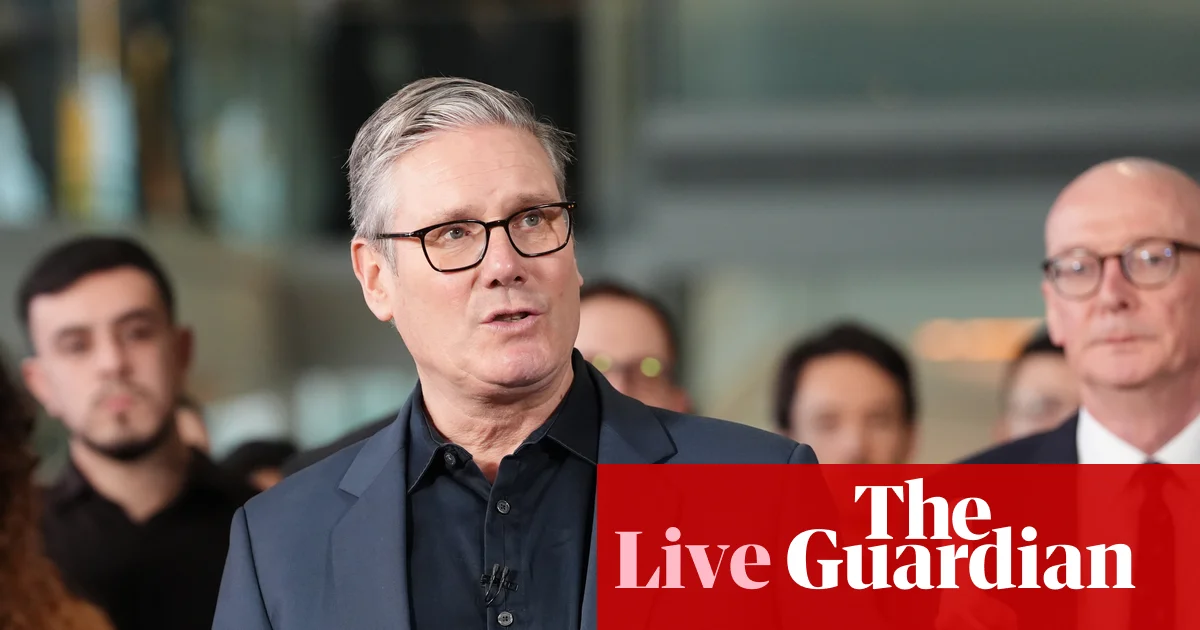
As Britain charts its turbulent course amidst mounting European diplomatic tensions and internal political upheaval, the global framework under which nations operate faces undeniable flux. In a significant diplomatic gesture, Prime Minister Keir Starmer is hosting a high-stakes summit in Downing Street, bringing together European leaders and the controversial Ukrainian President, Volodymyr Zelenskyy, signaling yet another chapter in the ongoing saga of East-West tensions. This assembly is not just about regional security but reverberates far beyond, highlighting the delicate balance of power within NATO and EU corridors amid the ominous shadow of an unsettled European strategic landscape. According to international analysts, such gatherings are pivotal, potentially reshaping alliances and NATO’s strategic posture in the face of renewed hostilities and diplomatic unpredictability, especially considering the specter of Russia’s ambitions.

Meanwhile, London’s political arena pulses with new energy, as Keir Starmer unveils a bold £725m initiative aimed at integrating 50,000 young Britons into the workforce through expanded apprenticeships. This move is widely viewed as a calculated economic and social maneuver, designed not only to address youth unemployment in the long-term but to bolster Britain’s economic resilience against the backdrop of global instability. Such policy decisions underscore how internal domestic strategies are increasingly intertwined with the broader geopolitical narrative. With the government also fostering localised control over funding and expanding regional cooperation, the move signals an intent to fortify the nation’s labor market, aiming to emerge from economic uncertainties stronger and more autonomous. Notably, these reforms seem to also serve as a political counterbalance amid concerns over internal leadership stability and upcoming party leadership contests within Labour, hinted at by recent insider polls and strategic surveys among party members.

Within the UK’s splintered political spectrum, the potential for a leadership reshuffle remains palpable. Reports indicate that Labour Party insiders are secretly canvassing elite opinion, contemplating whether to pursue an internal leadership challenge potentially within the next year. Such maneuvering is not merely about personality debates but about signaling a shift in policy directions—a move perceived by many as a safeguard against the perceivedLeft-leaning drift represented historically by figures like Jeremy Corbyn. Crucially, behind closed doors, figures such as Angela Rayner and Lucy Powell are seen as front-runners for a renewed leadership bid, aimed at presenting the party as a formidable challenger capable of seizing electoral victory in a volatile political climate. Meanwhile, policy questions about principles versus pragmatism are dividing party ranks, echoing broader concerns about ideological purity versus electoral pragmatism in the context of Britain’s upcoming general election. The unresolved dynamics of this leadership shuffle cast a long shadow over Britain’s internal stability—a mirror to the wider geopolitical uncertainties that threaten global order.

The Weight of History Yet Unfolding

Throughout this turbulent day, history’s relentless march continues, with the world hanging on the precipice of transformation—fragile yet unyielding. As Britain navigates its internal strife, with power plays hinting at a potential upheaval, its global posture remains intertwined with the stormy geopolitical currents rippling across Europe and beyond. In the shadows of these shifting alliances and domestic power struggles, one truth is emerging: the decisions made today will echo through the corridors of history, shaping nations and societies well into the twilight of the 21st century. How long this fragile equilibrium will last is uncertain, yet as history writes its own unwritten chapters, the weight of tomorrow rests with those courageous enough to steer the course. This unfolding story is far from over—a testament to an age where the tides of power and principle collide in the crucible of a new epoch.

US slams 'vile' death of Venezuelan opposition leader in custody
US slams ‘vile’ death of Venezuelan opposition leader in custody

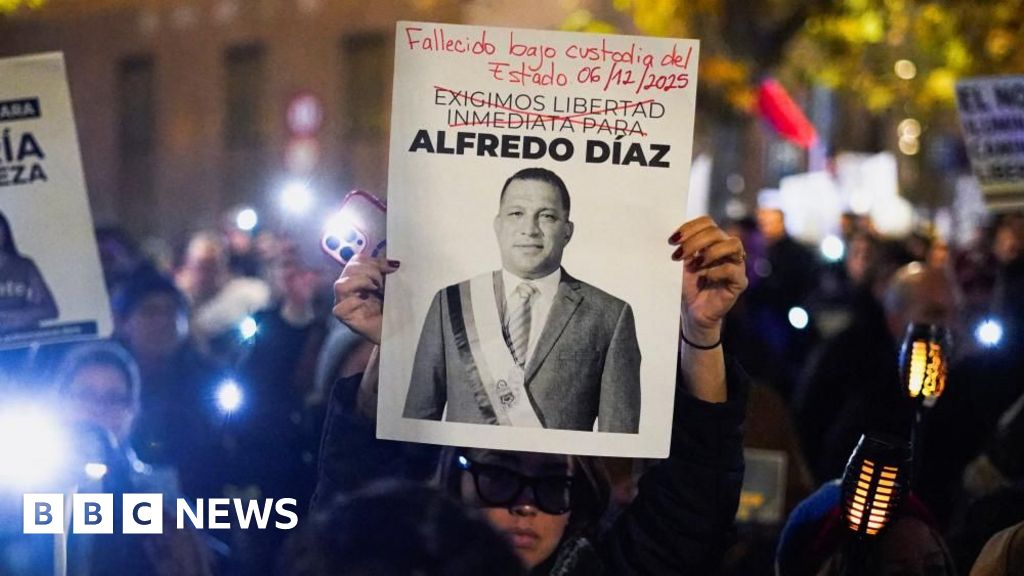
The recent death of Alfredo Díaz, a prominent opposition figure in VENEZUELA, has ignited a fresh international wave of controversy, exposing the fragile state of human rights and political stability in the country. Díaz, detained in the infamous El Helicoide prison for more than a year, was claimed by the Venezuelan government to have died from a heart attack; however, numerous human rights organizations and opposition groups allege that his death is indicative of ongoing political repression and torture. The death comes at a time of heightened tensions between VENEZUELA and the United States, further complicating the geopolitical landscape of the Caribbean and Latin America.

  • The US has condemned the Maduro regime, describing Díaz’s death as a “vile reminder” of Venezuelan authoritarianism.
  • Washington accuses VICE PRESIDENT NICOLÁS MADURO of wielding a brutal “torture center” and arbitrarily detaining opposition figures.
  • Meanwhile, US military maneuvers—including increased naval deployments and deadly strikes on vessels alleged to be involved in drug smuggling—underscore a significant shift in regional power dynamics.

Senior analysts and international bodies warn that these developments represent a critical turning point in US-Latin America relations. The US administration, under President Donald Trump, has escalated military and political pressure, alleging that Maduro himself is involved in drug trafficking, even going so far as to label Venezuelan drug cartels as terrorist organizations. This aligns with long-standing US efforts to justify intervention on the pretext of anti-drug initiatives—despite widespread skepticism among experts, including those from the United Nations and regional think tanks, who view these tactics as thinly veiled attempts at regime change.

Historically, VENEZUELA has been a nexus of geopolitical contention, with its vast oil reserves positioning it as a critical piece in regional and global strategic calculations. The recent political upheaval—sparked by disputed elections in 2024, which the opposition claims were neither free nor fair—has only deepened the crisis. Opposition leader María Corina Machado warned that Díaz’s death is not isolated but representative of ongoing repression targeting democracy itself, emphasizing that “another political prisoner has died in Venezuelan jails.” Such narratives have served to rally international condemnation and bolster opposition pressures, further isolating Maduro’s government on the world stage.

The U.S. response has been both diplomatic and military, with officials openly accusing Maduro of “emptying his prisons into the U.S.” and directly linking him to drug cartels. Meanwhile, regional actors like Colombia’s President Gustavo Petro have criticized Washington’s military interventions, claiming they seek to “dominate” Latin America’s sovereignty. The deployment of the largest U.S. naval fleet in decades signals a clear message: the American sphere of influence—once considered waning—remains committed to shaping the future of this troubled region. As the Venezuelan army mobilizes thousands in response to what it calls US “threats,” the potential for open conflict looms, echoing the turbulent history of Cold War proxy struggles and regional Cold War realignments.

As the international community watches with bated breath, the fate of VENEZUELA hangs precariously in the balance. The resumption of diplomatic ties—like the agreement between Maduro and Recep Tayyip Erdogan to revive Turkish Airlines flights—offers a fleeting glimpse of normalcy, yet beneath this veneer, geopolitical forces continue their relentless march. The weight of history presses down on this volatile crossroads, and the coming days may witness a shift that defines generations. For in the corridors of global power, the decisions made today will echo through the ages, shaping the destiny of nations caught in the relentless tide of revolution, repression, and struggle for sovereignty.

Social Media Auto Publish Powered By : XYZScripts.com