Matox News

Truth Over Trends, always!

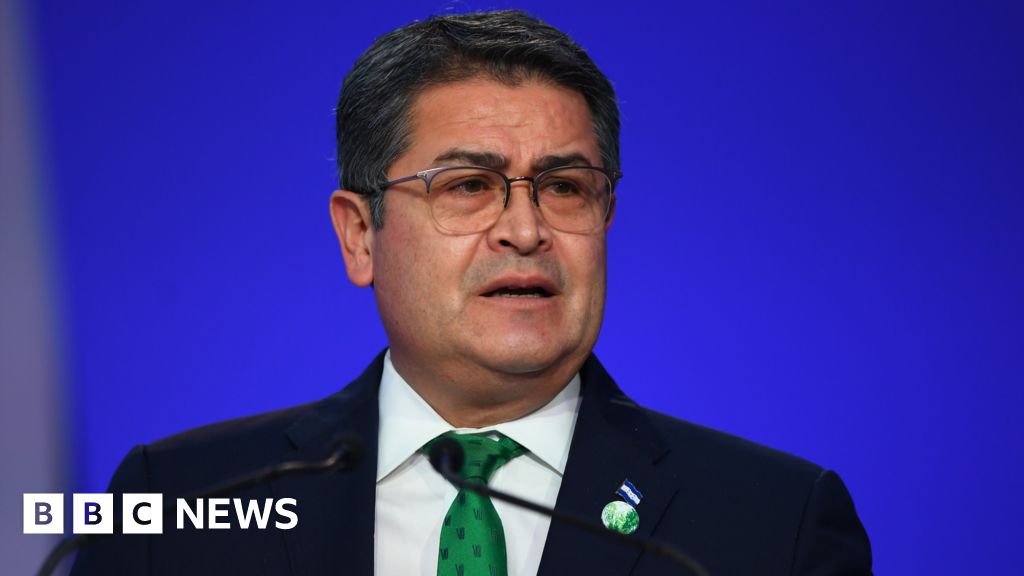
Trump vows to pardon ex-Honduran leader convicted of drug crimes

The recent political developments in Honduras underscore a pivotal moment for regional stability and U.S. influence in Central America. The decision by Donald Trump to endorse the pardon of Juan Orlando Hernández, a former president convicted of drug trafficking, signals a significant shift in perceived justice and diplomatic stance. Hernández’s conviction by a New York jury on charges of conspiracy to import cocaine and possession of machine guns was a landmark case illustrating the extent of drug cartels’ infiltration into political structures. However, Trump’s intervention claims that Hernández was “treated very harshly and unfairly,” echoing longstanding narratives in some political circles that question the U.S. judiciary’s handling of Latin American corruption cases. This move is likely to reinforce anti-establishment sentiments in Honduras, potentially destabilizing efforts to curb illicit trafficking in the region. Such a step not only prioritizes political alliances but also raises questions about how international power dynamics influence local justice systems and the broader fight against organized crime.

Meanwhile, the upcoming Honduran elections highlight a nation balancing between progressive, conservative, and centrist forces. Honduran polls suggest a tight race with candidates including Nasry “Tito” Asfura, the conservative ex-mayor of Tegucigalpa; Rixi Moncada, representing the left-wing Libre Party; and Salvador Nasralla, a centrist television host. President Xiomara Castro’s government maintains a nuanced relationship with Washington, continuing strong economic and military ties—despite her country’s alliances with Cuba and Venezuela. These international relationships highlight the geopolitical tug-of-war unfolding in the region, with the U.S. asserting efforts to counteract drug trafficking and “narcoterrorists,” as articulated by Secretary of War Pete Hegseth. This military intervention, branded as “Operation Southern Spear,” has resulted in over 80 deaths since August, sparking intense debate about its legality and effectiveness. Critics argue that the strikes lack transparency and threaten international laws, emphasizing that the U.S. has yet to provide concrete evidence linking the targeted vessels to drug operations. The specter of external military intervention in Honduras underscores a wider trend—the U.S. increasingly sees the fight against narcotics as a frontline for geopolitical dominance, risking further destabilization or unforeseen consequences.

As the regional political climate heats up, the geopolitical impact becomes undeniable. The alliance between Honduras and the U.S. continues to shape the future—not only through economic and military ties but also via the ideological battles that underpin elections and policy decisions. Historians like John M. Kirk and analysts at the Council on Foreign Relations warn that such interventions often deepen divisions and entrench authoritarian tendencies, undermining efforts for genuine democracy in Latin America. The wartime rhetoric framing drug trafficking as a national security threat raises profound questions: are these actions genuinely meant to combat organized crime or are they more about exerting control over regional allies and resources? With Honduras under the shadow of external influence and internal political discord, the struggle for sovereignty and justice remains a matter of fierce contention. Ultimately, history’s page in the 21st century is turning—a compelling chapter where alliances are tested, convictions are challenged, and the weight of power struggles continues to echo across the Americas, shaping the destinies of nations and societies yet to come.
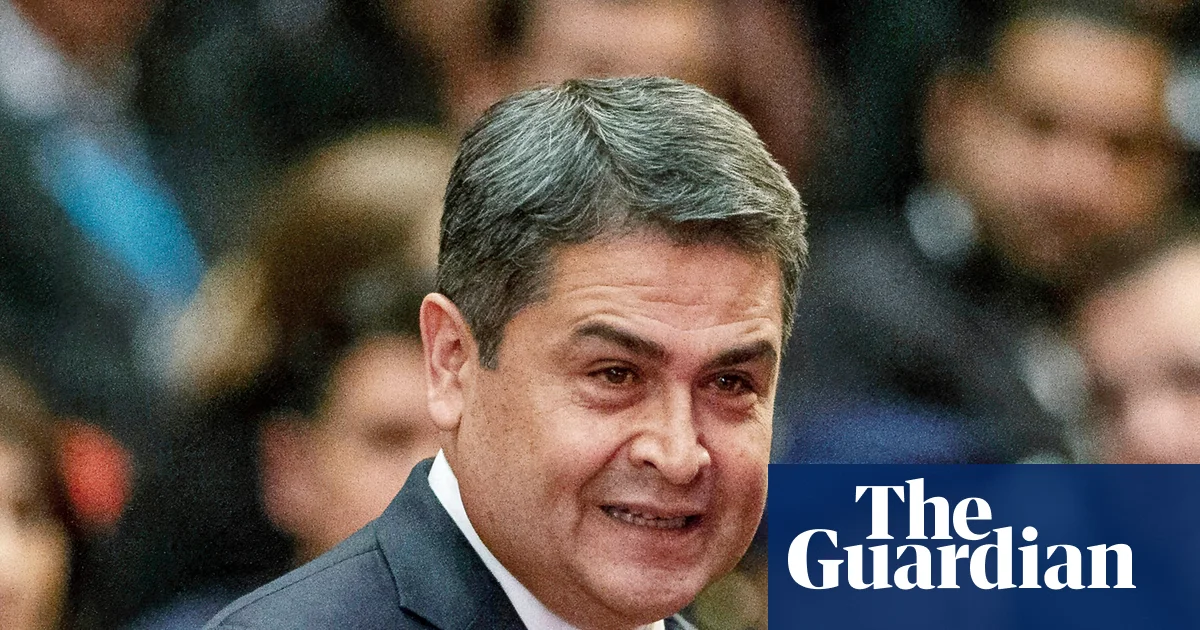
Trump to Pardon Former Honduran Leader Behind Drug Trafficking Conviction

Geopolitical Tensions Surface as Honduras Heads to the Polls Amid Controversial U.S. Interventions

As the Honduran electorate prepares for their upcoming presidential election this Sunday, international observers, including the Organization of American States and Washington, remain vigilant about the political climate and the potential ramifications on regional stability. The race is notably close, with candidates such as Tito Asfura, Rixi Moncada, and Salvador Nasralla vying for leadership of a nation historically caught between external influences and internal strife. Yet, beneath the surface of a democratic process, recent U.S. actions and political maneuvering reveal a more complex, often troubling geopolitical narrative that extends well beyond Honduras’ borders.

Former President Juan Orlando Hernández, now serving a 45-year sentence for accepting bribes linked to drug trafficking, has become a focal point in this international chess game. Just days before the election, Donald Trump declared his intent to issue a full and complete pardon for Hernández, claiming the ex-leader had been treated unfairly. This move underscores Washington’s enduring engagement with Honduras, where Hernández’s tenure was marked by close ties to U.S. interests and an open alliance with anti-drug strategies that often bypassed diplomatic norms. Historically, U.S. policymakers have leveraged such relationships to secure regional parameters that favor their geopolitical objectives, particularly in combating drug flows into America. However, critics argue this approach exacerbates corruption and undercuts democratic legitimacy, especially when the political process becomes entangled with extrajudicial efforts and covert operations.

Implications of U.S. Involvement and Shifting Alliances

  • Honduras has pivoted historically toward U.S. support under Hernández’s leadership, but recent elections pose challenges to this model, with Xiomara Castro pushing a more independent, leftist agenda.
  • Castro’s government, though pragmatically maintaining some cooperation, has openly criticized U.S. policies toward Cuba, Venezuela, and the broader Latin American left, providing a counter-narrative to Washington’s influence.
  • The U.S. claims to combat drug trafficking via designations of cartels as terrorist organizations and conducting military strikes have drawn international criticism for their humanitarian toll, raising questions about the efficacy of such strategies when deployed as tools of foreign policy rather than justice.

Despite the growing tensions, the election’s outcome remains unpredictable, with some analysts warning that the political landscape could further fragment should multiple candidates claim victory—a possibility that could deepen instability in a country vital to U.S. southern policy. Historians and regional analysts emphasize that this election signifies more than the choice of a leader; it is a reflection of America’s ongoing efforts to shape Central America’s future, often at the expense of local sovereignty. The recent moves by Trump and other figures demonstrate a pattern where personal political gains intertwine with geopolitics, influencing policies that have profound implications for regional security, migration, and economic development。

Shifting Alliances and Future Uncertainties

Meanwhile, Castro’s government, while receiving some engagement from the Biden administration, has managed to sustain relations with Cuba and Venezuela, challenging traditional U.S. narratives of dictatorships and economic crises. This pragmatic shift signals a broader regional pivot away from pure U.S. influence towards more diverse partnerships, a development noted with cautious optimism by international observers. Yet, the overarching concern remains: how will these geopolitical shifts affect the stability of Honduras and the wider Central American corridor?

As history continues to unfold, the impact of external powers like the U.S., combined with internal political dynamics, will determine whether Honduras moves toward deeper democracy or succumbs to chaos. The coming days are critical, not just for Hondurans, but for the entire hemisphere as each decision could shape the trajectory of regional order for decades to come. The weight of history presses down, reminding the world that today’s choices are the foundations upon which liberty, sovereignty, and stability will be built—not only in Honduras but across a fragmented and restless Latin America.

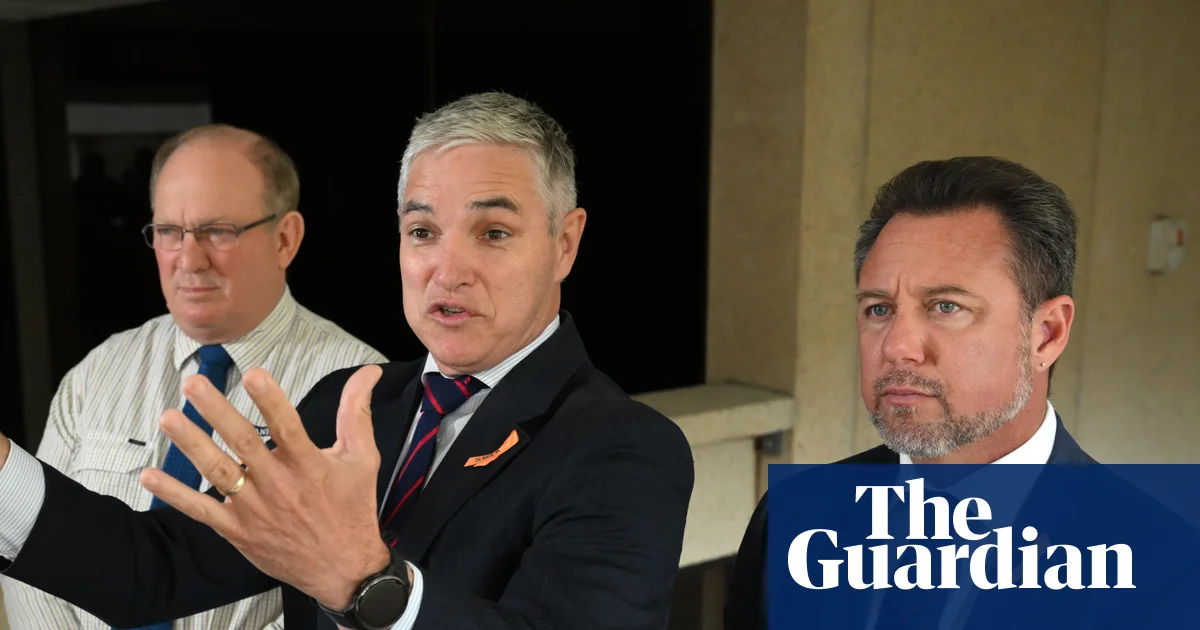
Kellie Sloane Crowned NSW Liberal Leader, Unchallenged — New Generation Takes Charge

Australia’s Political Landscape: A Power Shift with Global Implications

In a notable development that underscores the persistent volatility of Australian politics, New South Wales has recently marked a significant transition in its opposition leadership. Kellie Sloane, a prominent figure within the liberal party, has assumed the role of leader of the NSW Liberals amidst turbulent electoral times. Her ascension signals not only a strategic shift within local party dynamics but also embodies the broader ideological contest shaping Australia’s future on issues from economic management to energy policy. As the third woman to lead the NSW Liberals, Sloane’s approach emphasizes a pragmatic focus on cost-of-living concerns and structural reforms, signaling her intent to challenge the entrenched policies of the Minns Labor government.

Analysts suggest that Sloane’s leadership is poised to influence state-level policy decisions with regional and national impacts. Her emphasis on energy affordability—highlighted by her framing of the energy transition as a cost-of-living challenge—reflects a broader global debate about the balance between green reforms and economic stability. This issue resonates beyond Australia, impacting international energy markets, global supply chains, and climate change policies. Notably, her support from factional elders such as Nick Greiner and John Howard indicates a conservative, pro-business stance that could shape ongoing negotiations surrounding infrastructure investments and energy independence. Such decisions will ripple through regional economies, affecting urban development and societal wellbeing as Australia strives to remain competitive amid global shifts.

Nevertheless, Sloane faces internal and external headwinds, particularly regarding the controversial housing policy. Her cautious stance on high-density development contrasts with her predecessor, Mark Speakman, whose party’s embrace of transport-oriented development aligned with national trends towards urban consolidation. Sloane’s public declaration supporting specific projects like Woollahra station indicates her nuanced approach, but her hesitations suggest potential hurdles in navigating the complex interplay of local community interests, state infrastructure demands, and national housing initiatives. This internal division could influence broader regional strategies, as states contend with affordable housing shortages and the need for sustainable urban growth systems.

Perhaps most compelling is the geopolitical impact of Australia’s evolving political landscape, particularly in its relationships within the Indo-Pacific region. As the nation positions itself amidst rising regional tensions involving China and the United States, leadership decisions at the state and federal levels reverberate globally. Australia’s domestic policies on energy, defense, and diplomatic engagement do not exist in isolation; they influence alliances, regional stability, and its role as a key partner in international security. Historians and international think tanks warn that shifting political allegiances—especially with emerging conservative figures like Sloane—may redefine Australia’s strategic direction, impacting not only its immediate neighbors but the larger balance of power in what is increasingly becoming a contested Indo-Pacific.

As history continues to unfold on the southern continent, the story of Australia’s leadership—its choices, struggles, and alliances—remains a powerful testament to the enduring influence of national decisions on the geopolitical stage. What the future holds for this nation, perched at the crossroads of global currents, is ultimately written in the decisions made today, echoing through years to come with the weight of a nation’s destiny still being shaped in the crucible of history.

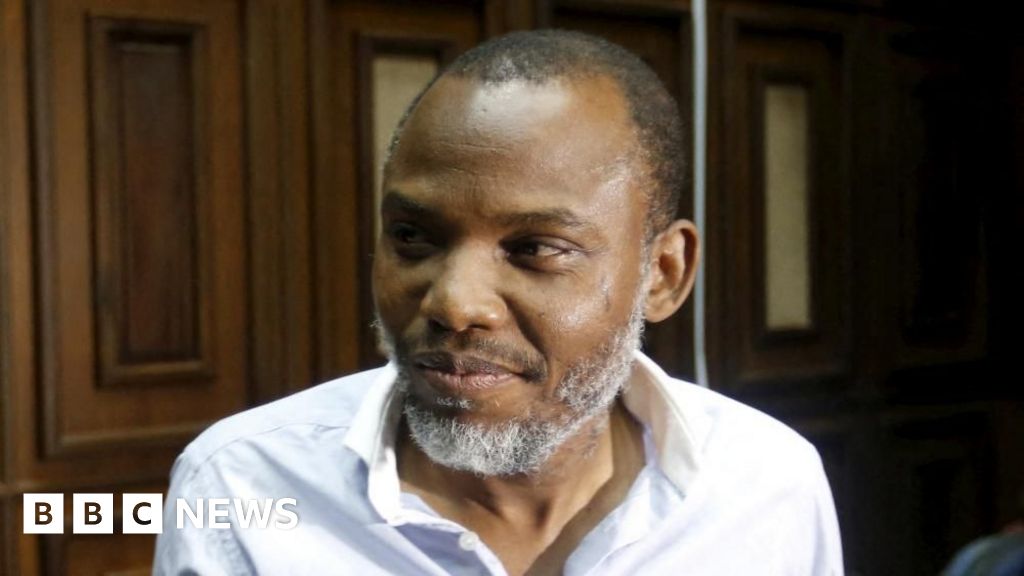
Nigerian Separatist Leader Gets Life Sentence in Terrorism Case

Nigeria’s Judicial Crackdown on Separatism: A Landmark Verdict and Its Geopolitical Reverberations

In a decisive move that highlights the enduring tensions within Nigeria, a court in Abuja has found separatist leader Nnamdi Kanu guilty of terrorism, treason, and conspiracy, sentencing him to four concurrent life sentences. This landmark ruling, delivered by Judge James Omotosho, signals a definitive stance by the Nigerian government against secessionist movements, particularly the Indigenous People of Biafra (Ipob). While the prosecution pushed for the death penalty—a reflection of the severity with which authorities are tackling threats to national sovereignty—the judge emphasized evolving perspectives on capital punishment, stating that executions are now “frowned upon.” This decision marks a potential turning point in Nigeria’s domestic policy on militancy and separatism, with wider implications for regional stability across West Africa.

The trial and conviction of Kanu also underscore the complex web of geopolitical and societal factors that underpin Nigeria’s ongoing struggle with internal divisions. Kanu, a British-Nigerian citizen who came to prominence through a London-based radio station calling for a separate Biafra state, has long been a symbol of Igbo aspirations for independence. His movement, once banned as a terrorist organization and connected to violent outbreaks, embodies deep-seated grievances rooted in historical marginalization. Analysts from the International Crisis Group and renowned historians contend that Nigeria’s government seeks to suppress non-state actors that threaten its territorial integrity, but critics argue this approach risks inflaming regional tensions further and undermining democratic dialogue. As Kanu’s supporters threaten protests, security around the court was heightened, reflecting the intelligence community’s fears of unrest, yet the muted response in southeastern Nigeria raises questions about the movement’s genuine popular support.

A Historical Shadow: The Legacy of Biafra and Africa’s Fragile Peace

  • In 1967, Igbo leaders declared the secession of Biafra, igniting a brutal civil war that resulted in the deaths of one million people. The defeat of the Biafran uprising left emotional scars and a legacy of marginalization that still influences regional politics today.
  • Since then, the drive for independence has persisted symbolically, but the Nigerian state has maintained a firm stance against secessionist groups, viewing them as threats to national unity and stability.
  • In 2022, Nigeria’s judiciary appeared divided over Kanu’s case, with an appeal court ordering that charges against him be dropped due to illegal detention abroad—an order that was subsequently overturned by the Supreme Court.

This saga exemplifies the intense struggle facing Nigeria—and the broader West African region—where calls for independence are intertwined with complex issues of ethnicity, history, and sovereignty. The verdict against Kanu not only serves as a warning to other separatist factions but also fuels the debate on how states must balance security with respecting cultural identities. International organizations and regional powers observe with caution, as Nigeria’s internal stability has repercussions for regional security, migrant flows, and economic partnerships across Africa and beyond.

As the weight of history presses heavily on the present, the case of Nnamdi Kanu stands as a stark reminder of the fragile path toward national cohesion. The echoes of the Biafran war still resonate, and the decisions made today could shape the narrative of Nigeria’s future for decades to come. The world watches as a nation at the crossroads grapples with its history—faced with the dilemma of how to forge unity from fragmentation before the tides of division are irreversible. In this unfolding drama, the true cost of unresolved grievances and the price of sovereignty remain painfully clear—history’s pen is never silent, and its questions are as urgent as ever.

Katter’s Party Ex-MP Wins Townsville Mayor Race, Defeats Old Leader Swinging Against Them

Australian Local Politics: The Rise of Nick Dametto in Townsville Signifies Shifts in National Identity

The recent byelection in Townsville, Queensland, has sent shockwaves through Australian political circles, reflecting broader undercurrents of societal values, identity, and national pride. Nick Dametto, a prominent figure associated with the populist right and former deputy leader of Katter’s Australian Party, secured a commanding victory with over 61% of the vote—an unprecedented margin that underscores a decisive shift in local sentiment. Dametto’s platform, emphasizing strong border controls, traditional values, and targeted regional development, resonated with voters craving stability and a renewed sense of identity amid ongoing debates over immigration and multiculturalism. His prominence, bolstered by recent anti-immigration marches and pushes for policies such as “castle law,” illustrates a growing tide of conservative populism rooted in Australia’s more rugged, pioneer-oriented political culture.

The significance of this electoral outcome extends beyond mere local politics; it signals a shift in how Australia’s northern regions define their future. Analysts like Griffith University’s Paul Williams highlight Dametto’s appeal as emblematic of a “rugged, masculine, pioneer culture” that still holds sway in towns like Townsville, often dubbed the “unofficial capital of the north.” These areas, historically dependent on mining and military services, appear to be clinging tightly to conservative values in an era characterized by shifting geopolitical dynamics and internal societal upheavals. The fact that Dametto, a young and visible leader, consistently campaigned on themes of economic openness and regional pride, demonstrates a growing confidence among many rural and regional Australians who feel alienated by coastal urban liberalism. His victory, during a period of political upheaval and scandal—marked notably by the resignation and legal troubles of former mayor Troy Thompson—reflects a broader appetite for leadership that prioritizes national sovereignty and traditional identity.

International perspective contextualizes Australia’s local developments within a global wave of populist resurgence. Experts warn that the broader geopolitical impact lies in Australia’s increased alignment with Western conservative policies, particularly in the context of rising tensions with China, fluctuating Pacific alliances, and the NATO-led push to redefine global security frameworks. The fragile stability of the Indo-Pacific region depends increasingly on electoral shifts that favor nationalist policies over internationalist approaches, potentially altering Australia’s role in regional security pacts. The decision of voters in Townsville to endorse Dametto’s vision echoes similar trends seen in other Western democracies—where sovereignty, national borders, and traditional cultural identity are being reclaimed amid the chaos of globalization and multicultural pressure. International analysts observe that these local victories hinge on widespread discontent with immigration policies, economic uncertainty, and perceived loss of cultural control—themes that resonate deeply with conservative youth movements worldwide.

As the nation faces pending electoral tests in regions like Hinchinbrook, and as scandals continue to erode trust in established political figures, the weight of history presses heavily upon Australia’s shoulders. Dametto’s triumph symbolizes more than a regional political victory; it signifies a burgeoning movement that threatens to reshape Australia’s national trajectory. The ongoing saga—marked by scandal, populist rallying cries, and a reassertion of traditional values—reminds historians that history is often written in moments of turmoil and upheaval. Whether this marks a durable shift or a transient surge will depend on how Australia’s society and leadership respond to the mounting pressure of identity, security, and sovereignty in a rapidly evolving international arena. The impending chapters of this unfolding story will determine if Australia chooses to forge a future grounded in cultural resilience or to succumb once more to the tides of globalist influence, with the weight of history still shaping every step forward.

Mark Parton rises as ACT Liberal leader after Castley and deputy step down

Inner Turmoil in ACT Politics Reflects Broader International Trends

Amidst the shifting sands of Australian territorial politics, a notable development has unfolded within the ACT Liberal Party. The recent leadership change—from Leanne Castley to Mark Parton, a former commercial radio host turned politician—symbolizes more than mere local instability; it underscores the ongoing struggle within liberal democratic societies over party cohesion and the influence of grassroots sentiments. The upheaval follows weeks of internal disputes, notably after Castley suspended prominent members who supported a Greens-backed motion, advocating for an additional parliamentary sitting week in 2026. Such internal divisions, especially when aired publicly, resonate beyond Canberra’s borders as emblematic of the larger challenge facing liberal parties worldwide—balancing the need for ideological unity with the demands of political adaptation amidst shifting public support.

The Significance of Leadership Shifts in the Context of Global Political Dynamics

International observers and political analysts view this event through a lens of wider geopolitical impact. Former leaders stepping down amid internal strife is increasingly common in liberal democracies, often signaling deeper ideological rifts. The Australian case echoes trends seen in other democracies where party factions battle for control, risking erosion of public trust. Notably, the Labour Chief Minister, Andrew Barr, acknowledged the turmoil, hinting at a broader challenge for Canberra’s conservative opposition—a test of resilience in the face of internal discord that could weaken their capacity to confront the dominant Labor government. Historically, political stability within opposition parties significantly impacts their ability to offer a credible alternative and influence national policy. The recent events in ACT serve as a microcosm of how internal conflicts can undermine long-term societal stability, especially as rising global tensions demand cohesive political action from all sides.

How These Movements Shape Societal Expectations and International Perceptions

The strategic implications are profound. As Parton emphasizes unity—calling for an end to infighting and portraying himself as a unifier—the choice signals a desire to restore the party’s credibility and, by extension, its influence on national policy. This internal reshuffling is further compounded by the broader international scenario, where geopolitical tensions—from China’s assertiveness in the Indo-Pacific to Russia’s destabilization efforts—require a strong, unified liberal response. How Australia’s political parties navigate their internal conflicts directly influences their capacity to participate effectively in international alignments and alliances, including the Quad and AUKUS frameworks. Such internal turmoil feeds into global perceptions of stability, affecting diplomatic confidence and economic partnerships. The collapse of conservative unity in one part of the world can serve as a cautionary tale, warning allies and adversaries alike about the peril of fractured leadership during critical moments of geopolitical tension.

Historians caution that internal party conflicts, if unresolved, set dangerous precursors for future crises, both at home and on the world stage. The ACT episodes, while localized, reflect the perennial struggle for political authenticity in times of uncertainty—an enduring lesson in how internal decisions, when taken in a rapidly changing international landscape, *shape the trajectory of nations* and *define the legacy of leadership*. As history continues to unfold, one question remains: will these tumultuous shifts forge a resilient path forward or deepen the fissures that threaten to destabilize not only local politics but the fabric of democratic governance itself?

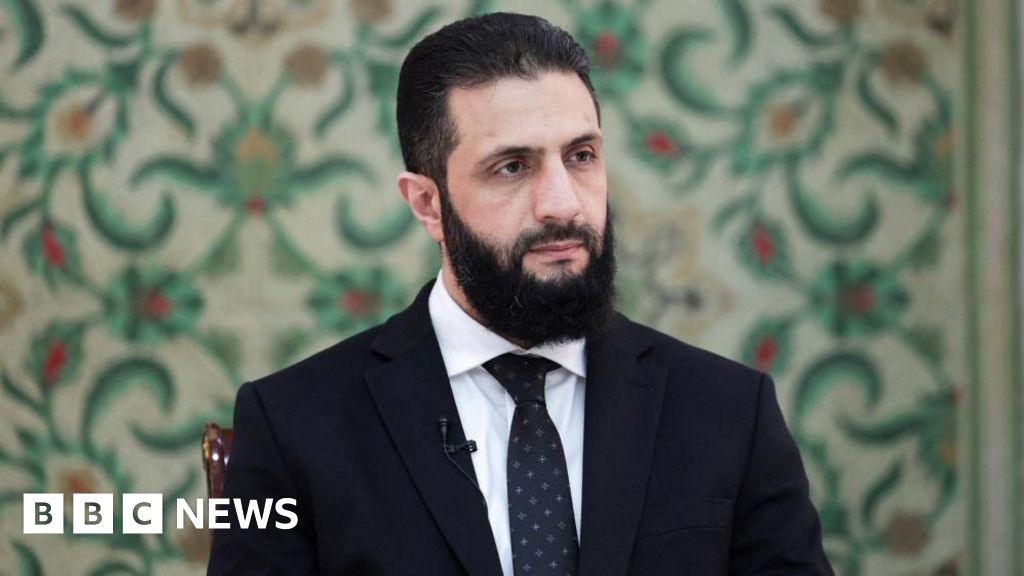
UN lifts sanctions on Syrian leader as White House visit looms

The geopolitical landscape in the Middle East has reached a pivotal juncture, as recent developments signal a significant shift in international recognition and diplomatic engagement with Syria. The United Nations Security Council has voted in favor of a US resolution to lift sanctions on Syrian President Ahmed al-Sharaa, setting the stage for his upcoming White House visit next week. This move marks not only a change in policy but also underscores a broader recalibration among global powers regarding Syria’s future. Once considered a pariah state during its prolonged civil war, Syria now finds itself at the center of a new geopolitical narrative—one that privileges stability and regime consolidation over decades of Western-led isolation.

  • The US has officially recognized the shifting power dynamics by removing Hayat Tahrir al-Sham (HTS) from its list of foreign terrorist organizations, a group that was once linked to al-Qaeda and whose leader, Ahmed al-Sharaa, was previously sanctioned as a terrorist. The decision reflects a strategic pivot in Washington’s approach—viewing Syria through a lens of pragmatic diplomacy rather than exclusively ideological confrontation. Alongside sanctions on Syrian Interior Minister Anas Khattab, the move signals a recognition of the evolving landscape of influence and control within Syria’s borders.
  • The UN’s decision, hailed by Syrian officials as a gesture of appreciation and acknowledgment, underscores a broader shift that has cautious analysts pondering whether the tide of international support has turned decisively in favor of Bashar al-Assad’s regime or, as in the case of Sharaa, an alternative leadership figure emerging from the ashes of conflict.

The symbolism of Sharaa’s upcoming visit to Washington cannot be understated. His first address to the UN General Assembly since the civil war’s peak foreshadows a more concerted effort by Syria to reintegrate into the global community. “Syria is reclaiming its rightful place among the nations of the world,” Sharaa proclaimed, emphasizing his aspirations for legitimacy and influence. Meanwhile, U.S. President Donald Trump has acknowledged the “good progress” made by Sharaa toward peace—a stark departure from past isolationist policies. This shift suggests that the United States and its allies are recalculating their strategic priorities, choosing diplomacy over confrontation in hopes of stabilizing a region long characterized by chaos and conflict.

This latest episode in Syria’s complex narrative raises profound questions about how decisions made in international rooms resonate on the ground. By lifting sanctions and engaging with Syrian figures who have been branded terrorists in the past, the global community’s stance underscores an emerging acknowledgment: alliances are volatile, and today’s enemies can become tomorrow’s partners. Historians and analysts warn that such shifts carry risks—reconciliation may threaten to overshadow justice, and the re-emergence of strongman rule could deepen existing societal divides. Yet, how nations adapt to these fast-evolving geopolitics will indelibly shape the future of the Middle East and beyond.

The story of Syria stands as a testament to the relentless pursuit of power, influence, and stability amidst a landscape of shifting allegiances. As Sharaa steps into the diplomatic arena with Washington, it is clear that the region remains a theater of strategic chess—a place where the weight of history presses heavily upon each move. Future chapters will determine whether these diplomatic gestures herald a new era of peace or mask deeper struggles that threaten to ignite anew. The unfolding drama in Syria reminds the world that history is a relentless witness—watching, recording, and waiting for the moment when an already tense story takes an unforeseen and irreversible turn.

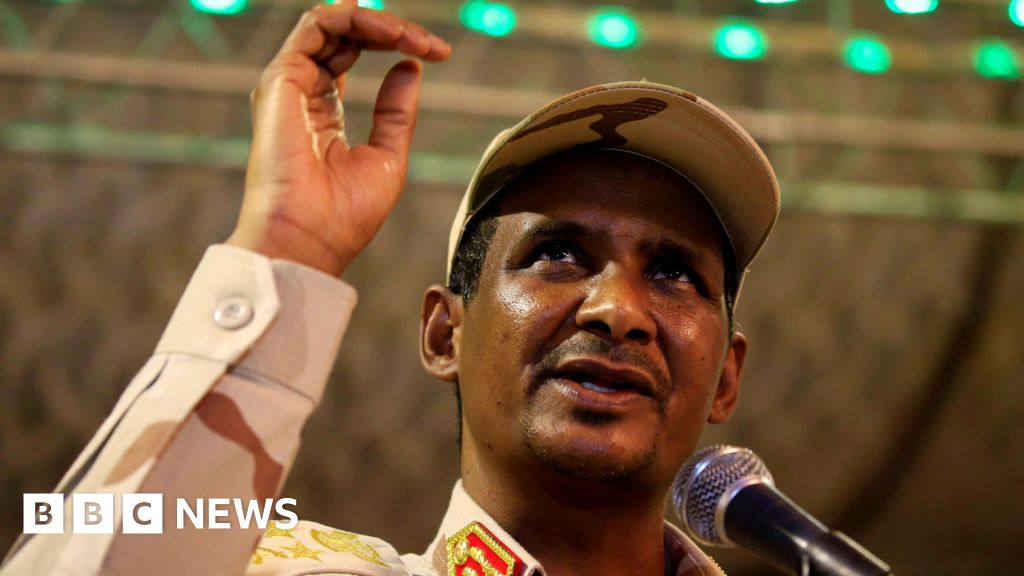
RSF Leader Vows Probe as Youth Fury Grows Over El-Fasher Killings

Sudan’s Escalating Crisis: A Grim Turning Point in Africa’s Last Civil War

The conflict in Sudan has reached a devastating new phase, with widespread reports of violence that threaten regional stability and expose the profound failures of international diplomacy. The recent seizure of el-Fasher by the Rapid Support Forces (RSF)—a paramilitary group led by Gen Mohamed Hamdan Dagalo—marks a severe escalation in a civil war now in its third year. An investigation into human rights violations has been announced, but mounting evidence confirms the brutal reality on the ground: mass killings, ethnic targeting, and a humanitarian catastrophe that few in the international community can ignore. The United Nations Security Council is convening amidst growing outrage, exemplifying the crisis’s bipartisan concern but also underscoring the international community’s limited leverage in halting the bloodshed.

Eyewitness accounts and verified footage reveal a disturbing pattern of violence—particularly in the besieged city of el-Fasher. Reports from the WHO and humanitarian agencies depict scenes of chaos, with over 460 civilians shot dead at the last hospital alone, many of them unarmed and vulnerable. Social media videos, analyzed by BBC Verify, show RSF fighters executing civilians—an atrocity that compounds long-standing fears of ethnic violence and targeted killings of non-Arab populations. The RSF denies these accusations, claiming their actions are not ethnically motivated, but discrepancies between official statements and documented evidence deepen suspicions. As analysts warn, such denials only delay acknowledgment of a crisis rooted in deep-seated societal divisions and decades of failed state governance.

The geopolitical impact of the Sudanese conflict extends beyond its borders, igniting fears of regional destabilization and broader humanitarian fallout. Egypt and Ethiopia, along with other neighbors, monitor the chaos as refugees flee in the hundreds of thousands, many trapped in limbo, suffering violence, starvation, and disease. The role of external actors has come under scrutiny—most notably the United Arab Emirates (UAE), which faces persistent accusations of supplying military aid to the RSF despite official denials. This involvement signifies a dangerous tilt toward proxy conflicts that threaten to ignite a broader regional crisis, reminiscent of the chaos that engulfed Libya and Yemen in recent years. International organizations, including the African Union, call for urgent humanitarian corridors and neutral investigations to prevent further atrocities, but the challenge lies in enforcing these efforts amidst entrenched factional rivalries.

Historically, Sudan’s fragile statehood has been marred by persistent *exclusion* and tribal tensions—issues that the AU, UN, and regional powers have repeatedly failed to resolve. Analysts such as Dr. Mohamed Ibn Chambas emphasize that without addressing these root causes, military solutions are futile. The ongoing splintering of the country’s geography—control now divided between the RSF in the west and the Sudanese army in the capital—foreshadows a prolonged, possibly genocidal conflict that risks engulfing the entire region in chaos. As history watches silently, the narrative of Sudan remains a stark reminder: when societies are fractured by exclusion and power struggles, the true cost is paid by the innocent. The weight of history presses heavily, and the question remains—will the international community muster the resolve to prevent this crisis from spiraling into a new chapter of African hell, or will it be yet another chapter written in silence?

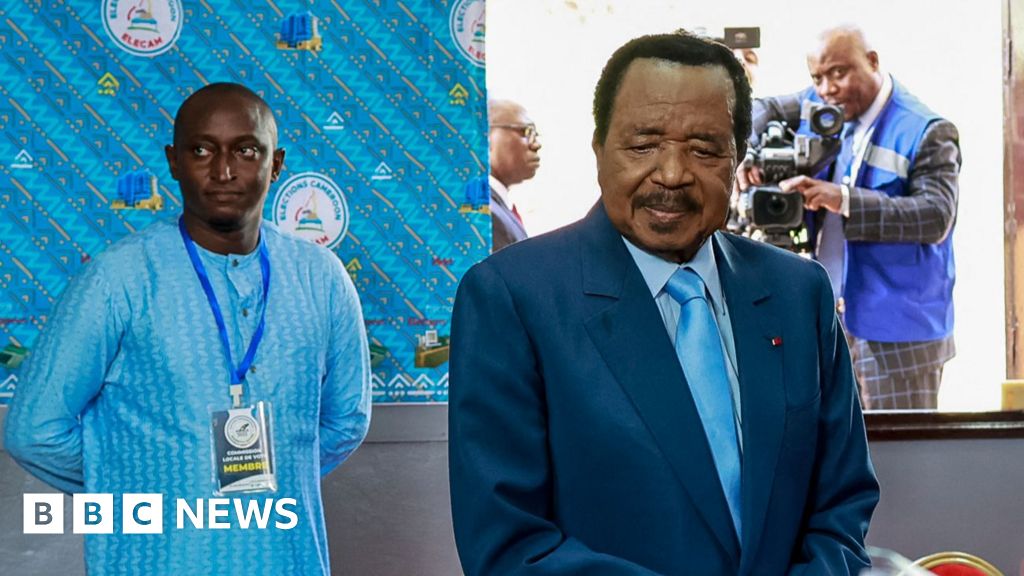
Cameroon's 92-year-old leader secures disputed eighth term outlasting critics
Cameroon’s 92-year-old leader secures disputed eighth term outlasting critics

The recent presidential election in Cameroon has ignited a wave of unrest and international concern, revealing how fragile the fabric of stability remains in this Central African nation. At age 92, Paul Biya, who has governed Cameroon since 1982, secured an eighth term in a fiercely disputed electoral process. Official results declared Biya the winner with 53.7% of the vote, amid accusations of electoral malpractice and widespread violence, prompting a growing chorus of international analysts warning of a potential descent into chaos. This election, marred by deadly clashes, underscores a profound crisis of legitimacy and a nation on the precipice of deeper instability.

Despite Biya’s longstanding rule, his victory is viewed with intense suspicion both domestically and internationally. Opposition leader Issa Tchiroma Bakary insisted he had won, but the Constitutional Council dismissed his claims, tipping the scale in favor of Biya’s continued dominance. Security forces responded with brutality as supporters of Tchiroma Bakary protested, resulting in at least ten deaths during recent demonstrations, including gunfire near his residence and clashes in the economic capital of Douala. The regional governor reported police posts under attack, further illustrating the deep schisms within the country. Analysts, including those at the International Crisis Group, warn that the deepening division, combined with unaddressed grievances, risks transforming Cameroon into a powder keg of ethnic and political strife.

The geopolitical impact of this election extends beyond Cameroon’s borders, affecting stability across the Central African region. The country’s long-standing internal conflicts, including the separatist insurgency in the English-speaking regions, threaten regional security and economic development. Western nations and international organizations have raised alarms over the troubling signs of political illegitimacy, fearing that a government unresponsive to public grievances could foster more violence and instability. As historian and regional analyst Dr. Emmanuel Nkamleu emphasizes, the legacy of Biya’s era—marked by economic decline, rampant corruption, and suppression of dissent—has left Cameroon vulnerable to larger regional destabilization, pushing neighbors to ponder broader security implications.

Most citizens seem resigned to the tumult, with voices from Yaoundé and Bamenda expressing concern over the future. Many lament the declining economy and endemic corruption, warning that the political system is buckling under the weight of its own contradictions. The silence that followed the election’s declaration epitomizes a society that feels betrayed, a historically peaceful nation now teetering on the edge of upheaval. International voices call for urgent mediation, warning that without immediate reforms and genuine reconciliation, Cameroon risks falling into prolonged conflict. As the story of this election continues to unfold, the weight of history reminds the world that the decisions made today carve the fate of future generations. Whether this fragile republic can recover or whether it will become another casualty of unchecked political power remains a question with profound consequences for the entire continent.

Peru’s interim leader imposes emergency amid ongoing youth-led protests

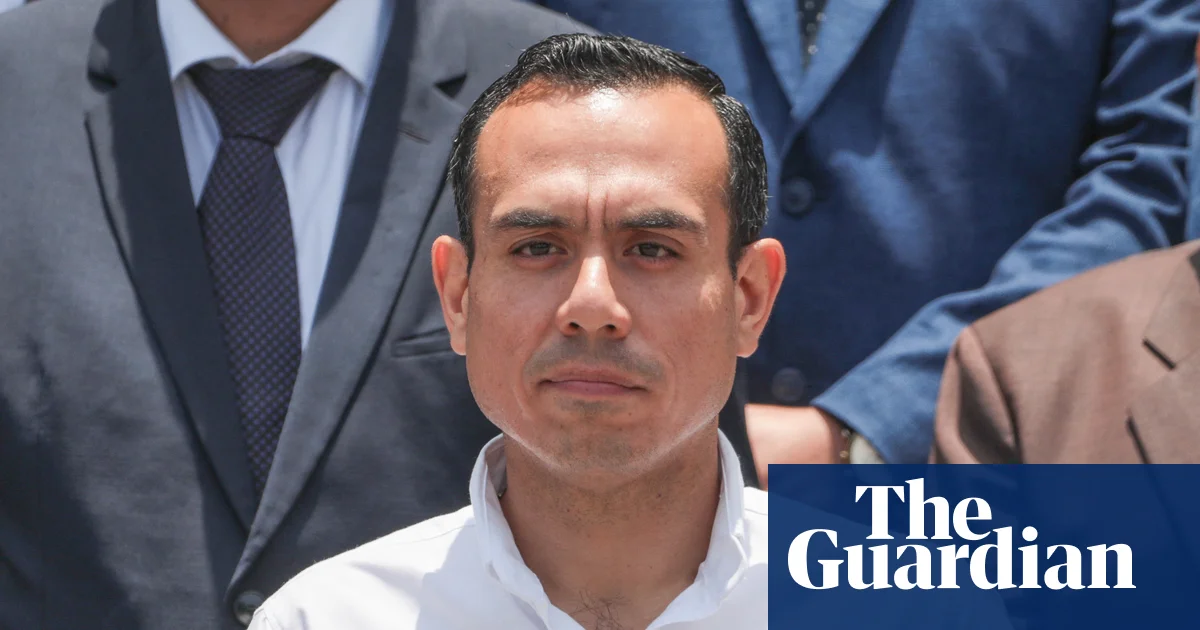
In a move that underscores the intensifying crisis gripping Peru, interim President Jose Jeri has declared a state of emergency in Lima and the neighboring port of Callao. Announced amid escalating anti-government protests driven by widespread discontent over corruption and organized crime, this decision marks a pivotal moment in the country’s turbulent political landscape. Beginning at midnight and lasting for 30 days, this measure grants authorities sweeping powers—including deploying the military, restricting civilian freedoms, and curbing assembly—highlighting the government’s urgent attempt to restore public order.

Since the impeachment and ousting of President Dina Boluarte earlier this month, the capital has transformed into a battleground for youth-led protests that have voiced frustrations over inadequate security and rampant crime. The demonstrators, inspired by a society fed up with corruption scandals and a surge in violence, have seen over 200 injuries—ranging from police officers and journalists to unarmed civilians—and tragically, at least one fatality. These unrests reflect deep societal fractures, which international security analysts warn threaten the stability of Peru. The country’s history of political volatility, with seven governments over the past decade, reveals a pattern of governance failures that have fueled this violent cycle.

The geopolitical impact of these developments ripples beyond Peru’s borders. Regional observers point to how internal crises can destabilize neighboring nations and challenge the influence of regional powers. The pervasive violence in sectors like transportation, with over 47 bus drivers murdered in what authorities suspect are extortion-related killings, signals a deterioration in law and order—an alarming trend that stirs fears of organized crime expanding its footprint across Latin America. Moreover, the international community, including organizations like the Organization of American States, cautions that prolonged instability could embolden anti-democratic forces and impede economic recovery efforts vital for Peru’s future.

Historians and analysts emphasize that the current emergency is a critical turning point in Peru’s political saga, with some warning that without meaningful reforms and accountability, the cycle of unrest may deepen. With interim President Jose Jeri serving until July 2026, the country faces a fragile period of transition where societal divisions risk widening. The decisions made in the coming weeks could determine whether Peru manages to restore its institutions or sinks further into chaos, paving the way for uncertain diplomatic or even destabilizing regional scenarios. As history continues to unfold, the world watches—intensely aware that the fate of Peru may serve as a defining chapter in Latin America’s ongoing struggle for stability and democracy.

Social Media Auto Publish Powered By : XYZScripts.com