Matox News

Truth Over Trends, always!

Ex-Kenyan leader Raila Odinga laid to rest after weeks of memorials

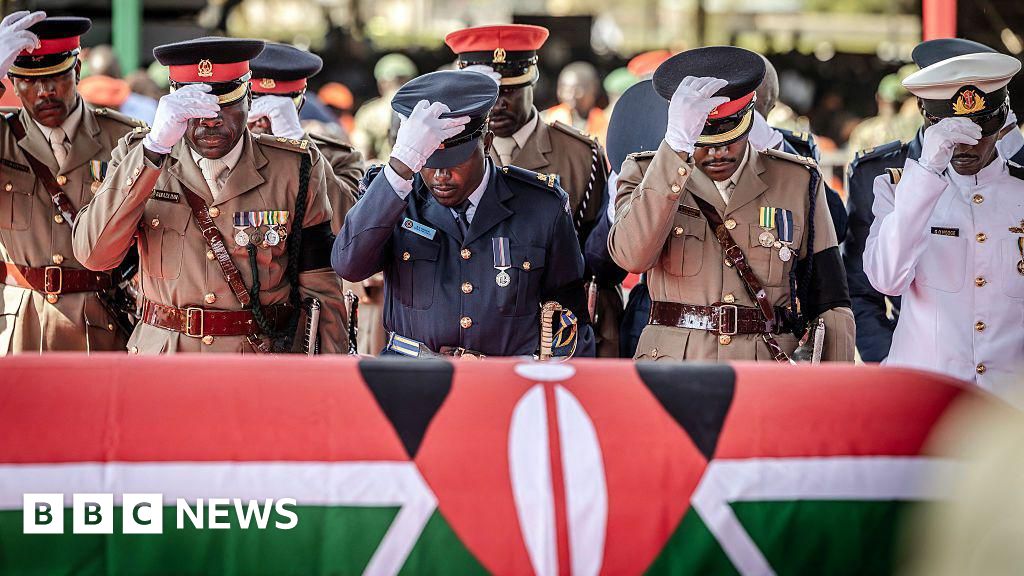
Kenya bid farewell to one of its most influential political figures, Raila Odinga, whose death at age 80 marked the end of an era defined by intense struggle, resilience, and unwavering dedication to justice and democracy. Odinga, a revered opposition leader and former prime minister, was laid to rest in his native Western Kenya, after days of mournful ceremonies that intertwined national pride with underlying tensions that continue to shape Kenyan politics. His funeral, attended by thousands and supported by prominent figures including President William Ruto, underscored the country’s ongoing voyage through complex democratic reforms and societal challenges.

<p>The life of Odinga was emblematic of Kenya’s tumultuous political landscape, where contested elections and deep social divides have often led to upheaval. Starting with his role following the disputed <u>2007 election</u>, which plunged Kenya into violence before he assumed the role of prime minister as part of a fragile power-sharing agreement, Odinga became a symbol of resistance against authoritarian tendencies. His repeated bids for the presidency—five campaigns in total—though ultimately unsuccessful, cemented his status as a leader who fought tirelessly for the country's democratic institutions. Analysis by <em>international political analysts</em> suggests that Odinga’s influence shaped Kenya's political trajectory, making him a figure pivotal not just nationally but within East Africa’s broader geopolitics.</p>

<p>However, Odinga’s passing exposes the delicate balance Kenya must maintain amidst evolving internal and external pressures. His supporters, especially in Western Kenya, see him as a patriot who embodied the fight for justice and unity, echoing the sentiments of figures like <strong>Barack Obama</strong>, who called him a “true champion of democracy.” Yet, the funerary rites were marred by chaos, with police firing on mourners at a public viewing, leading to casualties. Such scenes reveal deep-rooted social fissures and the ongoing struggle between state authority and civil discontent—dynamics that significantly influence the geopolitical stability of Kenya and its neighbors. According to <em>global security think tanks</em>, these incidents serve as a stark reminder of the fragility of Kenya’s stability, which is intertwined with regional security and economic development initiatives.</p>

<p>The <u>international community</u>, including the <strong>United Nations</strong> and regional bodies like the <strong> East African Community</strong>, monitors Kenya’s evolving political landscape closely. As Kenya navigates this period of mourning and transition, analysts warn that the choices made in the coming months could either strengthen democratic norms or deepen divisions that threaten regional stability. Odinga’s legacy, infused with dreams of unity and justice, continues to influence Kenyan society at its core. Historians emphasize that history often hinges on moments of collective memory, and the current memorials—marked by both reverence and chaos—may serve as a turning point in Kenya’s journey towards enduring national cohesion.</p>

<p>As the nation honors <strong>Raila Odinga</strong>, the weight of history presses heavily on its shoulders. His burial at the family mausoleum near his father’s homestead is a poignant symbol of the lasting power of legacy and sacrifice. The unfolding story of Kenya’s future remains uncertain, yet it is clear that in the shadows of loss, there lurks the potential for renewal—*a pivotal moment where the decisions of today will echo through generations*. For now, the nation mourns its hero, but it also steels itself for the tumultuous road ahead—an uncharted chapter where the spirit of resilience must endure against the darkness of division and despair.</p>
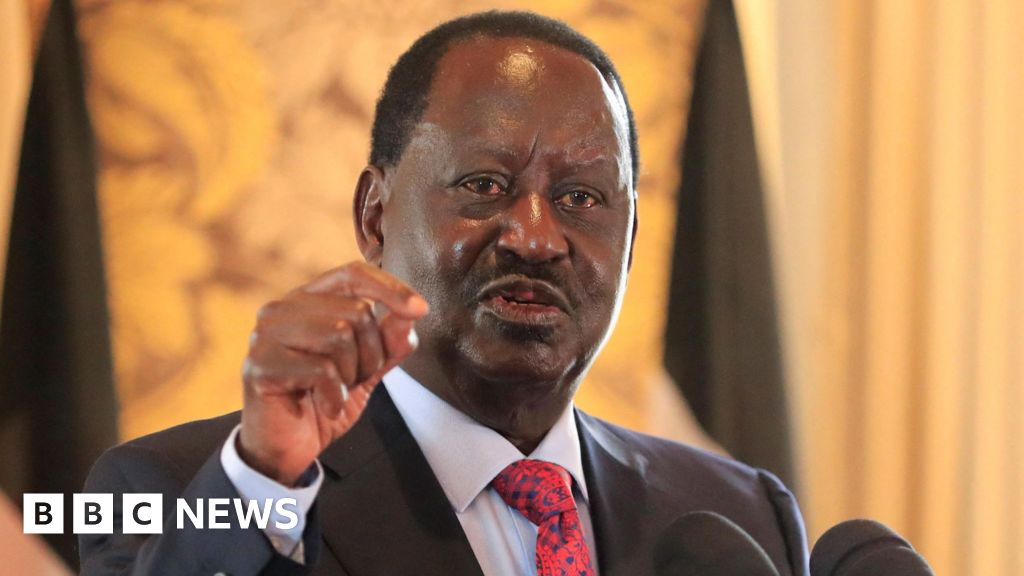
Kenyan Opposition Leader Don Clarked at 80, Sparks Calls for Change

In an event that marks a significant turning point for Kenya and its geopolitical landscape, the death of Raila Odinga, aged 80, signals the end of an era defined by resilient leadership and relentless struggle for democracy. Odinga, once a formidable opposition figure and a symbol of resistance against authoritarianism, succumbed to a cardiac arrest in a hospital in India, drawing widespread international attention to his life’s work. His passing comes after weeks of lingering questions regarding his health, yet tributes from leaders worldwide underscore his towering influence in regional affairs and beyond.

The impact of Odinga’s political journey extends far past Kenyan borders, resonating strongly within the region’s ongoing shifts in governance. His leadership was rooted in advocating for democratic freedoms and fighting against corruption, often positioning himself as the voice of the marginalized. As current President William Ruto declared him a “beacon of courage” and “father of our democracy,” the geopolitical focus sharpens on how Kenya’s future navigates his legacy. In the broader Africa context, analysts from the African Union and international think tanks recognize Odinga’s role as a catalyst for reforms, emphasizing the importance of stability founded on democratic principles, which remain a fragile commodity across the continent.

Odinga’s political life was marked by monumental upheavals—most notably his disputed claims to the presidency in 2007, which spurred violence resulting in over a thousand deaths and displacements — a crisis that left Africa and global governance institutions grappling with the fragility of electoral processes. A landmark intervention by Kofi Annan led to a power-sharing agreement that ultimately mitigated conflict, illustrating how international diplomacy and regional stability are deeply intertwined. Since then, Odinga’s pragmatic alliances—most notably his 2018 decision to reconcile with Uhuru Kenyatta—highlighted his ability to foster consensus amid tumultuous elections. Yet, his political resilience also firmly placed him as a polarizing figure, embodying the tension between reformist ambitions and entrenched interests that continue to shape East Africa’s geopolitical dynamics.

Today, as global powers and regional neighbors observe Kenya’s evolving political landscape, Odinga’s death insinuates a power vacuum and raises urgent questions about succession and the future orientation of Kenyan politics. The regional ramifications extend beyond Kenya’s borders, influencing stability in neighboring countries such as Uganda, Rwanda, and Tanzania. Historians and foreign policy analysts warn that Kenya’s political trajectory in the coming years will hinge on whether Odinga’s enduring legacy can catalyze a new generation committed to democratic reform or whether entrenched corruption and ethnic divisions will deepen. As the nation mourns, the international community watches closely—reminded that history is constantly being written, with today’s foundations shaping tomorrow’s destiny, often in ways no one can predict.

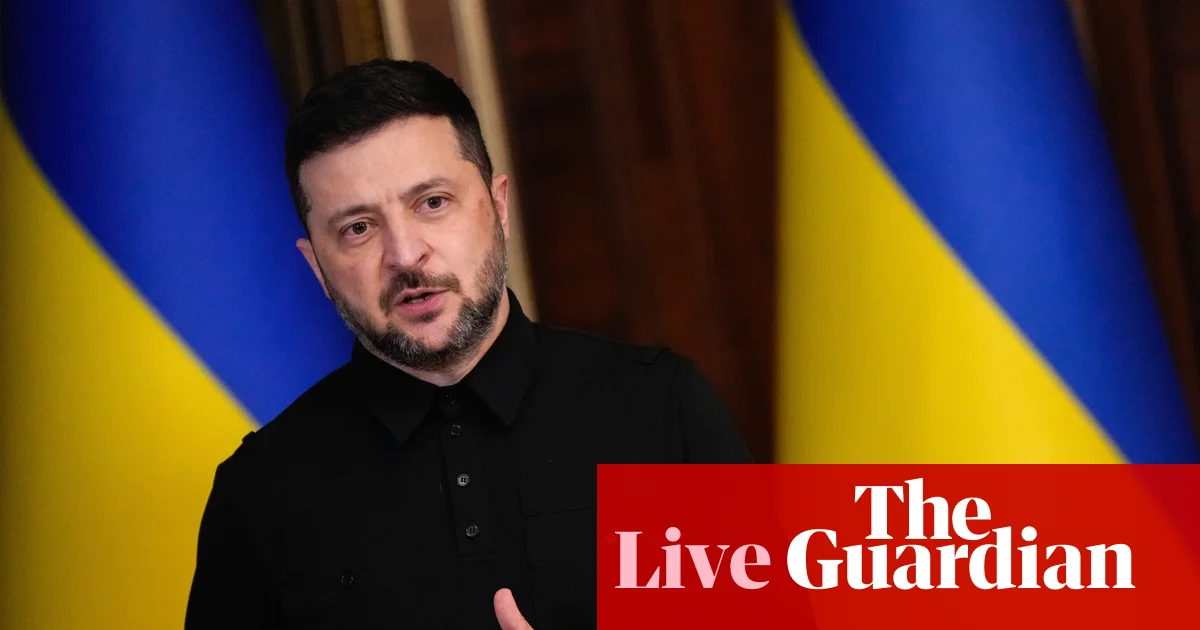
Zelenskyy names new Odesa leader after mayor’s Russian passport scandal – Europe updates | NATO

In the heart of Eastern Europe, Ukraine continues to be a focal point of geopolitical tension, with the recent appointment of Sergiy Petrovich Lysak as the new head of Odesa’s city military administration signaling an escalation of the Ukrainian government’s efforts to strengthen its regional security measures. This move follows the Ukrainian president Volodymyr Zelenskyy’s announcement on Tuesday to establish a dedicated military administration in the strategic port city, citing a critical need for increased protection amidst ongoing hostilities. Zelenskyy emphasized, “Odesa deserves greater protection and greater support,” highlighting the nation’s commitment to fortifying its vital Black Sea corridor against persistent threats.

The political upheaval in Odesa is part of a broader, tumultuous battle for sovereignty, as Kyiv revokes the citizenship of local officials suspected of dual loyalties. The dismissal of Hennadiy Trukhanov, who denies holding a Russian passport, underscores Ukraine’s rigid stance against dual citizenship, aiming to eradicate divisive figures potentially compromised by Moscow. This domestic strategy unfolds amid escalating military confrontations on multiple fronts, where Russian forces have claimed control over settlements like Oleksiivka and Novopavlivka, signaling a persistent push to consolidate territory amid mounting international support for Ukraine’s resistance.

All Eyes on NATO and Russia’s Rising Threat

As the Russian invasion enters its second year, NATO’s defense ministers convened in Brussels to address the rising threat of Russian airspace violations and the Kremlin’s ongoing aggression. NATO Secretary General Mark Rutte and other allies discussed intensifying their support for Ukraine, with the US contemplating the deployment of long-range missiles such as the Tomahawk to Kyiv—a move that, if realized, could significantly alter the dynamics of the conflict. US Defense Secretary Pete Hegseth indicated a collective commitment to bolster Ukraine’s defenses, emphasizing that more military aid, including advanced drones and weaponry, is forthcoming. Meanwhile, Russia’s military efforts have persisted, with reports of attacks on Ukrainian energy infrastructure—targets like power plants and gas facilities—aimed at debilitating Ukraine’s war effort and sowing chaos in civilian life.

Notably, Russia’s largest petrochemical complexes in Bashkortostan sustained attacks by Ukrainian drones, yet regional officials assert they continue to operate normally, illustrating the resilience of Moscow’s industrial backbone amidst setbacks. Yet, intelligence from Finland’s defense minister indicates that Russian forces are amassing anew and becoming more reliant on China—a sign that Moscow’s military resource pool might be primarily preoccupied with Ukraine, but still remains a formidable threat to NATO’s eastern flank. The gathering of NATO defense ministers highlighted concerns that Russia’s strategic posture could persist long after Ukraine’s war ends, cementing its role as a persistent destabilizer in the region.

Shifts in International Power and the Waning Kremlin Influence

Meanwhile, in the Middle East, Vladimir Putin’s attempt to project influence through the postponed Russia-Arab World summit backfired spectacularly, with only a handful of leaders attending, underscoring Moscow’s declining influence in the region. Instead, global attention shifted to Egypt, where a Gaza peace summit, attended by Donald Trump and regional leaders, signaled a geopolitical shift away from Moscow’s long-standing regional dominance. Pjotr Sauer of The Guardian notes that this diplomatic retreat reflects the reality: as the war in Ukraine presses on, Russia’s influence in the Middle East diminishes, revealing the limits of Putin’s strategy to assert global leadership.

Furthermore, the European Union is moving to confront its own internal crises, with Brussels set to propose regulations tackling short-term rentals—a social matter that, if unaddressed, could fuel populist discontent and threaten the unity of the bloc. As European nations grapple with economic stagnation, demographic declines, and social tensions, the trajectory of their resolve on international issues remains uncertain. The coming months could define whether Western alliances remain resilient or fragment under the weight of economic and geopolitical pressures.

In this unfolding chapter of history, decisions made in the corridors of power—whether in Kyiv, Brussels, or Moscow—will resonate well beyond their borders. As Ukraine’s struggle persists and NATO faces its future, the shadow of Russia’s resurgence lingers, hinting at a protracted contest that will test the resolve of Western unity, the resilience of Ukrainian sovereignty, and the shifting sands of global influence—a story that is still being written, as the world watches with bated breath, the weight of history pressing down on an uncertain horizon.

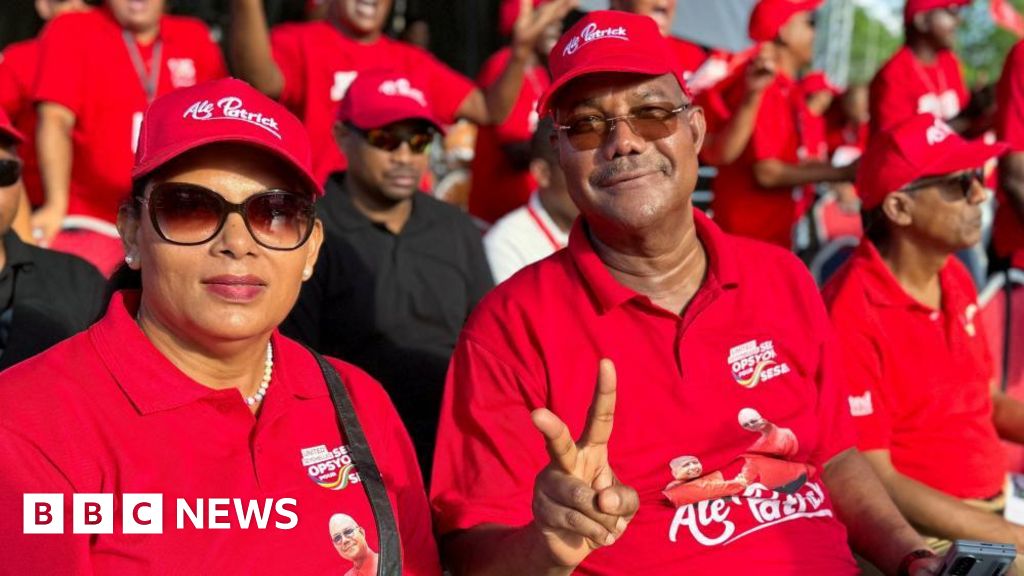
Opposition Leader Patrick Herminie Closes the Gap, Beats Wavel Ramkalawan

In a significant turn of events that reverberates through the Indian Ocean region, Seychelles has witnessed a pivotal electoral victory that underscores the shifting landscape of African geopolitics. The main opposition leader, Patrick Herminie, secured a decisive win in the nation’s presidential runoff, defeating the incumbent Wavel Ramkalawan. Official results report Herminie capturing 52.7% of the vote compared to Ramkalawan’s 47.3%. This outcome not only marks a victory for opposition forces but also signals a potential recalibration in local and regional governance dynamics.

Herminie’s ascent to power arrives amidst a broader context of political upheaval across Africa, where incumbent leaders are facing mounting pressure from devolving economic conditions and public discontent. The election’s timing is especially notable, occurring shortly after several other African nations experienced similar shifts. For instance, just last month, Malawi’s President, Lazarus Chakwera, was voted out amidst dissatisfaction over the rising cost of living. Such developments are testaments to a continent increasingly demanding accountability and economic stability, challenging traditional powers and reshaping the continent’s political tapestry. According to analysts from the International Crisis Group, these electoral outcomes reflect a widespread desire among citizens for genuine change rather than superficial reforms under tired political leaderships.

Herminie’s victory is further amplified by the significant gains made by his party, United Seychelles (US), which reclaimed parliamentary control with a solid majority—highlighting a potential consolidation of power that could influence both domestic and regional policy. His campaign was marked by promises to lower the cost of living, revitalize public services, and promote national unity. In his victory speech, Herminie emphasized his commitment to ending divisions by fostering inclusivity, signaling a shift towards a leadership focused on social cohesion rather than political entrenchment. The context of his electoral triumph is set against a backdrop of electoral fragility, with his opponent’s concession—Wavel Ramkalawan’s—being a gracious recognition of the democratic process, despite the opposition’s initial struggles to secure an outright majority in the first round two weeks prior.

Nevertheless, the political landscape in Seychelles remains complex. Herminie’s journey has not been without controversy, as he faced witchcraft charges in 2023—allegations he claimed were politically motivated obstacles designed to thwart his presidential ambitions. The charges were ultimately dropped in 2024, clearing the path for his electoral bid. Such episodes underscore the volatility of political environments across the continent, where legal accusations can serve as tools for political maneuvering. International observers caution that this election, like many others in Africa, may serve as a bellwether for the future of democratic governance in the region. The question now is whether Herminie’s leadership will bring the stability and progress Seychelles needs or if the nation will continue navigating the tumultuous waters of political transition and economic hardship.

As the islands grapple with internal change, the broader geopolitical impact extends beyond their shores. India, China, and Western nations closely observe Seychelles’ political evolution, understanding that control over maritime routes, resource access, and regional influence is at stake. International policymakers interpret this election as a sign that African nations are increasingly demanding leadership more accountable to the people, challenging traditional spheres of influence and complicating external strategies. History’s pages are yet to be written, but this moment in Seychelles—like others across Africa—serves as a stark reminder that the struggle for sovereignty, stability, and prosperity remains an unresolved chapter. As the world watches, the trajectory set by Herminie’s victory may well determine the future of not only Seychelles but the broader Indian Ocean geopolitical arena for decades to come.

Icebreakers and tee shots: How Trump and Finland’s leader are redefining unexpected friendships

From Icebreakers to International Bonds: The Surprising Power of Personal Diplomacy

In a world often dominated by headline-grabbing rhetoric and diplomatic posturing, the story of Finland’s President Alexander Stubb and US President Donald Trump reveals a different truth. Their recent interactions, including a remarkable deal for 11 specialized icebreaker ships and a friendly round of golf, underscore how genuine relationships foster trust, influence, and tangible outcomes. Despite their contrasting backgrounds and career paths, these leaders exemplify the potential of personal impact—how authentic rapport and shared experiences can shape broader geopolitics.

At the heart of their relationship lies an appreciation for tradition, resilience, and a shared recognition of the importance of secure, adaptable shipping in harsh environments. Finland’s icebreaking ships are not merely maritime assets but symbols of ingenuity, necessity, and economic security. Stubb’s promise to incorporate Finnish know-how into American-built ships signals a strategic alliance rooted in expertise, investment, and job creation. It illustrates how even small nations, through specialist expertise, can enhance their influence on the world stage—especially in areas like technology, defense, and regional stability.

Beyond policies and military considerations, the story emphasizes wellness and personal impact. The length and depth of their interactions—ranging from golf games to in-depth discussions about geopolitics—highlight how personal rapport enriches diplomatic relations. Well-known wellness experts and authors such as Dr. Andrew Weil remind us that authentic communication and relationship-building are essential for mental clarity, resilience, and even conflict resolution. The confidence that stems from such trust can inspire leaders to make brave decisions that ripple outward, affecting millions.

  • Travel Tip: Engage with local culture—be it through activities like golf or shared meals—to foster understanding beyond formal negotiations.
  • Lifestyle Hack: Invest in authentic relationships—whether virtual or in person—to build resilience, clarity, and strategic influence.
  • Inspiration: Recognize the power of genuine human interaction in shaping not only personal well-being but also international affairs.

As the story of Stubb and Trump unfolds, it reveals a deeper truth about leadership and influence in the 21st century: that true power often resides in the everyday moments and personal bonds we nurture. Their relationship, built over shared experiences and mutual respect, is a reminder that embracing wellness, authenticity, and trust can transform the most unlikely partnerships into forces of stability and growth. It gradually becomes clear that lifestyle choices—like valuing genuine connection or engaging with tradition—are not distractions, but foundational to a resilient, inspiring life. The journey of leadership, much like life itself, is an ongoing adventure, demanding courage, authenticity, and a willingness to forge connections that elevate everyone involved. For the young leaders and everyday citizens alike, this story offers a compelling lesson: that the true measure of influence starts with sincere engagement and the belief that personal impact can indeed shape the world.

Sudan militia leader found guilty of Darfur war crimes—justice for victims begins

Legacy of Justice and Shadows of Conflict in Sudan

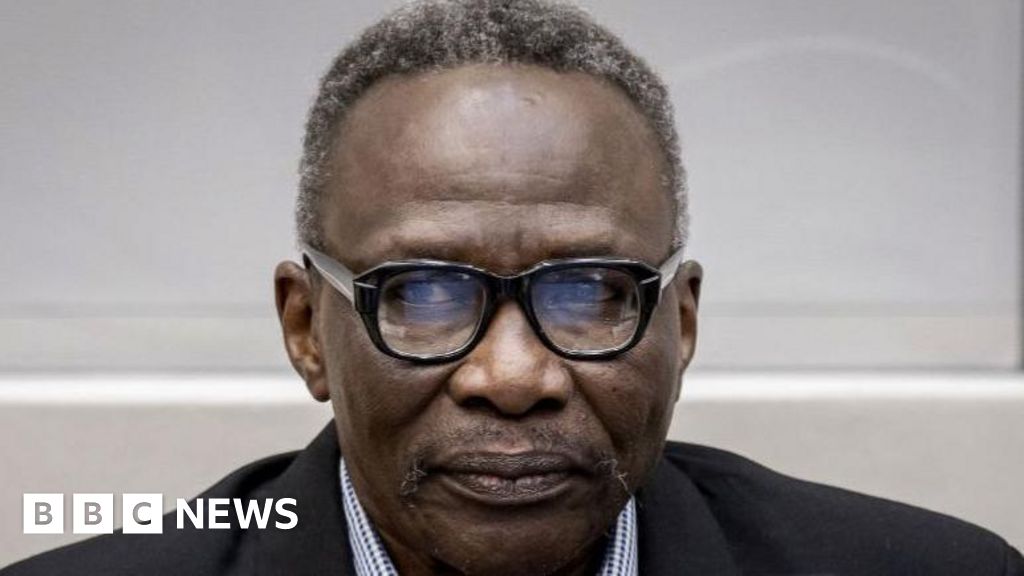
The recent conviction of Ali Muhammad Ali Abd-Al-Rahman, commonly known as Ali Kushayb, by the International Criminal Court (ICC) marks a significant milestone in the ongoing quest for accountability amidst Darfur‘s tumultuous history. As the first individual tried by the ICC for atrocities committed during the 2003-2020 conflict, Kushayb’s guilty verdict on 27 counts underscores the global community’s recognition of the scale of violence inflicted upon non-Arabic populations during those dark years. Historians and analysts agree that this verdict serves as a pivotal acknowledgment of the systemic atrocities committed by the Janjaweed— a militia backed by the Sudanese government— which systematically targeted ethnic minorities with genocidal intent. The case emphasizes the enduring importance of international justice in addressing war crimes, even decades after the initial violence.

However, the shadows of Darfur extend beyond the courtroom, casting an ominous pall over present-day Sudan. The region is once again embroiled in conflict, this time unfolding between the nation’s military and the paramilitary Rapid Support Forces (RSF). The RSF’s origins lie in the Janjaweed, and recent years have seen their transformation into a formidable fighting force accused of ethnic cleansing against non-Arab communities—carrying the same lethal ideology that fueled past atrocities. Inspired by the same patterns of ethnic violence, the current civil war threatens to undo fragile efforts at stability, leaving many displaced and vulnerable. International organizations, including the U N, have condemned the RSF’s actions, which mirror the tactics of terror and systematic destruction witnessed during the Darfur crisis. This continuity highlights how ideological and military institutions ingrained in Sudan’s history continue to threaten regional stability.

Prominent voices such as Dr. Matthew Benson-Strohmayer from the London School of Economics warn that the current conflict is a “war of terror,” characterized by sexual violence, starvation, and wholesale destruction—paralleling the worst aspects of Darfur’s past. Despite the symbolic significance of Kushayb’s conviction, many remain skeptical about its immediate impact on ending the violence. The international community’s efforts to hold Sudanese officials accountable, including warrants against former President Omar al-Bashir, have yet to bring comprehensive justice or peace. This ongoing impunity allows the cycle of violence and ethnic cleansing to persist, undermining the rule of law and global efforts aimed at fostering reconciliation. As history lingers, it becomes increasingly clear that international justice alone cannot dismantle the deeply rooted factions fueling the conflict.

As the dust settles over The Hague, and the verdict stands as a stark reminder of past horrors, the fate of Sudan hangs in the balance. The recent events serve as a powerful warning: successful justice might offer a moment of moral victory, but without comprehensive political resolution and local reconciliation, the specter of war continues to cast its shadow over generations. History’s pen is still writing Sudan’s story, a tale of trauma intertwined with resilience, unresolved conflicts, and the relentless pursuit of justice—leaving the world to wonder whether this verdict will be a turning point or merely a pause before the next chapter of chaos unfolds in the heart of Africa.

Venezuelan Gang Leader Busted in Colombia: Justice Wins Again

In an unprecedented joint operation, Colombia, the United States, and the United Kingdom have successfully apprehended José Antonio Márquez Morales, alias Caracas, the alleged leader of the armed wing of Venezuela’s notorious criminal organization, Tren de Aragua. This coordinated effort marks a significant escalation in the fight against transnational organized crime in Latin America, particularly in the context of the escalating U.S.-Venezuela conflict. The arrest, which took place in Valledupar, underscores the international community’s increasing willingness to collaborate across borders in handling threats that threaten regional stability and safety.

The significance of this operation extends well beyond the capture itself. According to Colombia’s National Police, Márquez Morales was a critical figure responsible for managing logistics, finances, and operational coordination—covering drug trafficking, extortion, and smuggling. The arrest was facilitated through an Interpol Red Notice, a powerful tool aimed at ensuring the continued pressure on high-profile crime figures worldwide. As noted by international law enforcement officials, this operation not only disrupts the capabilities of Tren de Aragua but also sends a clear message about the increased cooperation and resolve among governments confronting these dangerous organizations.

Meanwhile, the arrest arrives amidst heightened tensions between the United States and Venezuela, centered on the U.S. government’s aggressive anti-drug trafficking policies in Latin America. Under the Trump administration, the U.S. deployed warships into the Caribbean, and last month, authorized military actions against vessels suspected of drug smuggling originating from Venezuela. President Trump’s rhetoric has often accused Venezuelan President Nicolás Maduro of colluding with drug cartels, offering a $50 million bounty for information leading to his capture—an unprecedented move that intensifies the geopolitical standoff.

Analysts from organizations like the Council on Foreign Relations warn that these tensions threaten to compound regional instability. The narrative forwarded by U.S. officials labels Maduro as a key player in the drug trade, an assertion vehemently denied by Caracas, which has condemned Washington’s accusations as politically motivated. The broader geopolitical impact is profound: Latin America finds itself at a crossroads where criminal networks and state actors intertwine, destabilizing entire nations and society. Historically, such conflicts highlight how external interventions can sometimes exacerbate regional peril, emphasizing the urgency of diplomatic rather than military solutions.

As the shadows of this ongoing struggle lengthen, the arrest of Márquez Morales represents a pivotal but fragile victory in a saga defined by intertwined themes of crime, sovereignty, and international power plays. With Venezuela and the region’s stability hanging in the balance, the world watches as history writes the next chapter—one where choices made today will echo through future generations, shaping the geopolitical landscape of Latin America and beyond. The question remains: will this be a turning point towards genuine change, or another fleeting moment in a relentless battle for control? The sands of history are still shifting, and the stakes could not be higher.

Palestinian Leader Opens Door to Work with U.S. on Two-State Solution

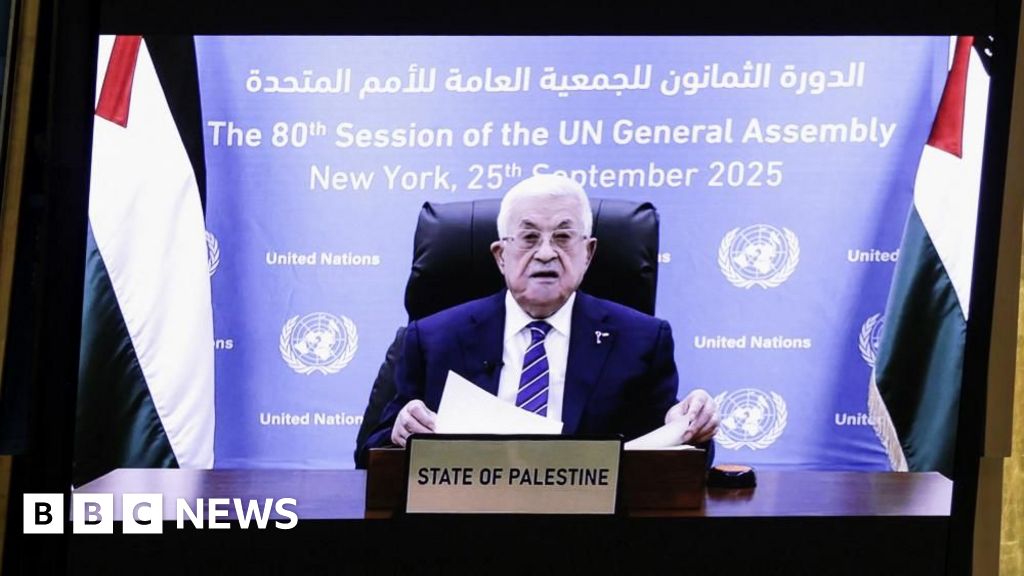
Amid the ongoing turmoil in Gaza, Palestinian President Mahmoud Abbas has asserted his readiness to collaborate with the international community to advance the peace initiatives proposed by France. Speaking via a recorded message at the United Nations General Assembly, Abbas emphasized his unwavering stance against a future governing role for Hamas in Gaza, demanding its disarmament as a prerequisite for any lasting peace. This position underscores the persistent internal divisions within Palestinian politics, which continue to complicate efforts toward national sovereignty and stability in the region. As the recipient of renewed international attention, Palestine’s quest for full recognition and independence remains a pivotal turning point with significant geopolitical impacts.

The recent outbreak of violence in Gaza, triggered by Hamas’s deadly attack on Israel on 7 October 2023, has resulted in tremendous loss and suffering. The attack, which claimed the lives of approximately 1,200 civilians and led to the abduction of 251 hostages, has been widely condemned as a reprehensible act, yet it precipitated a brutal Israeli military response. According to Gaza’s Hamas-led health ministry, over 65,000 Palestinians, many of them women and children, have been killed in the ensuing conflict—highlighting the catastrophic human toll. Analysts warn that this relentless cycle of violence threatens to undermine any hopes for peace, potentially altering the political landscape in the Middle East for decades to come.

The peace plan announced by French President Emmanuel Macron at a recent regional summit signals a possible pathway toward de-escalation. The proposal advocates for the simultaneous release of Hamas-held hostages and an end to Israeli military operations, followed by the establishment of a transitional administration — comprising Palestinian Authority officials and excluding Hamas — to govern Gaza. This plan envisions a sovereign, demilitarized Palestinian state that would incorporate Gaza with the Israeli-occupied West Bank, aiming to usher in a new chapter of stability and sovereignty. However, both the United States and Israel have dismissed the initiative, fearing it legitimizes terrorist groups and rewards militant unrest. This divergence in support highlights the fragile balance of international diplomacy in a conflict still deeply entrenched in historical grievances and power struggles.

Throughout this upheaval, Abbas has called upon the international community to recognize Palestine as a sovereign state and grant it full membership in the UN—an effort to bolster national legitimacy and pressure global powers to reconsider their policies. Countries like Canada, Australia, the UK, and Portugal have already extended recognition, while the U.S. remains opposed, citing fears of encouraging Hamas’s influence. As historians and analysts observe, such recognitions symbolize a pivotal shift, challenging the longstanding international stance that has kept Palestine in diplomatic limbo. Abbas’s call for electoral reform and the promise of a democratic Palestinian state underscore the urgent desire among Palestinians to redefine their future, yet the path remains obstructed by external intervention and internal discord. As the world watches, the fate of Gaza—and the broader Middle East—hangs in the balance, with each decision resonating far beyond the region’s borders, shaping the course of history yet to unfold.

Youthful leader driving Biden’s bipartisan wins in Congress

Under the surface of the Biden administration’s legislative accomplishments, a profound power struggle continues to define the shape of American governance. Despite navigating one of the most narrowly divided Congresses in history, President Joe Biden and the Democratic Party managed to secure a series of landmark wins in the first two years of his presidency. These successes—ranging from bipartisanship on infrastructure, gun safety, and same-sex marriage to partisan efforts on climate policy and healthcare—serve as a testament to the strategic navigation of a tumultuous political landscape. Yet, beneath these achievements lies a crucial question: how do these decisions, often driven by fragile alliances and internal compromises, actually shape the lives of ordinary Americans? And who ultimately holds the real power behind these legislative corridors?

The Biden team’s ability to rally diverse factions highlights a critical facet of contemporary politics: the delicate art of coalition-building in an era when ideological divisions threaten to fracture consensus at every turn. Political theorists like Hannah Arendt and Leo Strauss have long argued that government is ultimately a theater for contesting authority—where decisions are never merely bureaucratic, but fundamentally about who holds the power to decide. Despite claims of bipartisan virtue, many of these “wins” are rooted in pragmatic negotiations that often leave core ideological principles on the cutting room floor. For instance, bipartisan agreements on infrastructure and gun safety bills—while portrayed as victories for the people—are often the result of compromises that dilute their intended impact. The real question is whether these legislative actions reflect the public’s will, or if they are a showcase of political acumen in the game of authority.

Meanwhile, the party-line bills—particularly those tackling climate change and expanding health care coverage—highlight the fundamental struggle within the Democratic Party for ideological dominance. These initiatives demonstrate the prioritization of a progressive policy agenda, sometimes at the expense of broader national consensus. The legislation is often driven by internal pressures from left-wing factions seeking to cement progressive footprints, thereby asserting control over the legislative narrative. Such moves evoke evocative parallels with early 20th-century reform efforts, where elite factions used policy as a battleground for influence. The outcome, however, remains a matter of contestation: will these initiatives truly empower the people, or serve as instruments for establishing a new political order?

As the midterm elections approach, the stakes become ever clearer: the power struggles are not just about policies, but about who writes the destiny of the nation. The decisions made—whether for sweeping reforms or incremental change—are the brushstrokes on the canvas where history is painted. The lesson from history is unmistakable: politics is less about the parties or policies, and more about the struggles for authority that define the fate of nations. Ultimately, as dominant political theorists have observed, politics is an arena where the fate of the collective is forged—where the decisions of today carve the destiny of tomorrow. As citizens, understanding this power dynamic is essential; for it is on this stage that history is written, and the future is determined.

Social Media Auto Publish Powered By : XYZScripts.com