Matox News

Truth Over Trends, always!

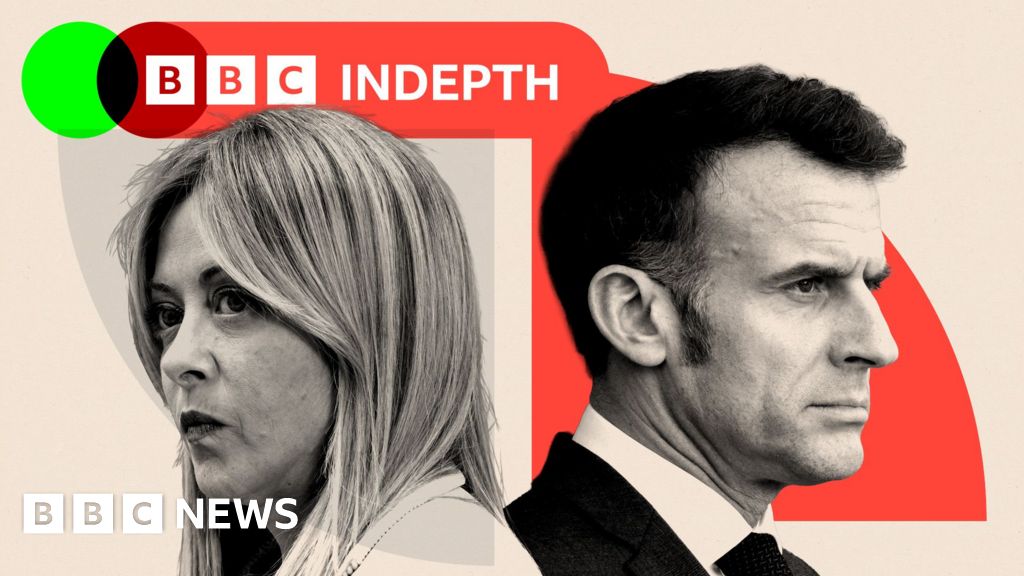
Why Europe's Leaders Can't Find a United Voice on Iran
Why Europe’s Leaders Can’t Find a United Voice on Iran

European Nations Strike a Balance Between Cooperation and Divergence

In a pivotal moment on the international stage, European nations have publicly expressed a desire to enhance their collective cooperation amidst ongoing challenges. Yet, beneath the diplomatic rhetoric lies a fundamental reality: differing national priorities threaten to weaken the unity that the European Union has long touted as its cornerstone. As these nations seek to bolster their economic resilience and strategic standing, their diverging interests reveal a continent caught between unity and fragmentation—a historical pattern witnessed during previous geopolitical upheavals.

The recent summit saw European leaders emphasizing the importance of building a more integrated and resilient bloc. They highlighted initiatives aimed at streamlining economic policies, enhancing defense cooperation, and securing supply chains battered by recent global disruptions. However, analysts caution that these lofty goals are hindered by underlying divergences. Countries like Germany prioritize economic stability and energy independence, while France pushes for increased military integration and strategic autonomy. Meanwhile, Eastern European nations, wary of external threats, advocate for a robust security pact that diverges from the more diplomatic approach favored by Western partners.

Attention Turns to International Alliances and Global Power Shifts

This widening fissure among European nations occurs amid a rapidly transforming global landscape. With China rising as a formidable economic power and Russia asserting its influence in regional conflicts, European countries find themselves balancing national interests with collective security commitments. The influence of the United States remains a factor, with debates intensifying over NATO’s future role and burden-sharing among member states. The shift towards more autonomous European defense strategies—as exemplified in France’s push for a European Army—raises questions about future commitments to NATO and the stability of transatlantic relations.

To make sense of these developments, international organizations and think tanks have issued warnings. The International Crisis Group warns that “without a unified vision, Europe’s internal cohesion could erode, rendering it less capable of shaping its destiny in a tumultuous global order.” Historians point to the late 19th and early 20th centuries, where internal divisions within European powers led to catastrophic conflicts. Their lessons serve as a sobering reminder that divergent national interests, if left unaddressed, can fracture alliances and open the door to geopolitical chaos.

The Weight of History and the Unfolding Future

As Europe contends with internal disagreements and external threats, the continent finds itself at a crossroads—its choices echoing through history’s corridors. Will it forge a path toward genuine unity or succumb to the pressures of divergent national ambitions? The decisions made in the coming years will determine whether Europe emerges as a cohesive power capable of defending its values and interests or as a fractured mosaic vulnerable to external manipulation. For now, the debate continues, but the march of history waits for no nation—its next chapter unwritten, yet critically imminent.
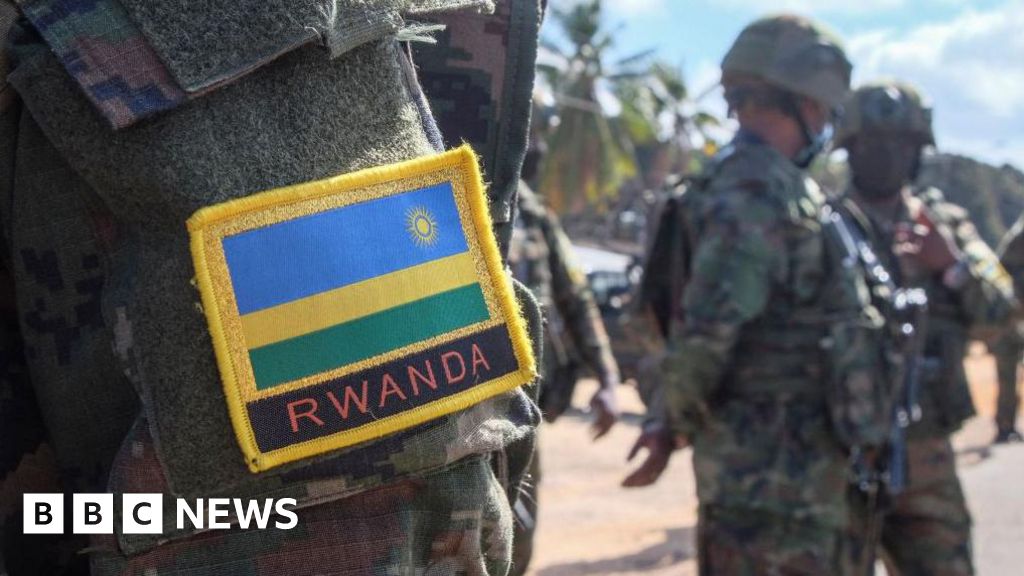
US sanctions Rwanda’s military leaders over DR Congo clashes

The escalating diplomatic tensions between Rwanda and Washington have taken a decisive turn, igniting fears of deeper geopolitical shifts in eastern Africa. Rwanda officially accused the United States of adopting a “one-sided” and politically motivated stance in recent international maneuvers, raising alarms over the growing influence of global powers in regional conflicts. As Rwanda navigates its sovereignty amid international pressures, analysts warn that such accusations underscore a broader contest for influence in Africa—an arena increasingly seen as a strategic chessboard.

Rwanda’s ire centers around recent decisions made at the United Nations and within bilateral negotiations, where the U.S. has taken positions that Rwanda claims dismiss its security concerns and diplomatic interests. International observers highlight that the U.S. response appears to favor certain factions within the regional conflict landscape, aligning with Western interests at the expense of Rwandan sovereignty. Historically, foreign intervention—whether in the form of aid, sanctions, or diplomatic pressure—has long influenced African states’ trajectories, often at the expense of their internal stability and autonomy. Rwanda’s leadership contends that such external influence undermines regional peace efforts and ignores the complex realities on the ground.

The geopolitical impact of this diplomatic standoff extends beyond the borders of Rwanda and the United States. It exemplifies a broader struggle among major global players—particularly China, Russia, and the European Union—to reshape Africa’s geopolitical map. The International Crisis Group and other think tanks warn that increased competition risks destabilizing already fragile regions, fueling cycles of violence and economic uncertainty. Moreover, Africans and their leaders are increasingly vocal about the need to chart independent paths, resisting external meddling and asserting sovereignty in shaping their futures.

History offers a cautionary tale—where external powers, often cloaked in the guise of aid or diplomacy, have historically exploited regional conflicts for strategic gains. As Rwanda’s accusations echo through international corridors, the world faces a pivotal moment: will existing powers respect Africa’s sovereignty, or will the continent become an arena for greater geopolitical rivalry? The answer may well determine whether the winds of change carry toward peace and stability or if they blow toward enduring conflict. In the shadows of history, the unfolding story warns that the stakes are nothing less than the future sovereignty of nations and the true meaning of independence in a fractured world order.

Liberal Leaders Shut Down Review of Devastating 2025 Election Loss

In a dramatic twist of Australian domestic politics, the Liberal Party has chosen to bury its most candid and potentially damaging post-mortem of its 2025 election defeat, guaranteeing that critical insights remain hidden from public scrutiny. This decision not only signals a political attempt at a “fresh start” but also raises questions about accountability and transparency within the party, with wider implications for Australia’s geopolitical credibility. As the party’s internal review, which uncovered substantial failures—including weak candidate selection, strategic missteps, and damaging communication blunders—remains classified, some analysts interpret this move as a sign of internal chaos masking itself from the nation and the world.

The review’s findings reportedly cast harsh light on leader Angus Taylor and his deputy Jane Hume, both of whom are key figures in the party’s current hierarchy. Their connections to the campaign’s failures, such as opposition to Labor’s tax reforms and controversial comments about espionage, reflect a broader ideological and strategic instability. Historically, such internal conflicts within the Liberal Party have had ripple effects beyond Australian borders, disturbing regional stability and undermining alliances, especially as the country navigates an increasingly volatile Asia-Pacific theater. By shutting down transparency, Canberra’s leadership risks fostering an internal culture of denial rather than learning, which analysts warn could embolden adversaries in the Indo-Pacific domain.

  • Despite the election loss being the worst in the party’s 80-year history, the decision to suppress the review forecasts a pattern of resistance to introspection.
  • Some voices within the party fear that releasing the report could open old wounds, legal battles, or damage leadership ambitions, paralleling recent internal conflicts in other centers of power worldwide.
  • International observers, including major think tanks and analysts like those featured by the Australian Strategic Policy Institute, suggest that this refusal to confront mistakes hampers Australia’s leadership role in regional security and economic resilience.

The incident exposes a troubling dichotomy: a focus on political expediency over genuine reform, which could have broader consequences for international trust. The global community watches cautiously as Australia, a key partner in the Anglosphere and Pacific region, appears to retreat from accountability at a critical juncture—raising fears of internal fragility that could be exploited by rising powers like China and Russia. Such internal concealment, some argue, portends a future where Australia’s ability to project strength and defend democratic values is compromised. As the nation’s political stage remains a battleground of power and secrecy, the unresolved questions about Australia’s internal health echo as a warning. In the shadows of leadership decisions, the weight of history continues to weave its story—one where the true toll of concealed truths could determine the continent’s role on the world’s future stage, for better or worse.

The CS Exodus: Where Tomorrow’s Tech Leaders Are Heading Instead

University of California Enrollment Decline Sparks Disruption in AI and Computer Science Education

In a startling development, the University of California system experienced its first drop in computer science enrollment since the dot-com era. According to recent reports, system-wide enrollment in CS programs declined by 6% this academic year, doubling the 3% decrease observed in 2024, despite the fact that overall national college enrollment increased by 2%. This indicates a significant recalibration within higher education’s approach to technology, prompted by the rapid ascension of artificial intelligence (AI) as a disruptive force reshaping the industry landscape. University administrators face the urgent challenge of aligning curriculum with a future where AI-driven innovation is not an exception, but a standard business operation.

Meanwhile, the landscape is shifting rapidly. Institutions like MIT are adopting AI-specific majors, with the “AI and decision-making” program now ranking as the second-largest undergraduate major. Such trends highlight a strategic pivot that underscores the industry’s recognition of AI as a core driver of economic growth and competitive advantage. Similarly, the University of South Florida attracted over 3,000 students into its new AI and cybersecurity college in just its first semester — a move signaling a deliberate shift toward specialized, industry-ready skills. The University at Buffalo has launched a unique “AI and Society” department with seven focused undergraduate tracks, drawing more than 200 applicants before its debut. These initiatives serve as milestones in a broader movement toward integrating AI at the institutional level, disrupting the traditional liberal arts-centric model of higher education.

However, not all universities have navigated this transition smoothly. The resistance from faculty and administrative inertia remains palpable. At UNC Chapel Hill, Chancellor Lee Roberts warns of faculty “leaning forward” versus those “with their heads in the sand,” revealing a divide over AI integration. Despite efforts to create an AI-centric campus, institutional resistance may hinder the pace of innovation crucial for workforce preparedness. The debate extends into parental influence as well. Industry insiders like David Reynaldo observe that parents, once advocates of CS careers, are now steering students toward fields like electrical engineering that appear less susceptible to automation disruption. This reflects a genuine disruption—an awakening to the need for agility in educational pathways to stay ahead of AI-driven competitive shifts.

This transformative phase in higher education underscores a broader business implication: AI is rewiring the very fabric of industry and talent acquisition. According to Gartner, technology-driven disruption demands agility, or risk obsolescence — a warning echoing across the corporate and academic sectors alike. AI’s rapid evolution is incentivizing firms and universities to innovate relentlessly, but the clock is ticking. As Elon Musk and other disruptors emphasize, the future belongs to those who anticipate change rather than ignore it. Education institutions that fail to adapt quickly risk falling behind, losing top talent, and ceding industry leadership to more agile rivals.

Looking forward, the holdout universities and industry players who hesitate are risking irrelevance in the fast-evolving AI economy. It’s a stark reality check for America’s innovation ecosystem, demanding swift action: embrace AI as a foundational element of curriculum, build adaptable workforce pipelines, and foster a culture where disruption is an opportunity, not a threat. As students increasingly seek programs aligned with the cutting edge of technology, institutions must act with urgency. The future is already here, and the window for American leadership in AI and innovation is closing rapidly. Those who recognize this urgency now will shape the next chapter of global technological dominance — the rest risk being left behind.

Congressional Leaders Strike Deal on Funding — President Confirms

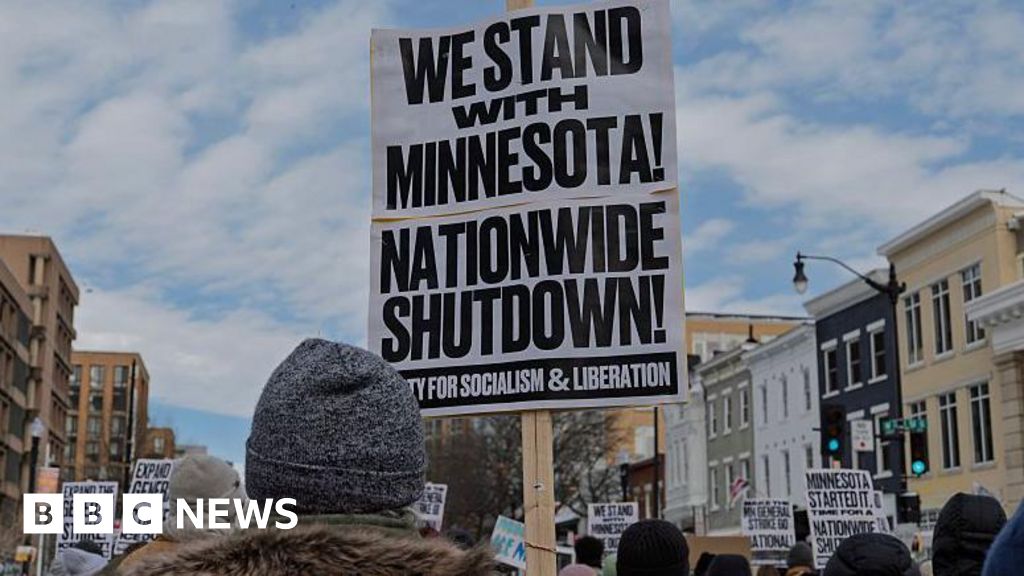
Recent incidents involving U.S. Immigration and Customs Enforcement (ICE) and Border Patrol officers have ignited a surge of protests across the nation, spotlighting the ongoing debate surrounding immigration enforcement and border security. On 7 January in Minneapolis, a tragic event unfolded when an ICE agent fatally shot Renee Good, a 37-year-old individual amid a tense encounter. Just weeks later, on 24 January, a Border Patrol officer shot and killed Alex Pretti, also aged 37, further escalating tensions in the country. These incidents have not only shaken communities but also intensified calls for accountability and reform within federal immigration agencies.

These events have underscored the deep divisions within American society regarding immigration policy, with protests erupting nationwide in support of migrant rights and against what many perceive as excessive use of force. Historically, such controversial law enforcement actions have a profound impact on public trust and social cohesion. Critics, including numerous human rights organizations and international observers, argue that the use of deadly force without clear accountability exacerbates the already polarized national landscape regarding immigration enforcement. The incidents have prompted some members of Congress—spanning the political spectrum—to voice concern.

  • Democratic leaders and a faction of Republicans are now pushing to withhold funding from the Department of Homeland Security (DHS) amid fears over unchecked violence and civil rights violations.

The geopolitical impact of these domestic upheavals extends beyond U.S. borders, as American immigration policies often influence global migration trends and diplomatic relations. International institutions, such as the United Nations, have repeatedly called for humane treatment of migrants and adherence to international human rights standards. However, critics argue that the U.S. approaches these issues from a law-and-order perspective that often disregards the broader social ramifications and human costs. Analysts like Dr. Jane Maxwell, a senior researcher at the *International Institute for Migration Studies*, contend that such incidents threaten to undermine America’s global reputation as a defender of human rights, especially at a time when geopolitical rivalries with China and Russia are intensifying.

As the debate intensifies over DHS funding and immigration enforcement tactics, the weight of history presses heavily upon the nation. These incidents are a stark reminder that decisions made today will resonate through generations—shaping societal norms, policies, and the delicate balance of power and morality. For many, the question remains whether the United States can reconcile its role as a beacon of freedom and justice with the harsh realities of border security and law enforcement. An uncertain future looms as citizens and leaders grapple with the moral and geopolitical implications of an evolving immigration landscape—where the lines between safety, justice, and human dignity are increasingly blurred.

Border Chief: Minneapolis Agents May Exit If Local Leaders Cooperate

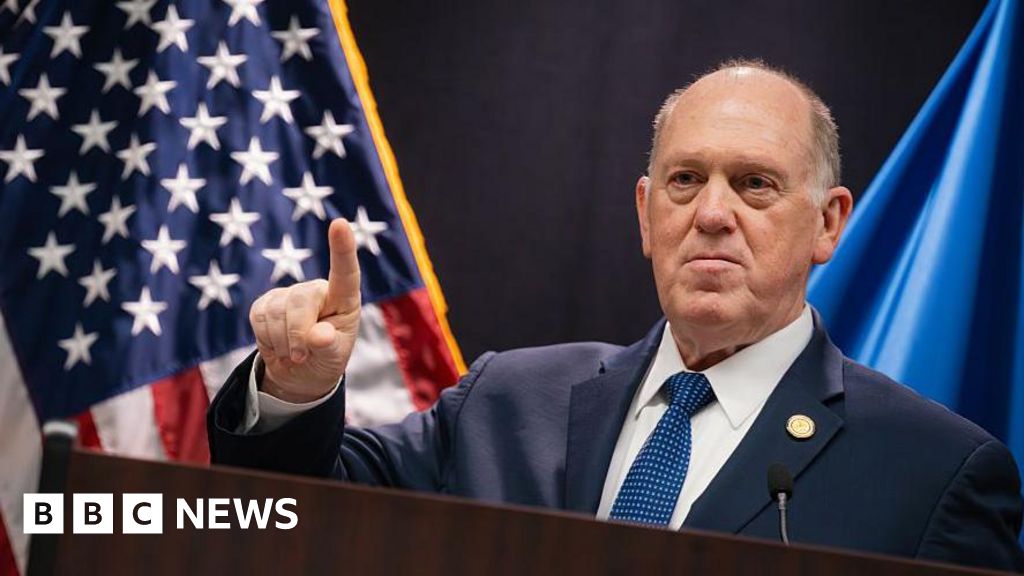
In an effort to recalibrate immigration enforcement policies, Tom Homan, a prominent figure within the Trump administration, announced a shift toward more targeted immigration operations. This move arises amidst mounting frustrations within specific urban centers and on Capitol Hill, where bipartisan concern over border security and immigration reform continues to simmer. The administration’s promise to refine enforcement strategies reflects a broader attempt to address the complex confluence of domestic pressure and international security dynamics, positioning itself at a critical juncture for U.S. domestic policy and global geopolitics.

Historically, debates over immigration have risen to the forefront of U.S. political discourse, with recent efforts emphasizing a more constrained approach to unauthorized crossings. Analysts suggest that these targeted operations aim to prioritize threats linked to transnational crime, human trafficking, and national security risks—shifting away from broad, indiscriminate sweeps. This approach aligns with the views of many security experts and included in recommendations from international think tanks and organizations such as Homeland Security. By focusing enforcement, the administration intends to avoid inflaming local communities while addressing security concerns that resonate across policy circles, especially amid growing geo-economic tensions.

The decision to implement more precise immigration actions bears significant geopolitical impacts. As regional powers such as China and Russia observe shifts in U.S. foreign and domestic policy, they are increasingly aware of how these policies influence global stability. The targeted approach is not merely about border control but acts as a strategic signal—demonstrating that the United States is refining its enforcement to avoid unnecessary humanitarian crises that could fuel international criticism, while simultaneously projecting strength against irregular migration flows that threaten borders. International organizations, including the United Nations, continue to monitor how such policies align with global standards on human rights and sovereignty.

Critical to this development are the broader implications for international relations. Countries that are sources or transit points for migration are already reevaluating their diplomatic strategies. Historically, border enforcement has had ripple effects, influencing regional stability and economic cooperation. Experts warn that overly aggressive policies could provoke retaliatory measures or destabilize neighboring nations—effects that ripple well beyond America’s borders. Furthermore, experts warn that such targeted operations could serve as a warning sign to adversaries looking to exploit internal divisions as a means of destabilization, adding a layer of tension to the already volatile global landscape.

As nations watch these developments unfold, historians and foreign policy analysts recognize that this shift marks a critical turning point in the ongoing contest over sovereignty and security. The decisions made today could echo through generations, shaping the contours of international stability and the societal fabric of America itself. With so much at stake, the weight of history hangs heavily, and the world awaits—impatiently yet anxiously—for the next chapter of this unfolding story, where policies on the home front will echo loudly across the global stage.

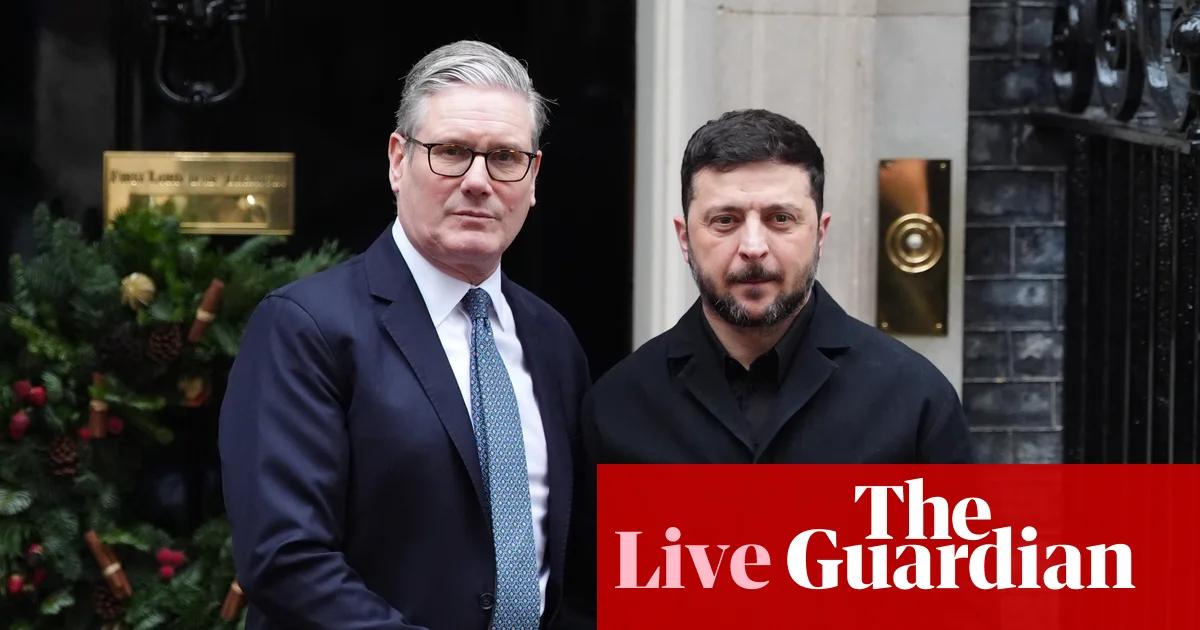
Ukraine War Update: Zelenskyy Meets Leaders in London to Push for Peace Talks

The geopolitical landscape of Europe and the broader international sphere is witnessing a dramatic shift, with recent events highlighting the fragile and complex dance of power among Western nations, Russia, and U.S.. As Ukrainian President Volodymyr Zelenskyy prepares for high-stakes negotiations with European leaders in London and Brussels, the undercurrents of influence and support cast a long shadow over potential outcomes. Animating this tense atmosphere are statements from Donald Trump Jr and key U.S. political figures, who have cast doubt on America’s continued commitment to Ukraine, hinting at a possible withdrawal of support in the face of shifting priorities.

From Europe, the repercussions are both immediate and far-reaching. The European Union faces mounting internal debates over its resources and strategic position, especially in light of recent confrontations with digital giants like Elon Musk, who have publicly called for ending the EU’s digital regulations. EU officials, including Ursula von der Leyen and Antonio Costa, fiercely oppose external interference and emphasize that laws are laws—yet, they are also grappling with the diplomatic fallout of a controversial EU fine placed on Twitter’s parent company. Analysts warn that these internal conflicts could weaken Europe’s unified stance, especially if external actors like Russia and the U.S. exploit discord to advance their agendas.

The peace negotiations surrounding Ukraine exemplify the intense struggle over territory and sovereignty. While Zelenskyy urges clarity on whether Russia intends to renew hostilities, European leaders are divided—many endorse the EU’s proposal for a reparations loan funded through frozen Russian assets as a ’politically feasible’ strategy. This initiative, supported by nations including Netherlands, Poland, and Finland, aims to bolster Ukraine’s military and economic resilience against the ongoing conflict. However, critics highlight the potential risks: the plan could be perceived as provocative by Moscow and may hinder diplomatic efforts towards a just peace.

Meanwhile, the diplomatic theater continues with Zelenskyy’s upcoming visits to Brussels and Rome, and the expected high-level discussions featuring Macron, Merkel, and Starmer. The overarching question remains: how will international support adapt if the U.S. signals a shift in commitment? — a critical concern, as analysts warn that the decision could alter the balance of power. Historians caution that these moments may be remembered as a turning point—a time when alliances were tested, and the fate of sovereignty was weighed against the tides of geopolitics.

As King Charles echoes Europe’s condemnation of Russian aggression and the German Chancellor Friedrich Merz arrives punctually amidst storytelling jokes about Germany’s notorious delay, the weight of history looms large. The international community stands at a crossroads: one path leads toward renewed diplomacy and peace, the other towards a lingering shadow of conflict, with unpredictable consequences. In the shadows of London and Brussels, world leaders sit silently, acutely aware that their every decision is etched into the annals of history, where every move could spark the next chapter of turmoil or triumph. And so, the story continues, with the whole world watching as the pages are turned—an unfolding saga of power, resistance, and the relentless pursuit of sovereignty.”

Trump claims Zelenskyy isn’t prepared to back US peace deal before UK meeting with European leaders

International Power Plays and the Fragility of Peace

The recent flurry of diplomatic efforts surrounding the ongoing conflict in Ukraine underscores the escalating geopolitical stakes and reveals the deep divisions within global alliances. At the center of this impasse is President Volodymyr Zelenskyy, who appears hesitant to endorse a US-backed peace framework crafted through days of negotiations in Florida. Former U.S. President Donald Trump publicly questioned Zelenskyy’s readiness, suggesting that the Ukrainian leader is holding back progress despite his advisors and international allies advocating for the deal. This internal turbulence within Kyiv, combined with the already strained relations among major powers, paints a picture of a conflict teetering on the edge of a wider geopolitical crisis.

The Diverging Paths of Major Powers

  • While the United States claims to be close to finalizing a peace agenda favoring diplomatic resolution, Russia under Vladimir Putin remains publicly skeptical, with Kremlin officials dismissing aspects of Trump’s proposal as unworkable.
  • And despite US officials asserting that their negotiations are nearing a breakthrough, Russia has welcomed the recent US national security strategy, which Moscow interprets as aligning with its own interests of restoring Moscow’s influence and countering Western efforts. The strategy criticizes European nations and alludes to “civilizational erasure,” reflecting how geopolitical narratives are shifting on both sides.

An analysis by international relations scholars highlights that the negotiations over territorial security and the status of Russian-occupied regions remain unresolved, signaling an uncertain future for Ukraine. US envoy Keith Kellogg emphasized that progress was in its final stages, yet key issues such as control over Zaporizhzhia and territorial guarantees continue to hinder an agreement. The conflicting signals suggest that the underlying power struggle is less about diplomacy and more about control and influence—a common theme reverberating through recent history’s most tense conflicts.

Implications for International Stability and Sovereignty

The delicate dance between diplomacy and confrontation highlights how decisions in these negotiations ripple across the global stage. The tensions reveal that decision-makers are primarily driven by national interests—Ukraine’s desire for sovereignty, Russia’s quest for regional dominance, and America’s balancing act amid its strategic recalibrations. European leaders like Keir Starmer and counterparts from France and Germany are watching nervously, emphasizing the importance of European security guarantees. Their stance underscores that the future of the continent’s security architecture hinges on these high-stakes negotiations.

Major international organizations, including NATO and the United Nations, are observing with concern, aware that any misstep could ignite a larger confrontation. The tension echoes debates by historians and analysts about last century’s conflicts, where unresolved disputes in Europe precipitated global wars. As world leaders weigh seemingly fragile peace plans, the weight of history presses down, whispering warnings of history repeating itself—if not carefully managed, the current fragile peace could unravel.

The Unfolding Canvas of History

In this complex geopolitical chess match, each move shapes the future—not only of Ukraine and Russia, but of the entire international order. As the world watches a narrow window of opportunity closing, the stakes have never been higher. The decisions made today will determine whether this epoch will be remembered as one of reconciliation or catastrophe. The theater of diplomacy remains fraught with danger, and the long shadow of conflict looms large. The story of this war, still unfolding, is a stark reminder that history is never static, and the price of inaction could be the next great epoch of turmoil.”

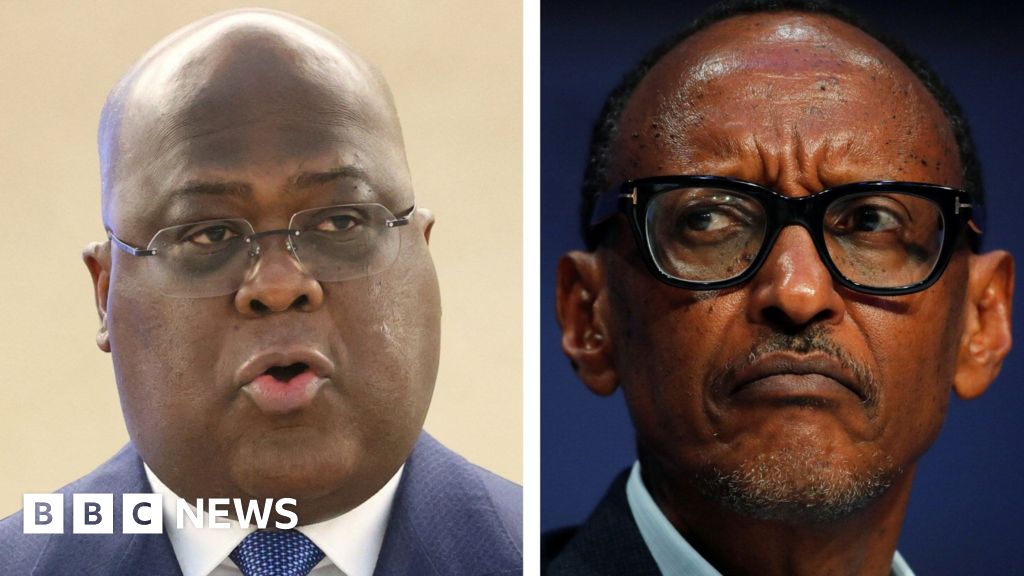
Trump Hosts Leaders from DR Congo and Rwanda to Seal Key Peace Agreement

Emerging Peace Deal in Central Africa: A Turning Point or Illusion?

In an era defined by shifting allegiances and resource-driven conflicts, the recent summit in Washington marks a pivotal moment for the tumultuous region of Central Africa. The presidents of DR Congo and Rwanda are poised to sign a landmark peace agreement aimed at quelling a decade-long insurgency that has destabilized eastern DR Congo. Hosted by then-U.S. President Donald Trump, the diplomatic gathering drew several international figures, including representatives from Qatar, Burundi, and Arab nations, signaling the global stakes intertwined with regional peace.

Despite the symbolic nature of the summit, beneath the diplomatic veneer lies a complex web of conflicting interests, historical grievances, and geopolitical calculations. The signing comes amid escalating violence, with the M23 rebel group recently seizing critical cities such as Goma and Bukavu, and ongoing accusations of Rwandan backing—an assertion Kigali continues to deny. The conflict’s roots trace back to the 1994 Rwandan genocide, with groups like the FDLR militias remaining a persistent threat, prompting Rwanda’s claims of needing to adopt defensive measures. Herein lies the core dilemma: Rwanda insists disarmament of FDLR is vital, but how to disarm a fearsome militia with a history of atrocities remains unresolved—especially when previous efforts have failed.

The Geopolitical Chessboard: Mineral Wealth, Regional Power, and International Influence

Analysts and international organizations emphasizing the region’s economic potential warn of a future shaped less by peace and more by resource extraction. The US State Department cites an estimated $25 trillion worth of mineral reserves within DR Congo, including cobalt, copper, lithium, and tantalum—key ingredients for modern electronics and defense industries. The United States has aggressively promoted economic accords, aiming to turn the region into a corridor of collaboration on hydroelectric and infrastructure projects. Political scientist Prof. Jason Stearns remarks that the true aim of the United States is to secure mineral rights and bolster strategic partnerships, while Rwanda’s role is nuanced—both as a key stakeholder and alleged supporter of rebel factions like M23.

As history illustrates, such resource-driven conflicts are often less about territorial control and more about economic dominance. Rwanda’s claims of disarming the FDLR and the DR Congo’s insistence on the rebels’ surrender expose the fragility of diplomatic promises. Past peace agreements, dating back to the 1990s, have repeatedly unraveled when accusations of inaction and betrayal surface. Critics argue this latest accord, while touted as “historic,” may merely be a strategic pause, allowing regional powers to consolidate economic gains without addressing the underlying nationalist and ethnic tensions.

Uncertain Prospects: A Fragile Glimmer of Hope or a Foreboding Prelude?

Furthermore, the ongoing clashes signal that true peace remains elusive. The DR Congo army reports recent offensives against rebels, who in turn accuse the government of collusion with foreign forces, notably Burundi. The enclave’s strategic importance—bordered by multiple nations and rich in resources—ensures that any resolution is susceptible to regional and external interference. The participation of Qatar and the U.S. in mediation efforts highlights the international stakes; yet, the enduring question remains—will the promise of peace translate into lasting stability, or merely herald another chapter of deferred conflict?

History’s shadow looms large, with experts warning that peace processes in Africa often falter due to entrenched interests, unfulfilled agreements, and the difficulty of disarming well-armed factions. The region teeters on the precipice of a new chapter—one that could either mark the demise of chaos or the birth of a protracted struggle. As the world watches, the unfolding story in DR Congo and Rwanda reminds us that the weight of history is still being written, and the future remains dangerously uncertain.

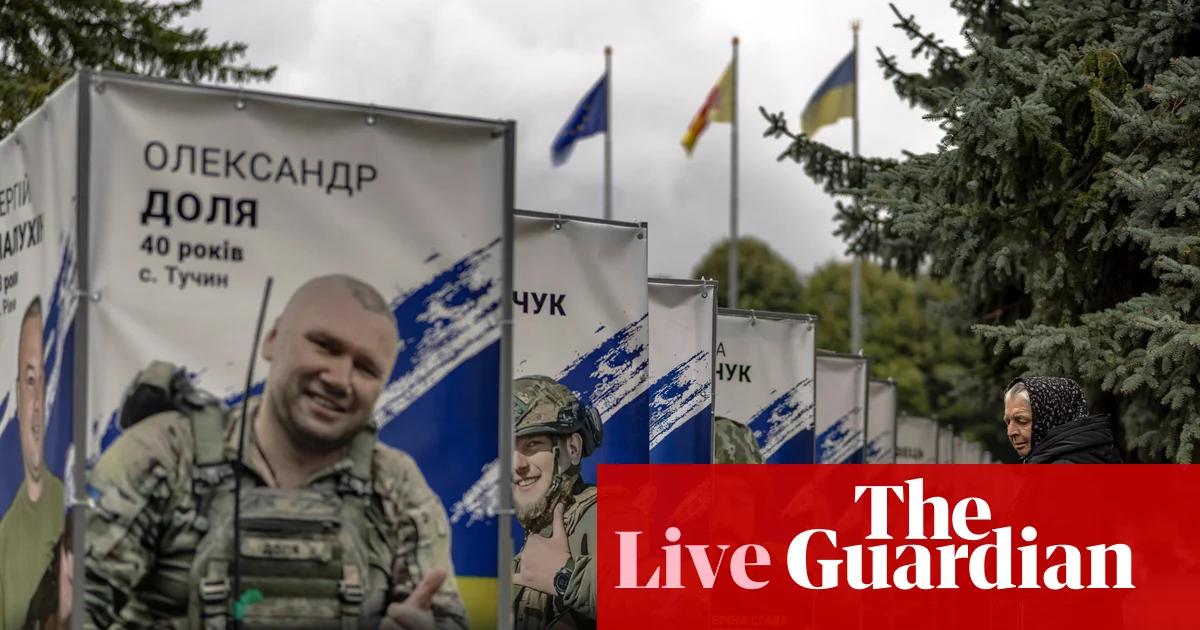
German Chancellor warns leaders: Ukraine decisions now will shape Europe's future — live updates
German Chancellor warns leaders: Ukraine decisions now will shape Europe’s future — live updates

In an era marked by escalating tensions and shifting alliances, Europe’s security landscape has been dramatically reshaped by recent developments between NATO members and Russia. The strategic move by Norway to bolster its defenses through a groundbreaking deal with the UK exemplifies the renewed focus on undersea warfare and infrastructural resilience. Norwegian Prime Minister Jonas Gahr Støre recently visited London to formalize a pact aimed at “hunting Russian submarines” and safeguarding vital undersea cables—lifelines of modern communication and energy—highlighting the mounting threat Russia poses beneath the waves. This new accord, symbolically named “Lunna House,” pays homage to covert WWII operations, but today signifies a modern response to Russia’s assertiveness in the Arctic and North Atlantic domains.

The geopolitical impact of this alliance extends beyond bilateral cooperation. It underscores a broader NATO strategy to counter Moscow’s influence, especially as Vladimir Putin describes ongoing Ukraine peace negotiations as “necessary,” yet riddled with “unacceptable” proposals. The Russian leader’s cautious endorsement of these talks reflects Moscow’s recognition of the economic and military pressures intensifying from Western allies. Meanwhile, key NATO players, particularly Germany and France, are urging unity in the face of an aggressive Russia, with German Chancellor Friedrich Merz warning that the decisions made today “will decide Europe’s future” amid fears of imperialist ambitions from the Kremlin.

Adding layers to this geopolitical chessboard, France’s Emmanuel Macron recently engaged in high-stakes diplomacy with Xi Jinping of China. During his visit to Beijing, Macron emphasized the importance of cooperation to “end the war in Ukraine” and foster economic and environmental stability. This move is part of a broader French effort to shore up its influence and secure commercial advantages in a global arena increasingly polarized by U.S.-China rivalry. Meanwhile, China, positioning itself as a “reliable partner,” seeks to navigate trade frictions with the EU while presenting an alternative global market, even amidst tensions over its subsidized electric vehicle industry. The international stage is thus set for a complex web of diplomacy, with European leaders caught in the crossfire of Russia’s eastern ambitions and China’s rising global influence, both vying for strategic dominance.

The American perspective remains sharply divided, as former President Donald Trump suggests that Moscow’s recent peace negotiations are “reasonably good,” indicating that Putin may prefer a deal under current circumstances. Yet, the uncertainty over what comes next underscores a fragile international order, with US and European policymakers unsure whether diplomacy can contain an increasingly aggressive Russia. And with the European Union embroiled in debates over the fate of frozen Russian assets—some nations, like Belgium, resisting the EU’s proposals—an internal fracture threatens to undermine collective resolve. The EU leaders are working desperately to reach consensus in the upcoming summit, aware that their decisions could have long-lasting consequences for the continent’s geopolitical future.

As the world watches these unfolding events, the shadow of history looms large. Each alliance forged, each negotiation held, echoes past conflicts and silent struggles for dominance. The relentless march of history has brought us to a precipice, where today’s choices could define generations. With Europe’s destiny hanging in the balance and the great powers maneuvering beneath the surface, one thing remains clear: the voyage through this turbulent era is far from over, and the tides of geopolitics continue to forge a new chapter—one that history will either laud or condemn.

Social Media Auto Publish Powered By : XYZScripts.com