

The recent actions taken by the United States against Costa Rica’s leading newspaper, La Nación, mark a new chapter in the geopolitical chess game that defines our era. In a move that has stunned many international observers, over half of La Nación’s board members have had their US visas revoked, an unprecedented action that signals the growing influence of Washington in shaping political landscapes in Central America. This crackdown comes amidst a backdrop of escalating tensions between the US and the Costa Rican government, highlighting how decisions made in Washington ripple across smaller nations, affecting local media, political opposition, and societal freedoms.
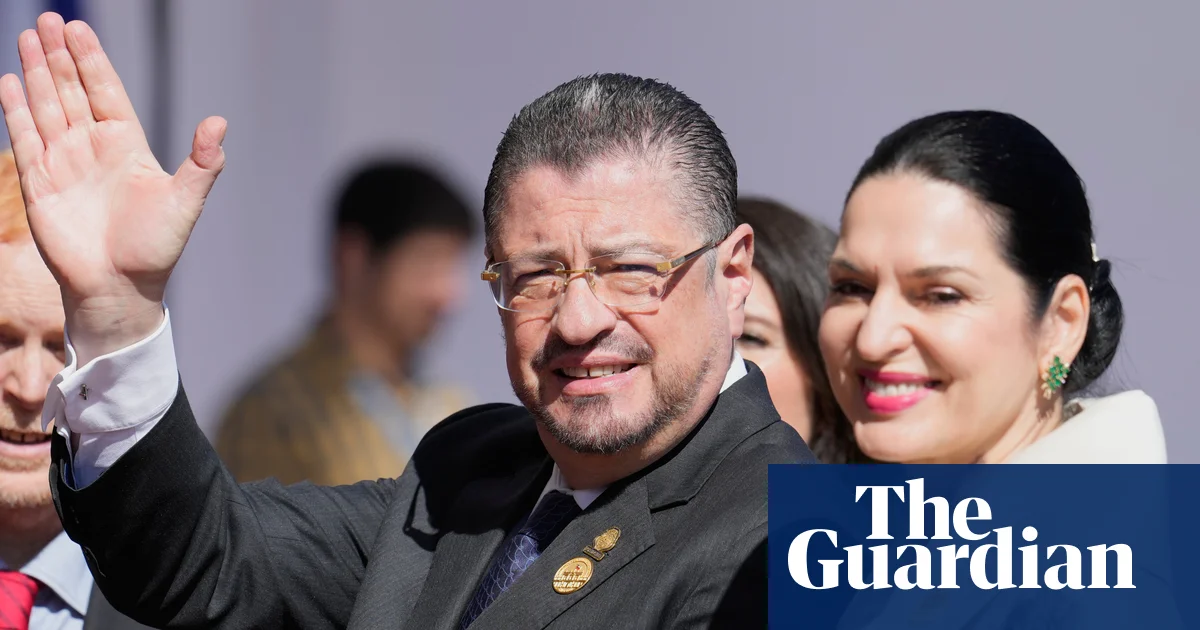
At the heart of this crisis is Rodrigo Chaves, Costa Rica’s current president and a close ally of the US. During his 2022 presidential campaign, La Nación’s investigative journalism exposed allegations of sexual harassment against Chaves—claims that previously forced him out of his role at the World Bank. The paper’s reporting on allegations of illegal campaign financing further deepened tensions, with Chaves condemning the outlet as “despicable press” and “political assassins.” Since assuming office, the president’s rhetoric has grown hostile, culminating in financial sanctions against the newspaper’s parent company and the recent visa revocations targeted at its board members—an attack on press freedom that critics argue is orchestrated to silence dissent in a strategic move aligned with US interests.
The geopolitical impact of this escalation extends beyond Costa Rica. Analysts argue that the US’s intervention signals an alarming erosion of democratic institutions in the region. “It’s a blatant attempt to intimidate independent press and suppress opposition voices,” warned Felipe Alpízar from the Observatory of American Politics at the University of Costa Rica. Historically, the US has used visa restrictions as tools to influence political figures—yet the targeting of a major media outlet’s board members marks a dangerous escalation, eroding not only media independence but also how nations resist external influence and protect societal freedoms. Past instances involving Nobel laureate Óscar Arias and other Costa Rican figures illustrate a pattern where US policies leverage visa controls to exert political dominance, often under the guise of security concerns or strategic economic interests.
Furthermore, the recent US actions come on the heels of diplomatic overtures, including praise for Chaves’s stance against Chinese 5G infrastructure, instigated by Secretary of State Marco Rubio. Washington’s support for hardline policies—such as Costa Rica’s agreement to accept US deported migrants and the closure of embassies—are perceived by many as deliberate moves to assert control in a region historically characterized by its quest for sovereignty. Critics contend that such measures serve US geopolitical aims under the pretext of promoting stability, but ultimately threaten to destabilize Costa Rica’s fragile political equilibrium. The fear remains: how long before the US’s influence extends further, reshaping society and politics across neighboring nations?
The unfolding narrative leaves a haunting sense of fragile sovereignty amidst the shifting sands of global influence. As Laura Fernández prepares to assume power, replacing Chaves, international analysts warn that the targeted suppression of opposition voices is unlikely to cease. Instead, they suggest, this episode is part of a larger, ongoing effort to realign regional power—an effort that could redefine the fabric of Costa Rican society for generations to come. History, it seems, is still in the making, and the global community watches with bated breath as the story of a small nation grapples with the heavy hand of a superpower in its quest for influence and control.






